
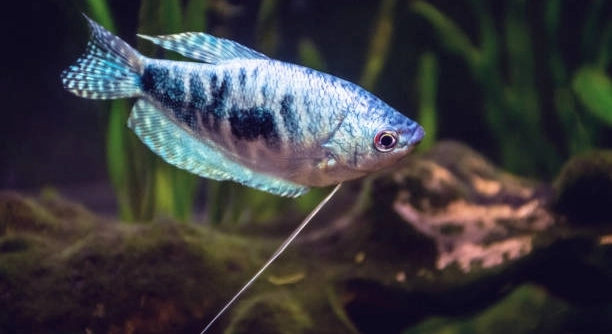
Many gourami owners notice a sudden change in their fish’s behavior, especially when it starts hiding more than usual. This shift can feel worrying, as these peaceful fish are usually active and visible in the tank.
A sudden increase in hiding behavior in gouramis is often caused by stress, illness, or changes in the environment. Factors such as poor water quality, aggressive tank mates, or inadequate hiding spots can trigger this response.
Learning the reasons behind this behavior will help you create a safer, more comfortable home for your gourami and improve its overall well-being.
Changes in Tank Environment
Gouramis are sensitive to their surroundings, and even small changes can make them hide. Adding new decorations, rearranging plants, or changing the water temperature can all cause stress. They rely on familiar hiding spots to feel safe, and sudden disruptions can make them anxious. I noticed my gourami immediately retreated to the corner when I cleaned part of the tank and moved its favorite plant. Bright lights, strong currents, or fluctuating temperatures can also make them uncomfortable. Maintaining a stable environment with consistent water conditions, gentle lighting, and calm water flow helps reduce stress. Watching for patterns in their behavior after any change can guide adjustments, ensuring they feel secure. Providing multiple hiding spots, like caves or dense plants, gives them choices and a sense of control. Over time, consistent care and observation allow them to become more confident and reduce prolonged hiding behaviors naturally.
Stress from environmental changes can make gouramis hide for days or even weeks.
Keeping water conditions stable and adding safe hiding areas will help your gourami feel secure and reduce anxiety in the tank.
Health Concerns
A sudden hiding habit can signal health issues. Gouramis are prone to infections, parasites, or swim bladder problems, all of which affect their movement and comfort. I once noticed my fish hiding after a mild fin infection, and monitoring it closely helped me catch the problem early. Poor water quality, like high ammonia or nitrite levels, can also lead to illness. Even subtle symptoms, such as reduced appetite, clamped fins, or unusual swimming, are signs that attention is needed. Regular water testing and partial water changes are essential to prevent these issues. Quarantining new fish before adding them to the main tank minimizes the risk of disease spread. A healthy diet rich in protein and occasional live or frozen foods supports immunity and overall health. Timely treatment and proper care can return your gourami to its usual active, visible behavior, keeping it happy and thriving in the tank environment.
Preventing illness and monitoring health is essential to keeping your gourami active and comfortable.
Observing changes in behavior and addressing any potential illness quickly ensures your gourami stays healthy. Proper diet, clean water, and attention to symptoms are key steps in reducing stress and encouraging regular activity.
Aggressive Tank Mates
Gouramis can hide when other fish in the tank are aggressive. Even minor chasing or nipping can make them retreat to corners or behind plants.
I once added a new, boisterous fish to my tank, and my gourami immediately hid more than usual. Aggression from tank mates can be subtle, like constant circling or minor fin nipping, but it is enough to stress a shy species. Over time, this can reduce feeding, weaken the immune system, and increase susceptibility to disease. Observing interactions between all fish and separating aggressive individuals helps restore calm. Adding plenty of hiding spots ensures the gourami has a safe space to retreat when feeling threatened. A peaceful tank environment encourages normal behavior and helps them regain confidence gradually.
Separating aggressive fish or adjusting tank populations can help your gourami feel safe again.
Providing additional plants, caves, or decorations can reduce stress and allow gouramis to explore the tank more confidently without constant fear.
Water Quality Issues
Gouramis are highly sensitive to water quality, and poor conditions often cause prolonged hiding. Ammonia, nitrite, and nitrate levels that rise even slightly can lead to stress.
I noticed my gourami hiding more frequently when I delayed a water change. The tank looked clean, but chemical levels were slightly off. Water temperature fluctuations, pH shifts, or low oxygen can make them uncomfortable. Regular testing, partial water changes, and monitoring temperature stability are key to maintaining a healthy environment. Overcrowding increases waste buildup, so controlling the number of fish and ensuring proper filtration reduces stress. Clean, stable water encourages gouramis to swim freely, eat normally, and display natural behavior.
Keeping the tank water clean and balanced ensures your gourami stays active and reduces hiding tendencies.
Monitoring water parameters consistently and addressing even minor changes quickly prevents stress-related behavior and supports long-term fish health. Proper filtration, routine water changes, and avoiding overfeeding are essential steps in maintaining a stable environment.
Breeding Behavior
Gouramis often hide when preparing to breed. Males may stay in secluded spots to build bubble nests or guard territory quietly.
During my experience, my male gourami spent hours near the tank corner, rarely swimming in open areas. This behavior is normal and indicates readiness to breed.
Stress from Handling
Frequent tank cleaning, moving decorations, or tapping on the glass can stress gouramis. They respond by hiding more often.
I noticed my gourami retreating after I rearranged plants and cleaned the substrate. Gentle handling and minimizing sudden disturbances help them feel secure and reduce prolonged hiding.
Lighting Conditions
Bright or fluctuating light can make gouramis uncomfortable. Soft, consistent lighting encourages natural activity and exploration.
Adjusting tank lights gradually and providing shaded areas helps gouramis feel safer and less prone to hiding.
Lack of Hiding Spots
Gouramis feel vulnerable without proper hiding spots. Plants, caves, or decorations offer security.
Adding multiple hiding areas ensures your gourami has options to retreat, reducing stress and encouraging more natural behavior.
FAQ
Why is my gourami hiding all the time?
Gouramis hide for several reasons, most commonly stress, illness, or environmental changes. I noticed mine hiding when I added new decorations and rearranged the tank. Stress from aggressive tank mates, poor water quality, or sudden changes in light or temperature can also cause prolonged hiding.
How can I tell if my gourami is sick?
Signs of illness include clamped fins, sluggish movement, loss of appetite, or unusual swimming patterns. I once observed my gourami hiding while its fins looked slightly frayed. Regular observation and water testing help detect problems early. Quarantining new fish can prevent the spread of disease.
Do gouramis hide when they are breeding?
Yes, male gouramis often hide to build bubble nests or guard territory. My male spent hours near the tank corner before laying eggs. Providing secluded spots and calm surroundings supports natural breeding behavior without causing stress.
Can tank mates affect hiding behavior?
Aggressive or overly active fish can cause gouramis to retreat constantly. I had a new fish that chased my gourami, leading it to hide for most of the day. Separating aggressive fish and ensuring peaceful tank companions helps reduce hiding.
Does water quality impact hiding?
Poor water conditions are a major factor. High ammonia, nitrites, nitrates, or fluctuating temperature can stress gouramis. My fish hid more when I delayed a water change, even though the tank looked clean. Regular testing, partial water changes, and stable temperature improve comfort and activity.
How does lighting affect hiding?
Bright or inconsistent lighting makes gouramis uneasy. Soft, gradual lighting and shaded areas help them feel secure. I adjusted my tank lights gradually, and the gourami began swimming more openly without hiding behind plants.
Do gouramis need hiding spots?
Yes, hiding spots are essential. Plants, caves, and decorations give them a sense of security. My gourami explores more confidently when multiple hiding areas are available. Lack of these spaces can increase stress and cause prolonged hiding.
Will handling the tank stress my gourami?
Frequent cleaning, rearranging decorations, or tapping on the glass can make gouramis anxious. I noticed hiding increased after moving plants around. Gentle handling, minimal disturbances, and gradual adjustments reduce stress and encourage natural behavior.
How long will my gourami hide?
The duration depends on the cause. Stress or environmental changes may cause hiding for hours to days, while illness or aggression could prolong it. Observing behavior, adjusting tank conditions, and providing safe spaces often help gouramis return to normal activity.
Can diet affect hiding?
A poor diet can weaken the immune system and make gouramis less active, increasing hiding. Feeding a balanced mix of high-quality flakes, pellets, and occasional live or frozen foods supports overall health and encourages normal swimming behavior.
What should I do if my gourami keeps hiding?
Check water quality, observe tank mates, ensure hiding spots, and monitor for illness. I adjusted my tank and added plants, which helped my gourami become more active. Gradual changes, consistent care, and observation are key to helping gouramis feel secure and reduce hiding.
Gouramis are gentle and sensitive fish that rely heavily on their environment to feel safe. Sudden hiding behavior is usually a sign that something in their surroundings or health has changed. Many factors can cause this, such as water quality, aggressive tank mates, or even changes in light and temperature. When a gourami hides frequently, it is not necessarily a sign of serious illness, but it does indicate that the fish is feeling stressed or uncomfortable. Observing their daily behavior and noting any sudden changes can help identify the cause early, preventing minor issues from turning into serious problems. Paying attention to small details, such as fin clamping, reduced appetite, or unusual swimming patterns, provides useful clues about their wellbeing. Maintaining a calm, stable environment is essential, as gouramis thrive in predictable conditions and can become easily stressed by disturbances.
Providing adequate hiding spots is one of the simplest ways to reduce stress for gouramis. Plants, caves, and other decorations give them a sense of security, allowing them to retreat when needed. I noticed that after adding more plants and a few small caves to my tank, my gourami began exploring more and hiding less. Even when tank changes are necessary, offering multiple secluded areas helps them feel in control and safe. Water quality is equally important, as poor conditions can weaken their immune system and increase stress. Regular testing, partial water changes, and maintaining a stable temperature create a comfortable environment that encourages normal behavior. A balanced diet also plays a role in overall health, giving them energy and supporting their natural activity levels. By combining clean water, safe hiding spots, and good nutrition, gouramis can regain confidence and reduce excessive hiding.
Behavioral changes in gouramis should always be addressed with careful observation and gradual adjustments. Stress is often temporary if the right measures are taken, and many gouramis return to normal activity once their environment and health are stabilized. Over time, understanding your fish’s preferences and tolerances can prevent recurring hiding behavior. Patience is key, as sudden movements, loud noises, or frequent rearrangements can undo progress. By providing a calm, stable tank and paying attention to their needs, you can help your gourami feel secure and comfortable. Ensuring they have proper tank mates, suitable hiding spots, and clean, balanced water creates an environment where they can thrive. Taking small, consistent steps to support their wellbeing not only reduces hiding but also promotes a healthy, active, and happy life for your fish.

Hello,
If you enjoy the content that we create, please consider saying a "Thank You!" by leaving a tip.
Every little bit helps us continue crafting quality advice that supports the health, happiness, and well-being of pets around the world, for pets of all shapes, sizes, and species.
We really appreciate the kindness and support that you show us!