
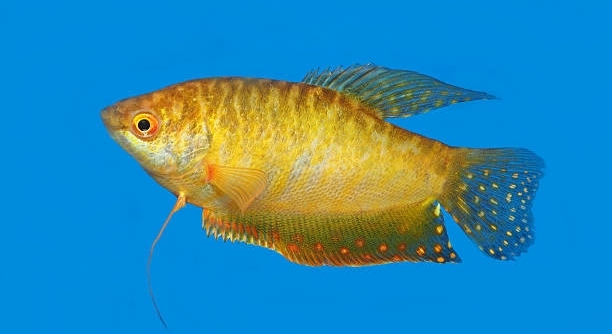
Gouramis are peaceful fish that enjoy calm and spacious environments. Observing their behavior closely can help you understand when they feel cramped or stressed. Knowing these signs ensures their well-being and a healthy aquarium life.
Gouramis often show clear behavioral and physical signs when their tank is too small. These include reduced activity, aggressive tendencies, changes in color, irregular swimming patterns, and constant attempts to explore beyond their current space, indicating a need for a larger habitat.
Recognizing these signals early can prevent stress and health issues, ensuring your gourami thrives comfortably in its aquatic home.
Restlessness and Constant Swimming
When a gourami is confined to a small tank, it may begin to swim continuously without settling. This restlessness often appears as pacing along the tank edges or repeatedly swimming from corner to corner. Unlike normal exploration, this behavior is persistent and can indicate discomfort due to limited space. Fish in cramped conditions often expend more energy, which can affect their appetite and overall health. Observing their swimming patterns closely can help you notice these subtle changes early. Other behaviors may include darting quickly when approached or frequently bumping into tank decorations. Providing adequate space allows the fish to establish a routine, explore naturally, and display normal behaviors. Over time, you may notice your gourami becomes calmer, more colorful, and interacts with its environment in a balanced manner. Limiting stress through proper tank size contributes to better immunity and a longer lifespan, making attentive observation key to maintaining their well-being.
Persistent swimming without rest signals that the fish needs a larger tank. It is a strong indicator of stress.
Restless swimming often coincides with other signs of discomfort, such as hiding frequently or avoiding certain areas. A tank that is too small can disrupt normal behavior, making gouramis more irritable and prone to injury. Proper tank size and regular monitoring can correct this issue and restore a healthier routine.
Color Fading and Dull Appearance
A gourami’s color can change when it feels cramped.
Stress from limited space often leads to a noticeable loss of vibrant hues. Gouramis rely on their coloration for communication, mating displays, and overall health. When the tank is too small, they may appear dull, pale, or less shiny. The reduced coloration is not just aesthetic; it indicates physiological stress, affecting immunity and making them more vulnerable to disease. Observing color changes regularly allows you to detect discomfort before severe health problems develop. Additionally, poor water circulation in a crowded tank can contribute to fading colors, making it essential to maintain proper filtration and tank size. Feeding routines and diet also play a role, but the underlying need for space remains critical. Expanding the tank or reducing overcrowding can restore natural vibrancy, improve mood, and encourage normal social behaviors. Monitoring both behavior and appearance ensures your gourami remains healthy and visually striking in its environment.
Aggression Toward Tank Mates
Aggression can emerge when a gourami feels cramped. They may nip fins, chase others, or guard certain areas aggressively. Limited space increases tension, making normally peaceful fish more hostile.
When gouramis are confined, their territory feels threatened, prompting defensive behaviors. Nipping and chasing are signs they want more room to establish personal space. Smaller tanks amplify competition for hiding spots and resources, leading to conflicts. Observing interactions can reveal these tensions early. Adjusting tank size or rearranging decorations often reduces stress and aggression. Ensuring each fish has adequate space supports natural behavior, reduces injury risk, and improves harmony among tank inhabitants.
Aggression can also appear as dominance displays, where a gourami positions itself above others or blocks access to feeding areas. This behavior is more pronounced in males and can escalate if ignored. Expanding the tank or separating aggressive individuals often restores balance. Overcrowding not only stresses gouramis but also compromises health, so prioritizing space is essential. Consistent monitoring allows early intervention, preventing prolonged conflicts and promoting a calmer, healthier environment for all fish.
Frequent Hiding
Gouramis that hide often may be stressed by cramped conditions. They spend long periods in plants, caves, or corners.
Frequent hiding is a defensive behavior indicating discomfort or fear. Small tanks limit swimming space, forcing fish to seek refuge more often. Hiding reduces stress temporarily but does not solve the underlying problem. Providing additional space allows gouramis to explore freely, reducing anxiety and encouraging natural behaviors. Monitoring hiding patterns helps identify when tank conditions need improvement.
A cramped tank also reduces visible territory, making gouramis feel threatened by neighbors or movement outside the tank. Over time, excessive hiding can affect feeding and social interaction, leading to poor health. Observing when and how long your fish hides offers insights into its comfort level. Expanding the tank, adding gentle currents, or rearranging decorations can restore confidence. Creating areas for both exploration and refuge supports normal activity, keeps gouramis active, and encourages natural color and energy levels. Ensuring proper space promotes overall well-being and reduces persistent stress behaviors.
Gasping at the Surface
Gouramis may gasp at the water surface when oxygen levels drop, often worsened by overcrowding. Limited space can reduce water circulation, making it harder for fish to breathe comfortably.
This behavior signals stress and insufficient oxygen. Overcrowded tanks force fish to compete for fresh water near the surface, which can weaken their immune systems. Ensuring proper aeration and adequate tank size helps gouramis breathe easily and stay healthy. Observing surface gasping early prevents long-term health problems and keeps the environment safer for all inhabitants.
Loss of Appetite
A stressed gourami often eats less or ignores food entirely. Reduced appetite is a clear sign of discomfort or environmental stress.
Loss of appetite can lead to weakened immunity, slower growth, and increased susceptibility to disease. In small tanks, competition for food and constant stress may cause gouramis to avoid eating. Maintaining adequate space, proper nutrition, and stable water conditions encourages regular feeding habits. Observing feeding behavior closely allows timely intervention, ensuring your gourami remains healthy and active.
Clinging to Decorations
Gouramis sometimes cling to plants or ornaments when they feel cramped. This indicates a need for more swimming space and comfort.
Erratic Swimming Patterns
Erratic swimming, including sudden bursts, spinning, or rapid darting, often occurs when a tank is too small. These movements show stress and the fish’s struggle to navigate limited space. Observing these patterns helps identify when a gourami requires a larger habitat to move freely and maintain normal behavior.
FAQ
How much space does a gourami need?
Gouramis require a minimum of 20 gallons per adult fish, with additional space for each additional fish. Larger tanks allow natural swimming, reduce stress, and prevent aggressive behavior. Overcrowding leads to competition for food and hiding spots, which can cause long-term health issues.
Can a small tank harm my gourami?
Yes. Small tanks limit swimming space, reduce oxygen circulation, and increase waste concentration. This environment stresses gouramis, leading to aggressive behavior, loss of color, reduced appetite, and weaker immunity. Regular observation and tank expansion are essential to prevent these issues.
What signs indicate my gourami needs more space?
Signs include constant swimming, hiding, gasping at the surface, clinging to decorations, erratic movements, aggression toward tank mates, and color fading. Noticing these behaviors early allows intervention before serious health problems develop.
Is it okay if my gourami chases others occasionally?
Occasional chasing is normal social interaction. However, persistent aggression, nipping fins, or cornering other fish indicates stress due to insufficient space. Expanding the tank or rearranging decorations can reduce tension and restore harmony.
How can I make a small tank more comfortable temporarily?
Adding plants, hiding spots, and gentle water flow can reduce stress temporarily. While these adjustments help, they do not replace the need for adequate swimming space. Overcrowding should be corrected as soon as possible.
Will moving my gourami to a bigger tank improve behavior?
Yes. A larger tank provides more territory, reduces competition, and allows natural exploration. Gouramis often regain vibrant color, normal feeding habits, and calmer behavior once they have sufficient space.
Do gouramis require a specific tank setup for comfort?
Gouramis prefer tanks with plants, gentle filtration, and areas for hiding. Open swimming space is crucial, and decorations should not overcrowd the tank. Proper water quality, temperature, and adequate space collectively support healthy behavior.
Can multiple gouramis share the same tank?
Yes, if the tank is large enough to accommodate each fish. Overcrowding can lead to aggression, stress, and health problems. Observing social interactions and providing hiding spots helps maintain balance.
How often should I monitor my gourami for stress signs?
Daily observation is recommended. Watching behavior, appetite, color, and swimming patterns helps detect early signs of stress. Prompt adjustments to tank size or environment prevent long-term problems and ensure a healthy habitat.
Are there long-term effects of keeping gouramis in small tanks?
Yes. Chronic stress from insufficient space can cause stunted growth, weakened immunity, shortened lifespan, and persistent behavioral issues. Ensuring proper tank size from the start is critical for maintaining long-term health and well-being.
Can diet influence how a gourami handles small spaces?
A balanced diet supports health but cannot compensate for limited space. While proper nutrition improves immunity and energy levels, behavioral issues caused by cramped conditions require environmental changes, not just dietary adjustments.
Is it necessary to rearrange decorations if the tank feels crowded?
Rearranging can create additional pathways and reduce territorial disputes temporarily. However, it does not replace the need for a larger tank. Adequate space is the primary factor in reducing stress and encouraging natural behavior.
Do gouramis adapt to small tanks over time?
They may survive but do not thrive. Adaptation often comes with stress, aggression, and health decline. Providing sufficient space ensures normal growth, vibrant color, and a calmer, more active lifestyle.
How do I know when it’s time to upgrade the tank?
Persistent signs of stress, aggression, hiding, erratic swimming, and fading color indicate the need for a larger environment. Planning ahead and upgrading before serious issues arise is the best way to maintain a healthy and happy gourami.
Can water quality issues worsen stress from limited space?
Yes. Poor water quality compounds the stress caused by overcrowding. High ammonia, nitrites, or low oxygen levels amplify behavioral and health problems. Maintaining clean, filtered water alongside adequate space is essential for well-being.
Is it okay to keep a single gourami in a small tank?
A single gourami still requires enough swimming space. Even without competition, limited space restricts natural behavior, leads to stress, and can cause long-term health issues. A larger tank ensures proper activity and comfort.
How quickly do gouramis show signs of needing more space?
Some signs, like hiding or restlessness, can appear within days of overcrowding. Others, like color fading or loss of appetite, develop over weeks. Early observation allows timely interventions to prevent serious health consequences.
Can stress from limited space affect reproduction?
Yes. Overcrowded conditions can reduce breeding behavior, fertility, and egg survival. Providing enough room allows normal mating displays, territory establishment, and healthier offspring. Proper space is crucial for both adult behavior and reproductive success.
Are certain gourami species more sensitive to small tanks?
Yes. Larger species or highly territorial gouramis, like pearl or kissing gouramis, are more affected by limited space. Smaller species tolerate less room but still require adequate swimming areas to prevent stress and aggression.
What is the most effective solution to all space-related issues?
Upgrading to a larger tank is the most effective solution. While temporary adjustments like decorations or hiding spots help, only sufficient swimming space resolves behavioral and health problems permanently, ensuring a calm and healthy environment for your gourami.
Gouramis are sensitive fish that thrive when they have enough space to swim, explore, and establish a comfortable environment. Their behavior and appearance provide clear clues when they are feeling confined, stressed, or uncomfortable. Signs like restlessness, hiding, aggression, gasping at the surface, clinging to decorations, and fading color are all ways they communicate that their tank may not meet their needs. Paying attention to these signals is important because early recognition allows for timely adjustments, preventing long-term health issues or behavioral problems. Observing your gourami regularly helps you understand its habits, personality, and needs, which makes it easier to provide the right living conditions and ensure the fish remains active and healthy.
Providing a spacious tank is the most effective way to address all the problems associated with a cramped environment. Adequate swimming space reduces stress, allows natural behaviors, and encourages normal feeding patterns. It also improves water circulation and oxygen levels, which are essential for maintaining overall health. Even if temporary solutions like rearranging decorations, adding hiding spots, or adjusting the water flow can help reduce tension, they do not replace the need for proper tank size. Upgrading to a larger tank or creating enough territory for multiple gouramis can restore calm behavior, improve color vibrancy, and support long-term well-being. A proper setup also minimizes conflicts between fish, creating a more harmonious environment and reducing the chances of injury or stress-related illness.
Understanding the needs of your gourami is a simple yet effective way to keep it healthy and comfortable. Regular observation, attention to behavior, and prompt action when issues arise make a significant difference in their quality of life. By ensuring sufficient space, proper nutrition, and stable water conditions, you can prevent many common problems that arise from overcrowding. Gouramis are naturally curious and social, and they respond positively to environments that allow them to express their natural behaviors. Taking these steps not only improves the fish’s physical health but also promotes calmer, more predictable behavior. Maintaining an appropriate habitat demonstrates care and responsibility, making it easier to enjoy the beauty and personality of your gourami while ensuring it remains healthy and vibrant for years to come.

Hello,
If you enjoy the content that we create, please consider saying a "Thank You!" by leaving a tip.
Every little bit helps us continue crafting quality advice that supports the health, happiness, and well-being of pets around the world, for pets of all shapes, sizes, and species.
We really appreciate the kindness and support that you show us!