
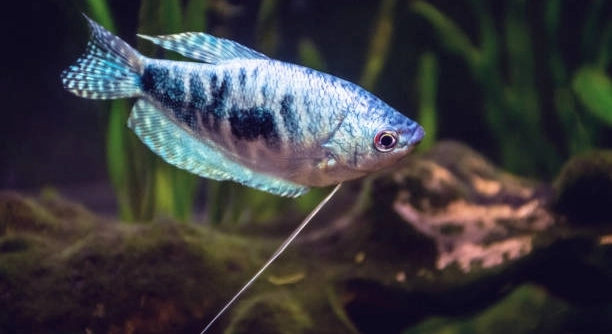
Gouramis are small freshwater fish that often surprise people with their behavior. Many aquarists enjoy keeping them, noticing their unique movements and interactions. Observing these fish can reveal that they are more intelligent than they first appear.
Gourami intelligence is reflected in their ability to recognize their environment, respond to stimuli, and exhibit problem-solving behaviors. Research shows they can learn from experience, navigate mazes, and even remember feeding routines, indicating a notable level of cognitive function among small fish species.
Learning more about these fascinating fish can help you better understand their behaviors, improve their care, and appreciate their subtle, intelligent actions.
Recognizing Their Environment
Gouramis are surprisingly aware of their surroundings. In my own tank, I noticed how quickly they adjust when I rearrange decorations or change plants. They swim cautiously at first, examining new objects with care. This behavior shows that they are not just moving randomly—they are assessing risks and opportunities. Even small changes, like adding a new hiding spot or a floating plant, spark their curiosity. Gouramis also respond to light and shadows, sometimes retreating when the tank becomes too bright. Over time, they learn where safe spots are and where to avoid. Their memory helps them remember feeding areas and preferred resting places. Watching them navigate obstacles made me realize how attentive they are, often pausing to inspect every detail. This attentiveness demonstrates that gouramis have more complex behavior than many fish of their size. Their awareness is a key factor in how they interact with each other and the environment.
Their awareness allows them to adapt quickly, avoiding stress and maintaining comfort in their habitat.
Understanding how gouramis perceive changes helps improve tank setup and daily care, ensuring they remain healthy and engaged. Observing these small adjustments builds a deeper appreciation for their subtle intelligence and responsiveness. By noting their preferred areas, hiding spots, and reaction to light, aquarists can create an environment that feels secure. This leads to calmer behavior, better feeding routines, and fewer conflicts among tankmates. Gouramis can also learn the positions of decorations or feeding points over weeks, showing that their memory is active and reliable. Simple changes, like moving a plant slightly, can trigger investigative behavior, demonstrating curiosity. Overall, recognizing how gouramis interpret their environment helps in supporting both their mental and physical well-being, making their care more fulfilling and their behavior more predictable.
Problem-Solving Skills
Gouramis can figure out small challenges in their tank, like navigating around obstacles or accessing food placed in tricky spots.
These fish often find creative ways to reach food or avoid threats. In my tank, they learned to push aside leaves and swim through narrow spaces to reach their meals. Some even seem to remember patterns in feeding times and locations. This behavior indicates that gouramis can think ahead and adjust strategies. When presented with unfamiliar objects, they pause, investigate, and sometimes experiment with different approaches before succeeding. Their problem-solving is not limited to physical obstacles; they can also adapt to changes in tankmates or feeding methods. Gouramis’ ability to solve simple problems shows a higher level of intelligence than often assumed. Encouraging this by slightly varying feeding routines or adding safe, small challenges keeps them mentally active. Observing their attempts can be entertaining and provides insight into their learning process. These fish are capable learners, making daily care more interactive and rewarding.
Social Interactions
Gouramis communicate through subtle gestures and body movements. In my tank, I noticed they flare their fins or change colors slightly when interacting with each other, showing dominance or curiosity. These interactions reveal social awareness and memory of other fish’s behavior.
Social behavior is important for gouramis’ mental health. They establish territories, recognize tankmates, and adjust their actions depending on the other fish present. I’ve observed some gouramis avoid aggressive individuals while approaching calmer ones confidently. Even during feeding, they seem aware of hierarchy, often waiting their turn or nudging gently. These patterns show that gouramis are attentive to social cues, learning from repeated interactions and remembering who is safe to approach.
Observing social interactions has helped me understand how gouramis develop bonds and avoid conflicts. By noticing subtle gestures, like fin flicks or gentle nudges, it’s clear they communicate to maintain harmony. Providing adequate space and hiding spots ensures all fish feel secure and reduces stress. Watching these dynamics also reveals intelligence, as gouramis remember past experiences and respond accordingly, adapting to each tankmate’s personality and behavior over time.
Memory and Learning
Gouramis can remember feeding times and recognize who provides food, which makes them easier to train.
Memory plays a key role in their daily life. In my experience, gouramis quickly remember the location of feeding areas and respond to specific cues, such as tapping on the glass or the presence of food in a particular spot. They also learn routines, like swimming to the top when it’s time to eat, showing associative learning. This ability to recall events helps them avoid danger and locate resources efficiently. Over weeks, they develop consistent patterns, showing reliability in behavior.
Learning in gouramis extends beyond feeding. I have experimented with gentle training, such as encouraging them to swim through small hoops for food, and they adapted quickly. They can associate certain actions with rewards, demonstrating problem-solving combined with memory retention. This mental capacity allows them to adjust to changes, such as rearranged decorations or new tankmates. Watching their progress, it became clear that memory guides not only feeding habits but also daily navigation, social interactions, and responses to new experiences, making their intelligence more apparent.
Curiosity and Exploration
Gouramis are naturally curious and explore their surroundings regularly. I’ve seen mine inspect new decorations, swim around unfamiliar objects, and observe movement outside the tank, showing that they actively engage with their environment.
Exploration helps them stay mentally active and reduces stress. Providing varied structures and safe spaces encourages this behavior, keeping their minds sharp and daily routine interesting.
Learning From Experience
Gouramis adjust behavior based on past experiences. In my tank, one fish learned to wait for a calmer moment before approaching food after noticing more dominant fish tended to rush first. This shows that gouramis can use memory to guide decisions.
Environmental Adaptation
Gouramis quickly adapt to changes in temperature, water flow, or tank layout. I noticed mine adjust swimming patterns and resting spots almost immediately after minor changes, showing flexibility and environmental awareness.
FAQ
How smart are gouramis compared to other fish?
Gouramis show a higher level of intelligence than many small freshwater fish. In my experience, they quickly learn feeding routines, recognize tankmates, and adapt to new objects or decorations. While they may not solve complex puzzles like some larger species, their memory, problem-solving, and social behavior indicate a notable cognitive ability. Observing them respond to cues and navigate their environment has been surprisingly impressive, showing they can remember both past experiences and recognize patterns over time. This level of intelligence makes them engaging pets and more interactive than many people expect.
Can gouramis be trained to respond to cues?
Yes, gouramis can learn simple training tasks using repetition and rewards. I’ve trained mine to swim to a specific area when I tap the tank or to push gently through small hoops to reach food. They learn best with consistent cues and small, frequent rewards. Over time, they start anticipating the signal and responding reliably. Training not only reinforces their memory but also keeps them mentally stimulated. It’s rewarding to see them learn small tasks, which highlights their ability to associate actions with outcomes and adapt their behavior accordingly.
Do gouramis remember their owners?
Gouramis can recognize who feeds them and may show familiarity over time. In my tank, some fish swim toward me when I approach, especially if they associate me with food. This behavior indicates that they can distinguish between humans and recall past interactions. While they may not form emotional bonds like mammals, their recognition shows memory and pattern learning. They remember routines and can adjust behavior based on who is present, which is helpful when managing multiple fish in the same tank. Observing this recognition makes feeding times more engaging.
How do gouramis show social intelligence?
Gouramis display social awareness through gestures, positioning, and interactions with tankmates. In my experience, dominant individuals assert themselves gently while others adapt their movements to avoid conflict. They remember the behavior of other fish, adjusting their approach to reduce aggression or competition. Social intelligence also appears during feeding, when they wait, share, or assert priority based on hierarchy. Watching these dynamics unfold demonstrates that gouramis monitor and respond to others’ actions, showing an understanding of social context within the tank. Their ability to learn from interactions emphasizes the mental complexity of these small fish.
Can gouramis solve problems in their tank?
Yes, gouramis often work out ways to reach food or navigate obstacles. In my tank, I’ve noticed them push aside floating plants or swim around barriers to get to their meals. They try different approaches until they succeed, demonstrating trial-and-error learning. Problem-solving also applies to social situations, such as avoiding aggressive fish or finding safe hiding spots. This behavior shows that they actively analyze their environment and make decisions rather than acting purely on instinct. Small challenges in the tank encourage their cognitive development, making them more adaptable and engaged over time.
Do gouramis have long-term memory?
Gouramis exhibit memory retention that lasts weeks or even months. I’ve observed that my fish remember feeding locations, daily routines, and interactions with specific tankmates over long periods. This memory allows them to anticipate events, navigate efficiently, and avoid danger. Their ability to recall previous experiences and adjust behavior accordingly highlights the role of memory in learning and adaptation. Long-term memory also supports training efforts and social behavior, as they can remember signals, hierarchies, and even gentle cues from humans. This retention makes them more predictable and easier to care for in the long term.
How can I support my gourami’s intelligence?
Providing a varied and enriched environment helps stimulate their cognitive abilities. In my tank, adding plants, hiding spots, and occasional changes in layout encourages exploration and problem-solving. Consistent feeding routines and gentle training exercises also reinforce memory and learning. Social interaction with other compatible fish allows them to practice communication and hierarchy recognition. Avoiding overcrowding ensures they have space to move and explore freely, which reduces stress. Mental stimulation and proper care together foster sharper behavior, improve adaptability, and reveal their subtle intelligence, making them more active and engaging companions over time.
Gouramis are small fish that often surprise you with their intelligence. Over time, I’ve noticed how aware they are of their surroundings, remembering where hiding spots and feeding areas are. They adjust quickly to changes in the tank, whether it’s a new plant, decoration, or even a change in water flow. This ability to adapt shows that they are attentive and capable of learning from experience. Unlike some fish that swim randomly, gouramis actively explore, inspect new objects, and sometimes even seem to plan how to reach food or navigate obstacles. Watching this behavior makes it clear that their intelligence is subtle but consistent. It’s not just about reacting instinctively—they use memory and observation to guide their decisions. Understanding these traits has helped me create a tank environment that is both stimulating and safe, allowing them to thrive while displaying natural behaviors.
Gouramis also show notable social intelligence. They communicate through body movements, fin gestures, and even slight changes in color. I’ve seen them establish territories, recognize other tankmates, and adjust their actions to avoid conflicts. Social interactions are a key part of their behavior, and it’s interesting to see how they remember the habits of other fish. Some gouramis become more confident when a calmer fish is nearby and more cautious around aggressive individuals. This shows that they are not only aware of their environment but also sensitive to the behavior of others. Providing enough space and hiding spots ensures that each fish feels secure, which reduces stress and allows their natural behaviors to emerge. Observing these dynamics over time highlights how gouramis combine memory, learning, and social awareness to interact effectively in their environment.
Supporting their intelligence is simple but important. Keeping a varied and enriched tank helps maintain mental stimulation. I add plants, decorations, and occasional small changes to encourage exploration and problem-solving. Feeding routines and gentle training exercises also reinforce memory and learning, keeping them active and engaged. When gouramis are given a safe and stimulating environment, they develop consistent behaviors and respond to cues from both humans and other fish. Over time, this makes their actions more predictable, but still interesting to observe. By paying attention to their habits and interactions, it’s clear that gouramis are more than just decorative fish—they are attentive, adaptable, and capable of learning. Caring for them with this understanding allows them to thrive, showing intelligence in ways that are subtle, fascinating, and rewarding to witness.

Hello,
If you enjoy the content that we create, please consider saying a "Thank You!" by leaving a tip.
Every little bit helps us continue crafting quality advice that supports the health, happiness, and well-being of pets around the world, for pets of all shapes, sizes, and species.
We really appreciate the kindness and support that you show us!