
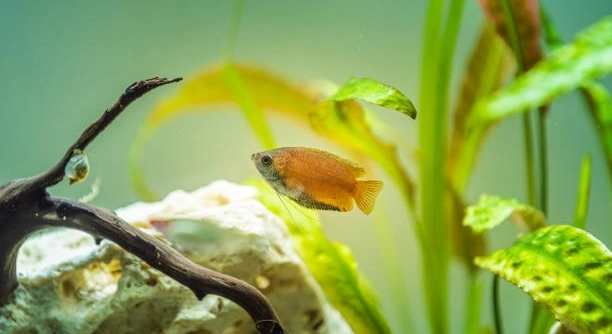
Moving a giant gourami to a new tank can feel like a challenging task, especially if it’s your first time handling such a large fish. Proper preparation and gentle handling are essential to keep your fish safe and healthy.
To safely move a giant gourami, use a clean, appropriately sized container filled with tank water. Minimize stress by keeping handling brief, maintaining consistent water temperature, and gradually acclimating the fish to the new tank environment before full transfer.
Learning the correct steps ensures your gourami adapts smoothly to its new surroundings, avoiding stress or injury during the transition. Proper care during this process is crucial for long-term health and well-being.
Preparing Your Tank and Equipment
Before moving your giant gourami, make sure the new tank is fully prepared. Clean the tank thoroughly, checking that filters, heaters, and aeration systems are working properly. Fill it with water that matches the temperature and pH of the current tank. Having all equipment ready will reduce stress for the fish during transfer.
Using proper tools like a soft net or large container helps prevent injury. Ensure the container is free of sharp edges or debris that could harm your fish.
It is important to have everything organized beforehand. Check water parameters and confirm the new tank’s environment is stable. A sudden change in temperature, pH, or cleanliness can cause illness. Prepare a soft, secure space for the fish to acclimate. Take the time to measure and adjust water conditions. Ensuring the tank is comfortable and safe allows your giant gourami to adjust quickly, reduces shock, and promotes long-term health. A smooth transition is essential to avoid unnecessary stress.
Handling and Transport
Transporting a giant gourami requires care and attention. Limit handling to reduce stress and avoid sudden movements.
Place the fish gently into a container with enough water to support its size. Cover the container to prevent jumping, and maintain a steady temperature. Transport slowly, keeping the container stable to avoid abrupt shifts. Check on the fish frequently during the process to ensure it remains calm and healthy.
During transfer, minimize exposure to bright lights or loud noises. Avoid overcrowding or forcing the fish into a small space. If the trip is long, consider adding oxygen or using water conditioners to maintain water quality. Handle the fish calmly and deliberately, taking breaks if necessary to check for stress signs. Once at the new tank, gradually acclimate the fish by floating the container in the water for 15–20 minutes. Slowly introduce small amounts of tank water to help the gourami adjust. Only when it shows signs of comfort should you release it fully. Following these steps ensures a safe and controlled transfer, reducing risks of injury or shock.
Acclimating Your Giant Gourami
Keep the fish in a small container within the new tank for 15–20 minutes. Gradually add small amounts of tank water to help it adjust to the new environment.
After floating the container, slowly pour tank water into it every few minutes. This gradual mixing helps the fish adapt to differences in temperature, pH, and water chemistry. Sudden changes can stress the fish or cause shock. Monitor the gourami’s behavior closely. Look for signs of stress such as rapid gill movement, frantic swimming, or loss of balance. Stop adding water if the fish appears unsettled, allowing it to settle before continuing. A slow, deliberate acclimation reduces health risks.
Once acclimated, gently release the gourami into the tank. Avoid forcing it out, and allow it to swim freely. Remove the transport container carefully, ensuring no water spills. Observe the fish for the next few hours, checking that it is swimming normally and exploring the new surroundings. A calm introduction promotes long-term adaptation and comfort, ensuring the fish thrives in its new tank without injury or stress.
Monitoring After Transfer
Check the fish frequently in the first 24 hours. Look for abnormal behavior, such as hiding or erratic swimming.
Observe water conditions, including temperature, pH, and ammonia levels. Maintaining a stable environment prevents illness or stress. Keep the tank quiet, avoiding sudden noise or vibrations that can startle the fish. Feed small amounts of food once the gourami shows interest. Avoid overfeeding, as stress may reduce appetite. Watch for signs of disease, like discoloration or fin damage, and act quickly if observed. Maintaining a calm, stable environment supports recovery and adjustment.
Provide consistent care after the move. Maintain regular feeding schedules and monitor behavior daily. Check the filter and aeration system for proper function. Ensure the fish has enough hiding spots and swimming space to feel secure. Observe interactions if other fish are present, preventing aggressive encounters. Keep track of water changes and maintain cleanliness to reduce bacteria and toxins. Logging water parameters and fish behavior can help identify early signs of stress or illness. A structured routine and careful observation ensure your giant gourami adapts safely, stays healthy, and continues to thrive in its new tank.
Maintaining Water Quality
Test water daily for the first week after the transfer. Ensure temperature, pH, and ammonia levels remain stable to prevent stress or illness.
Perform partial water changes as needed. Remove debris and uneaten food promptly to keep the tank clean and safe for your gourami.
Feeding and Nutrition
Offer small portions of high-quality food suited for giant gouramis. Monitor how much the fish eats and avoid overfeeding. Consistent feeding helps the fish regain energy after the move. Rotate food types, including pellets and occasional vegetables, to maintain balanced nutrition.
Observing Behavior
Track swimming patterns and activity levels. Sudden lethargy, hiding, or aggression may indicate stress or health issues.
Adjusting the Environment
Ensure adequate hiding spots and swimming space. Plants, rocks, or decorations can help the fish feel secure. Adjust lighting gradually to avoid startling your gourami and to support natural behavior patterns.
FAQ
How long should I float the container in the new tank?
Float the container for at least 15–20 minutes. This allows the water in the container to gradually match the tank’s temperature. Slowly adding small amounts of tank water during this time helps your gourami adjust to differences in water chemistry without stress.
Can I use a net to move my giant gourami?
Using a net is only recommended if the fish is small enough to handle safely. For larger gouramis, a clean container is safer. Nets can injure scales or fins, especially if the fish struggles during transfer. Always handle gently to prevent harm.
What water parameters are ideal for a giant gourami?
Maintain a temperature between 24–28°C (75–82°F) and a pH around 6.5–7.5. Ammonia and nitrite levels should be at zero, and nitrate kept low. Stable water conditions prevent stress, illness, and help the fish adapt to its new tank quickly.
How do I know if my fish is stressed?
Signs of stress include rapid gill movement, clamped fins, hiding constantly, erratic swimming, or loss of appetite. Monitor behavior carefully, especially during the first 24–48 hours after transfer. Stress can lead to illness if not addressed promptly.
Should I feed my gourami right after moving it?
Wait until the fish shows interest in food, which may take a few hours to a day. Overfeeding during the adjustment period can worsen stress or pollute the water. Start with small portions and gradually return to a normal feeding schedule.
Is it necessary to turn off lights during the transfer?
Reducing lighting helps minimize stress. Bright lights can startle the fish, especially during transport and acclimation. Keeping the tank dim or shaded allows the gourami to feel more secure and reduces panic or rapid swimming.
Can other fish be present during the move?
It’s best to move the giant gourami alone. Other fish may stress it or compete for space during transfer. Once acclimated, monitor interactions carefully if adding it to a community tank to prevent aggression or territorial disputes.
How often should I check water quality after the move?
Check daily for at least the first week. Measure temperature, pH, ammonia, nitrite, and nitrate levels. Promptly address any changes. Maintaining stable water conditions is essential to prevent illness and support smooth adjustment to the new environment.
What should I do if the fish shows signs of illness?
Isolate the fish in a quarantine tank if possible. Observe symptoms such as fin damage, discoloration, or unusual behavior. Treat promptly according to the specific condition, using medication if necessary. Early intervention increases the chance of full recovery.
How long does it take for a giant gourami to fully adapt?
Adaptation can take several days to a week. During this time, monitor behavior, feeding habits, and water quality. Gradual acclimation reduces stress, promotes healthy appetite, and ensures the fish settles comfortably in its new tank.
Can temperature fluctuations harm my gourami during the move?
Yes, sudden changes in temperature can cause shock, stress, or illness. Use water from the original tank and transport in a container that maintains consistent temperature. Avoid placing the container in direct sunlight or cold drafts during the move.
Are decorations necessary for acclimation?
Providing hiding spots and some structure in the tank helps the gourami feel secure. Plants, rocks, or other decorations offer shelter and reduce stress, encouraging natural behavior and faster adaptation to the new environment.
Is it safe to transfer a gourami at night?
Transfers can be done at any time, but doing it during low-light periods can reduce stress. Ensure the tank is quiet, and avoid sudden movements or loud noises. A calm environment supports smooth acclimation and reduces panic during the transfer.
How do I prevent aggression in a new tank?
Introduce the gourami slowly and provide enough space for swimming and hiding. Monitor interactions with other fish and separate if necessary. Gradual acclimation and proper tank setup reduce territorial disputes and stress-related behavior.
Can I reuse the transport water in the new tank?
It’s best not to pour transport water directly into the tank. Transport water may contain waste or contaminants. Slowly mix small amounts during acclimation if needed, but prioritize clean, properly conditioned tank water for long-term health.
How much water should I use in the transport container?
Use enough water to fully support the fish but leave space to prevent splashing. For large gouramis, a deep container is safer than a narrow one. Secure the container to avoid tipping during transport.
Is it okay to touch the fish during transfer?
Avoid touching the fish unless absolutely necessary. Handling can remove protective slime coating, increase stress, and cause injury. Gentle movement of the container is preferable to direct contact.
How do I handle a very large gourami safely?
For oversized gouramis, use a sturdy container and avoid nets. Have a helper if needed to stabilize the container. Move slowly, keeping the fish calm, and avoid sudden movements. Safety for both you and the fish is essential.
Should I adjust the heater during acclimation?
Keep the tank heater stable. Avoid sudden temperature changes, as these can stress the fish. Match the transport container temperature to the tank to minimize shock. Gradual adjustments can be made after the fish is settled.
What signs indicate the gourami is fully comfortable?
The fish will swim normally, explore the tank, feed regularly, and display calm behavior. Fin position will be relaxed, and gill movement steady. Observing these behaviors confirms successful acclimation and adaptation to the new environment.
How long can a gourami stay in the transport container?
Limit time in the container to minimize stress. Ideally, keep it under one hour. Longer periods can reduce oxygen levels, increase waste buildup, and cause unnecessary stress. Always prepare the new tank before transport to ensure a smooth, quick transfer.
Can stress affect a gourami’s appetite?
Yes, stress often reduces appetite temporarily. Avoid overfeeding, which can pollute water and worsen stress. Monitor the fish and resume normal feeding once it shows interest in food, usually within the first day or two.
Are water conditioners necessary during transfer?
Using a water conditioner can help neutralize chlorine, chloramines, and reduce stress. For long transports, adding an oxygen supplement may also be beneficial. Properly treated water supports safe acclimation and prevents health issues.
How do I prevent fin or scale damage during the move?
Handle gently and avoid nets or rough surfaces. A soft, smooth container protects fins and scales. Keep movements slow and steady, minimizing the risk of injury while ensuring a safe transition.
Is it normal for the gourami to hide after moving?
Yes, hiding is a natural response to a new environment. Provide shelter and avoid disturbances. Over time, the fish will explore and regain confidence once it feels secure in its surroundings.
How can I reduce stress during transport?
Keep the container stable, maintain water temperature, reduce light, and avoid sudden movements. Calm handling and preparation are key to minimizing stress and ensuring a smooth transfer.
What precautions should I take with other tank inhabitants?
Monitor interactions closely. Introduce the gourami slowly and provide enough space to prevent territorial disputes. Separate fish if aggression occurs. Proper acclimation and observation protect all inhabitants during the transition.
Can acclimation speed be adjusted?
Adjust slowly; faster acclimation can cause shock. Gradually introduce tank water to the transport container over 15–20 minutes. Slow, careful methods reduce stress and promote successful adaptation.
How important is tank size for a giant gourami?
A sufficiently large tank is essential. Giant gouramis need space to swim and explore. A cramped tank increases stress, aggression, and health risks. Providing proper space supports well-being and natural behavior.
What is the best way to introduce tank water?
Add small amounts every few minutes to the transport container. This gradual process balances temperature and water chemistry, reducing stress and preparing the fish for full release. Avoid dumping water too quickly.
How do I clean the transport container after moving the fish?
Rinse thoroughly with clean water and avoid harsh chemicals. A gentle scrub is sufficient. Keeping the container clean prevents contamination and ensures safe future use.
How long should I monitor the fish after the move?
Watch closely for the first 48–72 hours. Check feeding, swimming, and behavior daily. Early observation allows for quick action if stress, illness, or water issues arise. Maintaining vigilance ensures long-term health and adaptation.
Can stress cause long-term health issues?
Yes, prolonged stress weakens immunity and can lead to disease. Proper handling, acclimation, and a stable environment are crucial to prevent long-term health complications and support your gourami’s well-being.
How do I know when it’s safe to add other fish?
Ensure the gourami is feeding well, exploring, and calm. Introduce new fish gradually, monitoring interactions to prevent aggression. Proper timing prevents stress and ensures harmony in the tank.
Are there specific foods that aid recovery after transfer?
Offer easily digestible foods, like high-quality pellets or blanched vegetables. Avoid overfeeding. Balanced nutrition supports recovery, reduces stress, and helps the gourami regain energy after the move.
Can water changes be done immediately after moving?
Small, partial changes are safe if necessary, but avoid large changes during the first 24 hours. Drastic changes can stress the fish and disrupt acclimation. Keep adjustments gradual.
What is the most common mistake during transfer?
Rushing acclimation, using inadequate containers, or sudden water changes. Each can cause stress, shock, or injury. Careful preparation and patient handling prevent these issues.
Is it normal for a gourami to explore slowly at first?
Yes, cautious exploration is typical. The fish assesses its environment and finds safe areas. Over time, activity will increase as it becomes comfortable.
How do I prevent contamination during transport?
Use clean, sanitized containers and avoid contact with unclean surfaces. Limit exposure to external contaminants. This helps maintain water quality and fish health during the move.
Can stress trigger aggression in a new tank?
Yes, stressed gouramis may act defensively or territorial. Provide hiding spaces and monitor interactions to prevent injury or conflict. Calm handling reduces aggressive tendencies.
Is it necessary to measure water parameters during transport?
Not always, but maintaining consistent temperature is crucial. For long transports, monitoring pH and oxygen levels can prevent stress or health issues.
What should I do if the gourami refuses food for several days?
Continue observing behavior and water quality. Offer small portions of preferred foods. Stress may reduce appetite temporarily, but consistent care usually restores feeding within a few days.
Are giant gouramis sensitive to noise during acclimation?
Yes, loud sounds can increase stress. Keep the environment calm and quiet, especially during transport and the first hours in the new tank.
Can I move more than one gourami at a time?
It is possible if the container is large enough to prevent overcrowding. Ensure each fish has sufficient space and monitor for signs of stress or aggression.
How do I maintain oxygen levels during transport?
Use a container with enough surface area or add an air stone for longer trips. Adequate oxygen prevents suffocation and stress.
Is it safe to move the fish during extreme weather?
Avoid very hot or cold conditions. Sudden temperature changes can shock the fish. Use insulated containers if necessary to maintain stable conditions.
How important is observation after the first week?
Observation should continue daily. Monitoring ensures the fish remains healthy, adapts fully, and shows no delayed stress symptoms. Early detection of issues supports long-term well-being.
Can acclimation methods vary for different sizes of gouramis?
Yes, larger fish require bigger containers, slower handling, and careful monitoring. Adjust methods to the size and temperament of the fish for safe transfer.
Is it normal for the gourami to hide behind decorations?
Yes, hiding provides security while adjusting. Offer multiple hiding spots to reduce stress and encourage natural behavior.
How can I reduce risk of fin damage during release?
Release gently and avoid forcing the fish. Ensure no sharp objects are in the release path. Slow, careful movement prevents injury.
Should I avoid using filters during initial acclimation?
Filters can run as normal. Ensure flow is not too strong, which can stress the fish. Proper filtration supports water quality without harming the gourami.
Can rapid acclimation cause disease?
Yes, stress from sudden changes weakens immunity. Gradual acclimation and stable conditions reduce the risk of illness during the transfer.
Is it okay if the gourami stays near the surface at first?
Yes, this is common as the fish adjusts. It will explore other areas once comfortable. Monitor behavior to ensure no signs of distress.
How long should the tank be undisturbed after the move?
Leave the tank calm for at least the first few hours. Minimize activity and avoid sudden noises to reduce stress and help the gourami settle.
Can a gourami recover from minor transfer injuries?
Yes, with proper care, minor scale or fin damage usually heals. Keep water clean and maintain stable conditions to support recovery.
Should I quarantine a new gourami before adding it to a community tank?
Yes, quarantine prevents disease transmission and allows close observation for stress or illness. This step protects all fish in your tank.
What is the best water temperature during transport?
Keep it close to the tank’s temperature, usually 24–28°C (75–82°F). Stable temperature prevents shock and stress during the move.
How do I prevent the gourami from jumping during transfer?
Cover the container lightly and keep water levels moderate. This prevents accidental escapes while allowing adequate space for the fish.
Can acclimation time be shortened for experienced fish?
Even experienced gouramis benefit from gradual acclimation. Shortening time increases risk of stress, illness, or shock. Patience ensures safer transitions.
Is it normal for a gourami to stay near the bottom initially?
Yes, bottom-dwelling behavior is common while adjusting. Provide safe areas and observe until it begins exploring freely.
How do I handle emergency situations during transport?
Keep a backup container, oxygen source, and water conditioner ready. Address sudden stress or injury immediately to minimize harm.
Can changing lighting help the fish acclimate?
Gradually adjust lighting to mimic natural conditions. Sudden brightness can cause stress, while dim lighting promotes calm behavior during adaptation.
Should I remove decorations during initial acclimation?
No, leaving some hiding spots helps the fish feel secure. Ensure they are safe and stable to prevent accidental injury.
How do I know if acclimation is successful?
Signs include normal swimming, feeding, relaxed fins, and steady gill movement. Consistent behavior indicates the fish is comfortable and healthy.
Can repeated moves stress a gourami long-term?
Yes, frequent relocations increase chronic stress risk. Minimize moves and ensure each transfer is carefully planned to protect the fish’s well-being.
Is it necessary to keep a journal during acclimation?
Keeping records of water parameters, feeding, and behavior helps track health and detect issues early. Documentation supports better long-term care.
How do I handle unexpected water parameter changes?
Act immediately by performing partial water changes, adjusting temperature, or using conditioners. Rapid response reduces stress and prevents illness.
Can acclimation stress affect coloration?
Yes, stress can temporarily dull coloration. Stable conditions, proper nutrition, and calm handling help restore natural colors over time.
Is it normal for gouramis to explore slowly at first?
Yes, cautious exploration is typical as they adjust. Allow time, provide space, and monitor for confidence-building behavior.
How do I prevent disease during the first week?
Maintain water quality, avoid overfeeding, minimize stress, and observe behavior. Early intervention and proper care reduce the risk of illness.
Can acclimation techniques differ for young versus adult gouramis?
Yes, younger fish may tolerate slightly faster acclimation, while adults require more space and careful handling. Adjust methods according to size and temperament.
How can I make the first feeding easier?
Offer preferred, easily digestible food in small portions. Observe intake and adjust gradually. Avoid forcing the fish to eat until fully comfortable.
What is the most important factor for a smooth transition?
Consistency in water parameters, gentle handling, gradual acclimation, and calm surroundings are key to reducing stress and ensuring the fish’s health.
Can tankmates influence acclimation success?
Yes, aggressive or overly active fish can stress a new gourami. Monitor interactions and provide hiding spots to minimize conflict.
Should I leave the filter running during acclimation?
Yes, maintain filtration for water quality. Ensure flow is gentle to prevent disturbing the fish during the initial adjustment period.
Is it necessary to adjust feeding schedules after a move?
Observe appetite and feed small portions until normal feeding behavior resumes. Avoid large meals that can stress the fish or pollute water.
How do I prevent overhandling during acclimation?
Limit interaction and avoid direct contact. Use containers and observation without disturbing the fish, allowing it to adjust naturally and safely.
What if my gourami refuses to explore for several days?
Provide hiding spots and minimize disturbances. Gradual exposure and calm conditions usually encourage exploration and confidence over time.
Can water additives help reduce acclimation stress?
Yes, stress-reducing additives and conditioners can help maintain water quality and reduce shock. Use carefully and follow instructions for safe application.
How long should I wait before cleaning the tank after moving a gourami?
Perform minimal cleaning for the first 24–48 hours unless necessary. Focus on maintaining stable conditions to reduce stress during initial adaptation.
Is it okay for the gourami to swim near the surface initially?
Yes, surface swimming is normal while adjusting. Observe for signs of distress, and ensure adequate water conditions and oxygen levels.
Can acclimation affect breathing patterns?
Yes, stress may cause rapid gill movement temporarily. Calm surroundings and gradual adjustment help normalize breathing over time.
How do I prevent fin clamping after the move?
Ensure water quality, reduce stress, and provide a calm environment. Gradual acclimation and stable conditions help the fish relax naturally.
Should I continue monitoring water parameters long-term?
Yes, consistent monitoring prevents sudden changes and supports long-term health. Regular checks help detect early problems before they affect the fish.
How can I reduce risk of disease outbreaks post-transfer?
Maintain cleanliness, stable water parameters, proper nutrition, and minimize stress. Early intervention at the first sign of illness protects the fish and other tank inhabitants.
Is it normal for gouramis to hide during feeding initially?
Yes, hiding during early feedings is common. Offer food in small portions near safe areas to encourage gradual feeding.
**Can acclimation methods differ
Moving a giant gourami to a new tank is a process that requires patience, preparation, and attention to detail. Ensuring that the new tank is fully prepared with the correct water parameters, filtration, and hiding spots is the first step in a safe transfer. Using a clean container that can comfortably hold the fish reduces the risk of injury. Gradually acclimating the gourami to the new environment by floating the transport container and slowly mixing tank water helps the fish adjust to differences in temperature and chemistry. These careful steps minimize stress and prevent shock, supporting the overall health and well-being of the fish. Handling should always be gentle, and sudden movements should be avoided to maintain a calm experience for the fish during this delicate process.
Once the gourami has been safely introduced to the new tank, continued observation is essential. In the first 24 to 48 hours, monitoring for signs of stress or illness such as rapid gill movement, hiding, or loss of appetite allows for quick intervention if needed. Feeding should begin once the fish shows interest, starting with small portions to prevent overfeeding and water quality issues. Maintaining stable water conditions is equally important during this time, with regular testing of temperature, pH, and ammonia levels. Adding decorations and providing adequate swimming space helps the gourami feel secure and encourages natural behavior. Gradual acclimation combined with a stable, well-maintained environment ensures the fish adjusts smoothly and remains healthy in the long term.
Long-term care after the move plays a critical role in ensuring the giant gourami thrives in its new home. Consistent feeding routines, regular water changes, and careful monitoring of behavior and water parameters all contribute to the fish’s well-being. Observing interactions with other tank inhabitants is also important to prevent stress or aggression. Over time, the gourami will explore the tank more confidently, display normal swimming and feeding behaviors, and settle into its surroundings. Patience and attention to detail during both the transfer and the adjustment period are key factors in supporting the fish’s health. By following these steps, you can provide a safe, comfortable environment that promotes the long-term happiness and vitality of your giant gourami.

Hello,
If you enjoy the content that we create, please consider saying a "Thank You!" by leaving a tip.
Every little bit helps us continue crafting quality advice that supports the health, happiness, and well-being of pets around the world, for pets of all shapes, sizes, and species.
We really appreciate the kindness and support that you show us!