
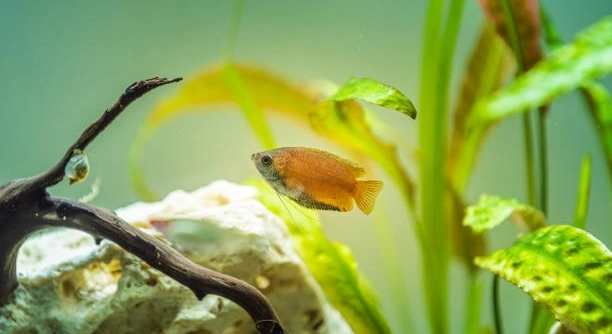
Do you ever notice your gourami suddenly darting to the water surface without warning? These quick bursts of movement can startle you, yet they are quite common in home aquariums. Understanding why it happens can help.
The sudden rushing of a gourami to the surface is often linked to low oxygen levels, stress, or water quality issues. Monitoring tank conditions and providing adequate oxygenation can prevent this behavior and support the fish’s overall health.
Observing these movements closely can reveal hidden issues in your tank setup and help you keep your gourami calm and healthy.
Common Reasons Gouramis Rush the Surface
Gouramis often swim quickly to the surface due to low oxygen levels, especially in tanks without proper aeration. Warm water holds less oxygen, so even a small increase in temperature can make your fish seek air. Stress is another key factor. Changes in tank conditions, sudden movements nearby, or aggressive tank mates can make gouramis feel unsafe. Poor water quality also plays a role. High levels of ammonia, nitrites, or nitrates can irritate the fish and trigger surface-breathing behavior. Observing their pattern can help identify the cause. Gouramis are labyrinth fish, meaning they can breathe atmospheric oxygen, which explains why they go to the surface quickly. Regular water testing and gentle handling reduce unnecessary stress. Providing floating plants can give them cover and comfort. Keeping the tank clean, stable, and well-oxygenated creates an environment where your gourami can feel safe and reduce sudden surface rushing.
Low oxygen, stress, and poor water conditions are the main factors driving sudden surface behavior in gouramis.
Proper feeding habits also affect this behavior. Overfeeding increases waste, raising ammonia and nitrate levels, which irritates your fish. Uneaten food decays, further reducing water quality. Consistent partial water changes and removing leftovers help maintain balance. Gouramis thrive in stable, slightly acidic to neutral water. Adding gentle water movement or an air stone can improve oxygenation, preventing surface rushing. Observing how your gourami behaves during feeding and rest periods reveals signs of discomfort. Even small adjustments, like keeping tank lights on a regular schedule, support their natural rhythm. Social interactions matter too; a lone gourami may behave differently than one with compatible tank mates. By managing water quality, oxygen levels, and stressors, you provide a healthier environment. Noticing subtle changes early allows intervention before the behavior becomes frequent or harmful. Over time, these steps create a calmer, more stable home for your gourami, encouraging normal, relaxed swimming habits.
Preventing Sudden Surface Behavior
Keeping oxygen levels steady is essential to minimize surface rushing.
Monitoring water conditions, maintaining stable temperatures, and limiting stress are key to preventing sudden surface behavior in gouramis. Routine water changes and gentle handling make a significant difference. Providing floating plants or cover reduces anxiety, and an air stone can improve oxygen circulation. Avoid overcrowding, overfeeding, and aggressive tank mates. Small adjustments in tank setup and consistent care prevent stress and poor water quality. Observing your fish daily helps identify early signs of discomfort. Gouramis respond quickly to environmental improvements. Ensuring a balanced diet and stable conditions reduces unnecessary surface breathing. Over time, these steps foster a calmer, healthier aquarium where your gourami moves confidently without sudden rushing. Regular testing of ammonia, nitrite, and nitrate levels ensures the tank remains safe. Even minor improvements, like controlling lighting and water flow, positively affect behavior. Creating a peaceful, oxygen-rich environment supports the natural habits of gouramis and keeps them comfortable. Consistency and attention to their needs are key to long-term wellbeing.
Signs of Stress in Gouramis
Gouramis may show stress by darting suddenly, hiding, or losing color. They can become less active or refuse food. Recognizing these signs early helps prevent more serious health issues and allows you to adjust their environment to make them feel safe and secure.
Stress in gouramis is often linked to changes in their environment. Sudden shifts in water temperature, improper pH, or new tank mates can make them anxious. Even small disturbances, like tapping on the glass or rearranging decorations, can trigger unusual behavior. Observing their movements and appetite provides clues about their wellbeing. Stress can weaken their immune system, making them more vulnerable to illness. Ensuring stable conditions and gentle handling is essential for keeping gouramis healthy.
Behavioral changes are also telling signs of stress. Constant surface rushing, frequent hiding, or unusual aggression may indicate discomfort. Gouramis rely on a calm environment with proper oxygen and clean water. Monitoring daily behavior and maintaining routine care helps reduce anxiety. Providing plants and hiding spots allows them to feel secure. Addressing stressors early prevents long-term health problems. A stable tank setup supports normal behavior, letting gouramis swim confidently and eat well. Understanding these cues ensures they remain comfortable and reduces sudden surface rushing incidents.
Tank Setup Tips for Calm Gouramis
A well-planned tank setup helps gouramis stay calm and reduces sudden surface rushing. Proper filtration, gentle water flow, and floating plants provide comfort and oxygenation, creating a peaceful environment.
Choose a tank with adequate space for each gourami to swim freely. Avoid overcrowding, as too many fish increase stress and competition for food and oxygen. Floating plants give them a sense of security while helping maintain water quality. Use a gentle filter to prevent strong currents, as gouramis prefer calmer waters. Maintaining a consistent temperature and pH level reduces environmental stress, while regular partial water changes remove waste. Proper lighting schedules also help them feel safe and maintain natural rhythms. Small adjustments in tank decorations, like creating hiding spots, allow gouramis to retreat when anxious. A stable, comfortable environment encourages healthy swimming patterns and reduces surface rushing behavior, supporting overall wellbeing.
Water Quality Essentials
Maintaining clean water is crucial for gouramis to stay healthy and calm. Regular testing of ammonia, nitrite, and nitrate levels helps prevent sudden surface rushing caused by poor water conditions. Consistent partial water changes support stable water quality.
Using a reliable filter and removing uneaten food reduces toxins. Water should be conditioned to remove chlorine and chloramines, which can stress fish. Monitoring temperature and pH ensures a stable environment. Clean gravel and decorations prevent buildup of harmful substances, making the tank safer for gouramis. Stable, well-maintained water reduces stress and supports normal behavior, keeping your fish comfortable.
Oxygenation and Surface Breathing
Gouramis naturally breathe at the surface with their labyrinth organ, but low oxygen increases frequency. Adequate aeration through air stones or gentle filtration helps maintain oxygen levels. Floating plants can improve gas exchange at the surface. Regular monitoring prevents oxygen stress.
Feeding and Behavior
Overfeeding can worsen water quality and trigger stress-related surface rushing. Feeding small, controlled portions ensures proper nutrition and prevents excess waste. Observing how gouramis eat provides insight into their health and comfort.
Monitoring for Illness
Sudden surface rushing may indicate underlying illness. Watch for unusual spots, fin damage, or lethargy. Early detection allows timely treatment and reduces health risks for your gourami.
FAQ
Why does my gourami rush the surface suddenly?
This behavior is usually linked to low oxygen levels, stress, or poor water conditions. Gouramis have a labyrinth organ, which allows them to breathe air directly from the surface. If water quality drops or oxygen levels fall, they instinctively swim upward to breathe more frequently. Stress from sudden changes or aggressive tank mates can also trigger this behavior.
How can I improve oxygen levels in my tank?
Adding a gentle air stone or adjusting your filter to create slight water movement helps oxygenate the water. Floating plants can aid gas exchange at the surface, and keeping the tank at a stable, appropriate temperature prevents oxygen depletion. Regular water changes maintain oxygen levels indirectly by removing waste.
Can stress alone cause this surface rushing?
Yes. Gouramis are sensitive to changes in their environment. Sudden rearrangements, tapping on the glass, loud noises, or new tank mates can make them anxious. Stress weakens their immune system and can lead to frequent surface breathing as they try to compensate for discomfort or perceived danger.
Does water temperature affect this behavior?
Absolutely. Warmer water holds less oxygen, so even small increases can make your gourami seek air more often. Keeping a stable temperature that matches their natural preference, usually between 24°C to 28°C (75°F to 82°F), reduces oxygen stress and keeps them calmer.
How do I know if poor water quality is the issue?
Test the water regularly for ammonia, nitrites, and nitrates. High levels of these compounds irritate your fish and trigger surface breathing. Cloudy water, unusual odors, or a sudden change in behavior can also indicate a water quality problem. Addressing these issues with partial water changes and proper filtration is key.
Do tank size and overcrowding matter?
Yes. Overcrowded tanks increase competition for oxygen and space, leading to stress and frequent surface rushing. Each gourami needs enough room to swim freely. Ensuring proper stocking levels and providing hiding spaces helps reduce stress and keeps behavior normal.
Can diet influence this behavior?
Indirectly. Overfeeding produces excess waste, increasing ammonia and nitrate levels, which worsen water quality. Feeding small, balanced portions maintains cleanliness and supports health. Observing eating habits also gives insight into stress or illness that may cause surface rushing.
Is this behavior dangerous for my gourami?
Occasional surface rushing is normal due to their labyrinth organ, but frequent or frantic movements indicate stress or environmental issues. Ignoring these signs can lead to long-term health problems, including weakened immunity or susceptibility to illness. Monitoring and adjusting tank conditions prevent these risks.
What can I do immediately if I notice sudden surface rushing?
Check water parameters first and ensure oxygenation. Reduce stressors like bright lights, sudden movements, or aggressive tank mates. Perform partial water changes if needed. Adding floating plants or rearranging hiding spots can help your gourami feel secure quickly.
How can I prevent this behavior in the future?
Maintain clean, stable water with proper oxygenation and filtration. Avoid sudden changes in temperature or tank setup. Keep compatible tank mates, provide hiding spaces, and feed controlled portions. Consistent observation and routine care reduce stress and environmental triggers, keeping your gourami calm and healthy.
Can illness be a reason for surface rushing?
Yes. Parasites, bacterial infections, or fin damage can make your gourami uncomfortable, prompting it to rush the surface. Watch for other signs like lethargy, loss of appetite, discoloration, or unusual spots. Early detection and treatment are essential for recovery.
Are labyrinth organs the only reason they go to the surface?
No. While the labyrinth organ allows them to breathe air, frequent surface rushing often points to environmental or health issues. Observing patterns and checking tank conditions ensures the behavior is normal rather than a symptom of stress or poor water quality.
Does tank lighting affect this behavior?
Yes, indirectly. Abrupt changes in lighting or keeping lights on for too long can stress gouramis. Consistent lighting schedules with gradual transitions reduce anxiety and surface rushing, helping them feel secure in their environment.
How often should I monitor water parameters?
Weekly testing is recommended for ammonia, nitrites, nitrates, and pH. More frequent checks may be necessary after water changes, temperature fluctuations, or introducing new fish. Early detection of imbalances prevents stress and reduces surface-breathing behavior.
Will adding plants help prevent surface rushing?
Yes. Floating and rooted plants provide oxygen, cover, and a sense of security. Gouramis feel safer with plants, reducing stress-induced surface rushing. They also help maintain water quality by absorbing some waste compounds and creating a more natural environment.
How long does it take for my gourami to calm down after stress?
It varies depending on the cause. Small environmental adjustments may calm them within hours, while more serious water quality or illness issues can take days or weeks to resolve. Patience and consistent care are key to restoring normal behavior.
Can multiple stress factors combine to increase surface rushing?
Absolutely. Poor water quality, aggressive tank mates, overfeeding, and sudden environmental changes can all add up. Each factor increases stress, leading to more frequent surface behavior. Addressing all potential stressors simultaneously gives the best results.
Is it normal for young gouramis to rush the surface more often?
Young gouramis tend to be more active and may surface more frequently as they explore and learn their environment. However, excessive surface rushing still warrants checking water quality and oxygen levels to ensure no underlying issues.
Can adjusting the tank’s flow help?
Yes. Gouramis prefer gentle water currents. Strong currents from filters or pumps can stress them, prompting surface rushing. Adjusting flow to a calmer level helps maintain comfort, especially in tanks with floating plants or delicate decorations.
Should I isolate a stressed gourami?
Isolation can help if aggression from tank mates is causing stress. A separate, calm environment with proper water conditions allows recovery. However, ensure the isolation tank meets oxygen and temperature requirements to prevent additional stress.
How often should I perform partial water changes?
Typically, 20-30% weekly is sufficient, but heavily stocked tanks may need more frequent changes. Regular water changes remove waste, reduce toxins, and maintain oxygen levels, which all help minimize surface rushing and support overall health.
What signs indicate recovery from surface rushing behavior?
Calmer swimming, normal feeding habits, and fewer sudden surface bursts show improvement. Gouramis regain vibrant coloration and explore their environment comfortably. Continued observation ensures conditions remain optimal and prevents relapse.
Are there any behavioral adjustments I can make as an owner?
Yes. Handle gouramis gently, maintain a stable schedule, avoid tapping on the glass, and introduce new tank mates gradually. Observing their reactions and adjusting care routines based on behavior encourages a calm, healthy fish.
Can temperature swings be more harmful than high temperatures alone?
Yes. Rapid changes in water temperature are stressful and can trigger surface rushing more than consistently high temperatures. Keeping the tank stable and gradual adjustments during maintenance prevents unnecessary stress.
Do gouramis ever rush the surface for reasons unrelated to stress or water quality?
Occasionally, they surface to breathe due to natural activity or curiosity. However, frequent rushing usually signals environmental issues or stress. Regular monitoring and care help distinguish normal behavior from warning signs.
Is it necessary to test water after adding new fish?
Yes. New fish can introduce waste and stress your gouramis, affecting water quality. Testing parameters ensures ammonia, nitrites, and nitrates remain safe and prevents sudden surface rushing caused by environmental shifts.
How do I balance oxygen levels without over-aerating?
Use gentle air stones or adjust filter output for moderate water movement. Too much aeration can disturb gouramis. Floating plants and routine water changes support oxygen balance naturally, maintaining a comfortable environment.
Can diet supplements help reduce stress?
Providing high-quality food with balanced nutrients supports the immune system and overall health. While it doesn’t directly stop surface rushing, a well-nourished fish handles stress better and recovers faster from environmental challenges.
Are certain gourami species more prone to surface rushing?
Yes. Some labyrinth fish, like dwarf gouramis, are more sensitive to low oxygen and stress. Recognizing species-specific needs helps prevent surface rushing and maintains a healthy, comfortable environment.
How do I know when to seek veterinary help?
If sudden surface rushing continues despite proper water conditions, oxygenation, and stress reduction, or if it’s accompanied by lethargy, spots, or unusual behavior, professional advice is needed. Early intervention prevents worsening health problems.
Does water hardness influence this behavior?
Yes. Extreme hardness or softness can stress gouramis. Maintaining moderate hardness according to species preference helps prevent anxiety and reduces the need to rush the surface. Regular testing ensures safe conditions.
Can adding a bubbler alone solve frequent surface rushing?
A bubbler improves oxygen but may not address other factors like water quality or stress. Combine it with stable water conditions, proper tank setup, and careful handling for best results.
Is occasional surface rushing always alarming?
No. Short, infrequent bursts are normal for labyrinth fish. Persistent or frantic movements are a signal to check oxygen levels, water quality, and stressors in the tank.
How long should I observe behavior before making changes?
Monitor daily for at least a week to identify patterns. Sudden environmental or water quality issues usually show effects quickly. Consistent observation helps target the root cause effectively.
Can tank decorations influence surface rushing?
Yes. Lack of hiding spots or abrupt rearrangements can stress gouramis. Providing stable, secure decorations gives them areas to retreat, reducing anxiety and sudden surface bursts.
Do gouramis behave differently at night?
They are less active but may still surface occasionally. If surface rushing increases at night, check oxygen levels and lighting. Calm nighttime conditions support healthy behavior.
Is frequent surface rushing reversible?
Yes, with proper care. Addressing stress, maintaining water quality, and providing a stable environment gradually restores normal swimming patterns and reduces the need to rush the surface.
How does water pH affect behavior?
Sudden changes or extreme pH levels stress gouramis. Keeping pH stable, typically around 6.5–7.5, prevents anxiety and reduces surface rushing, supporting a calm, healthy aquarium environment.
Can tank mates trigger this behavior?
Aggressive or overly active tank mates can stress gouramis, prompting them to rush the surface for air or escape. Careful selection and monitoring of tank companions help maintain a peaceful environment.
Are young gouramis more prone to stress-related rushing?
Yes. Younger fish are still adapting to their environment and may react more strongly to changes in oxygen, water quality, or tank setup. Extra attention during this period supports calm behavior.
Does water circulation affect labyrinth organ use?
Strong currents can make breathing at the surface more difficult or stressful. Gentle circulation allows gouramis to use their labyrinth organ comfortably without triggering frantic surface movements.
Is sudden surface rushing linked to breeding behavior?
Occasionally. Male gouramis may surface more during bubble nest building, but this is controlled and less frantic than stress-induced rushing. Observing patterns helps distinguish breeding activity from environmental stress.
How important is regular observation?
Daily checks for behavior, water quality, and tank conditions prevent issues before they escalate. Regular attention allows quick adjustments, reducing stress and keeping your gourami comfortable and healthy.
Can changes in lighting intensity cause surface rushing?
Yes. Sudden bright lights can startle gouramis. Gradual lighting transitions and consistent schedules minimize stress and reduce the frequency of surface bursts.
What is the best way to combine all preventive measures?
Maintain stable water conditions, proper oxygenation, balanced feeding, gentle handling, compatible tank mates, hiding spots, and consistent observation. Together, these steps significantly reduce stress and sudden surface rushing behavior, supporting long-term health and comfort.
Gouramis are fascinating fish that bring calm beauty to an aquarium, but their sudden surface rushing can be alarming. This behavior is often a natural response to low oxygen, stress, or poor water conditions. Understanding the reasons behind it helps ensure that your fish remain healthy and comfortable. Regular observation and careful attention to their environment make a big difference. By noticing patterns in their movements, you can identify early signs of stress or water issues before they become serious problems. Gouramis are sensitive to small changes in temperature, water chemistry, and tank setup, so maintaining stability is essential for their wellbeing.
Maintaining proper tank conditions is the foundation for preventing sudden surface rushing. Consistent water testing for ammonia, nitrites, nitrates, and pH levels allows you to catch issues early. Partial water changes, a gentle filtration system, and adequate aeration keep the water clean and oxygen-rich. Floating plants and stable decorations provide security and cover, which reduce stress. Controlling temperature, lighting, and water flow ensures a calm environment. Even small adjustments, like feeding in smaller portions or limiting loud disturbances near the tank, have a noticeable effect on your gourami’s behavior. By combining these practical steps, you create a more comfortable space where your fish can swim confidently and naturally.
Behavioral observation is just as important as water management. Noticing when your gourami rushes the surface, changes color, or hides more than usual gives valuable insight into its health. Sometimes, surface rushing is linked to minor stress, but it can also signal illness if accompanied by lethargy, spots, or fin damage. Early intervention, whether through environmental adjustments or consulting a professional, prevents long-term problems. Understanding your gourami’s normal behavior and providing a stable, safe habitat supports its overall wellbeing. Consistency, patience, and attention to both water quality and behavioral cues are key to keeping your gourami healthy, reducing stress, and minimizing sudden surface rushing.

Hello,
If you enjoy the content that we create, please consider saying a "Thank You!" by leaving a tip.
Every little bit helps us continue crafting quality advice that supports the health, happiness, and well-being of pets around the world, for pets of all shapes, sizes, and species.
We really appreciate the kindness and support that you show us!