
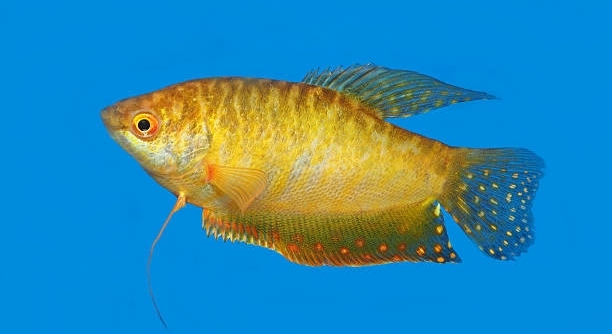
Gouramis are peaceful and colorful fish that many hobbyists enjoy keeping. Watching them interact can be rewarding, especially when they start showing unique behaviors that hint at breeding readiness. Observing these changes is fascinating for any fish keeper.
Gouramis display several physical and behavioral indicators when ready to breed. Males often develop brighter colors and build bubble nests, while females show a fuller body shape. Increased activity, chasing, and pairing behaviors are key signs of reproductive readiness.
Recognizing these cues early helps create the right environment for successful breeding. Learning the subtle changes in behavior and appearance is essential for nurturing healthy fry.
Increased Activity and Chasing
When a gourami is ready to breed, its behavior changes noticeably. Males often swim more actively around the tank, patrolling their territory and inspecting corners for a suitable nesting area. You may notice the male following the female persistently, nudging her gently, and circling her repeatedly. This chasing is not aggressive but part of their courtship routine. Females may also become more responsive, swimming alongside the male or hiding temporarily to test his attention. The overall energy in the tank increases, and their interactions become more frequent and intense. Observing these movements can be exciting because it clearly signals that the fish are preparing to reproduce. Making sure the tank environment is calm and free of disturbances during this period is important. Providing hiding spots and maintaining proper water conditions supports the fish’s natural behavior, helping them feel safe and ready to breed successfully.
This heightened activity is a strong sign of breeding readiness. Males and females become more engaged and visible in their movements.
The chasing behavior is part of the mating ritual, not aggression. Males are signaling their interest, while females respond by moving strategically. Monitoring these interactions allows you to anticipate when a bubble nest may appear. The intensity of activity often increases as the breeding moment approaches, making it easier to prepare the tank.
Bubble Nest Building
Male gouramis begin constructing bubble nests at the water surface, using saliva and plant material to form a floating structure. These nests can vary in size but usually remain circular and compact. The presence of a bubble nest is one of the clearest indicators that the male is ready to breed and that the female may soon lay eggs.
A well-built nest indicates the male’s health and readiness, providing a safe place for fertilized eggs.
The male carefully arranges bubbles and reinforces the nest, often repairing it if it collapses. He may display protective behaviors, warding off other tank mates and ensuring the nest remains undisturbed. Bubble nest building can start small and grow larger as the male becomes more invested. The nest’s stability is crucial for egg survival, as it keeps them close to the surface with access to oxygen. Observing this process allows you to gauge when to introduce the female for mating and ensures you can monitor the eggs effectively. Maintaining clean water and minimal disturbances during this period improves the likelihood of successful fertilization and hatching.
Brightened Colors
Gouramis often display more vivid colors when ready to breed. Males show intense hues on their fins and body, while females’ colors may deepen slightly, signaling reproductive readiness and attracting attention from potential mates.
The brightening of colors in gouramis is a reliable sign that breeding is near. Male gouramis intensify their colors to demonstrate health and dominance, which helps in attracting females. This color change is often accompanied by other behaviors, such as chasing or nest building. Females also develop subtle color shifts, usually around the belly and fins, indicating that they are ready to lay eggs. Observing these color changes closely can help you identify the optimal time for mating, ensuring the pairing occurs under favorable conditions. Consistent water quality and a stress-free environment support these visual cues and the overall breeding process.
Color changes are gradual but noticeable over several days. Paying attention to these shifts allows better timing for introducing mates and managing the tank for breeding.
Rounded Belly in Females
A female gourami develops a noticeably rounded belly when she is ready to breed. This indicates eggs are maturing inside her and she is prepared for fertilization. Monitoring the belly size helps predict the best time for breeding.
The rounded belly in females is a key physical indicator of reproductive readiness. As the eggs develop, the abdomen swells and becomes more prominent, signaling that the female is close to laying. This change is gradual and can be observed over several days. Combining this observation with other signs, such as increased interaction with males and activity near bubble nests, provides a clear picture of breeding readiness. Maintaining optimal water conditions and offering nutritious food ensures the female remains healthy during this critical phase. A healthy, well-fed female is more likely to produce viable eggs, increasing the chances of successful fertilization and fry survival.
Tracking the belly’s size alongside behavioral cues allows careful planning for breeding. Ensuring proper tank setup during this period maximizes reproductive success.
Increased Appetite
Gouramis often eat more when preparing to breed. They require extra energy to support mating behaviors, nest building, and egg production, so feeding them well helps maintain their health.
Providing a varied diet rich in protein encourages reproductive readiness. Live or frozen foods like brine shrimp or bloodworms are especially beneficial during this period. Increased feeding not only supports energy needs but also promotes healthy egg development in females and enhances the male’s stamina for nest maintenance. Observing a sudden boost in appetite is a practical cue that the fish are entering a breeding phase. Adjusting feeding routines carefully ensures they remain healthy without overfeeding, which could affect water quality.
Chasing and Pairing
Males often chase females repeatedly to initiate courtship. This behavior strengthens bonds and encourages the female to enter the bubble nest for spawning. The pair may swim together around the tank.
Flared Fins
Males display flared fins when they are ready to breed. This makes them appear larger and more attractive, signaling dominance and readiness for mating.
Nest Guarding
Once the bubble nest is built, males stay close and protect it aggressively. Guarding ensures the eggs remain safe until hatching, showing their commitment to the breeding process.
How can I tell when my gourami is ready to breed?
A gourami’s readiness to breed is shown through clear behavioral and physical changes. Males brighten their colors, flare their fins, build bubble nests, and chase females. Females develop a rounded belly as eggs mature. Monitoring these signs together gives the most reliable indication of breeding readiness.
What kind of tank setup is best for breeding gouramis?
Breeding gouramis need a calm, clean tank with stable water conditions. Floating plants and gentle filtration help create a safe environment. The water temperature should be slightly warmer than usual, around 78–82°F, to encourage spawning. Adding hiding spots supports the female during courtship, reducing stress and improving breeding success.
How often should I feed my gouramis during breeding preparation?
During breeding preparation, gouramis require more energy than usual. Feeding them two to three times a day with protein-rich foods like brine shrimp, bloodworms, or high-quality pellets supports egg development and nest building. Avoid overfeeding, as excess food can harm water quality, which is crucial for breeding success.
Do male and female gouramis always breed successfully?
Not all pairs breed successfully. Compatibility, age, health, and tank conditions play significant roles. Males must be dominant and healthy to maintain nests, while females need to be well-fed and stress-free. Sometimes introducing several females increases chances of spawning, but observation and patience are key.
How long does it take for eggs to hatch?
After fertilization, gourami eggs typically hatch in 24–36 hours, depending on water temperature and quality. The male often tends the eggs in the bubble nest during this time, keeping them together and protecting them from potential threats. Ensuring stable conditions is vital for successful hatching.
What should I do after the eggs hatch?
Once eggs hatch, fry should be separated from adult gouramis if possible, as adults may eat them. Provide tiny foods like infusoria or newly hatched brine shrimp. Maintaining clean water and gentle filtration is essential, as fry are delicate and highly sensitive to environmental changes during the first days.
Can I breed gouramis with other fish in the same tank?
It’s not recommended to breed gouramis with other fish present. The male may become aggressive in protecting the nest, and other fish may eat eggs or fry. A dedicated breeding tank ensures safety and reduces stress, improving the likelihood of successful spawning.
How often can gouramis breed?
Healthy gouramis can breed multiple times per year if conditions are ideal. However, frequent breeding without recovery time may stress the female and reduce egg quality. Allowing rest periods and maintaining high water quality helps sustain reproductive health over time.
How do I know if the fry are healthy?
Healthy fry are active and swim near the water surface, often clustering around plants or hiding spots. They should respond to food and grow steadily. Poor water quality, insufficient food, or overcrowding can stunt growth or cause high mortality, so observation and careful care are necessary.
What common mistakes should I avoid when breeding gouramis?
Avoid overcrowding, poor water quality, and inconsistent temperatures, as these stress the fish and reduce breeding success. Overfeeding or underfeeding can affect health and egg development. Disturbing the tank during courtship or after spawning may cause adults to abandon nests. Careful preparation and patience yield the best results.
This FAQ provides practical guidance on identifying breeding readiness, preparing tanks, feeding, and caring for eggs and fry. Observing behavior, maintaining optimal conditions, and responding appropriately to the fish’s needs ensures healthier breeding outcomes. Monitoring each step closely improves the chances of successful spawning and the survival of fry, helping you manage gourami reproduction effectively and responsibly.
Breeding gouramis can be a rewarding experience, but it requires careful observation and preparation. Paying attention to subtle signs like color changes, chasing behavior, rounded bellies in females, and bubble nest building allows you to identify when your fish are ready to reproduce. These indicators are reliable if observed over several days, and they give you the opportunity to prepare the tank properly. A clean and calm environment with gentle filtration, floating plants, and hiding spots will make the gouramis feel secure. Ensuring water temperature and quality remain stable is equally important, as sudden changes can stress the fish and delay or prevent spawning.
Providing a nutritious diet is another key factor in successful breeding. Males and females both benefit from protein-rich foods that support energy levels and reproductive health. Foods such as brine shrimp, bloodworms, and high-quality pellets are particularly effective during this period. Feeding small amounts several times a day can help maintain their vitality without affecting water quality. Observing feeding habits can also give insight into your gouramis’ readiness to breed, as increased appetite often signals preparation for reproductive activity. Balancing diet and water conditions ensures that the fish remain healthy throughout courtship, egg-laying, and fry development.
After eggs are laid, careful monitoring and attention to the fry’s needs become crucial. Male gouramis typically guard the bubble nest, but fry should be separated once they are free-swimming to prevent accidental harm. Providing tiny, nutrient-rich foods and maintaining clean water will support their growth. Avoiding overcrowding and disturbances in the tank during this stage will improve survival rates. Breeding gouramis requires patience, as not all attempts will be immediately successful. Watching their behavior, responding to their needs, and maintaining optimal conditions can increase the likelihood of a successful hatch. By following these practices, you can help your gouramis thrive and produce healthy offspring, creating a satisfying and manageable breeding experience.

Hello,
If you enjoy the content that we create, please consider saying a "Thank You!" by leaving a tip.
Every little bit helps us continue crafting quality advice that supports the health, happiness, and well-being of pets around the world, for pets of all shapes, sizes, and species.
We really appreciate the kindness and support that you show us!