
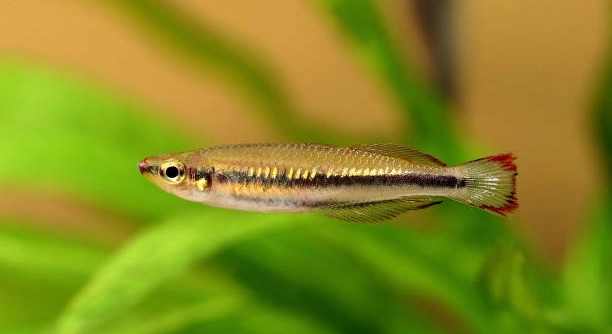
Rainbowfish are vibrant freshwater fish admired for their shimmering colors and active behavior. Many aquarium enthusiasts enjoy keeping them for their lively presence. Understanding their natural habitat is key to providing a suitable environment that supports their well-being.
Rainbowfish generally prefer moderate water flow rather than fast-flowing currents. While they are adaptable, excessively strong water movement can stress them, hinder swimming, and disrupt feeding behavior. Maintaining a gentle to moderate current closely mimics their natural habitat, promoting optimal health.
Knowing the right water flow is essential for their comfort and longevity. Small adjustments can make a significant difference in creating a balanced aquarium environment.
Natural Habitat of Rainbowfish
Rainbowfish are native to calm rivers, lakes, and slow-moving streams across Australia, New Guinea, and nearby islands. Their natural environment typically features gentle currents, dense vegetation, and clear water. These conditions allow them to swim with ease, find food efficiently, and maintain social structures within schools. Fast currents are uncommon in their habitats, so they have not evolved strong adaptations for heavy water flow. Aquatic plants and submerged structures provide shelter and resting spots, helping them feel secure. Water temperature in these habitats is usually warm and stable, which supports their metabolism and activity levels. Light and water clarity also play roles in their behavior and coloration. Observing rainbowfish in aquariums that replicate these conditions shows they thrive when water movement is balanced. Providing too strong a flow can cause fatigue, reduce their appetite, and impact their colors. Mimicking their natural environment helps maintain their physical and mental health.
Replicating slow-flowing water ensures rainbowfish remain active and healthy. Strong currents can disrupt their comfort and feeding habits.
Keeping their environment calm and structured allows rainbowfish to display natural swimming patterns. It also reduces stress, prevents injuries, and encourages social interaction within schools. Careful attention to tank setup can support their long-term well-being and vibrant colors.
Effects of Fast-Flowing Water
Fast-flowing water can overwhelm rainbowfish. Strong currents may tire them quickly, preventing normal activity and rest.
Excessive water movement affects rainbowfish physically and mentally. They may struggle to maintain position, swim with more effort, and expend energy unnecessarily. Prolonged exposure to high flow can stress their fins, disrupt schooling behavior, and increase susceptibility to disease. When feeding, rainbowfish in strong currents may fail to catch food, leading to malnutrition over time. Tank plants and decorations can become less effective in high flow, offering limited shelter or resting areas. Adjusting water pumps and filters to create gentle, consistent flow allows rainbowfish to swim naturally, feed efficiently, and interact socially. Observing their behavior can guide flow adjustments, ensuring they remain comfortable. Small changes, such as redirecting currents or adding hiding spots, can significantly improve their aquarium experience. Maintaining a moderate flow mirrors their natural habitat, supporting both health and vivid coloration. Consistency in water movement promotes long-term stability for rainbowfish, creating a balanced and stress-free environment.
Adjusting Aquarium Flow
Controlling water flow starts with choosing the right filter and pump. Positioning and flow direction are essential to avoid strong currents. Adding plants or decorations can naturally slow down movement, creating calm areas for rainbowfish.
Using sponge filters or adjustable flow pumps provides gentle movement suitable for rainbowfish. Placing taller plants or driftwood near the current’s path can redirect water, forming quiet zones. Observing their swimming patterns helps determine if adjustments are needed. Flow that is too strong can tire them quickly, while too little may reduce oxygen levels. Combining equipment choices and strategic decoration placement ensures a stable environment, encouraging healthy activity and feeding habits. Maintaining moderate flow replicates natural conditions, supporting both behavior and coloration. Regular observation and small adjustments keep the aquarium comfortable and stress-free.
Flow adjustments also prevent damage to fins and scales. Gentle currents allow rainbowfish to swim naturally, feed efficiently, and interact socially within their schools. Proper management reduces stress while enhancing the overall aesthetic of the tank.
Signs of Stress from Fast Currents
Rainbowfish may show signs like clamped fins, hiding, or erratic swimming when currents are too strong. These behaviors indicate discomfort.
Stress affects their health, causing reduced appetite, weakened immunity, and dull coloration. Over time, persistent high flow can lead to chronic fatigue and slower growth. They may avoid open areas, sticking to tank corners or behind decorations. Observing changes in behavior helps identify problem areas and determine if flow adjustments are necessary. By modifying filter output or adding plants to break the current, their environment becomes more suitable. Consistently monitoring activity ensures rainbowfish remain active, healthy, and comfortable in their tank.
Maintaining calm zones also supports schooling behavior. Strong currents disrupt group cohesion and social interactions. Properly balanced water movement allows rainbowfish to swim together, feed evenly, and display natural behavior patterns. Adjustments contribute to long-term well-being and overall tank harmony.
Choosing the Right Tank Setup
A long, shallow tank helps manage water flow more easily than a tall, narrow one. Adding plants, rocks, and driftwood creates natural barriers, slowing currents and offering resting areas.
Placement of the filter outlet is crucial. Directing water toward the tank wall or plants reduces force, providing calm zones for rainbowfish.
Optimal Flow Equipment
Sponge filters, adjustable powerheads, and canister filters with flow control are ideal. They allow you to set gentle currents that mimic natural habitats. Properly selected equipment balances water circulation, oxygenation, and filtration without stressing the fish, creating a stable, comfortable environment for rainbowfish to thrive.
Observation and Adjustment
Regularly watching rainbowfish helps detect stress early. Adjusting flow gradually ensures they remain active, healthy, and comfortable in their tank.
FAQ
Do rainbowfish survive in fast-flowing water?
Rainbowfish can survive in stronger currents for short periods, but sustained fast-flowing water causes stress. Their bodies are adapted for moderate currents, so prolonged exposure can tire them, reduce feeding efficiency, and make them more prone to illness. Maintaining gentle to moderate flow is best for their long-term health.
How can I tell if water flow is too strong?
Signs of strong currents include clamped fins, hiding behind plants, erratic swimming, or constantly fighting the flow. If rainbowfish stick to corners, refuse to eat, or show dull colors, it’s a clear indication that adjustments are needed. Observing their behavior daily helps maintain a comfortable environment.
What equipment is best for controlling flow?
Sponge filters, adjustable powerheads, and canister filters with flow control are the most reliable. They provide adequate circulation without overwhelming rainbowfish. Using flow baffles or redirecting output toward plants or tank walls also helps create calmer areas, allowing fish to rest and swim naturally.
Can decorations affect water flow?
Yes, plants, driftwood, and rocks act as natural barriers that slow down water currents. Strategically placing these objects in the tank creates calm zones, mimicking natural habitats. Dense planting also provides shelter and reduces stress, helping rainbowfish feel secure and encouraging natural behavior.
Do rainbowfish prefer still or moving water?
Rainbowfish prefer moderate movement. Still water may reduce oxygen levels, while strong currents create stress and fatigue. Gentle currents promote healthy swimming patterns, efficient feeding, and social interaction within schools. Balancing flow is essential to replicate conditions found in their native rivers and lakes.
How often should flow be adjusted?
Adjustments should be gradual and only as needed. Observing fish behavior helps determine whether the flow is appropriate. Frequent, drastic changes can stress rainbowfish. Making small, incremental adjustments ensures they remain comfortable, active, and healthy without disrupting tank stability.
Can fast currents damage rainbowfish fins?
Yes, excessive water movement can tear delicate fins or cause injuries from collisions with decorations. Repeated exposure to strong currents may also weaken scales and make fish more vulnerable to disease. Maintaining gentle currents protects their physical health and appearance.
Is it necessary to mimic natural habitat flow?
Yes, replicating the gentle, moderate flow of their native rivers and lakes supports rainbowfish health and behavior. It encourages swimming, feeding, and schooling while reducing stress. Mimicking natural conditions also enhances their colors, making them more vibrant and visually striking in the aquarium.
What role does plant density play in water flow?
Plant density helps control current by creating barriers that slow water movement. Dense planting offers resting areas and hiding spots, allowing rainbowfish to avoid fatigue and stress. It also enhances the tank’s aesthetic, creating a natural environment that promotes well-being and natural behaviors.
Can I keep rainbowfish with other species in the same tank?
Yes, as long as other species tolerate similar water flow. Fast-swimming or aggressive fish may create strong currents or chase rainbowfish, causing stress. Choosing compatible species and balancing water movement ensures a harmonious tank where all inhabitants thrive.
How does temperature affect flow tolerance?
Warmer water increases activity and metabolism, meaning rainbowfish may tire faster in strong currents. Cooler, stable temperatures reduce stress but still require moderate flow. Maintaining appropriate temperature alongside controlled flow supports health, feeding, and natural swimming patterns.
What is the best way to monitor flow impact?
Observe swimming patterns, feeding behavior, and interactions within the school. Look for signs of stress like clamped fins, hiding, or lethargy. Adjusting pumps, filters, or decorations gradually ensures the tank remains comfortable. Regular monitoring allows quick corrections before issues develop.
Can fast flow affect breeding?
Yes, strong currents can disrupt courtship and egg-laying behavior. Rainbowfish prefer calm areas for spawning and protecting eggs. Moderate flow ensures safe zones for breeding, supporting successful reproduction without unnecessary stress or energy expenditure.
Are there signs of long-term stress from high flow?
Long-term stress can manifest as dull colors, stunted growth, frequent hiding, and reduced social behavior. Chronic fatigue from excessive currents weakens the immune system, increasing susceptibility to disease. Early detection and flow adjustment are essential for maintaining a healthy, vibrant aquarium.
What is the ideal flow for a community tank with rainbowfish?
The ideal flow is gentle to moderate, evenly distributed, and does not create strong currents in open swimming areas. Strategic use of plants and decorations can help create calm zones, allowing rainbowfish and other species to coexist comfortably while maintaining proper oxygenation and filtration.
Rainbowfish are colorful and active fish that thrive in well-balanced aquarium environments. One of the most important aspects of their care is managing water flow. While they are adaptable, they are naturally suited to moderate currents rather than fast-flowing water. Excessive currents can cause stress, make swimming difficult, and reduce their ability to feed effectively. By providing gentle water movement, rainbowfish can maintain normal activity, display natural behaviors, and interact comfortably within their schools. Observing their behavior is essential, as it helps identify when adjustments to flow are necessary. Simple modifications to equipment or tank layout can make a significant difference in creating a stress-free environment.
Tank setup plays a major role in controlling water flow and ensuring rainbowfish remain healthy. Long, shallow tanks are easier to manage than tall, narrow tanks when it comes to current. The placement of filters, pumps, and decorations can redirect water and create calm zones. Plants, rocks, and driftwood not only slow water but also provide resting and hiding spots, reducing stress and allowing rainbowfish to feel secure. Using sponge filters or adjustable pumps helps maintain consistent flow without overwhelming the fish. Regular monitoring and small adjustments can prevent fatigue, injury, and long-term health issues while promoting natural swimming patterns.
Attention to water flow also impacts rainbowfish behavior, coloration, and overall well-being. Fast currents can weaken fins, dull colors, and disrupt schooling or feeding patterns. On the other hand, a well-managed moderate flow encourages activity, social interaction, and efficient feeding. Maintaining calm zones within the tank ensures that rainbowfish have areas to rest and recover, while open areas allow free swimming. Combining proper equipment, careful tank setup, and observation allows rainbowfish to thrive while mimicking their natural habitat. With consistent care and thoughtful adjustments, rainbowfish can live healthy, active lives, displaying their full vibrancy in a comfortable and balanced aquarium environment.

Hello,
If you enjoy the content that we create, please consider saying a "Thank You!" by leaving a tip.
Every little bit helps us continue crafting quality advice that supports the health, happiness, and well-being of pets around the world, for pets of all shapes, sizes, and species.
We really appreciate the kindness and support that you show us!