
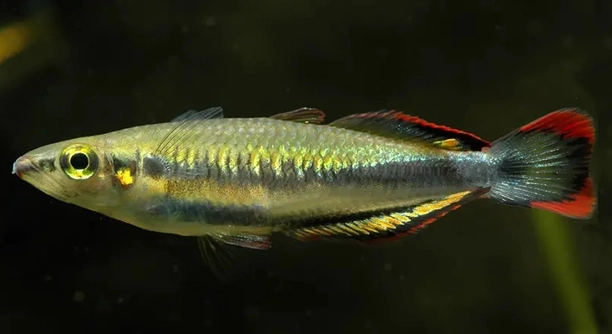
Rainbowfish are lively and colorful, often bringing energy to any aquarium. They move gracefully and explore their surroundings, sometimes circling decorations in a way that catches attention and makes their tank feel more dynamic.
Rainbowfish circle decorations mainly as a way to explore territory and establish familiarity. This behavior also allows them to interact with their environment safely, assess potential hiding spots, and engage in natural swimming patterns that support their physical and mental well-being.
Observing this behavior can reveal more about your fish’s personality and comfort within the tank environment. It also helps you understand how decorations influence their daily activities.
Understanding Rainbowfish Behavior
Rainbowfish are naturally active and curious, which makes them prone to exploring every corner of their tank. Circling decorations is a way for them to interact with their environment while staying alert to changes. This behavior helps them develop spatial awareness and keeps them mentally stimulated. They may focus on certain objects repeatedly, often returning to favored spots, which provides comfort and a sense of security. Observing this pattern can give insight into their preferences, revealing which decorations they enjoy most. Variations in swimming speed or intensity can indicate mood or energy levels. Tank layout also plays a role; more complex arrangements encourage natural exploration, while bare tanks may reduce movement and engagement. By noticing these habits, you can create a more enriching environment. Decorations that mimic natural habitats, like plants or rocks, not only make the tank visually appealing but also enhance rainbowfish health and behavior.
This behavior is mostly a sign of healthy curiosity and normal activity, showing they feel secure and interested.
Paying attention to how your rainbowfish interact with decorations can help you improve tank setup. Observing their favorite spots and movement patterns ensures they stay comfortable, happy, and engaged, while promoting overall well-being.
How Tank Setup Influences Swimming
Tank size, decoration type, and placement directly affect how rainbowfish swim and explore. Proper spacing allows them to circle decorations without stress.
Choosing suitable decorations requires considering shape, size, and safety. Rounded or smooth items reduce injury risk, while dense plant clusters provide hiding areas that make your fish feel secure. Tall structures encourage vertical swimming, while flat surfaces offer resting points. Placement matters too; arranging decorations in layers or creating open zones allows natural movement patterns and prevents territorial disputes. Light and current in the tank influence how they navigate around objects, enhancing activity levels. Observing reactions to new setups helps identify preferred arrangements. Even small adjustments, like moving a rock or adding a floating plant, can change how rainbowfish interact with their environment. Understanding these details helps maintain a balanced habitat, supporting mental stimulation and physical health. Proper tank setup not only encourages natural behavior but also reduces stress, leading to longer, more vibrant lives for your fish.
Common Decoration Preferences
Rainbowfish often prefer rounded stones, smooth driftwood, and live plants. These items allow them to swim around safely, explore textures, and use hiding spots without risk of injury. Patterns of movement often repeat daily, showing favorite spots in the tank.
Plants provide cover and simulate natural habitats. Fish may circle tall stems or dense leaves, giving a sense of security and encouraging active swimming. Smooth surfaces like polished rocks or curved decorations reduce stress, allowing rainbowfish to explore confidently. Placement of items matters, as open areas encourage social interaction while clustered decorations give private spaces for retreat. Observing preferences helps create a balanced and stimulating tank environment.
Decorations also influence swimming energy and patterns. Heavier or irregular objects may slow movement, while lighter or open structures encourage agility. Fish adjust routes around obstacles, creating natural, flowing paths. Recognizing these patterns allows careful arrangement for both aesthetic appeal and behavioral enrichment.
Effects of Social Interaction
Rainbowfish behavior around decorations is influenced by tank mates. Fish may circle objects together or compete for favored spots, depending on social hierarchy.
Groups often form temporary formations near decorations. Dominant individuals may claim prime locations, while others explore less crowded areas. Swimming patterns can show social bonds, with synchronized movements indicating comfort and trust. Observing these interactions helps assess compatibility and reduces stress from overcrowding. Tank setup should allow multiple hiding spots and open swimming lanes to balance social dynamics. Proper observation ensures peaceful coexistence while promoting natural behaviors.
Timing and Activity
Rainbowfish often circle decorations more during daylight hours when they are most active. Early morning and late afternoon usually see increased movement, reflecting natural rhythms and energy levels.
Activity may slow during feeding or rest periods. Decorations near feeding areas may be circled less, as focus shifts to food and social interactions.
Influence of Lighting
Lighting affects how rainbowfish interact with decorations. Bright lights encourage exploration, while dimmer conditions may make them seek shelter. Consistent light cycles help maintain natural behavior and reduce stress.
Signs of Stress
Circling patterns can indicate stress if repeated excessively or combined with hiding. Observing changes in swimming behavior helps identify potential issues early.
Decoration Safety
Sharp edges or unstable items can injure rainbowfish. Smooth, secure decorations are essential to prevent accidents and ensure a safe swimming environment.
FAQ
Why do rainbowfish circle certain decorations repeatedly?
Rainbowfish circle decorations as a way to explore and understand their environment. Repetition helps them recognize safe areas and navigate the tank efficiently. They may favor particular shapes, textures, or placements that feel secure or stimulating. This behavior is normal and usually indicates a healthy, curious fish.
Is circling decorations a sign of stress?
Not always. Occasional circling is normal, but excessive, frantic, or obsessive swimming may indicate stress. Changes in water quality, overcrowding, or aggressive tank mates can contribute. Observing overall behavior, appetite, and interaction with other fish helps determine if intervention is needed.
Do all rainbowfish circle decorations the same way?
No, individual fish have unique preferences and personalities. Some may focus on tall plants, others on smooth rocks or driftwood. Age, size, and temperament influence how and where they swim around decorations. Providing variety encourages natural behaviors for all fish.
Can decoration placement affect circling behavior?
Yes. Open areas encourage flowing movement, while clustered items create hiding spots. Balanced placement prevents territorial disputes and allows multiple fish to explore safely. Small adjustments can change swimming routes and reduce stress in the tank.
How does lighting impact decoration interaction?
Rainbowfish are more active under consistent, moderate lighting. Bright light encourages exploration, while dim conditions may make them linger near sheltered areas. Maintaining a regular light cycle supports natural behavior and reduces erratic movement.
Are certain decorations better than others?
Smooth, rounded, and secure items are ideal. Sharp or unstable objects can injure fish or create unsafe spaces. Live or artificial plants, polished rocks, and driftwood provide stimulation and hiding spots while promoting natural swimming patterns.
Do rainbowfish circle decorations differently in groups?
Yes, social dynamics play a role. Dominant fish may claim preferred spots, while others explore alternative areas. Synchronized circling can indicate comfort and bonding. Observing group behavior helps in adjusting tank layout to maintain harmony.
How can I encourage healthy exploration?
Provide a variety of decorations at different heights and locations. Include open swimming lanes and sheltered areas. Rotating or rearranging items occasionally keeps the environment engaging and stimulates natural curiosity.
Can decorations affect physical health?
Yes. Swimming around safe, well-placed items promotes exercise and prevents boredom. Sharp or unstable decorations can cause injuries or stress. Proper tank design supports both mental and physical well-being for rainbowfish.
How do I know if my rainbowfish enjoys the decorations?
Consistent, relaxed circling, frequent visits to favorite spots, and interaction with multiple areas suggest comfort and interest. Avoid signs of fear, such as frantic darting or hiding excessively, which may indicate the setup needs adjustment.
Should I change decorations often?
Minor changes can stimulate activity, but frequent major rearrangements may stress fish. Gradual adjustments are best, allowing rainbowfish to adapt and explore safely. Observing their reactions helps guide the timing and extent of changes.
Do decorations impact social behavior?
Yes, they create zones for interaction and retreat. Crowded areas may lead to disputes, while well-spaced items allow coexistence and reduce tension. Watching how fish move around decorations helps balance social dynamics and ensure peaceful interactions.
Can circling indicate breeding behavior?
Occasionally, males may circle certain areas to establish territory or attract females. This behavior is more common in larger tanks with multiple fish and suitable hiding spots. Understanding patterns helps differentiate normal exploration from reproductive activity.
How often should I monitor decoration impact?
Regular observation is key. Weekly checks of swimming patterns, interactions, and any changes in preferred spots help maintain a healthy and engaging environment for rainbowfish. Small tweaks can prevent issues before they escalate.
What should I do if a fish stops circling decorations?
A sudden change may indicate stress, illness, or tank issues. Check water quality, tank mates, and overall health. If everything seems normal, it may simply reflect a temporary preference shift. Continuous monitoring ensures prompt attention to any underlying problem.
Final Thoughts
Rainbowfish are active, curious, and engaging pets that respond well to a thoughtfully arranged tank. Observing them circle decorations reveals not just their energy but also their personality and comfort levels. Decorations act as more than just visual elements; they provide places for exploration, hiding, and interaction. Smooth rocks, rounded driftwood, and live or artificial plants create a stimulating environment that encourages natural swimming patterns while keeping the fish safe from injury. Watching how rainbowfish navigate these objects can tell you a lot about their preferences and the layout’s effectiveness. The behaviors you notice, such as repeated circling or lingering near certain spots, are often signs of a healthy fish exploring its surroundings confidently. Small adjustments in placement or type of decoration can change how your fish interact with the tank, promoting both mental and physical engagement. These details are important for maintaining their overall well-being, and taking the time to observe and respond to their behavior shows attention to their needs.
Creating a tank that balances safety, enrichment, and comfort is key to happy rainbowfish. Decorations should not be overcrowded, and there should be open swimming space alongside areas for retreat. Fish enjoy having choices, and the ability to move freely while exploring encourages a sense of security and confidence. Lighting, water quality, and tank mates also influence how decorations are used. Proper lighting helps regulate natural activity patterns, while clean water and compatible companions reduce stress that could alter normal behavior. Regular observation helps identify favorite spots, movement patterns, and any changes that might indicate discomfort or illness. By paying attention to these signals, you can make adjustments that enhance the tank environment, ensuring your rainbowfish remain active, comfortable, and engaged. Even minor tweaks, like adding a new plant or repositioning a rock, can renew interest and stimulate natural curiosity, keeping the environment lively and enriching for your fish.
Overall, understanding why rainbowfish circle decorations is part of caring for them responsibly. Their behavior reflects both instinct and adaptation to their surroundings. By providing a variety of safe, interesting, and well-placed items, you encourage activity that supports mental and physical health. Observing daily interactions gives insight into individual personalities, social dynamics, and preferences. Consistency in tank setup, combined with occasional adjustments, keeps the environment stimulating without causing stress. Taking the time to understand these behaviors improves the quality of life for your rainbowfish and helps maintain a visually pleasing and balanced tank. Being mindful of how fish interact with decorations allows for a harmonious environment where they can thrive, swim confidently, and display natural, lively behaviors that make caring for them rewarding.

Hello,
If you enjoy the content that we create, please consider saying a "Thank You!" by leaving a tip.
Every little bit helps us continue crafting quality advice that supports the health, happiness, and well-being of pets around the world, for pets of all shapes, sizes, and species.
We really appreciate the kindness and support that you show us!