
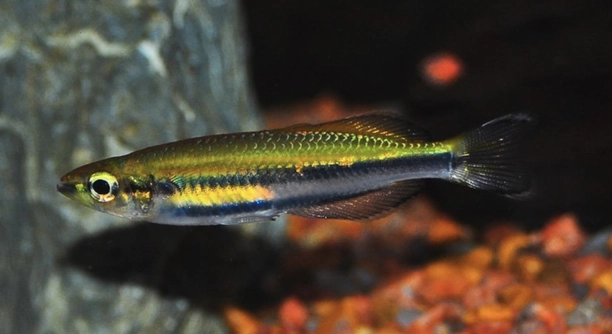
Have you ever noticed subtle changes in your rainbowfish but weren’t sure if they meant anything? Aging in fish can be gradual, making it hard to recognize the signs until they become more obvious over time.
Rainbowfish show aging through physical and behavioral changes, including faded colors, slower swimming, reduced appetite, and changes in fin shape or size. Monitoring these indicators can help ensure their health and provide appropriate care as they grow older.
Observing these details closely will help you care for your rainbowfish and maintain their well-being in your aquarium environment.
Faded Colors
As rainbowfish age, their vibrant colors often start to dull. Bright reds, blues, and yellows may lose intensity, and patterns can become less distinct. This change is natural and occurs gradually, so it may take months before you notice a difference. Environmental factors like water quality, diet, and lighting can influence how quickly these changes appear. Older rainbowfish may also spend more time near the bottom of the tank, where lighting is weaker, further reducing the vibrancy of their colors. While faded colors are a normal part of aging, sudden or extreme changes could indicate health problems, so regular observation is important. Adjusting diet with color-enhancing foods and maintaining excellent water conditions can help support natural pigmentation, though the overall fade is inevitable. Watching these changes can give you a clearer idea of your rainbowfish’s age and how to adjust their care.
Color changes are one of the most noticeable signs of aging in rainbowfish, and monitoring them helps track their overall health.
Recognizing color fading early allows you to make small adjustments to diet and lighting. High-quality foods rich in carotenoids and natural pigments can slow the loss of color and improve overall vitality. Ensure the aquarium’s lighting matches the fish’s natural environment, as proper light can enhance remaining pigmentation. Regular water changes and stable temperatures also contribute to healthier, more vibrant fish. While aging is unavoidable, these measures can make the transition smoother and keep your rainbowfish active and comfortable. Understanding how color fades over time also helps you notice other aging signs, such as changes in behavior or appetite, which are equally important for maintaining well-being in older fish.
Slower Swimming
Older rainbowfish tend to swim less actively and may spend more time resting in one area of the tank. This decrease in activity is a normal sign of aging and not necessarily a sign of illness.
Reduced swimming speed is linked to declining muscle strength and energy reserves. Younger fish have faster reflexes and more stamina, while older rainbowfish may appear sluggish, responding more slowly to tank activity. Environmental enrichment, such as plants and hiding spots, helps encourage movement, but it’s important to respect their lower activity levels. Regular observation can distinguish between normal aging and potential health issues, like fin damage or disease, which can also slow movement. Feeding smaller, more frequent meals ensures they receive enough energy without stressing their digestive systems. Maintaining consistent water conditions, temperature, and pH supports muscle function and overall health. Understanding these changes allows caretakers to adjust tank management, providing a comfortable environment that matches the energy levels of aging rainbowfish. Slower swimming is a natural adjustment rather than a cause for alarm, signaling the need for gentle care and monitoring.
Reduced Appetite
Older rainbowfish often eat less than they used to. They may ignore certain foods or take longer to finish meals. This change is a natural part of aging and usually does not indicate immediate illness.
Monitoring food intake helps track your fish’s health. Providing smaller portions more frequently can make eating easier for older fish. Some rainbowfish may prefer softer foods, like finely crushed flakes or live brine shrimp, over harder pellets. Consistency in feeding schedules can encourage regular eating habits. While reduced appetite is normal, sudden drops or refusal to eat for several days may signal health concerns. Maintaining clean water and avoiding overfeeding also supports digestion.
Adjusting diet and feeding routines can improve energy levels and comfort. Older rainbowfish may benefit from nutrient-rich foods that are easier to digest. Keeping their environment stable and calm reduces stress, which can otherwise decrease appetite. Close observation of their eating patterns can reveal subtle health changes early, allowing for timely adjustments. This ensures older rainbowfish remain nourished, active, and comfortable, even as their metabolism slows with age.
Changes in Fin Shape
As rainbowfish age, their fins may become shorter, frayed, or less symmetrical. This is a gradual process often caused by normal wear and tear, and not necessarily disease-related.
Maintaining water quality is key to preserving fin condition. Poor water conditions accelerate fin deterioration and increase the risk of infections. Gentle tank maintenance, including partial water changes and careful cleaning, helps reduce stress on fins. Adding hiding spots and avoiding aggressive tankmates also protects delicate fins from damage.
Fin changes can affect swimming efficiency and overall mobility. Observing these changes allows for early adjustments, such as removing sharp decorations and ensuring enough space for movement. Regular feeding of high-protein foods supports tissue repair, helping fins stay stronger for longer. Aging rainbowfish may also show minor color fading in fins, highlighting the combined effects of age and activity on their bodies. Monitoring fin health ensures your fish remain comfortable and reduces the risk of secondary complications from fin damage.
More Time at the Bottom
Older rainbowfish often spend more time near the bottom of the tank. They may rest on plants or substrate and appear less active than younger fish. This behavior is usually a normal sign of aging.
Spending time at the bottom can also help conserve energy. It allows older fish to rest while still being able to monitor their surroundings.
Thinner Body
Aging rainbowfish may gradually lose body mass, resulting in a slimmer appearance. Muscle tone can decrease, making them look less robust than in their youth.
Cloudy Eyes
Cloudy or slightly opaque eyes are common in older rainbowfish. This change usually develops slowly and is part of the natural aging process.
How long do rainbowfish typically live?
Rainbowfish usually live between 5 to 8 years in a well-maintained aquarium. Some species may live slightly longer if provided with optimal water quality, a balanced diet, and a stress-free environment. Aging signs often become noticeable after the fourth year, though this varies by individual and species.
What are the first signs of aging in rainbowfish?
The earliest signs include subtle color fading, reduced activity, and minor changes in appetite. Fins may begin to show slight fraying, and the fish might spend more time resting near the bottom of the tank. Observing these changes over time helps distinguish normal aging from illness.
How can I support my rainbowfish as they age?
Maintaining clean, stable water conditions is crucial. Regular partial water changes and careful monitoring of pH, temperature, and ammonia levels reduce stress and help prevent secondary health issues. Adjusting diet to include softer, nutrient-rich foods and feeding smaller portions more frequently supports digestion and energy levels. Providing hiding spots and gentle tankmates also ensures comfort.
Is it normal for older rainbowfish to swim slower?
Yes, slower swimming is a natural result of aging. Muscle strength and stamina decrease over time, causing older fish to respond more slowly to tank activity. Encouraging gentle movement with enrichment like plants and safe open spaces helps maintain mobility without causing stress.
Should I be concerned about fin changes?
Minor fraying or shortening of fins is common with age. It usually results from natural wear rather than disease. Ensuring there are no sharp decorations and minimizing aggression from tankmates helps protect delicate fins. Providing protein-rich foods supports tissue repair and overall fin health.
What does cloudy eyes mean in older rainbowfish?
Cloudy eyes often occur naturally with age. While it may reduce visual clarity slightly, it rarely indicates serious illness if water quality and nutrition are good. Sudden or severe cloudiness, however, can point to infection or injury and should be monitored closely.
Can older rainbowfish still reproduce?
Reproductive activity typically declines with age. Older rainbowfish may produce fewer eggs or show reduced spawning behavior. Maintaining proper nutrition and minimizing stress can help support breeding in older fish, but fertility naturally decreases over time.
How can I tell if reduced appetite is normal?
Gradual decreases in food intake are expected as metabolism slows. Watch for sudden or prolonged refusal to eat, which could indicate illness. Offering softer foods or smaller, more frequent meals can help older rainbowfish maintain adequate nutrition.
Are there environmental changes that help aging rainbowfish?
Yes. Maintaining stable temperature, clean water, and proper lighting supports overall health. Adding resting areas, plants, and low-traffic zones in the tank reduces stress and accommodates slower movement. Avoid sudden changes in tank conditions, which can be more harmful to older fish than younger ones.
When should I consult a vet about my aging rainbowfish?
If you notice rapid weight loss, extreme lethargy, severe fin damage, sudden loss of color, or persistent cloudy eyes, it is wise to consult an aquatic veterinarian. Early intervention can help distinguish treatable health issues from normal aging changes.
Can older rainbowfish live happily in a community tank?
Yes, with careful planning. Older fish benefit from peaceful tankmates and minimal competition for food. Avoid aggressive species that may stress or injure them. Maintaining consistent routines and water quality ensures older rainbowfish remain comfortable and active, even in a mixed-species environment.
What diet changes help aging rainbowfish?
Switching to softer, high-protein foods improves digestion and energy absorption. Live or frozen foods like brine shrimp and daphnia are often easier to eat than hard pellets. Smaller, frequent meals prevent overeating while ensuring adequate nutrition for older fish.
How often should I monitor older rainbowfish?
Daily observation is important. Watch swimming patterns, feeding behavior, coloration, and fin condition. Keeping a journal of changes helps identify gradual aging signs versus sudden health issues. Regular monitoring allows timely adjustments in diet, environment, or care practices.
Can color fading be reversed in older rainbowfish?
Significant fading is mostly irreversible, as it is part of natural aging. Maintaining high-quality diet, stable water conditions, and good lighting can slow the process and preserve the remaining color, but vibrant juvenile coloration will gradually diminish over time.
Is reduced activity a problem for older rainbowfish?
Not usually. Older rainbowfish naturally conserve energy and may explore the tank less. Ensure they have safe spaces and soft substrates to rest. Encourage gentle activity with environmental enrichment but avoid forcing movement, which could cause stress or injury.
How do I differentiate normal aging from disease?
Gradual changes in color, fins, activity, and appetite usually indicate aging. Rapid, extreme, or multiple sudden changes, along with abnormal behaviors or lesions, suggest disease. Monitoring patterns over time and maintaining water quality are key to distinguishing natural aging from illness.
What water conditions are best for aging rainbowfish?
Stable temperatures, consistent pH, low ammonia, nitrite-free water, and proper filtration are essential. Older rainbowfish are less resilient to fluctuations, so careful water management reduces stress and supports long-term health. Regular testing and gradual adjustments keep conditions optimal.
Can stress accelerate aging signs?
Yes. Stress from poor water quality, aggressive tankmates, or overcrowding can worsen color fading, fin wear, and lethargy. Minimizing stressors helps older rainbowfish maintain vitality and reduces the risk of secondary health issues.
Are there supplements that help older rainbowfish?
High-quality foods containing carotenoids, vitamins, and proteins support overall health. Occasional live or frozen foods boost nutrition and encourage natural foraging behaviors. Supplements should complement a balanced diet, not replace it. Regular variety ensures nutrient needs are met.
How long can older rainbowfish remain active?
With proper care, rainbowfish can remain moderately active for several years. Slower swimming and more resting periods are expected, but providing a stress-free, nutrient-rich environment helps them maintain movement, appetite, and overall well-being until the later stages of life.
How do I handle older rainbowfish safely?
Minimize handling to reduce stress. Use soft nets or containers when necessary for tank maintenance or relocation. Older fish have weaker bodies and delicate fins, so gentle, careful movements prevent injury and support comfort.
Caring for an aging rainbowfish requires patience and attention to small details in their environment and routine. Over time, you may notice changes such as faded colors, slower swimming, or reduced appetite. These signs are natural parts of the fish’s life cycle and do not necessarily indicate illness. Recognizing these changes early allows you to make small adjustments that improve your rainbowfish’s quality of life. Maintaining consistent water conditions, providing a balanced diet, and observing behavior closely can make the difference in keeping your fish comfortable as they age. Simple actions like regular water changes, monitoring pH levels, and feeding smaller portions more frequently can have a positive impact. The gradual decline in energy and vibrancy is expected, but with proper care, older rainbowfish can continue to thrive in their aquarium environment.
Supporting an aging rainbowfish also means understanding the subtle shifts in their daily habits. They may spend more time resting near the bottom of the tank, swim more slowly, or show minor changes in fin shape and eye clarity. These behaviors are normal, and adjusting the tank setup can help accommodate them. Providing gentle hiding spots, soft plants, or calm corners reduces stress and helps them feel secure. Offering a variety of soft, nutrient-rich foods encourages eating even when appetite decreases. Keeping an eye on interactions with other fish ensures older rainbowfish are not stressed by more active or aggressive tankmates. Observing these subtle details helps prevent minor issues from developing into larger problems and allows you to adapt care routines to meet their changing needs.
Even though aging is inevitable, taking steps to monitor and adjust care can help your rainbowfish live comfortably for as long as possible. Simple daily observations, consistent feeding practices, and a stable environment go a long way in supporting their health and well-being. It’s important to remember that each fish ages differently, so what works for one may not be exactly the same for another. Paying attention to individual differences in behavior, appetite, and activity levels will help you provide the most suitable care. By remaining attentive and responsive to these changes, you ensure that your rainbowfish experience a peaceful and healthy later stage of life. Providing gentle care, a calm environment, and proper nutrition helps older rainbowfish continue to enjoy their days, showing that even as they age, they can remain active, vibrant members of your aquarium.

Hello,
If you enjoy the content that we create, please consider saying a "Thank You!" by leaving a tip.
Every little bit helps us continue crafting quality advice that supports the health, happiness, and well-being of pets around the world, for pets of all shapes, sizes, and species.
We really appreciate the kindness and support that you show us!