
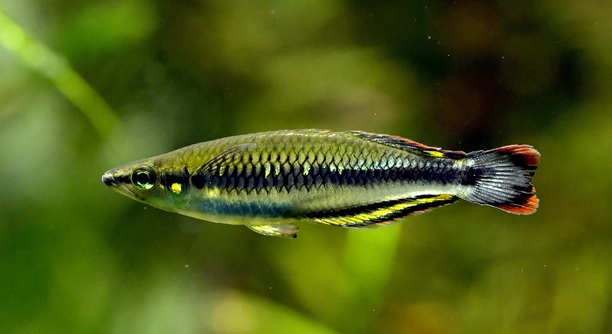
Do you ever notice your rainbowfish gently rubbing against rocks or decorations in your aquarium? This behavior can seem unusual at first, but many fish display it naturally as part of their daily activity.
Rainbowfish may rub against objects for several reasons, including removing parasites, maintaining their scales, and marking territory. This behavior is instinctive and helps preserve their health, hygiene, and social interactions within the aquatic environment.
Observing these movements can reveal a lot about your fish’s well-being and the conditions in their tank. It is an important behavior to understand.
Common Reasons Rainbowfish Rub Against Objects
Rainbowfish often rub against decorations, plants, or rocks in their tank for practical reasons. One main factor is to remove external parasites or debris that may have settled on their scales. This behavior is a natural form of cleaning and helps them stay healthy. Additionally, rubbing can assist in relieving minor irritations or discomforts on their skin. Some rainbowfish also use this behavior to explore their environment, leaving subtle marks to signal their presence to other fish. Younger fish may rub more frequently as they adjust to a new tank or develop stronger scale and fin structure. The texture of certain objects may also appeal to them, providing gentle resistance and stimulation. Tank conditions, such as water quality or the presence of algae, can influence how often rainbowfish display this rubbing behavior. Understanding these patterns can help you maintain a comfortable and healthy environment for them.
This behavior is generally normal and not a cause for concern if your fish seem active and healthy.
Observing your rainbowfish regularly allows you to notice any changes in behavior that may indicate stress or illness. Providing smooth, safe surfaces and maintaining clean water encourages natural rubbing while preventing injury. Over time, you may recognize individual preferences for certain objects, helping you tailor the tank to their needs. Rubbing is just one part of their daily routines, alongside swimming, feeding, and social interactions. By paying attention to these small behaviors, you ensure your fish thrive and maintain vibrant colors.
Signs of Health Issues Related to Rubbing
Occasional rubbing is normal, but excessive rubbing may indicate a problem with water quality or parasites.
Excessive rubbing can be a sign of stress, poor water conditions, or parasite infestations. It is important to check water parameters, including pH, ammonia, nitrite, and nitrate levels, as imbalances can irritate your fish’s skin. Parasites or fungal infections may cause persistent rubbing against surfaces, and in such cases, prompt treatment is necessary. Additionally, injuries from sharp objects or aggressive tank mates can lead to similar behavior, as the fish attempts to soothe itself. Monitoring your rainbowfish closely and keeping the tank clean will minimize these risks. Providing a variety of smooth decorations and hiding spots reduces irritation and promotes natural behavior. Early observation and intervention prevent minor issues from becoming serious, ensuring your rainbowfish remain healthy, active, and visually vibrant in their aquarium environment.
How Tank Environment Affects Rubbing
Tank decorations, plants, and substrate can influence how often rainbowfish rub against objects. Rough or textured surfaces encourage natural rubbing, while smooth surfaces may reduce it. Proper tank setup can help prevent injuries and promote healthy behavior.
The type and placement of decorations in a tank play a significant role in rainbowfish behavior. Fish tend to rub against objects that offer slight resistance or a different texture than their scales. Natural plants, driftwood, and rocks create stimulation and provide gentle friction, which can remove algae or dead skin. Avoid sharp or jagged surfaces, as these can cause cuts or infections. The size of the tank also matters, as limited space can lead to increased contact with objects, sometimes resulting in stress. Observing how your fish interact with the environment allows you to adjust decorations to meet their needs safely.
Water quality is equally important, as poor conditions can irritate fish skin, increasing rubbing frequency. Regular water changes, proper filtration, and monitoring temperature and pH create a stable environment. Providing hiding spots and smooth surfaces alongside textured decorations balances stimulation and safety. Fish exposed to optimal conditions display natural rubbing behaviors without injury. Recognizing the link between environment and behavior helps maintain healthy, active rainbowfish while minimizing stress or irritation.
Feeding Habits and Their Role in Behavior
Rainbowfish may rub against objects more often around feeding times, as food particles can cling to scales or fins.
A varied and balanced diet directly impacts how rainbowfish interact with their surroundings. When scales become coated with uneaten food or algae, fish may rub against surfaces to clean themselves. High-quality flakes, pellets, or live foods provide proper nutrition, which reduces irritation and promotes healthy skin. Overfeeding can lead to leftover debris, increasing rubbing frequency and potential stress. Proper feeding schedules and portion control prevent excess particles in the tank, keeping both the fish and environment cleaner. Consistent observation of feeding behavior helps identify any unusual rubbing patterns that may indicate dietary issues or water contamination.
Nutrition also affects fish health, influencing scale integrity and immune function. Rainbowfish with a balanced diet tend to have stronger, smoother scales, reducing the need for excessive rubbing. Live or frozen foods can simulate natural foraging behavior, providing stimulation and encouraging moderate rubbing as part of routine maintenance. Maintaining clean feeding areas and removing leftover food prevents buildup that could irritate the fish. Understanding the connection between diet and rubbing behavior allows for targeted adjustments, improving overall tank hygiene, fish comfort, and long-term health while supporting vibrant coloration and active behavior.
Social Interactions and Rubbing
Rainbowfish sometimes rub against objects as part of social behavior. Dominant fish may mark territory or show presence, while others use rubbing to reduce stress in group settings.
Rubbing can also signal submission or hierarchy among tank mates. Fish often coordinate movement and behavior, with rubbing serving as a subtle communication tool. Observing patterns helps understand social dynamics.
Seasonal and Environmental Changes
Changes in water temperature, lighting, or seasonal cycles can affect rubbing behavior. Fish may respond to new conditions with increased activity against objects to adapt to their environment.
Preventing Injuries from Rubbing
Providing smooth surfaces alongside textured objects reduces the risk of cuts or infections. Regular inspection ensures a safe environment for active rainbowfish.
FAQ
Why do rainbowfish rub against objects more at night?
Rainbowfish may increase rubbing at night due to reduced light and decreased activity in the tank. Darkness can make fish feel safer, allowing them to engage in natural behaviors like cleaning their scales or exploring surfaces without disturbances from tank mates. Nighttime rubbing is usually normal and not a cause for concern.
Can rubbing indicate illness in rainbowfish?
Yes, excessive or aggressive rubbing can signal skin irritation, parasites, or fungal infections. If rubbing is frequent and accompanied by clamped fins, lethargy, or faded coloration, it is important to check water quality and consider consulting a veterinarian or using safe aquarium treatments. Early detection helps prevent serious health problems.
Is it harmful if my fish rubs too much?
Occasional rubbing is harmless, but repeated contact with sharp or rough surfaces can cause cuts or scale damage. Ensure decorations are smooth or well-polished, and provide hiding spots to reduce stress and prevent injury while allowing natural rubbing behavior safely.
Does diet affect rubbing behavior?
Yes, nutrition plays a role. Poor diet or leftover food on scales can irritate fish, causing more rubbing. A balanced diet with high-quality flakes, pellets, or occasional live food helps maintain healthy skin and scales, reducing unnecessary rubbing while supporting overall vitality.
How do tank mates influence rubbing?
Tank mates can affect behavior significantly. Aggressive fish may stress rainbowfish, leading them to rub more against objects to relieve irritation. Conversely, peaceful groups may show less rubbing, as stress levels are lower. Observing interactions can reveal social dynamics and help maintain a balanced tank.
Do younger rainbowfish rub more than older ones?
Younger fish may rub more frequently as they grow and develop stronger scales and fins. Their exploratory nature encourages interaction with tank objects, helping them adapt to their environment. Older fish tend to rub less unless responding to environmental changes or health issues.
Can water conditions trigger rubbing?
Yes, poor water quality often leads to increased rubbing. High ammonia, nitrite, or nitrate levels can irritate skin, and incorrect pH or temperature can cause discomfort. Regular testing, water changes, and proper filtration keep the tank stable and reduce excessive rubbing.
Are certain objects better for rubbing than others?
Textured or slightly rough surfaces are ideal for safe rubbing, such as smooth rocks, driftwood, or soft plants. Avoid sharp, jagged, or abrasive decorations that may cut scales or fins. Rotating and cleaning objects regularly ensures they remain safe and functional.
How can I tell if rubbing is normal?
Normal rubbing is moderate and occasional, usually involving gentle contact with objects. Fish remain active, eat normally, and show no other signs of stress. Frequent, frantic, or self-harming rubbing is a warning sign and requires environmental or health adjustments.
Can rubbing help rainbowfish remove parasites naturally?
Yes, gentle rubbing can help dislodge small external parasites or algae from scales. While it is not a substitute for treatment when infections are present, it is a natural behavior that contributes to hygiene and scale maintenance in a healthy aquarium.
Should I change tank setup if my fish rubs excessively?
If rubbing seems excessive, review tank decorations, water quality, and space. Ensure smooth surfaces, hiding spots, and proper tank size. Adjusting these factors can reduce stress-related rubbing and encourage natural behavior safely.
Does rubbing affect coloration?
Proper rubbing generally does not harm coloration. Healthy fish with safe tank objects often display vibrant colors. Stress or injury from excessive rubbing can dull coloration, so maintaining a balanced environment supports both health and appearance.
Can stress alone cause rubbing?
Stress from overcrowding, bullying, or sudden environmental changes can increase rubbing. Observing behavior patterns alongside other stress indicators helps identify underlying causes. Reducing stressors improves overall health and minimizes excessive rubbing.
Is rubbing more common in certain rainbowfish species?
Some species naturally display more rubbing due to scale texture or behavior tendencies. Observing your specific type helps determine whether rubbing is typical or unusual, allowing for informed care adjustments to meet their needs.
How often should I monitor rubbing behavior?
Regular observation, ideally daily, allows you to detect changes early. Monitoring helps identify environmental issues, social stress, or health concerns before they become serious. Keeping a record of rubbing frequency and tank conditions can guide proactive care.
Can adding plants or decorations reduce excessive rubbing?
Yes, providing a mix of soft and textured objects allows fish to rub safely while exploring their environment. Plants and smooth hiding spots reduce stress, prevent injuries, and give fish outlets for natural behaviors without causing harm.
What immediate steps should I take if rubbing increases suddenly?
Check water quality first, including ammonia, nitrite, nitrate, pH, and temperature. Examine fish for injuries, parasites, or faded coloration. Adjust decorations if necessary and remove sharp objects. Observing changes in behavior after adjustments helps determine the cause and prevent future issues.
Does tank size influence rubbing behavior?
Smaller tanks can lead to more frequent contact with objects, increasing rubbing. Providing adequate swimming space and appropriate object placement reduces unnecessary rubbing while promoting healthy activity levels and social interactions among rainbowfish.
Can rubbing be part of normal grooming behavior?
Absolutely. Rainbowfish use rubbing to clean their scales and remove minor irritants. It is a natural grooming behavior that maintains health and hygiene while stimulating sensory experiences in the tank environment.
How long does typical rubbing behavior last?
Moderate rubbing usually occurs for a few seconds to a minute at a time. Prolonged or repeated rubbing sessions may indicate irritation or stress, requiring observation and possible intervention to ensure the fish’s well-being.
Can changing lighting reduce rubbing behavior?
Lighting changes can influence activity levels. Bright or flickering lights may stress fish, increasing rubbing, while stable, moderate lighting promotes calm behavior. Adjusting light duration and intensity can reduce unnecessary rubbing and support a balanced environment.
Should I treat rubbing as a warning sign?
Treat rubbing as a behavior to monitor rather than panic over. Moderate rubbing is normal, but sudden increases or patterns of self-harm indicate environmental or health concerns that should be addressed promptly. Regular observation ensures timely intervention and healthy rainbowfish.
Is rubbing more frequent after water changes?
Fish may rub more after water changes due to shifts in temperature, pH, or mineral content. This adjustment period is usually short, and normal behavior resumes once conditions stabilize. Gradual water changes help minimize this effect and keep fish comfortable.
How can I encourage safe rubbing?
Provide a mix of smooth and textured objects, maintain excellent water quality, and ensure sufficient space. Observing fish preferences helps tailor the tank environment to encourage natural, safe rubbing while preventing injuries and stress.
Do rainbowfish prefer natural or artificial objects for rubbing?
Many rainbowfish favor natural textures like driftwood or live plants, but some enjoy smooth artificial decorations. Offering a variety of surfaces allows them to choose what feels comfortable, promoting healthy grooming without risk of injury.
What signs indicate rubbing has become a problem?
Frequent, frantic rubbing, visible injuries, clamped fins, lethargy, or faded colors indicate a problem. Identifying these signs early allows you to address water quality, tank setup, or health issues promptly, ensuring the fish remain healthy and safe.
Can rubbing behavior change with age?
Yes, young fish rub more as they develop and explore. Older fish may reduce rubbing unless stressed or experiencing irritation. Observing individual patterns helps differentiate normal developmental behavior from health concerns.
Are there preventive measures to limit harmful rubbing?
Yes, use smooth decorations, maintain clean water, provide adequate space, and monitor interactions with tank mates. Balanced diet and stable environmental conditions also minimize harmful rubbing, ensuring natural behavior remains safe.
Does temperature fluctuation affect rubbing?
Sudden changes in temperature can irritate fish skin, causing more rubbing. Maintaining a consistent, appropriate temperature reduces stress and prevents excessive rubbing, keeping rainbowfish comfortable and active.
How long should I observe behavior before intervening?
Observe for a few days to identify patterns. Moderate rubbing is normal, but sustained or aggressive rubbing indicates a need for intervention regarding tank setup, health, or water quality.
Can rubbing indicate spawning readiness?
In some cases, increased rubbing may occur around spawning as fish clean surfaces for egg laying. Providing smooth objects or plants encourages natural reproductive behavior while minimizing injury.
Does tank crowding influence rubbing?
Overcrowded tanks increase stress, resulting in more frequent rubbing. Ensuring adequate space, hiding spots, and compatible tank mates reduces stress and prevents excessive rubbing, supporting overall health and social balance.
Is rubbing affected by water hardness or minerals?
High or low water hardness can affect skin comfort. Stable mineral content prevents irritation, reducing rubbing behavior while maintaining healthy scales and vibrant colors. Regular testing ensures conditions remain optimal for rainbowfish.
Can rubbing be a self-soothing behavior?
Yes, gentle rubbing helps fish relieve minor irritation or stress. It is a normal, self-soothing behavior that promotes hygiene and comfort when the environment is safe and stable.
Do rainbowfish rub more in community tanks?
Behavior can vary. In community tanks, fish may rub more due to social stress or to navigate interactions. Observing compatibility and space allocation helps reduce stress-induced rubbing and encourages natural behavior safely.
How do I know if rubbing is temporary or ongoing?
Monitor daily for a week. Short-term increases after water changes or environmental adjustments are temporary, while persistent, excessive rubbing signals underlying issues needing attention to maintain health and safety.
Are there safe alternatives for fish to rub against?
Providing smooth rocks, driftwood, or artificial plants allows fish to rub safely. Rotate objects periodically to maintain interest and prevent injuries, supporting natural grooming without risk.
Does age or size of the fish affect rubbing intensity?
Younger, smaller fish may rub more vigorously as they explore. Larger, older fish generally rub less unless stressed or irritated, reflecting natural behavior differences across life stages.
Can rubbing help with minor injuries?
Gentle rubbing may remove dead skin or algae, aiding minor healing. However, severe wounds require observation and care to prevent infection or worsening injury.
Should I remove a fish that rubs excessively?
Not necessarily. Address water quality, tank setup, or health issues first. Removal is rarely required unless aggression from tank mates causes excessive stress, ensuring safer conditions without disrupting the community.
Can lighting color affect rubbing behavior?
Certain light spectrums may make fish feel more comfortable. Soft, stable lighting reduces stress and unnecessary rubbing, while harsh or flickering light can increase activity and irritation.
Is rubbing more common in males or females?
Behavior varies by individual. Males may rub more during territorial displays or breeding periods, while females may engage in moderate rubbing for hygiene. Observing the group helps distinguish normal patterns.
How can I safely observe rubbing behavior?
Use consistent, calm observation without disturbing the tank. Note frequency, intensity, and affected areas. Recording patterns helps identify normal behavior versus signs of stress, disease, or environmental issues.
Does substrate type influence rubbing?
Yes, sandy or fine gravel substrates reduce irritation, while coarse or sharp substrates may increase harmful rubbing. Matching substrate type to fish needs promotes natural grooming and minimizes injury.
Can adding more hiding spots reduce rubbing?
Yes, hiding spots give fish security and reduce stress, lowering excessive rubbing. Plants, caves, or smooth decorations create safe areas to explore and maintain hygiene naturally.
What is the best approach if rubbing persists despite changes?
Evaluate water quality, health, diet, tank setup, and social dynamics. Consulting an experienced aquarist or veterinarian ensures a thorough assessment and targeted solutions for persistent rubbing behavior.
Can rubbing be part of normal territorial behavior?
Yes, gentle rubbing can mark objects within a territory. It signals presence to other fish and helps maintain social structure without aggressive confrontation.
Does tank lighting schedule affect rubbing frequency?
A consistent lighting schedule supports natural rhythms, reducing stress-induced rubbing. Sudden changes or long periods of darkness may increase rubbing temporarily, so maintaining routine helps balance activity.
Can rubbing help prevent infections naturally?
Moderate rubbing can remove debris or algae from scales, reducing the chance of minor infections. It supports hygiene but does not replace proper water care or treatment if disease occurs.
How can I distinguish between playful and harmful rubbing?
Playful rubbing is gentle, brief, and intermittent. Harmful rubbing is frantic, prolonged, or causes injury. Observing patterns alongside health indicators helps determine whether intervention is needed.
Do rainbowfish rub differently on plants versus rocks?
Yes, fish may favor smooth plants for gentle cleaning and textured rocks for more friction. Providing both allows safe, varied rubbing behavior suited to their needs.
Does water temperature consistency reduce rubbing?
Stable water temperature prevents irritation, reducing rubbing due to discomfort. Sudden changes can provoke rubbing as fish adjust, so maintaining proper temperature supports healthy behavior.
Can rubbing be a response to algae buildup?
Yes, fish may rub against objects to remove algae from scales. Regular tank maintenance and balanced algae growth help fish perform this natural grooming safely without overdoing it.
How long does it take to correct excessive rubbing behavior?
Once environmental or health issues are addressed, behavior typically improves within days to weeks. Monitoring progress ensures adjustments are effective and fish remain healthy.
Is rubbing affected by tank noise or vibrations?
Yes, frequent noise or vibrations can stress fish, causing more rubbing. Minimizing disturbances promotes calm behavior and reduces unnecessary rubbing.
Can rubbing indicate spawning readiness in males?
Yes, males may rub surfaces to clean them before spawning or signal readiness to females. Providing safe surfaces supports this natural reproductive behavior.
Does tank cover or lid affect rubbing behavior?
Tank covers influence lighting and security. Well-fitted covers reduce stress from reflections or drafts, indirectly minimizing excessive rubbing caused by environmental discomfort.
Are there natural remedies to reduce irritation-related rubbing?
Maintaining water quality, providing clean surfaces, and adding safe plants or smooth objects are the most effective natural measures. Avoid chemical treatments unless recommended for health issues.
Can rubbing help in acclimation to a new tank?
Yes, gentle rubbing allows fish to explore textures and settle into a new environment. It helps them adjust safely while performing natural cleaning behaviors.
Does rubbing intensity change during feeding times?
Fish may rub more after eating to remove leftover food from scales or fins. Proper feeding and cleaning practices minimize excess rubbing while supporting healthy grooming.
How can I differentiate between parasite-related and normal rubbing?
Parasite-related rubbing is often persistent, frantic, and accompanied by scratching against objects or visible skin irritation. Normal rubbing is brief, gentle, and part of routine grooming. Observing behavior and checking for physical signs helps identify the cause.
Can rubbing behavior indicate stress from poor water circulation?
Yes, stagnant water or uneven currents may irritate fish, leading to increased rubbing. Proper filtration and circulation help maintain comfort and reduce stress-induced rubbing.
Does tank lighting intensity affect rubbing patterns?
Bright or flickering lights can increase stress and rubbing, while moderate, stable lighting supports calm behavior and reduces unnecessary contact with surfaces.
Can rubbing behavior affect other fish in the tank?
Excessive rubbing may disturb or stress other tank mates if it leads to aggressive encounters or injuries. Balanced tank conditions and observation maintain harmony among fish.
Are there safe ways to encourage natural rubbing without risk?
Yes, provide textured objects, smooth surfaces, plants, and driftwood. Monitor fish behavior to ensure rubbing remains gentle, supporting hygiene and comfort while preventing injury.
Can rubbing behavior indicate water contamination?
Frequent or frantic rubbing may signal chemical contamination or poor water quality. Testing parameters and adjusting filtration ensures a safe environment and reduces irritation-induced rubbing.
Does tank temperature fluctuation influence rubbing intensity?
Yes, rapid changes in temperature can irritate fish skin, causing more rubbing. Maintaining stable, appropriate water temperature reduces stress and promotes safe behavior.
How often should I inspect my tank for rubbing hazards?
Weekly inspection of decorations, substrate, and plants ensures surfaces remain smooth and safe. Timely removal or adjustment of sharp objects prevents injury during rubbing behavior.
Can rubbing behavior be linked to light reflection?
Fish may rub or explore surfaces more when exposed to reflections or glare. Adjusting lighting or repositioning decorations reduces unnecessary rubbing caused by visual stimuli.
Does tank water hardness affect rubbing frequency?
Extremes in water hardness can irritate skin, leading to more rubbing. Maintaining moderate hardness levels promotes comfort and natural grooming without causing harm.
Can rubbing behavior signal social dominance?
Yes, gentle rubbing against objects can mark territory or signal presence to other fish. Observing interactions helps understand social hierarchies in the tank.
Are there indicators that rubbing is stress-related?
Signs include frantic movements, faded color, clamped fins, or hiding. Addressing water quality, tank mates, and environmental stability reduces stress and excessive rubbing.
Does rubbing behavior differ in planted versus bare tanks?
Planted tanks offer softer, natural surfaces for gentle rubbing, while bare tanks may cause more direct contact with decorations. Providing varied surfaces supports safe, healthy behavior.
How long after changes in tank conditions will rubbing behavior stabilize?
Typically, a few days to a week is sufficient for fish to adjust. Monitoring ensures that rubbing returns to normal levels and indicates environmental comfort.
Can rubbing behavior increase during breeding seasons?
Yes, fish may clean surfaces or display rubbing as part of reproductive preparation. Providing safe objects encourages this natural behavior without causing injury.
Does water pH fluctuation affect rubbing?
Yes, sudden shifts in pH can irritate scales, increasing rubbing. Maintaining stable pH levels supports comfort and natural behavior while preventing stress.
Can rubbing behavior indicate minor injuries?
Gentle rubbing may help remove debris from small abrasions. Persistent or aggressive rubbing, however, signals potential injury needing observation and care.
Are there differences in rubbing patterns among individual fish?
Yes, personality, age, and health influence rubbing. Some fish rub more frequently or vigorously, while others only do so occasionally, reflecting individual variation in behavior.
Does tank size relative to fish population affect rubbing?
Overcrowded tanks increase stress, leading to more rubbing. Adequate space and balanced population density reduce unnecessary rubbing and promote healthy, natural behaviors.
Can rubbing behavior indicate adaptation to a new environment?
Yes, fish often rub as they explore new surfaces and adjust to unfamiliar surroundings. It helps them groom and acclimate safely.
How does substrate type affect rubbing safety?
Soft, fine substrates prevent injury, while coarse or sharp materials can lead to scale damage. Matching substrate to species needs ensures safe grooming behavior.
Is rubbing behavior affected by water flow patterns?
Yes, strong or uneven currents may cause fish to rub more to stabilize themselves. Balanced flow promotes natural behavior without stress or injury.
Can rubbing behavior indicate insufficient hiding spots?
Yes, fish lacking secure areas may rub more due to stress. Providing plants, caves, or smooth decorations reduces excessive rubbing and promotes comfort.
Does rubbing behavior vary between solitary and community tanks?
Fish in solitary tanks may rub less, while those in community setups may rub more
Observing rainbowfish rubbing against objects is a common part of aquarium life. This behavior can occur for several reasons, including natural grooming, removing debris or parasites from their scales, and interacting with their environment. Gentle rubbing helps fish maintain healthy skin and scales, and it is often a normal and harmless behavior when fish remain active and show no other signs of stress. Providing a variety of objects in the tank, such as smooth rocks, driftwood, and plants, allows rainbowfish to perform this behavior safely. Understanding that rubbing is not necessarily a problem helps aquarium owners respond appropriately without unnecessary concern. It is a sign that the fish are engaged with their surroundings and maintaining their own hygiene, which is a positive indicator of health.
At the same time, excessive or aggressive rubbing can indicate issues that need attention. Poor water quality, parasite infestations, or injuries can all cause rainbowfish to rub more frequently or vigorously. Observing water parameters, including pH, ammonia, nitrite, nitrate, and temperature, is crucial to ensure a stable environment. Tank setup also plays a role; sharp or rough decorations, overcrowding, or aggressive tank mates can increase irritation and stress, leading to rubbing that may result in injury. Regular cleaning, proper filtration, and careful placement of objects reduce the risk of harm. Monitoring the behavior of individual fish allows owners to notice any changes, which may signal health concerns or environmental adjustments that need to be made.
Maintaining a balanced diet and stable environment is equally important for minimizing harmful rubbing while supporting natural behavior. Well-fed fish with high-quality food tend to have stronger scales and healthier skin, reducing the need for excessive rubbing. Smooth and textured surfaces in the tank provide safe opportunities for grooming and exploration. Observing how your rainbowfish interact with these surfaces can reveal preferences and patterns, helping you tailor the tank setup to their needs. Paying attention to social dynamics within the tank, including territorial behaviors or stress from other fish, also helps prevent over-rubbing. Overall, understanding and supporting natural rubbing behaviors ensures that rainbowfish remain healthy, active, and comfortable in their environment while allowing them to express their instincts safely and naturally.

Hello,
If you enjoy the content that we create, please consider saying a "Thank You!" by leaving a tip.
Every little bit helps us continue crafting quality advice that supports the health, happiness, and well-being of pets around the world, for pets of all shapes, sizes, and species.
We really appreciate the kindness and support that you show us!