
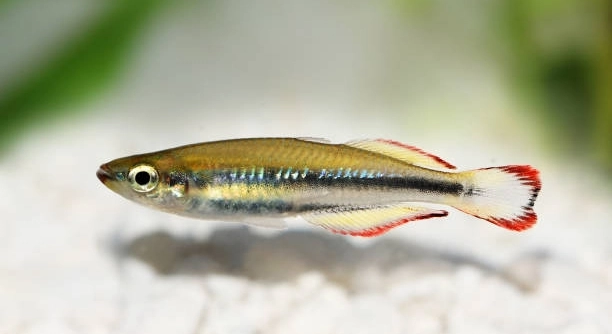
Are your rainbowfish spending more time at the water’s surface than usual? Observing this behavior can be concerning for any aquarist. Many factors, from water quality to feeding habits, influence why your fish may be skimming the top.
Rainbowfish often skim the surface due to low oxygen levels, poor water circulation, or stress from environmental changes. Monitoring water parameters, maintaining proper aeration, and ensuring a balanced diet are essential to address this behavior effectively.
Understanding these underlying causes will help you create a healthier tank environment. Proper adjustments can restore normal swimming patterns and overall well-being.
Common Reasons Rainbowfish Skim the Surface
Rainbowfish skimming the surface is often linked to oxygen levels and water quality. Stagnant water, high temperatures, or overcrowding can reduce oxygen, prompting your fish to seek air at the top. Poor filtration or decaying organic matter can also create uncomfortable conditions. Observing the tank for signs like rapid gill movement, gasping, or lethargy is important. Adjusting aeration, adding surface agitation, and maintaining proper water parameters can help your rainbowfish feel secure. Feeding habits may also contribute. Overfeeding or leaving uneaten food can pollute the water, indirectly affecting oxygen levels. Routine maintenance, including water changes and monitoring water chemistry, ensures a healthy environment. Even small changes, such as adding plants or rearranging decor to improve circulation, can make a significant difference. Skimming is a signal, not just a quirk, indicating your fish’s needs must be addressed promptly to prevent stress or illness.
Regular observation helps catch issues before they escalate.
Maintaining consistent temperature, monitoring ammonia, nitrite, and nitrate levels, and ensuring proper tank size all play a key role. Aeration devices or surface pumps can improve oxygen distribution, while routine partial water changes keep water chemistry stable.
Improving Tank Conditions for Better Fish Health
Proper tank setup is essential for rainbowfish well-being.
Adjusting aeration, filtration, and cleaning schedules directly impacts water quality. Overcrowding can increase stress, so ensuring adequate space and hiding spots reduces tension. Plants provide natural oxygenation and shelter, helping fish feel secure. Monitoring feeding routines prevents waste buildup, and using a reliable water testing kit allows for timely interventions. Observing behavior regularly ensures adjustments can be made quickly, maintaining a stable, healthy environment for your rainbowfish. Consistency is key in preventing long-term issues.
Maintaining tank conditions involves monitoring water temperature, flow, and chemical levels regularly. Using surface skimmers or air stones enhances oxygenation, while careful feeding prevents excess waste. Plants and decorations can be strategically placed to improve circulation and provide shelter. Regular water changes, partial or full, maintain chemical balance. Observing fish behavior daily allows early detection of stress or illness. A combination of proper aeration, filtration, and tank management keeps rainbowfish active, healthy, and less likely to skim the surface unnecessarily. Creating a stable environment ensures your fish remain comfortable, reducing stress-induced behaviors over time and improving overall vitality.
Feeding Habits and Their Impact
Overfeeding can quickly pollute the water, reducing oxygen and causing rainbowfish to skim the surface. Uneaten food decomposes, creating harmful ammonia and nitrite spikes. Maintaining a balanced feeding schedule prevents water issues and keeps fish healthy.
Portion control is important when feeding rainbowfish. Offering small amounts multiple times a day ensures they consume all food without leftovers. High-quality flakes or pellets provide essential nutrients without overloading the tank. Observing your fish during feeding can reveal appetite changes, which may indicate stress or illness. Avoid sudden changes in diet, as this can upset their digestive system and water quality. Consistent feeding routines contribute to stable water parameters and healthier, more active fish overall, reducing the need to seek oxygen at the surface.
Feeding strategies also involve selecting appropriate food sizes. Small flakes or granules are easier for rainbowfish to consume, preventing choking or wasted food. Rotating protein and vegetable-based foods can improve nutrition and maintain energy levels. Monitoring leftovers after each feeding allows you to adjust portions and avoid water pollution. Over time, careful feeding habits help create a balanced tank environment where rainbowfish can swim freely and remain active, reducing stress and surface-skimming behavior caused by low oxygen or poor water conditions.
Tank Plants and Their Benefits
Live plants enhance oxygenation and provide shelter for rainbowfish, reducing surface-skimming behavior. They absorb excess nutrients, helping maintain water quality and stability.
Plants improve the overall environment by creating shaded areas and hiding spots. These spaces help rainbowfish feel secure and reduce stress, which can otherwise lead to excessive surface activity. Fast-growing plants like hornwort or water sprite efficiently use nutrients, preventing algae overgrowth while supporting a natural ecosystem within the tank. Rooted and floating plants complement each other by enhancing water movement and oxygen distribution. Observing plant health is important; decaying foliage can harm water quality and counteract their benefits. Proper placement of plants allows for open swimming areas while still providing shelter.
Incorporating a variety of plant species contributes to both aesthetic appeal and functional benefits in your aquarium. Submerged plants improve oxygenation, while floating plants create shaded regions that reduce stress and encourage natural behavior. Plants also help stabilize pH and absorb nitrates, reducing the frequency of water changes needed. When combined with adequate aeration and filtration, a planted tank supports healthier fish, reduces surface-skimming, and creates a more balanced ecosystem. Rotating plant care, trimming overgrowth, and promptly removing decaying leaves ensures the benefits persist, making the environment consistently suitable for rainbowfish to thrive.
Water Temperature and Oxygen Levels
Higher water temperatures reduce oxygen levels, causing rainbowfish to skim the surface more frequently. Maintaining a stable, appropriate temperature ensures sufficient oxygen and helps fish stay comfortable.
Temperature fluctuations can stress fish and disrupt normal behavior. Using a reliable heater and thermometer allows you to monitor conditions and prevent sudden changes, keeping your rainbowfish healthy.
Signs of Stress in Rainbowfish
Rainbowfish under stress may display rapid gill movement, erratic swimming, or loss of color. These behaviors often indicate environmental or health issues that need immediate attention to prevent long-term problems.
Regular Maintenance and Monitoring
Routine water changes and filter cleaning are essential for healthy rainbowfish. Keeping ammonia, nitrite, and nitrate levels in check prevents surface-skimming behavior caused by poor water quality. Consistent observation allows early detection of potential problems, supporting long-term well-being and tank stability.
Choosing the Right Tank Size
A properly sized tank reduces overcrowding, giving rainbowfish ample space to swim freely. More space improves water circulation and oxygen distribution, which minimizes the need to skim the surface.
FAQ
Why is my rainbowfish constantly at the surface?
Rainbowfish often stay near the surface when oxygen levels in the tank are low. Stagnant water, high temperatures, or insufficient aeration can cause them to seek air at the top. Checking water quality and improving circulation usually resolves this behavior.
Can poor water quality cause surface-skimming?
Yes, poor water quality is a common reason rainbowfish skim the surface. Accumulated waste, uneaten food, and high ammonia or nitrate levels reduce oxygen availability. Regular water changes, proper filtration, and testing water parameters help maintain a healthy environment.
How does tank temperature affect surface-skimming?
Higher temperatures decrease the amount of dissolved oxygen in the water, prompting rainbowfish to stay near the surface. Maintaining a stable temperature within the recommended range ensures adequate oxygen and reduces stress. Using a heater and thermometer helps regulate temperature consistently.
Does overcrowding make rainbowfish skim the surface?
Overcrowded tanks increase stress and decrease oxygen levels, causing rainbowfish to skim the surface more frequently. Providing enough space, following recommended stocking guidelines, and adding hiding spots reduce stress and support normal swimming behavior.
Can overfeeding lead to this behavior?
Overfeeding can lead to water pollution, which lowers oxygen levels. Uneaten food decomposes and produces ammonia, stressing fish. Feeding small portions and removing leftovers prevents water quality issues and helps your rainbowfish stay healthy and active.
Do plants help reduce surface-skimming?
Live plants improve oxygenation and provide shelter, reducing stress-related surface-skimming. Fast-growing plants absorb excess nutrients, help maintain water quality, and create shaded areas where rainbowfish feel secure. Proper plant care ensures long-term benefits for your tank environment.
What are the signs my rainbowfish is stressed?
Rapid gill movement, loss of color, erratic swimming, or hiding more than usual indicate stress. These behaviors often point to environmental issues, poor water quality, or illness. Early detection allows timely intervention to prevent more serious problems.
How often should I check water parameters?
Testing water at least once a week helps detect imbalances in ammonia, nitrite, nitrate, and pH levels. Monitoring regularly allows for quick adjustments, ensuring a stable and healthy environment that prevents surface-skimming behavior.
Is aeration necessary for rainbowfish tanks?
Yes, proper aeration maintains oxygen levels and promotes water circulation. Air stones, surface agitation, or pumps help distribute oxygen throughout the tank, keeping rainbowfish comfortable and reducing the need to stay near the surface.
Can a small tank cause surface-skimming?
Small tanks can limit swimming space and reduce oxygen circulation. Ensuring adequate tank size and proper equipment prevents overcrowding and low oxygen, which helps rainbowfish maintain normal swimming patterns.
Are there health issues linked to surface-skimming?
Surface-skimming can indicate stress or illness, such as gill infections or parasites. Monitoring behavior alongside water quality and feeding routines helps determine if medical attention or environmental changes are needed.
How can I prevent surface-skimming in the future?
Maintaining stable water conditions, proper feeding, adequate aeration, and enough space reduces surface-skimming. Adding plants and observing fish behavior daily ensures that issues are addressed early, keeping your rainbowfish healthy and active.
Can sudden changes in water parameters trigger this behavior?
Yes, rapid changes in temperature, pH, or chemical levels can stress rainbowfish, causing them to skim the surface. Gradual adjustments and careful monitoring minimize stress and support normal swimming behavior.
How long does it take for rainbowfish to return to normal after adjustments?
Once environmental conditions are stabilized, rainbowfish usually return to normal swimming patterns within a few hours to a couple of days. Continuous observation ensures the changes are effective and that fish remain healthy.
Do all rainbowfish species skim the surface for the same reasons?
While low oxygen and stress are common triggers, some species may have slightly different tolerances to temperature or water flow. Understanding your specific rainbowfish species helps optimize tank conditions and prevent surface-skimming.
Final Thoughts
Observing your rainbowfish skimming the surface can be concerning, but it is often a sign that their environment needs attention. Many factors can influence this behavior, including oxygen levels, water quality, temperature, and stress. Understanding the needs of your fish and monitoring their behavior regularly can help prevent long-term issues. Maintaining a balanced environment is essential, as rainbowfish rely on stable conditions for their health and activity. By paying attention to their habits, you can catch potential problems early, which reduces the risk of illness and ensures they remain active and vibrant. Small adjustments, such as adding aeration or improving filtration, often make a significant difference. Keeping the tank clean, feeding appropriate portions, and monitoring water parameters consistently are practical steps that directly impact your fish’s well-being.
Water quality plays a critical role in preventing surface-skimming behavior. Poor water conditions can cause stress and reduce oxygen availability, which encourages fish to stay at the top of the tank. Regular testing for ammonia, nitrites, nitrates, and pH levels ensures the water remains safe and stable. Performing routine partial water changes is an effective way to remove excess waste and replenish essential minerals, helping maintain a healthy balance. Plants in the tank can support water quality by absorbing nutrients and providing natural oxygenation. At the same time, they create hiding spots that help rainbowfish feel secure. Observing your fish’s behavior in relation to these environmental factors allows you to make informed adjustments that keep them comfortable. Consistency in care is essential, as sudden changes in water temperature, filtration, or feeding routines can increase stress and worsen surface-skimming.
Finally, a properly sized tank and careful attention to feeding routines contribute to overall health. Overcrowding reduces oxygen circulation and increases stress, while overfeeding can lead to water pollution. Providing adequate space, high-quality food, and a balanced diet helps your rainbowfish thrive. Combining these practices with appropriate aeration, filtration, and plant coverage creates a stable environment where fish can swim freely and display natural behaviors. Surface-skimming is often a temporary response to stress or environmental issues, and with the right adjustments, most rainbowfish return to normal swimming patterns quickly. By observing your fish and responding to their needs, you create a healthier, more comfortable habitat that supports long-term vitality and reduces the likelihood of recurring issues. Consistent care, attention to detail, and awareness of your rainbowfish’s behavior will ensure they remain active, healthy, and visually vibrant in your aquarium.

Hello,
If you enjoy the content that we create, please consider saying a "Thank You!" by leaving a tip.
Every little bit helps us continue crafting quality advice that supports the health, happiness, and well-being of pets around the world, for pets of all shapes, sizes, and species.
We really appreciate the kindness and support that you show us!