
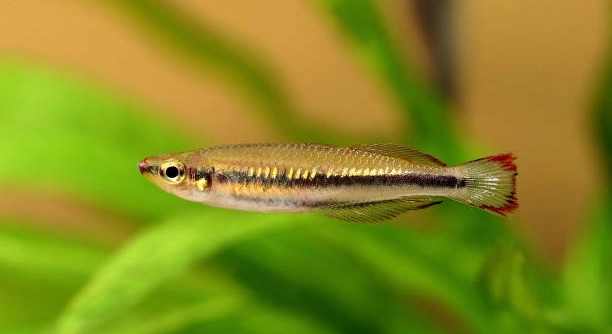
Have you ever watched rainbowfish swimming in a tank and noticed them pausing near the glass? These colorful fish often interact with their environment in ways that can seem playful or even thoughtful. Observing them can be quite engaging.
Rainbowfish do notice their reflection, although they may not fully recognize it as themselves. They often react to reflections as if encountering another fish, displaying behaviors such as flaring, chasing, or exploring the mirrored image.
Understanding these reactions can help you better interpret your rainbowfish’s behavior and create a more enriching environment for them. Small observations reveal a lot about how they perceive their surroundings.
How Rainbowfish React to Their Reflection
Rainbowfish often react strongly when they see their reflection in a tank. Some may swim quickly toward the glass, while others will stay still, studying the mirrored image. These reactions are natural and stem from their instinct to interact with what they perceive as another fish. Younger rainbowfish are often more curious and will spend more time near reflective surfaces, while older fish might show more cautious behavior. The level of aggression or interest can also depend on the species, tank size, and presence of other fish. Reflections can trigger displays like flaring fins, opening mouths, or subtle movements. Observing these behaviors helps understand how rainbowfish interpret their surroundings and can be useful in designing a tank that minimizes stress. Environmental factors such as light, decorations, and water clarity also influence how often and how intensely they respond to reflections. Over time, they may become familiar with the reflection and react less.
Some rainbowfish may seem indifferent to reflections, ignoring them completely for long periods.
Regular observation of these behaviors can help you notice patterns and adjust tank conditions, promoting healthier interactions and reducing unnecessary stress for the fish. Watching how they respond to their own reflection gives insight into their social instincts and natural tendencies.
Managing Reflection in Your Tank
Limiting reflective surfaces can reduce stress and unwanted behaviors.
Rainbowfish may become anxious or aggressive if they constantly see their reflection. Mirrors or glass walls positioned in ways that create repeated reflections can lead to unnecessary chasing, fin flaring, or hiding. Simple adjustments like placing plants, background decorations, or slightly repositioning tank lighting can help break up reflective surfaces. Observing how your fish respond after these changes often shows calmer swimming and less obsessive interaction with the glass. Tank mates also influence reactions; a tank with compatible species can balance social behaviors, while overcrowding might amplify stress from reflections. Maintaining proper tank size, water quality, and hiding spots ensures rainbowfish feel secure. Over time, they may become accustomed to their environment and show more relaxed behavior. Paying attention to subtle changes, such as reduced flaring or chasing, indicates that modifications are working. Thoughtful arrangement of tank elements can improve both the health and happiness of rainbowfish.
Signs Your Rainbowfish Notices Its Reflection
Rainbowfish may approach the glass repeatedly, flare their fins, or change colors slightly when they see their reflection. These behaviors indicate awareness, even if they don’t recognize themselves. Watching closely can reveal how often and intensely they react.
Some rainbowfish will explore the mirrored surface carefully, swimming around it and occasionally nudging it with their noses. Others may display bursts of energy, darting back and forth as if challenging a rival. This behavior is influenced by their social instincts, the tank environment, and the presence of other fish. Fish that are more dominant or territorial often show stronger reactions, while shy or passive rainbowfish may retreat. Noticing these signs helps in managing tank setups to minimize stress. Reflections can be both stimulating and confusing, so observing patterns of interaction over time gives insight into each fish’s personality and comfort level within the tank. Adjusting decorations or lighting can moderate excessive responses.
Reflection interactions can also affect feeding habits. Some rainbowfish may pause when they see their mirrored image, while others seem motivated by the presence of a “competing” fish. These responses are subtle but can influence daily routines. Over time, most rainbowfish adjust to their reflections, showing calmer behavior, though occasional bursts of curiosity remain. By monitoring reactions, you can ensure their environment stays balanced and healthy.
Reducing Stress from Reflections
Placing plants or background elements can help minimize constant reflections, creating a calmer environment.
Using tank decorations strategically reduces mirrored surfaces and the intensity of reactions. Adding tall plants, rocks, or textured backgrounds breaks up reflections and gives rainbowfish places to retreat when they feel threatened or curious. Adjusting lighting can also reduce glare and unwanted mirrored images. Some keepers rotate tank elements periodically to prevent boredom and overreaction to reflections. Observing fish behavior after these changes usually shows calmer swimming and fewer aggressive gestures. Combining proper tank size, compatible tank mates, and sufficient hiding spots supports their natural instincts. Small adjustments often lead to noticeable improvements in overall behavior. A well-planned setup ensures rainbowfish feel secure and interact naturally.
Common Behaviors Around Reflections
Rainbowfish often swim quickly toward the glass or hover near it, showing curiosity or mild aggression. Some may flare fins, while others simply observe their mirrored image quietly, reacting differently based on personality and species.
These behaviors can vary throughout the day. Rainbowfish may ignore reflections when exploring other areas or when feeding, but become more active near reflective surfaces at other times. Younger fish are usually more interactive, while older fish may respond less frequently. Tracking these patterns helps understand individual temperaments and informs how to arrange the tank to reduce stress and encourage natural behavior.
Observing Long-Term Reactions
Over weeks, rainbowfish may start recognizing reflections as non-threatening. Initial flaring and chasing often decrease as they become accustomed to seeing themselves. Some fish may even use the reflection as a cue for play or minor exploration. Changes in interaction frequency can indicate adaptation, personality differences, or environmental comfort. Observing these trends can inform decisions about tank layout, decoration placement, and social groupings. In some cases, persistent reactions suggest that reflective surfaces are too prominent, and adjustments such as adding plants, backgrounds, or dimming lights can help. Long-term observation ensures a balanced environment and healthier fish behavior.
Reflection and Social Behavior
Reflections can influence how rainbowfish interact with other tank mates, sometimes increasing competition or curiosity.
FAQ
Do rainbowfish recognize themselves in a mirror?
Rainbowfish do not fully recognize themselves. They notice reflections and often react as if they are seeing another fish. This can involve swimming toward the reflection, flaring fins, or exploring the mirrored image. Over time, they may become familiar with the reflection and show less intense reactions, but it is not true self-recognition.
Why do my rainbowfish keep attacking their reflection?
Aggressive behavior toward reflections is usually a display of territorial instincts. Rainbowfish interpret their reflection as a rival or intruder. This can lead to chasing, flaring fins, and quick bursts of swimming. Adjusting tank decorations, adding plants, or creating visual barriers can reduce these reactions and help your fish feel more secure.
Is it normal for rainbowfish to ignore their reflection sometimes?
Yes, it is normal. Responses to reflections can vary depending on time of day, mood, and presence of other fish. Some fish are curious and interact often, while others are shy or focused on other activities. Not all rainbowfish react consistently, and occasional ignoring is perfectly natural.
Can reflections stress rainbowfish?
Reflections can cause mild stress, especially if they appear constantly or seem threatening. Stress may lead to hiding, fin damage, or disrupted feeding habits. Reducing reflective surfaces, adding plants, and arranging hiding spots helps create a calmer environment. Regular observation ensures the fish adapt well and maintain healthy behavior.
Do all rainbowfish species react the same way to reflections?
Reactions differ among species. Some are more territorial and will show stronger responses, while others remain calm or indifferent. Environmental factors, tank size, and social groupings also influence reactions. Watching each species closely is important for understanding behavior and creating the right tank setup.
Can mirror exposure improve rainbowfish activity?
Moderate exposure can stimulate curiosity and exercise, encouraging movement and interaction. However, too much exposure may increase stress or aggression. Balancing reflective surfaces with plants, hiding spots, and proper lighting allows rainbowfish to benefit from stimulation without negative effects. Observation is key to ensuring healthy activity levels.
How can I tell if reflection behavior is a problem?
If a rainbowfish constantly flares, chases the reflection, or avoids certain areas, it may indicate stress. Other signs include loss of color, reduced appetite, or damaged fins. Adjusting tank setup, lighting, or decorations can help reduce excessive reactions and create a more stable environment for the fish.
Do rainbowfish react differently to partial reflections or shadows?
Yes, partial reflections or shadows may trigger curiosity without aggressive behavior. Fish might approach cautiously or inspect the area briefly. This can be less stressful than full mirrored images. Using partial reflections strategically can provide stimulation while avoiding constant stress or territorial responses.
Will rainbowfish ever stop noticing their reflection completely?
Most rainbowfish reduce intense reactions over time but rarely stop noticing reflections entirely. Familiarity usually leads to calmer behavior, with occasional glances or mild interaction. Maintaining a balanced tank environment with plants and decorations helps them adapt comfortably without constant stress from reflections.
Are reflections useful for observing rainbowfish behavior?
Reflections can provide insight into natural instincts, territorial behavior, and curiosity. Observing how fish interact with mirrored images helps identify personality traits, stress levels, and social tendencies. Careful observation combined with tank adjustments can improve both their environment and well-being, offering a deeper understanding of rainbowfish behavior.
Rainbowfish are fascinating creatures, and observing how they interact with their reflection gives a glimpse into their natural instincts and behavior. They often respond to mirrored images as if encountering another fish, showing curiosity, aggression, or cautious interest depending on their personality. These behaviors are normal and can vary from fish to fish. Some may swim quickly toward the glass, flare their fins, or explore the reflection carefully. Others might seem indifferent, only glancing occasionally or ignoring it entirely. Understanding these reactions helps in interpreting the fish’s behavior and provides insight into their social tendencies. Recognizing that they do not fully recognize themselves but still notice their reflection is important when arranging the tank or planning interactions. Observing these interactions over time allows you to notice patterns and understand which fish are more dominant, curious, or shy.
Managing the environment is key to maintaining a healthy and stress-free habitat for rainbowfish. Constant exposure to reflections may cause stress or unnecessary aggression, especially in smaller tanks or with territorial species. Simple adjustments like adding plants, rocks, or textured backgrounds can break up reflective surfaces and create hiding spots. Adjusting lighting or repositioning decorations can also reduce intense mirrored images, giving the fish a sense of security. Tank size and the presence of compatible tank mates play an important role in how rainbowfish react to reflections. Over time, they may become accustomed to seeing themselves in the glass, showing calmer behavior and less aggressive reactions. Keeping a balance between stimulation and comfort ensures they remain active and healthy without feeling threatened by constant mirrored images. Small changes can have a noticeable effect on behavior, making observation and experimentation worthwhile.
Watching rainbowfish interact with their reflections can be both educational and enjoyable. It reveals details about their instincts, social behavior, and personality traits that are not always obvious during normal tank activity. Reflections can provide stimulation and enrichment when used carefully, but moderation is necessary to prevent stress or excessive aggression. Regularly observing and adjusting the tank environment allows the fish to develop a sense of comfort and familiarity, supporting natural behaviors while minimizing tension. By paying attention to how individual rainbowfish respond, it is possible to create a well-balanced environment that meets their physical and mental needs. Overall, reflections are a part of their experience in a tank, offering insight into their behavior while reminding keepers of the importance of careful observation and thoughtful tank design.

Hello,
If you enjoy the content that we create, please consider saying a "Thank You!" by leaving a tip.
Every little bit helps us continue crafting quality advice that supports the health, happiness, and well-being of pets around the world, for pets of all shapes, sizes, and species.
We really appreciate the kindness and support that you show us!