
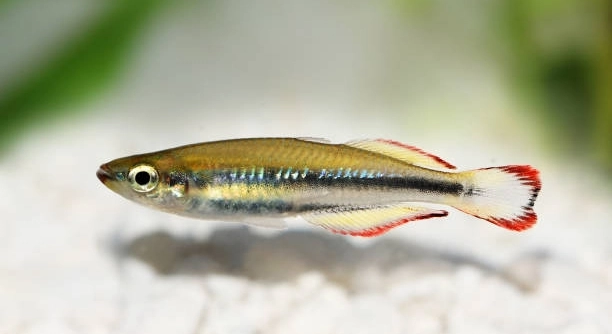
Have you ever noticed how rainbowfish move gracefully in their tanks, gliding past each other in shimmering colors? These small, lively fish often catch our attention with their bright patterns and playful behavior.
Rainbowfish are capable of recognizing faces, showing an ability to distinguish familiar individuals from strangers. Studies indicate that they use visual cues and memory to identify other fish and human observers, demonstrating a surprisingly advanced cognitive skill for a small species.
Understanding how rainbowfish recognize faces can reveal more about their social behavior and intelligence, helping us create better care and enrichment for them in home aquariums.
How Rainbowfish See Faces
Rainbowfish rely heavily on their vision to interact with their environment. Their eyes are adapted to detect colors and shapes, allowing them to distinguish between different fish and objects in their tanks. Researchers have found that they pay close attention to the facial patterns of other fish, remembering specific markings and features. This ability helps them navigate social hierarchies, avoid aggression, and recognize familiar tank mates. Even in small aquariums, they can show preference for certain fish, often swimming closer to those they remember. Their memory for faces seems to extend to human observers as well, as they can learn to associate feeding times with the people who provide food. This combination of visual acuity and memory demonstrates a level of intelligence that is often overlooked in small fish. Observing rainbowfish closely can reveal subtle behaviors that indicate recognition and social awareness, making them more engaging to watch.
Rainbowfish use visual memory to distinguish familiar fish from strangers, showing clear preferences for known faces over unknown ones.
Watching rainbowfish interact highlights how their recognition abilities influence their social behavior. They often approach certain fish first, follow them during swimming, or engage in playful displays, suggesting that they remember and respond to individual characteristics. Their attention to detail is not random but purposeful, aiding their survival in complex social settings. Recognizing faces also reduces stress, as they feel safer around familiar individuals. This pattern extends to humans in some cases, with rainbowfish showing anticipation when feeding is associated with a specific person. Such behavior reveals that even small fish have sophisticated ways of navigating relationships, relying on memory and visual cues. By noting these interactions, observers can gain insight into their intelligence and emotional responses, offering a richer understanding of these aquatic creatures’ everyday lives.
Training Rainbowfish to Recognize You
Rainbowfish can learn to associate you with feeding if you are consistent and patient.
Consistency is key when helping rainbowfish recognize a human face. Approaching the tank at the same times each day and offering food can create a predictable pattern. Over time, fish begin to anticipate your presence and react accordingly, swimming closer to the area you appear. Visual cues, such as your hand movements or clothing, help reinforce recognition. Patience is essential, as learning may take days or weeks depending on the individual fish. Gentle movements prevent stress and encourage approach behavior. This training enhances interactions and reduces anxiety during tank maintenance, making the experience enjoyable for both the fish and the observer. Observing their responses also allows you to note individual personalities and preferences. With careful attention, rainbowfish demonstrate remarkable memory and social skills, showing that they can learn and respond to human presence in ways that make aquarium care more engaging and interactive.
Recognizing Tank Mates
Rainbowfish show clear recognition of other fish in their tank. They often swim toward familiar individuals and keep a comfortable distance from those they do not know. This behavior helps reduce conflict and maintain a peaceful environment in the aquarium.
Recognition among rainbowfish influences their daily interactions and social order. Fish that know each other tend to swim together, share feeding spots, and engage in playful chasing. New or unfamiliar fish may be avoided or observed cautiously until they are accepted. This memory of faces and patterns is important for reducing stress and preventing fights, ensuring a stable group dynamic. It also allows each fish to feel secure, as they can predict behaviors from those they recognize. Their ability to remember visual cues demonstrates cognitive skills that support social organization and overall wellbeing.
The process of learning and remembering faces appears gradual but consistent. Rainbowfish rely on repeated exposure to familiarize themselves with others, often using subtle movements, color patterns, and positioning. They seem to develop preferences for certain tank mates based on past interactions, which can affect where they swim and who they interact with most. Over time, they remember which individuals are safe to approach and which require caution. This visual memory is particularly impressive considering their small size, showing that even simple creatures possess complex cognitive abilities that support their social lives.
Human Interaction and Recognition
Rainbowfish can differentiate between familiar and unfamiliar humans through repeated observation. They often respond to the person who feeds them regularly.
Regular interaction allows rainbowfish to associate humans with feeding and care routines. Over days or weeks, they begin to recognize movements, hands, and even clothing patterns. This recognition reduces stress when someone approaches the tank, as they anticipate food rather than seeing a potential threat. Fish may swim closer, follow movements, or display excitement, showing clear awareness of the familiar person. Human recognition builds trust and strengthens the connection between caretaker and fish, creating a more engaging and responsive aquarium environment.
Observing rainbowfish during feeding sessions highlights their learning and memory capabilities. They remember which individual provides food and can distinguish them from strangers based on visual cues. This behavior is not limited to feeding alone; fish may show preference by swimming toward the familiar person, waiting near the tank front, or becoming more active in their presence. Such recognition demonstrates that even small fish have cognitive skills that allow them to navigate both social and environmental challenges. Repetition and consistency reinforce these associations, making the fish more confident and responsive over time. The ability to identify humans adds another layer to their social awareness, showing that intelligence in fish can extend beyond their species.
Memory and Recognition
Rainbowfish can remember faces for several days, showing strong visual memory. Familiar fish or humans trigger recognition, while unfamiliar ones are treated cautiously, helping maintain safety and social balance in their environment.
This memory supports daily routines and reduces stress. Fish quickly learn who provides food or companionship, avoiding unnecessary conflict and focusing on positive interactions.
Social Learning Among Rainbowfish
Rainbowfish often learn from observing others in their tank. They watch how peers interact, where they swim, and which areas are safe. This observational learning helps them navigate social hierarchies and understand environmental cues. By mimicking behaviors of recognized individuals, they increase survival chances and integrate more smoothly into their community. Their memory and visual recognition skills enhance this process, allowing them to distinguish experienced peers from newcomers. Over time, fish adjust their movements, feeding strategies, and social interactions based on what they observe, demonstrating that even small fish rely on cognitive abilities to maintain social harmony and respond to dynamic tank environments effectively.
Factors Affecting Recognition
Lighting, tank size, and visual clarity impact how well rainbowfish recognize others. Clear water and good light improve their ability to see faces and colors.
FAQ
Can rainbowfish really recognize human faces?
Yes, rainbowfish can recognize humans, especially those who feed or care for them regularly. They use visual cues like hand movements, clothing patterns, and presence at feeding times. Over repeated exposure, they begin to anticipate feeding and respond positively, swimming closer or following movements near the tank. This recognition reduces stress and makes them more comfortable around familiar people.
How do rainbowfish recognize other fish in the tank?
Rainbowfish observe patterns, colors, and behaviors of tank mates. Familiar fish are approached more often, while new or unfamiliar fish are observed cautiously. Recognition helps reduce conflict, establish social hierarchies, and create a stable environment. Fish that remember others tend to swim together, share feeding areas, and engage in playful interactions, maintaining social balance.
How long can rainbowfish remember faces?
Studies suggest that rainbowfish can retain recognition of familiar fish or humans for several days to weeks. This memory allows them to react consistently to tank mates and caregivers, showing preference for familiar individuals and avoiding unnecessary stress. Visual patterns, past interactions, and repeated exposure all reinforce memory.
Does the size of the tank affect recognition?
Yes, tank size can influence recognition. In larger tanks, it may take longer for rainbowfish to identify individuals because they have more space to explore and fewer repeated encounters. Smaller tanks allow frequent interaction, making recognition quicker and more reliable. Environmental stability also supports memory retention.
Can rainbowfish learn from observing others?
Rainbowfish engage in social learning, often mimicking behaviors of other fish. They observe which areas are safe, how peers interact, and feeding routines. Recognizing experienced individuals helps them adapt quickly, avoid threats, and integrate into social groups efficiently. Visual recognition plays a crucial role in this learning process.
Do rainbowfish show preference for certain individuals?
Yes, rainbowfish often display preference toward familiar fish or humans. They may follow, swim closer, or engage more with individuals they recognize. These preferences are linked to memory, past interactions, and social comfort. Familiarity reduces stress and fosters more natural, confident behavior in the tank.
What factors improve rainbowfish recognition?
Clear water, good lighting, and consistent routines enhance recognition. Visual clarity allows them to notice facial patterns and colors more easily, while repeated feeding or interaction builds stronger associations. Minimizing sudden changes in the tank environment also supports their ability to remember individuals.
Can rainbowfish recognize strangers?
Yes, unfamiliar fish or humans are approached cautiously. Rainbowfish may observe them from a distance, showing curiosity but maintaining safety. Over time, some strangers can become familiar, while others remain separate, demonstrating that recognition is selective and influenced by repeated exposure.
Does age affect recognition ability?
Younger rainbowfish may take longer to recognize faces due to developing memory and visual skills. Adult fish typically show stronger recognition and memory retention. Experience and repeated exposure improve their ability to distinguish between familiar and unfamiliar individuals, making social interactions smoother as they mature.
Is recognition linked to feeding behavior?
Recognition is closely tied to feeding. Fish quickly learn which individuals provide food and react by swimming closer or anticipating feeding times. This behavior demonstrates memory, trust, and the ability to connect visual cues with positive outcomes. Consistent routines reinforce these associations and strengthen recognition.
Can recognition reduce stress in rainbowfish?
Yes, familiarity lowers anxiety. Recognizing other fish or caregivers helps rainbowfish predict behaviors and avoid unexpected interactions. A tank with familiar faces feels safer, leading to calmer swimming, more regular feeding, and healthier overall behavior. Stress reduction through recognition improves both social interaction and well-being.
Do rainbowfish recognize patterns or just faces?
They recognize both. Facial patterns, colors, and movement behaviors all play a role. Recognition is not limited to shape or color alone but involves a combination of visual cues that allow them to identify individuals accurately and consistently over time.
How can I help my rainbowfish recognize me faster?
Approach feeding times consistently, use similar hand movements, and avoid sudden changes. Repetition and gentle interaction strengthen recognition. Observing their responses allows you to adjust your approach and encourage a calm, trusting environment, making interactions more rewarding for both you and the fish.
Are all rainbowfish equally good at recognizing faces?
Individual variation exists. Some fish are naturally more attentive and responsive, while others may take longer to show recognition. Factors include age, personality, past experiences, and environmental stability. Consistency in care and interaction improves recognition across all individuals.
Can rainbowfish recognize faces of other species?
Primarily, recognition occurs within their own species, but they can sometimes distinguish humans or other tank species if there are repeated interactions. Visual memory, color patterns, and consistent exposure allow them to adapt to a variety of cues beyond their immediate species.
Does recognition affect social hierarchy?
Yes, remembering familiar fish helps rainbowfish navigate social hierarchies. They learn who is dominant, who is submissive, and adjust behavior accordingly. This recognition prevents unnecessary conflict, supports group cohesion, and maintains a stable, peaceful environment in the tank.
How does lighting influence recognition?
Bright, natural-like lighting enhances visual clarity and makes colors and patterns easier to distinguish. Poor or inconsistent lighting can reduce recognition, as fish may struggle to see subtle differences in markings or movements, which are essential for identifying familiar individuals accurately.
Are there signs that a rainbowfish recognizes me?
Yes. They may swim closer, follow movements, hover near the front of the tank, or become more active during feeding. These behaviors indicate awareness and anticipation, showing that they remember you and associate your presence with food or positive interaction.
Does recognition improve with age and experience?
Recognition skills generally improve as fish mature. Older rainbowfish with repeated exposure to the same individuals develop stronger memory and visual discrimination, allowing more confident interactions with both tank mates and humans, supporting social stability and reduced stress.
Can stress affect a rainbowfish’s ability to recognize faces?
High stress can impair memory and attention, making it harder for rainbowfish to recognize familiar individuals. Providing a calm, stable environment with consistent feeding and tank conditions helps preserve their recognition abilities and overall well-being.
How important is consistency in helping recognition?
Consistency is crucial. Regular feeding schedules, repeated visual cues, and predictable interactions strengthen memory and recognition. Inconsistent behavior, sudden changes, or irregular routines can confuse fish and slow the learning process, reducing their ability to distinguish familiar from unfamiliar individuals.
Do rainbowfish use smell or other senses for recognition?
While vision is primary, other senses like smell may play a minor role in recognizing tank mates. Chemical cues can help confirm familiarity, but visual patterns, movement, and repeated exposure are the main factors driving recognition in rainbowfish.
Can rainbowfish remember faces after long periods without interaction?
Memory retention varies, but rainbowfish can recall familiar faces even after several days or weeks without contact. Regular reinforcement through feeding or interaction strengthens long-term recognition, ensuring that both human and fish relationships remain consistent over time.
How can I observe recognition behavior in my rainbowfish?
Feed consistently, watch responses to familiar individuals, and note interactions among tank mates. Look for approach behaviors, following movements, or activity changes. Observing these patterns reveals memory and recognition skills while helping you understand each fish’s personality and preferences in the tank.
Do rainbowfish recognize faces in groups or only individually?
They recognize both individual faces and group patterns. Familiar groups may swim together, while specific individuals are approached more often. Recognition is flexible, allowing them to navigate social structures efficiently and respond to both individual and collective behaviors in the tank.
Can recognition skills improve over time?
Yes, with repeated exposure and consistent interaction, rainbowfish strengthen their ability to identify both humans and other fish. Regular practice, predictable routines, and calm environments enhance memory and responsiveness, demonstrating that recognition is a learned and adaptable skill.
Do rainbowfish use recognition to reduce conflict?
Absolutely. Recognizing tank mates helps them avoid unnecessary aggression by identifying familiar individuals and adjusting behavior. This ability supports peaceful coexistence, reinforces social hierarchies, and reduces stress, contributing to a more stable and healthy aquarium environment.
How does tank environment affect recognition?
Clear water, proper lighting, stable temperature, and minimal disturbances all support recognition. Environmental consistency allows rainbowfish to focus on visual cues, remember individuals accurately, and interact confidently, maintaining social stability and reducing stress within the tank.
Can rainbowfish recognize me through glass?
Yes, they can. Even through the tank glass, they respond to visual cues like hand movements and feeding gestures. Over time, they learn to associate these signals with positive experiences, showing clear recognition despite the barrier.
Is it possible for rainbowfish to forget familiar faces?
Memory can fade without regular reinforcement. Extended periods without interaction may reduce recognition, but repeated exposure and consistent care help maintain memory, allowing fish to quickly relearn and respond appropriately to familiar individuals.
How do rainbowfish respond when they recognize a familiar face?
They often swim closer, show excitement, or follow movements near the tank. Recognition reduces stress, encourages interaction, and demonstrates memory, trust, and social awareness, making the aquarium environment more engaging and predictable for both fish and caretaker.
Does recognition vary between individual rainbowfish?
Yes, some are naturally more observant or responsive. Personality, age, past experiences, and environmental stability all influence recognition abilities. Consistent routines and interaction improve recognition across individuals, but natural variation remains.
Can rainbowfish recognize faces in different lighting conditions?
Recognition is strongest in good lighting. Poor or inconsistent lighting makes it harder to see patterns and colors clearly, which can reduce the accuracy of identification. Consistent, bright, and natural-like light supports visual recognition.
How important is visual clarity for recognition?
Clear water is essential. Particles, algae, or murky conditions can obscure markings and movements, making it difficult for rainbowfish to identify familiar individuals. Maintaining a clean tank ensures they can recognize tank mates and humans reliably.
Do rainbowfish respond differently to familiar and unfamiliar humans?
Yes, familiar humans are approached, followed, or anticipated, while strangers are observed cautiously. Repeated exposure to a specific person strengthens recognition, building trust and encouraging confident behavior during feeding and tank interaction.
Are recognition skills linked to intelligence in rainbowfish?
Recognition demonstrates memory, learning, and social awareness, all indicators of cognitive ability. Rainbowfish show that even small fish possess intelligence that supports social interaction, environmental navigation, and adaptive behavior within the tank.
Can rainbowfish recognize faces after relocation to a new tank?
They may take time to readjust. Familiar individuals can be recognized if visual cues remain visible, but the new environment may slow recognition temporarily. Consistent routines and exposure help fish reacquire familiarity and confidence in the new setting.
Does social structure affect recognition?
Yes, dominant and subordinate roles influence interactions. Rainbowfish remember positions and behaviors of others, which reduces conflict and ensures smoother social dynamics. Recognition supports hierarchy and cooperation within the group, contributing to a balanced tank environment.
Can rainbowfish recognize faces in large groups?
Recognition works in both small and large groups. They identify individuals among multiple fish by patterns, color, and behavior, while still observing group dynamics. This skill allows them to navigate complex social environments efficiently.
Does feeding method influence recognition?
Hand-feeding or consistent positioning enhances recognition. Fish quickly associate repeated gestures with food, while irregular or automated feeding may slow the learning process. Predictable interaction strengthens memory and visual recognition, making feeding times more engaging and interactive.
How do rainbowfish react to unfamiliar tank mates?
They observe cautiously, maintain distance, and sometimes display curiosity. Recognition is selective; repeated exposure may lead to familiarity, but initial interactions are careful, showing that memory and visual assessment are crucial for safe social integration.
Are recognition behaviors visible during play or movement?
Yes, familiar individuals are approached more frequently during swimming or playful chasing. Fish may follow known tank mates, coordinate movements, or engage in gentle displays, demonstrating memory, social awareness, and learned preferences.
Do rainbowfish show recognition outside of feeding times?
Recognition extends beyond feeding. Fish notice familiar tank mates during exploration, resting, or interaction, responding with approach, avoidance, or coordinated swimming. This ongoing awareness demonstrates memory and social cognition in daily activities.
Can rainbowfish learn to recognize multiple humans?
Yes, they can distinguish between several people if interactions are consistent. Each human can become associated with feeding, care, or observation, allowing fish to respond appropriately to different individuals based on memory and repeated exposure.
Does recognition improve social harmony?
Recognition reduces aggression, supports hierarchy, and encourages cooperative behavior. Familiarity with tank mates and humans helps fish navigate interactions confidently, creating a stable, peaceful, and predictable environment for all individuals.
How do rainbowfish respond to sudden changes in environment?
They may become cautious, stressed, or confused. Sudden changes can temporarily impair recognition, as visual cues may shift or become less reliable. Consistent routines and careful adjustment help fish maintain recognition and adapt more smoothly.
Can rainbowfish recognize faces of other species in community tanks?
Recognition is strongest for their own species, but repeated exposure allows them to identify other species that share feeding or interaction patterns. Visual memory and consistent cues help them distinguish familiar individuals across species boundaries.
Does recognition affect reproduction or mating behavior?
Familiarity can influence mating behavior. Rainbowfish are more likely to engage in courtship with recognized individuals, as memory and social comfort reduce stress and support coordinated interactions, contributing to successful reproduction and stable pairings.
Are recognition skills unique to rainbowfish?
Other fish species also show recognition, but rainbowfish display notable visual memory and social learning. Their combination of memory, observation, and interaction demonstrates cognitive abilities that make them particularly responsive and socially aware among small aquarium fish.
Can stress from overcrowding affect recognition?
Overcrowding increases stress, which can impair memory and reduce the ability to distinguish familiar faces. Maintaining adequate space and a stable social environment supports recognition, memory, and overall health.
Do rainbowfish use body language to recognize individuals?
Yes, movements, posture, and swimming patterns all help distinguish familiar individuals. Body language complements visual cues and memory, supporting social interactions, hierarchy, and recognition in both tank mates and humans.
Can recognition skills decline with illness or age?
Health issues or advanced age may reduce memory and responsiveness. Sick or older fish may show slower recognition, reduced approach behavior, or less interaction. Maintaining proper care and a calm environment helps preserve recognition abilities as much as possible.
Are there signs that a rainbowfish has forgotten a familiar face?
Signs include hesitation, avoidance, or cautious behavior toward previously familiar fish or humans. Reduced engagement, slower responses, or increased stress indicate memory has faded and may require reinforcement through repeated interaction.
Does visual pattern complexity affect recognition?
Distinct colors and markings make recognition easier, while uniform or muted patterns can slow learning. Rainbowfish rely on clear visual differences to identify and remember individuals accurately, emphasizing the importance of visual cues.
Can rainbowfish recognize individuals after a long absence?
Yes, with consistent cues and exposure before separation, they can recall familiar faces. Memory may fade slightly, but reinforcement helps reestablish recognition quickly, showing that their cognitive abilities support long-term visual memory.
How can I strengthen recognition between rainbowfish and myself?
Feed at consistent times, use gentle hand movements, and maintain predictable routines. Repetition builds familiarity, reducing stress and increasing approach behavior. Observing responses allows adaptation and encourages trust, helping rainbowfish remember and respond to you reliably.
Do rainbowfish respond differently to multiple humans?
They can distinguish between people if interactions are consistent. Fish associate specific gestures, feeding, or care routines with different individuals, responding appropriately based on memory and familiarity.
Are rainbowfish capable of recognizing changes in familiar faces?
Yes, significant changes in appearance, like clothing or hand position, may cause momentary hesitation. Recognition relies on repeated visual cues, so fish may need time to adjust to noticeable differences.
How important is repetition in recognition?
Repetition is key. Frequent interaction and predictable routines reinforce memory, allowing rainbowfish to identify familiar individuals consistently. Without repetition, recognition may weaken, and fish may respond cautiously or unpredictably.
Can recognition improve their overall well-being?
Familiarity reduces stress, encourages normal behavior, and strengthens social bonds. Recognized individuals provide comfort, support feeding routines, and help rainbowfish feel secure, contributing to better health and a stable, engaging tank environment.
Do rainbowfish show excitement when recognizing someone?
Yes, they often swim closer, become more active, or follow movements near the tank. These behaviors demonstrate memory, anticipation, and positive association with familiar individuals, showing clear recognition and engagement.
Can rainbowfish differentiate between familiar and unfamiliar humans at a distance?
They can often identify familiar people from across the tank using visual cues, movement patterns, and past experience. Distance may slightly reduce accuracy, but recognition remains effective with consistent exposure.
Are there ways to observe recognition without disturbing the tank?
Yes, quiet observation during feeding or movement periods allows you to see approach behavior, following, or interaction preferences. Minimal disturbance preserves natural behavior and shows genuine recognition.
Does tank decor affect recognition?
Complex or cluttered tanks may make recognition slightly more challenging, as visual cues are partially obscured. Clear sightlines, open swimming areas, and well-lit environments support easier identification of individuals.
Can rainbowfish recognize you through tinted or thick glass?
Recognition may be reduced, as visual clarity is essential. Clear, clean glass allows them to see cues more effectively, improving memory and response to familiar individuals.
Do rainbowfish recognize each other’s behavior patterns?
Yes, movement, swimming style, and social interactions help them distinguish familiar tank mates. Combined with visual cues, this behavioral recognition supports social hierarchy and group cohesion.
How long does it take for rainbowfish to recognize a new person?
Time varies, but consistent daily interaction usually leads to recognition within days to weeks. Patience and gentle routines are essential for building familiarity.
Can recognition skills be affected by water quality?
Poor water quality can stress fish and reduce attention, impairing recognition. Clean, stable water supports memory, social behavior, and responsiveness, ensuring rainbowfish can distinguish familiar individuals effectively.
Do rainbowfish respond differently when recognizing each other compared to humans?
Recognition of tank mates often involves social behaviors like following, chasing, or sharing space. Recognition of humans is usually linked to feeding or interaction, showing anticipation and approach behaviors rather than social dominance.
Are recognition abilities inherited or learned?
Recognition is largely learned through repeated exposure, observation, and interaction. Cognitive skills like memory and visual discrimination support learning, though natural attentiveness and responsiveness vary between individuals.
Can rainbowfish recognize faces in dim lighting?
Recognition is harder in low light. Visual cues like color and patterns become less clear, slowing identification. Proper lighting ensures they can distinguish individuals accurately.
Do rainbowfish use recognition to avoid conflict?
Yes, familiar individuals are approached confidently, while unfamiliar ones are treated cautiously. Recognition allows them to navigate social hierarchies and avoid unnecessary aggression, promoting harmony in the tank.
Can rainbowfish recognize multiple tank mates at once?
They
Rainbowfish are more intelligent than many people realize. Their ability to recognize faces, whether of other fish or humans, shows that they have memory, learning skills, and social awareness. This recognition is not just a random reaction. It is based on repeated observation, visual cues, and familiarity. Over time, rainbowfish can tell which fish are familiar and which are new, approaching the known ones confidently while being cautious with strangers. This behavior reduces stress, prevents unnecessary conflicts, and helps maintain harmony in the tank. Observing them closely can reveal subtle differences in behavior, like how they follow certain fish, swim together, or react when someone approaches the tank. These small actions indicate that they remember and recognize individuals, demonstrating a level of cognition that many people may not expect from a small aquarium fish.
Recognition also extends to humans who interact with them regularly. Rainbowfish can learn to associate specific people with feeding or care routines. They notice movements, hand positions, and even clothing patterns, responding differently to familiar humans than to strangers. Over time, they may swim closer, follow movements near the tank, or display excitement when a known person approaches. This interaction shows that their recognition skills are flexible and adaptable. It is influenced by consistency, repetition, and a calm environment. Regular feeding schedules, gentle approaches, and stable tank conditions strengthen their memory and ability to recognize individuals. This knowledge can improve the care we provide, as it allows us to build trust with our fish and reduce stress during feeding or tank maintenance. Recognition is therefore both a cognitive ability and an important part of their social and environmental well-being.
Understanding how rainbowfish recognize faces also highlights their social behaviors. They remember patterns, movements, and behaviors of their tank mates, which helps them navigate social hierarchies. Fish that know each other interact more smoothly, share feeding areas, and engage in playful behaviors, while unfamiliar fish are observed cautiously until they are accepted. Memory and recognition make these social interactions possible, creating a more stable and peaceful aquarium environment. Their ability to identify familiar individuals, adapt to new faces, and respond appropriately demonstrates that even small fish have complex social skills. Paying attention to these behaviors can make caring for rainbowfish more rewarding and engaging. It reminds us that fish are capable of learning, remembering, and forming relationships, showing that intelligence and social awareness are not limited to larger animals. By providing consistent care and observing their interactions, we can appreciate the subtle ways rainbowfish demonstrate recognition and memory every day, making them fascinating companions in an aquarium setting.

Hello,
If you enjoy the content that we create, please consider saying a "Thank You!" by leaving a tip.
Every little bit helps us continue crafting quality advice that supports the health, happiness, and well-being of pets around the world, for pets of all shapes, sizes, and species.
We really appreciate the kindness and support that you show us!