
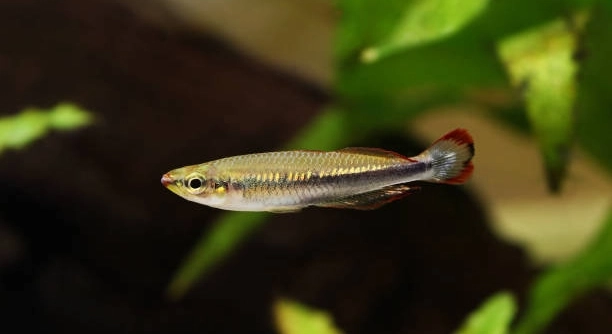
Keeping rainbowfish and shrimp together can be a rewarding experience for aquarium enthusiasts. Their vibrant colors and active behavior create a lively tank environment that brings beauty and enjoyment to any home aquarium setup.
Maintaining a harmonious environment between rainbowfish and shrimp requires careful attention to tank size, water parameters, hiding spaces, and feeding routines. Ensuring compatibility, avoiding aggressive species, and monitoring behavior are essential for their coexistence and overall health.
These practical tips will guide you in creating a balanced, peaceful tank that allows both rainbowfish and shrimp to thrive together successfully.
Choosing the Right Tank Size
A spacious tank is essential when keeping rainbowfish with shrimp. Rainbowfish are active swimmers and require plenty of room to move freely. Small tanks can lead to stress and aggression, which may put shrimp at risk. A minimum of 20 gallons is recommended for a small group of rainbowfish and a colony of shrimp. Proper filtration is also crucial to maintain water quality and reduce the buildup of harmful substances. Plants and decorations can provide hiding spots, helping shrimp feel secure while allowing rainbowfish to swim openly. Regular water changes and monitoring parameters such as temperature, pH, and ammonia levels will ensure a healthy environment. A well-planned tank layout creates a balance between open swimming areas for fish and secluded spaces for shrimp. Observing interactions between species early on helps identify potential issues before they escalate. This preparation supports a stable, low-stress aquarium for all inhabitants.
Starting with the right tank size prevents stress and promotes harmony between rainbowfish and shrimp. It allows each species to thrive naturally.
Proper tank setup includes suitable plants, decorations, and filtration. Ensuring ample swimming space and hiding spots is key for maintaining peace and health in the aquarium.
Monitoring Water Conditions
Maintaining consistent water parameters is vital for rainbowfish and shrimp health. Both species thrive in clean, slightly alkaline water with stable temperatures. Regular testing of ammonia, nitrite, and nitrate levels prevents sudden spikes that can be harmful. Temperature should remain between 72 and 78°F to suit both species. pH should be slightly above neutral, ideally between 7.0 and 7.5, while hardness should be moderate. Filtration helps remove waste and toxins, but over-filtering can create strong currents that stress shrimp. Partial water changes of 20-25% weekly help maintain clarity and stability. Introducing live plants can assist in natural filtration and provide shelter. Avoid sudden changes in water chemistry, as they can trigger stress or illness. Keeping a consistent routine with feeding, cleaning, and monitoring allows for early detection of potential problems. This diligence ensures the long-term health of both rainbowfish and shrimp.
Regularly checking water conditions keeps the tank safe and stable for all inhabitants.
Consistent care, proper temperature, pH, and filtration prevent stress, maintain water clarity, and support the health of rainbowfish and shrimp together.
Providing Hiding Spots
Hiding spots reduce stress for shrimp and prevent them from being chased by rainbowfish. Plants, caves, and driftwood offer safe areas. Dense vegetation gives shrimp places to molt safely and avoid confrontation while allowing fish to swim freely.
Using live plants such as Java moss or Anubias is ideal for creating hiding spaces. Shrimp use these areas for shelter and grazing, while rainbowfish remain active in open areas. Smooth rocks and driftwood can also create natural caves that fit small shrimp. The placement of these elements should balance open swimming zones with shaded retreats. Observing shrimp behavior can help determine if more hiding spots are needed to prevent stress or injury. Properly designed shelters improve survival rates and overall harmony in the tank.
Caves, plants, and driftwood provide security for shrimp and support natural behaviors. These elements help maintain a peaceful coexistence with rainbowfish.
Balanced Feeding
Feeding both rainbowfish and shrimp requires attention to their dietary needs. Rainbowfish eat flakes, pellets, and occasional live foods, while shrimp prefer algae, biofilm, and sinking foods.
Overfeeding can harm water quality, so portion control is necessary. Feeding small amounts multiple times a day works well. Rainbowfish may compete for food, so scattering flakes and using sinking pellets ensures shrimp access to nutrition. Including blanched vegetables like zucchini or spinach supports shrimp growth. Monitoring feeding behavior helps adjust quantities and types of food, preventing aggression or malnutrition. Variety in the diet keeps both species healthy and active.
Providing the right food in correct amounts ensures shrimp and rainbowfish remain healthy. Observing feeding behavior helps maintain balance.
Avoiding Aggressive Tankmates
Aggressive fish can stress or harm shrimp, even if rainbowfish are peaceful. Choosing compatible species is essential to maintain a safe environment.
Avoiding fin-nippers or overly territorial fish ensures shrimp can move freely without constant threat. Peaceful tankmates promote harmony and reduce stress for all inhabitants.
Maintaining Clean Substrate
A clean substrate prevents waste buildup that can harm both rainbowfish and shrimp. Regular vacuuming and gentle stirring help remove uneaten food and debris. Avoid harsh cleaning that disturbs shrimp or plants, keeping the tank safe while maintaining hygiene and water quality.
Controlling Algae Growth
Algae provides a natural food source for shrimp but excessive growth can reduce water quality. Regular cleaning and controlled lighting balance algae levels, ensuring shrimp have access to biofilm without compromising the tank’s health.
FAQ
How many rainbowfish can I keep with shrimp in one tank?
The number of rainbowfish depends on the tank size and hiding spots available for shrimp. A small group of five to six rainbowfish in a 20-gallon tank works well with a colony of shrimp. Avoid overcrowding to reduce stress and aggression. Larger tanks can hold more fish, but always provide sufficient plants, caves, or driftwood so shrimp have areas to retreat. Observing interactions early helps determine if additional hiding spaces or adjustments are needed to maintain peace.
What is the ideal water temperature for rainbowfish and shrimp?
Both species thrive in similar temperatures, typically between 72 and 78°F. Maintaining stable temperature is crucial, as sudden fluctuations can stress shrimp and weaken rainbowfish. Using a reliable heater and thermometer ensures the tank stays within this range consistently. Avoid placing the tank near windows or vents where temperature swings might occur. Gradual adjustments during seasonal changes help prevent shock, molting problems in shrimp, and behavioral issues in rainbowfish.
Can I keep multiple shrimp species with rainbowfish?
Yes, but compatibility depends on size and temperament. Smaller, peaceful shrimp like Cherry or Amano shrimp are ideal. Mixing species with different needs may require more careful monitoring of diet, water parameters, and hiding spots. Ensure each species has enough space to establish its own territory. Dense plants and layered substrate can support multiple shrimp species without creating conflicts. Observing behavior during the first few weeks helps identify stress or aggression that may require separation.
How often should I feed rainbowfish and shrimp?
Feeding small amounts two to three times daily works best. Rainbowfish consume flakes, pellets, and occasional live food, while shrimp need biofilm, algae, and sinking foods. Overfeeding can cause water quality problems, so only provide what will be eaten within a few minutes. Including blanched vegetables such as zucchini or spinach benefits shrimp growth. Scattering food and using sinking pellets ensures both fish and shrimp access nutrients. Adjust feeding quantities based on observation of consumption to prevent waste accumulation.
Do rainbowfish eat shrimp?
Rainbowfish are generally peaceful, but small or baby shrimp may be at risk. Providing hiding spots, dense plants, and caves reduces predation risk. Adult shrimp are usually safe if they have adequate cover. Observing interactions early helps identify potential issues before they escalate. Separating shrimp temporarily during molting periods can prevent injury.
How do I maintain water quality with both species?
Regular water changes of 20-25% weekly help maintain stable parameters. Filtration is essential but avoid strong currents that can stress shrimp. Testing ammonia, nitrite, nitrate, pH, and hardness frequently ensures early detection of problems. Live plants can assist with filtration and provide biofilm for shrimp. Avoid overfeeding, and remove uneaten food promptly to prevent spikes in toxins. Consistency in cleaning, feeding, and monitoring supports long-term health.
What plants work best for hiding shrimp?
Java moss, Anubias, and ferns create dense cover and surfaces for grazing. Floating plants can reduce light intensity and provide additional shelter. Smooth rocks and driftwood also offer secure retreats. Arranging plants in layers, with tall plants at the back and low cover near the substrate, balances swimming space for fish with safe zones for shrimp. Observing shrimp use of these areas helps determine if additional cover is needed.
Can I keep shrimp and rainbowfish together long-term?
Yes, with proper care. Maintaining suitable tank size, water parameters, feeding routines, and hiding spots is essential. Monitoring interactions and adjusting the environment when needed ensures harmony. Over time, both species can thrive and coexist peacefully in a well-maintained tank.
How do I prevent aggression among rainbowfish?
Keeping rainbowfish in groups reduces stress and discourages territorial behavior. Avoid mixing aggressive or fin-nipping species. Providing ample swimming space and visual barriers, such as plants or decorations, reduces conflict. Observing their behavior regularly allows early intervention if chasing or bullying occurs.
Is it necessary to quarantine new shrimp or fish?
Quarantining new additions helps prevent the spread of disease and reduces stress for existing inhabitants. A separate tank for two to three weeks allows observation for illness or parasites. Treating any health issues before introducing new animals maintains the overall stability of the main tank.
How can I support shrimp during molting?
Provide plenty of hiding spots and avoid disturbing them during molting periods. Adequate minerals in the water support successful molts. Observing shrimp during this time ensures they are safe from chasing fish. Adding small amounts of blanched vegetables or specialized mineral supplements aids in a healthy exoskeleton formation.
What is the best way to acclimate shrimp and rainbowfish?
Introduce new animals gradually using drip acclimation or floating bag methods. Matching water parameters before transfer reduces shock. Observe both species closely for the first 24-48 hours to ensure they adjust smoothly. Adjust decorations or hiding spots if needed to create a secure environment during the transition.
How do I prevent algae overgrowth while keeping shrimp?
Control lighting duration and intensity, avoid excess feeding, and maintain regular water changes. Algae provide a food source for shrimp, but too much can reduce water quality and affect fish health. Including live plants competes with algae for nutrients and maintains balance naturally.
Can I breed shrimp with rainbowfish in the same tank?
Breeding is possible but challenging. Shrimp need secure hiding spaces for baby shrimp, as rainbowfish may eat fry. Dense plants, moss, and protected areas improve survival rates. Regular monitoring and water stability increase the likelihood of successful breeding without compromising the health of adult shrimp or fish.
Are there signs of stress I should watch for?
Shrimp may hide constantly, fail to molt properly, or lose color. Rainbowfish may become lethargic, chase shrimp excessively, or show clamped fins. Observing these behaviors early allows adjustments in tank setup, diet, or water parameters to reduce stress and prevent illness.
This FAQ provides practical guidance for keeping rainbowfish and shrimp together safely. Proper observation, water management, and tank setup are key to their long-term health and peaceful coexistence.
Keeping rainbowfish and shrimp together can be a rewarding experience when the right care is provided. It is important to plan the tank layout carefully, ensuring there is enough space for swimming and plenty of hiding spots for shrimp. A tank that is too small can create stress and increase the risk of aggression, so starting with a larger aquarium is beneficial. Plants, rocks, and driftwood serve multiple purposes, offering shelter for shrimp while also making the tank more visually appealing. Dense vegetation is particularly helpful for molting shrimp, as they can retreat safely without interference from rainbowfish. Observing interactions regularly allows adjustments to the tank setup as needed, helping maintain balance and harmony in the environment. When both species feel secure, they can thrive and display their natural behaviors, which adds enjoyment to the aquarium.
Water quality is another critical aspect of maintaining a peaceful tank. Rainbowfish and shrimp have similar needs in terms of temperature, pH, and general cleanliness, but both are sensitive to sudden changes or toxins in the water. Regular testing of ammonia, nitrite, nitrate, and hardness levels helps catch problems early before they affect the inhabitants. Consistent partial water changes, typically 20-25% weekly, support stable conditions while keeping the tank clean. Filtration should be efficient but gentle, as strong currents can stress shrimp or disrupt plants. Including live plants can help absorb nutrients and create natural biofilm that shrimp can graze on. Maintaining these conditions requires attention and consistency, but it ensures long-term health for both rainbowfish and shrimp. Small details like feeding the correct amounts and removing uneaten food also make a significant difference in keeping water quality high.
Feeding and behavior management are equally important for a harmonious tank. Rainbowfish are active feeders and can outcompete shrimp for food if portions are not properly managed. Offering sinking pellets, scattered flakes, and small amounts of vegetables ensures that shrimp receive the nutrition they need without being stressed by chasing fish. Monitoring both species during feeding allows adjustments in portion size or placement to prevent competition. Aggression can sometimes occur even with peaceful species, so keeping rainbowfish in small groups and observing interactions regularly helps minimize chasing or bullying. By paying attention to these details and maintaining a balanced environment, both rainbowfish and shrimp can coexist peacefully over the long term. The combination of proper tank setup, water management, feeding routines, and observation creates a sustainable and enjoyable aquarium that supports the natural behaviors and health of both species.

Hello,
If you enjoy the content that we create, please consider saying a "Thank You!" by leaving a tip.
Every little bit helps us continue crafting quality advice that supports the health, happiness, and well-being of pets around the world, for pets of all shapes, sizes, and species.
We really appreciate the kindness and support that you show us!