
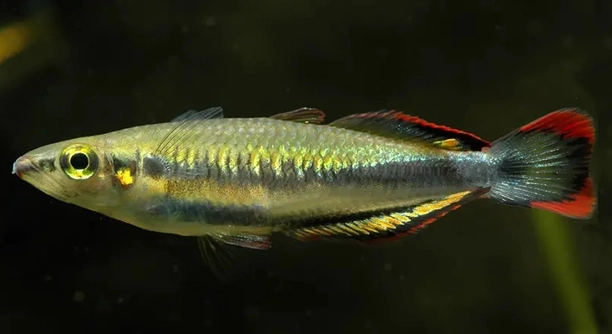
Rainbowfish are vibrant and lively additions to any aquarium, yet they may seem distant or avoid newcomers. This behavior can be puzzling for enthusiasts seeking harmony in their tanks and a balanced social environment for all fish.
Rainbowfish often avoid newcomers due to stress and territorial behavior. Introducing fish gradually, providing hiding spaces, and monitoring interactions can help reduce aggression and promote acclimation. Consistent water quality and minimal disturbances are essential for smoother integration.
Observing their behavior carefully can reveal patterns that help ease tensions and encourage a peaceful, thriving aquarium environment for everyone involved.
Recognizing Signs of Avoidance
Rainbowfish often display subtle behaviors when avoiding newcomers. They may swim to the far corners of the tank, hide behind decorations, or show less activity during feeding times. Observing these signs early helps prevent long-term stress. Changes in color or fin clamping are additional indicators that your fish feel uneasy. By paying attention to movement patterns and interactions, you can gauge how well a newcomer is adjusting. This proactive approach ensures that both existing fish and newcomers remain healthy. Over time, rainbowfish may gradually explore the tank and engage more once they feel secure. Consistency in tank conditions, such as stable temperature, clean water, and proper lighting, supports their comfort. Avoid sudden rearrangements of decorations or aggressive tankmates, as these can heighten stress. The more predictable the environment, the faster rainbowfish adjust.
Watching your rainbowfish daily gives insight into their comfort levels and helps you respond before stress becomes severe.
Gradual introduction of newcomers is effective. Start with separate compartments or use a net divider to allow fish to see each other without direct contact. Add familiar hiding spots and maintain a regular feeding schedule to reduce tension. Observe interactions closely, removing any fish that show repeated aggression. Consistent water parameters and gentle movements around the tank improve acclimation. Over several days, allow controlled short visits, increasing time as comfort grows. By managing interactions carefully, rainbowfish can coexist peacefully, and shy newcomers can gain confidence. This method minimizes injury and promotes natural behavior, ensuring all fish adjust smoothly and maintain vibrant health.
Creating a Comfortable Environment
Providing ample hiding spaces encourages rainbowfish to explore at their own pace. Plants, rocks, and decorations help newcomers feel secure and reduce conflicts.
Maintaining clean water, balanced temperature, and consistent lighting is essential for a peaceful tank. Stress from poor conditions can worsen avoidance behaviors. Observing your fish regularly allows adjustments to improve comfort.
A well-structured environment is key for successful integration. Dense planting and strategically placed decorations create multiple territories, which reduce territorial disputes. Avoid overcrowding to ensure each fish has space to swim freely. Gentle filtration and minimal sudden disturbances help maintain calm conditions. Lighting should mimic natural cycles to support normal behavior, while regular partial water changes prevent the buildup of harmful substances. Consider adding floating plants or shaded areas for additional security. Feeding should be done in multiple spots to reduce competition and stress. By carefully designing the tank layout and monitoring behavior, rainbowfish can gradually become more social and confident. Proper environmental management ensures long-term health, encourages natural activity, and fosters peaceful coexistence among all aquarium inhabitants.
Adjusting Feeding Habits
Feeding rainbowfish in multiple areas helps reduce tension among tankmates. Shy newcomers may struggle to access food if dominant fish rush to the center. Spreading food ensures everyone eats without stress, supporting overall health and minimizing aggressive behavior.
Offering small, frequent meals encourages rainbowfish to explore and interact safely. Use a mix of high-quality flakes, pellets, and occasional live or frozen foods to meet nutritional needs. Observe how fish respond during feeding times, adjusting portions and locations as necessary. Shy individuals may initially eat slower, so patience is key. Over time, balanced feeding routines help newcomers gain confidence and integrate naturally, while established fish maintain stable behavior.
Avoid overfeeding, which can cause water quality issues and increase territorial disputes. Clean leftover food promptly and monitor fish for changes in appetite. Gradual adjustments and consistency in feeding create a calmer tank environment.
Monitoring Social Dynamics
Rainbowfish establish subtle hierarchies that influence interactions and stress levels. Observing behavior regularly allows early intervention if conflicts arise, ensuring all fish remain safe and comfortable in the tank.
Pay close attention to chasing, nipping, or frequent hiding, as these indicate discomfort or territorial disputes. Note which individuals dominate certain areas and which fish are consistently stressed. Separating overly aggressive fish temporarily or rearranging decorations can reduce tension. Ensure hiding spots are accessible to all, allowing shy newcomers to feel secure. Encourage natural schooling behavior by keeping appropriate group sizes, as social interaction strengthens confidence and reduces avoidance. Document changes in behavior over days to track progress and adjust strategies accordingly. Consistency in monitoring helps maintain a balanced and healthy aquarium environment.
Gradual Acclimation Techniques
Introducing newcomers slowly reduces stress and prevents sudden aggression. Start with a separate tank or a divider to allow fish to observe each other safely. Gradual exposure helps rainbowfish become familiar without direct confrontation.
Adjust water temperature, pH, and other parameters in both sections to match closely. This minimizes shock and supports a smoother transition. Over several days, monitor behavior and slowly increase interaction time as comfort grows. Patience during this process encourages confidence and reduces avoidance tendencies, allowing all fish to coexist peacefully while maintaining healthy social dynamics.
Encouraging Interaction
Creating opportunities for gentle interaction helps rainbowfish build confidence. Provide open swimming areas and scattered hiding spots to let fish explore freely. Avoid sudden movements around the tank to prevent stress.
Using Tank Decorations Wisely
Strategic placement of plants, rocks, and ornaments can create territories and reduce stress. Hiding spots allow shy fish to gain confidence while minimizing conflicts.
FAQ
Why do rainbowfish avoid newcomers?
Rainbowfish may avoid newcomers due to stress, territorial instincts, or fear of unfamiliar fish. New fish can disrupt established social hierarchies, making existing fish cautious. Providing hiding spots, maintaining consistent water conditions, and introducing newcomers gradually helps reduce stress and encourages smoother integration.
How long does it take for rainbowfish to accept new fish?
The adjustment period varies depending on species, tank size, and individual temperament. Some rainbowfish may start exploring and interacting within a few days, while others may take several weeks. Gradual introductions, consistent feeding, and minimal disturbances shorten the acclimation period. Patience is essential.
Can water quality affect avoidance behavior?
Yes, poor water quality can increase stress and trigger avoidance. Parameters such as temperature, pH, ammonia, nitrite, and nitrate levels should remain stable. Clean water supports health, reduces aggression, and encourages rainbowfish to explore and interact comfortably with newcomers.
Should I separate aggressive fish?
Separating overly aggressive fish temporarily can prevent injuries and give shy newcomers space to adjust. Use a tank divider or quarantine section until tensions decrease. Monitor interactions closely and only reintroduce fish once stress levels are reduced.
Do hiding spots really help?
Hiding spots are essential for reducing stress. Plants, rocks, and ornaments give shy fish a sense of security, allowing them to observe newcomers at their own pace. Multiple hiding areas prevent territorial disputes and encourage confidence in timid fish.
Is gradual feeding important for integration?
Yes, distributing food in multiple areas allows shy newcomers to eat safely without competition. Small, frequent meals help reduce stress and encourage fish to explore the tank, promoting natural behavior and smoother social interactions.
Can overcrowding worsen avoidance?
Overcrowding increases competition for food, space, and territories, heightening stress and avoidance. Maintain appropriate group sizes and provide enough swimming space to reduce tension and ensure all fish can interact comfortably without aggression.
How often should I monitor fish behavior?
Daily observation is ideal. Note changes in swimming patterns, hiding behavior, and feeding activity. Early detection of stress or aggression allows for prompt action, such as adjusting decorations, separating aggressive fish, or modifying feeding strategies.
Do decorations need to be rearranged often?
Frequent rearrangement can increase stress and avoidance. Only adjust decorations when necessary to create new hiding spots or territories. Gradual changes give fish time to adapt without disrupting their sense of security.
Can schooling behavior reduce avoidance?
Yes, rainbowfish are social and often feel more confident in groups. Keeping appropriate group sizes encourages natural interaction, reduces stress, and helps newcomers gradually integrate without being singled out or harassed.
What role does tank size play in avoidance?
A larger tank provides space for both newcomers and established fish, reducing territorial conflicts and stress. Limited space can amplify avoidance behaviors, making it harder for shy fish to explore and interact safely.
How do I know if a newcomer is adjusting well?
Signs of adjustment include regular swimming patterns, active feeding, and gradual exploration of the tank. Reduced hiding and calm interactions with other fish indicate confidence. Progress may be slow, but consistency in care supports successful integration.
Should I introduce multiple newcomers at once?
Introducing multiple newcomers simultaneously can balance social dynamics and reduce bullying, as attention is divided. However, ensure the tank has enough space and hiding spots to accommodate all fish comfortably. Gradual observation remains important to prevent stress.
Can lighting affect stress and avoidance?
Yes, sudden or overly bright lighting can increase stress. Mimicking natural light cycles with gradual changes helps fish feel secure, promoting exploration and social interaction while reducing avoidance behavior.
Are some rainbowfish more territorial than others?
Yes, certain species or individual fish may be naturally more dominant or territorial. Identifying these tendencies early allows you to provide extra hiding spots, separate aggressive fish if needed, and maintain a peaceful tank environment for newcomers.
Does feeding live or frozen food make a difference?
Offering a variety of foods, including live or frozen options, encourages natural foraging and reduces stress during feeding times. This approach helps shy newcomers gain confidence while interacting safely with established fish.
How can I minimize stress during introductions?
Maintain stable water conditions, provide hiding spots, feed in multiple locations, and introduce newcomers gradually. Avoid sudden movements around the tank and limit disturbances. Consistency and patience are key to reducing stress and helping fish adjust naturally.
Is it normal for rainbowfish to hide for weeks?
Yes, some newcomers take longer to feel safe. Continuous observation, providing security, and avoiding aggressive tankmates support gradual acclimation. Over time, even shy fish usually begin exploring and interacting confidently.
Can behavioral changes indicate health issues?
Avoidance or hiding can sometimes signal illness rather than social stress. Monitor for signs such as discoloration, fin damage, or abnormal swimming. Prompt attention to health issues prevents worsening stress and promotes overall well-being.
How important is temperature matching for new fish?
Matching temperature and water parameters between the main tank and newcomers’ quarantine tank reduces shock and stress. Gradual acclimation in temperature and water chemistry helps fish adjust safely, minimizing avoidance behaviors and promoting smooth integration.
Should I rearrange decorations during introduction?
Minimal adjustments are beneficial, such as creating extra hiding spots or new territories. Avoid drastic changes, which can increase stress. Gradual modifications help fish explore and adapt without feeling threatened, supporting successful acclimation of newcomers.
How can I encourage shy rainbowfish to socialize?
Placing food near hiding spots and allowing observation of other fish gradually encourages interaction. Patience and consistent care let shy fish gain confidence, reducing avoidance over time while maintaining a calm tank environment.
Are some fish never fully comfortable with newcomers?
Individual temperament varies. While most rainbowfish adjust eventually, some remain cautious. Maintaining a calm environment, sufficient space, and accessible hiding spots ensures even reluctant fish can coexist peacefully with others.
Does water flow impact comfort?
Moderate water flow is preferable. Strong currents may increase stress for shy newcomers, while gentle circulation maintains oxygen levels and water quality. Adjusting flow helps fish explore safely and reduces avoidance tendencies.
Can I use visual barriers for stress reduction?
Yes, temporary dividers or frosted barriers allow observation without direct contact. This reduces intimidation from dominant fish, giving newcomers space to acclimate gradually while building confidence in the tank environment.
How long should I quarantine new fish?
Quarantining for two to four weeks helps monitor health and adjust water parameters before introducing newcomers. This step reduces the risk of disease and gives fish a controlled environment to reduce stress before entering the main tank.
Does tank maintenance affect social behavior?
Regular water changes, cleaning, and monitoring prevent buildup of waste and toxins. Stable, clean conditions reduce stress, minimize avoidance behaviors, and promote natural social interactions among all rainbowfish in the tank.
Can stress from avoidance affect growth?
Chronic stress may impact appetite, immunity, and growth rates. Providing a secure, well-maintained environment with gradual introductions supports health and development, allowing all fish to thrive despite initial avoidance behaviors.
Is it necessary to remove hiding spots after acclimation?
No, leaving hiding spots ensures long-term security and reduces territorial disputes. Even confident fish benefit from shelters, supporting peaceful interactions and continued well-being in the aquarium.
How do I balance dominant and shy fish?
Provide multiple territories, scatter food, and observe interactions closely. Separating overly aggressive fish temporarily and ensuring shy fish have safe spaces helps maintain harmony and encourages gradual social integration.
Can seasonal changes affect behavior?
Yes, changes in temperature, light, or routine can increase stress. Maintaining consistent conditions during seasonal shifts helps fish feel secure, reducing avoidance and promoting normal social behavior among rainbowfish.
Are there signs that a newcomer is fully integrated?
Indicators include regular feeding alongside other fish, swimming in open areas, and engaging in natural schooling behavior. Reduced hiding and calm interactions reflect comfort and successful integration into the tank environment.
What if avoidance persists for months?
Persistent avoidance may indicate extreme shyness, ongoing stress, or aggression from other fish. Assess tank conditions, adjust decorations, and consider temporary separation if necessary. Patience and consistent care are critical for long-term harmony.
How can I prevent future avoidance issues?
Introduce newcomers gradually, maintain stable water conditions, provide hiding spots, and observe social dynamics. Consistent feeding routines and monitoring behavior help reduce stress, ensuring rainbowfish coexist peacefully in a balanced tank.
Do lighting and noise levels impact comfort?
Yes, bright lights or loud vibrations can stress fish. Gentle lighting and minimal disturbances create a calm environment, encouraging shy newcomers to explore and interact with established rainbowfish without fear.
How do I know if I’ve provided enough hiding spots?
Each fish should have at least one easily accessible shelter. Observe if timid fish use these areas and whether dominant fish avoid occupying them. Adjust decorations to create balanced territories and reduce tension among tankmates.
Are there behavioral cues that indicate stress is reducing?
Signs include increased swimming activity, exploring new areas, feeding confidently, and occasional interaction with other fish. Gradual improvement in behavior indicates that avoidance is decreasing and newcomers are becoming comfortable.
Can environmental enrichment help reduce avoidance?
Yes, adding plants, rocks, and ornaments encourages exploration and natural behaviors. Providing multiple territories and hiding spots reduces competition, lowers stress, and helps shy fish integrate more quickly with established rainbowfish.
Does temperature stability matter during acclimation?
Stable temperature supports health and reduces stress. Sudden fluctuations can increase avoidance and aggression. Matching the new fish’s previous conditions with the main tank ensures a smoother transition and encourages confident exploration.
Is group size important for rainbowfish?
Yes, maintaining a minimum group of three to five fish encourages social behavior, reduces bullying, and helps shy newcomers feel safer. Appropriate group size supports schooling instincts and balances interactions within the tank.
How do I track progress during acclimation?
Keep notes on feeding, swimming, and hiding behaviors daily. Compare trends over time to identify improvement or stress. Consistent tracking allows adjustments in environment, feeding, or tankmates to support smoother integration.
Can I use floating plants to reduce stress?
Yes, floating plants provide shade and security, reducing visibility of aggressive fish. This creates a safer environment for shy newcomers and helps them acclimate more comfortably to the tank.
Should water parameters be checked more frequently for newcomers?
Yes, monitor ammonia, nitrite, nitrate, pH, and temperature closely. Stable water quality is critical for reducing stress, preventing disease, and supporting smooth acclimation of new rainbowfish.
Is it normal for established fish to be curious or wary?
Yes, existing rainbowfish may observe newcomers cautiously. This is normal social behavior. Gradual exposure and ample hiding spots prevent intimidation and allow all fish to adjust comfortably.
How can I reduce chasing behavior?
Provide multiple territories, scatter food, and ensure sufficient swimming space. Temporary separation of aggressive fish and gradual introductions help reduce chasing and allow shy newcomers to gain confidence safely.
Can diet influence social behavior?
Yes, high-quality, varied diets keep fish healthy, reducing stress and aggression. Feeding in multiple locations encourages shy fish to explore and interact without fear of competition.
Are there signs that a fish is too stressed to remain in the tank?
Persistent hiding, lack of appetite, fin damage, or rapid breathing indicate high stress. Intervention such as temporary separation, additional hiding spots, or environmental adjustments may be necessary to prevent harm.
Does water hardness matter for integration?
Matching hardness to species requirements ensures comfort and reduces stress. Sudden changes can increase avoidance behaviors and slow acclimation, so gradual adjustment is essential.
How do I handle multiple newcomers at once?
Introduce them together in a balanced group to reduce targeting by dominant fish. Provide ample hiding spots and monitor interactions closely to prevent aggression. Gradual observation ensures peaceful integration for all fish.
Can stress from avoidance impact lifespan?
Chronic stress can weaken immunity, reduce appetite, and affect growth. Maintaining calm, stable conditions and supporting social integration helps protect health and longevity.
Are there behavioral differences between male and female rainbowfish?
Males may display more dominance and territorial behavior, while females are often more cautious. Providing balanced territories and hiding spots ensures both genders coexist peacefully with newcomers.
Can I introduce decorations gradually to reduce stress?
Yes, adding plants or ornaments slowly allows fish to explore safely. Gradual changes create security, support natural behavior, and minimize avoidance during integration.
Should I monitor water temperature daily during acclimation?
Yes, daily monitoring ensures stability, reduces stress, and supports successful integration. Sudden temperature shifts can increase avoidance or aggression.
How long should I maintain multiple hiding spots?
Hiding spots should remain permanently. They provide security, reduce conflicts, and support a peaceful environment for both newcomers and established rainbowfish.
Can changes in feeding location reduce dominance issues?
Yes, feeding in several areas prevents aggressive fish from monopolizing food and allows shy newcomers to eat safely, encouraging confidence and social balance.
Is it normal for shy fish to retreat when approached?
Yes, initial retreat is natural. Allowing fish to observe without disturbance gradually encourages exploration and reduces avoidance over time.
Does water flow adjustment help newcomers?
Moderate water flow supports health without stressing shy fish. Gentle circulation encourages exploration while preventing avoidance caused by strong currents.
Can I use nets or barriers for temporary safety?
Yes, temporary nets or dividers allow observation without direct contact. This reduces intimidation from dominant fish and gives newcomers space to acclimate.
Are there long-term strategies to prevent avoidance?
Gradual introductions, stable water parameters, adequate hiding spots, and monitoring social behavior support long-term integration. Consistency in care ensures rainbowfish coexist peacefully.
Is it necessary to adjust lighting for shy newcomers?
Soft, gradual lighting changes reduce stress. Mimicking natural cycles encourages exploration and social behavior while minimizing avoidance tendencies.
How do I know if all fish are comfortable together?
Signs include consistent feeding, swimming openly, and calm interactions. Reduced hiding and minimal aggression indicate a stable, harmonious tank environment.
Can enrichment activities reduce avoidance?
Yes, plants, rocks, and varied territories encourage natural behavior and exploration. Environmental enrichment helps shy newcomers gain confidence and interact safely with established fish.
Should I remove stressed fish immediately?
Only if aggression or health risk is severe. Otherwise, provide hiding spots, adjust environment, and monitor. Most fish gradually acclimate with proper support.
Does tank maintenance frequency influence social behavior?
Yes, regular water changes, cleaning, and monitoring prevent stress, reduce avoidance, and promote peaceful interactions among rainbowfish.
Are there signs that avoidance is purely behavioral, not health-related?
Normal hiding, cautious swimming, and gradual exploration suggest behavioral avoidance. Lack of physical symptoms, such as discoloration or fin damage, indicates the fish is otherwise healthy.
How important is consistency in care?
Consistency in feeding, water quality, and handling reduces stress, supports social integration, and ensures rainbowfish feel secure while adjusting to newcomers.
Can temperature and lighting together impact behavior?
Yes, stable temperature and gentle lighting reduce stress and encourage exploration. Sudden changes may trigger avoidance and inhibit social interactions.
Should shy newcomers be introduced during certain times of day?
Introducing during calm periods, such as early morning or late evening, minimizes stress. Quiet conditions allow fish to observe safely and begin acclimating without disturbance.
Is patience the most critical factor in integration?
Yes, gradual introductions, consistent care, and careful monitoring take time. Patience ensures shy newcomers gain confidence while maintaining harmony among all rainbowfish in the tank.
Can interactions between multiple newcomers be positive?
Yes, introducing a small group together helps balance attention and reduces harassment. Social bonds form gradually, promoting confident, peaceful behavior in the tank.
Does hiding behavior always indicate fear?
Not always. Occasional hiding can be natural resting behavior. Persistent avoidance or stress-related hiding signals need for intervention to support acclimation.
How do I ensure dominant fish don’t intimidate newcomers?
Provide multiple territories, scatter food, and monitor closely. Temporary separation of aggressive individuals allows shy fish to acclimate safely. Consistent observation maintains balance.
Can diet variety influence avoidance reduction?
Yes, varied diets encourage foraging and reduce stress during feeding. Shy newcomers gain confidence when food is accessible without competition, promoting social interaction.
Are there behavioral cues for successful integration?
Exploring open areas, feeding confidently, interacting with tankmates, and reduced hiding indicate that newcomers are adjusting and becoming comfortable with established rainbowfish.
Does the number of hiding spots affect dominance disputes?
Yes, sufficient shelters prevent territorial conflicts and allow shy fish to feel secure. Multiple hiding spots support peaceful coexistence and reduce avoidance.
Can tank size adjustments reduce avoidance?
Providing ample swimming space lowers stress and territorial disputes. Larger tanks allow shy fish to explore safely, promoting confidence and smoother integration.
Is regular observation more important than frequent interventions?
Yes, monitoring behavior allows timely, minimal adjustments. Over-intervention can increase stress, while careful observation supports natural acclimation and social balance among rainbowfish.
Can I combine multiple strategies effectively?
Yes, using gradual introductions, hiding spots, scattered feeding, gentle lighting, and monitoring simultaneously maximizes comfort and reduces avoidance. Combining strategies ensures smooth acclimation and long-term harmony in the tank.
Should water chemistry match between newcomers and established fish?
Yes, consistent parameters reduce stress and promote acclimation. Mismatched conditions can trigger avoidance, slow adjustment, and increase health risks.
How do I maintain long-term peaceful interactions?
Continue monitoring behavior, provide hiding spots, maintain stable water conditions, and feed appropriately. Gradual adjustments and consistency help sustain harmony and minimize avoidance long-term.
Can environmental enrichment continue after acclimation?
Yes, ongoing enrichment supports natural behavior, reduces stress, and encourages active, confident fish. Plants, decorations, and varied territories maintain a dynamic, healthy aquarium environment.
Are there cases where avoidance cannot be fully resolved?
Some individuals may remain cautious or shy due to temperament. Ensuring a secure environment, sufficient space, and minimal stress allows coexistence, even if full social integration is slow.
Does frequent water testing reduce avoidance behaviors?
Yes, maintaining optimal water quality minimizes stress, supports health, and encourages fish to interact confidently with newcomers. Regular testing helps prevent problems before they affect behavior.
Can I combine temporary barriers with enrichment?
Yes, using dividers while adding hiding spots allows observation, reduces intimidation, and helps newcomers acclimate safely. This combination supports confidence-building in shy fish.
Is minimal human disturbance important?
Yes, gentle movements and avoiding sudden tank interactions reduce stress. Shy newcomers are more likely to explore and interact when the environment feels safe and calm.
Can shy fish learn from observing others?
Yes, observing established rainbowfish feeding and swimming encourages timid newcomers to mimic behaviors, gradually increasing confidence and reducing avoidance.
Are there warning signs of long-term stress?
Persistent hiding, lack of appetite, fin damage, or erratic swimming indicate prolonged stress. Early intervention with hiding
Rainbowfish are lively and visually striking fish, yet they can sometimes be cautious around newcomers. Their initial avoidance is a natural response to unfamiliar surroundings and social dynamics. Understanding this behavior helps in creating a peaceful tank where all fish feel secure. Stress and territorial instincts are common reasons for avoidance, and recognizing the signs early allows for timely intervention. When fish hide, swim away, or seem hesitant during feeding, it usually indicates discomfort rather than illness. Providing consistent water conditions, stable temperature, and balanced lighting is essential to maintaining a calm environment. Shy newcomers benefit from gentle introductions, ample hiding spots, and careful observation. Over time, even the most timid fish typically gain confidence and start exploring the tank freely. Gradual acclimation reduces stress for all residents and helps maintain harmony within the aquarium.
Introducing newcomers slowly and thoughtfully is one of the most effective strategies. Using tank dividers, quarantine sections, or separate compartments allows fish to observe each other safely. Gradually increasing interaction time helps them adjust without direct confrontation. Strategic placement of plants, rocks, and other decorations creates multiple territories, giving shy fish secure spaces while reducing potential conflicts. Feeding in multiple locations ensures that all fish can eat without competition, supporting both nutrition and social balance. Observing interactions daily allows you to identify potential issues, such as dominant or aggressive behavior, and address them promptly. Over time, fish learn to coexist peacefully, and avoidance behaviors generally decrease. Maintaining proper tank size, water quality, and consistent care is just as important as behavioral management, as environmental stability directly affects comfort levels and confidence.
Patience is crucial when dealing with avoidance in rainbowfish. Some individuals may take longer to feel safe, but consistent care and a calm environment encourage gradual acclimation. Environmental enrichment, such as plants, decorations, and shaded areas, supports exploration and natural behavior. Avoid sudden changes to the tank or water conditions, as these can trigger renewed stress and prolong avoidance. Even after integration, maintaining hiding spots and balanced territories ensures long-term comfort and reduces the likelihood of aggressive interactions. Monitoring social dynamics, feeding habits, and swimming patterns helps maintain a stable and peaceful aquarium. By paying attention to the needs of both newcomers and established fish, it is possible to foster a harmonious tank where rainbowfish thrive, interact naturally, and display their full color and personality. This approach not only supports their well-being but also creates a more enjoyable and balanced aquarium for anyone observing and caring for them.

Hello,
If you enjoy the content that we create, please consider saying a "Thank You!" by leaving a tip.
Every little bit helps us continue crafting quality advice that supports the health, happiness, and well-being of pets around the world, for pets of all shapes, sizes, and species.
We really appreciate the kindness and support that you show us!