
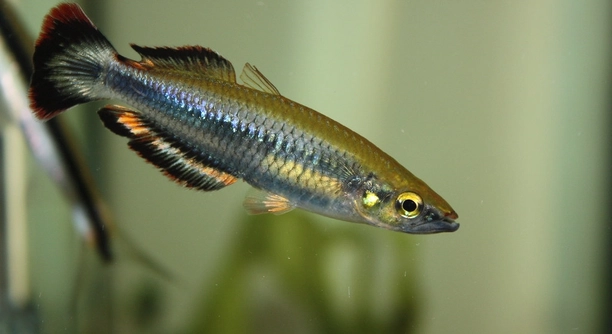
Setting up a tank for rainbowfish can be exciting, but it also takes careful planning. These colorful fish need the right environment to stay healthy, active, and show off their vibrant colors. Proper preparation matters.
The key to creating the perfect rainbowfish tank is maintaining stable water conditions, providing adequate swimming space, and including plants and hiding spots. Balanced nutrition, clean filtration, and compatible tank mates are also essential for their well-being.
Learning the ideal tank setup ensures your rainbowfish thrive and display their full beauty, making your aquarium both healthy and visually appealing.
Choosing the Right Tank Size
Rainbowfish need plenty of space to swim and grow. A small tank can stress them and limit their natural behavior. For a small group of rainbowfish, a tank of at least 30 gallons is recommended. Larger species or bigger groups will need 50 gallons or more. Adequate space ensures they remain active and reduces aggression between fish. Depth and length are both important; longer tanks allow for better swimming patterns. Decorations like rocks and driftwood should be arranged to leave open swimming areas while providing hiding spots. Plants not only improve water quality but also offer shelter and comfort. Proper lighting supports plant growth and enhances the fish’s natural colors. Temperature and pH levels need to be stable to prevent stress. Regular monitoring is key to maintaining a healthy tank environment. This preparation sets the foundation for a thriving rainbowfish habitat and helps prevent future problems.
Maintaining a tank too small can limit fish health and growth. Larger tanks reduce stress and provide natural movement.
Spacing, plant placement, and water stability work together to create a lively, safe environment. A well-planned tank supports growth, behavior, and vivid coloration over time.
Water Conditions and Filtration
Clean water is critical for rainbowfish health. They thrive in stable temperatures and balanced pH.
A high-quality filtration system ensures water remains clear and free of harmful toxins. Filters remove waste, uneaten food, and chemicals that could stress fish. Regular water changes of 25-30% weekly help maintain proper water chemistry and reduce nitrate buildup. Monitoring temperature is essential, as rainbowfish prefer 74-78°F. A heater with a thermostat keeps conditions consistent. pH levels should stay between 6.5 and 7.5, with moderate hardness. Aeration helps maintain oxygen levels, especially in densely planted or stocked tanks. Avoid sudden changes in water conditions, as rainbowfish are sensitive to shock. Testing kits make it easy to track ammonia, nitrite, and nitrate levels. The combination of good filtration, stable temperature, and clean water creates a healthy environment where rainbowfish can swim freely, eat properly, and show vibrant colors without stress or illness. Proper maintenance ensures longevity and enjoyment of the tank.
Choosing Plants and Decorations
Plants provide hiding spots and reduce stress for rainbowfish. Live plants improve water quality and add natural beauty, while rocks and driftwood create secure areas for resting and exploration.
Selecting the right plants is important. Hardy species like Java fern, Anubias, and Vallisneria work well because they tolerate a range of conditions. Arrange decorations to leave open swimming areas while creating shaded spots. Floating plants can soften light and provide additional cover. Avoid sharp or rough materials that could injure fish. Decorations should be stable and not topple easily during cleaning or if fish swim energetically around them. Combining plants and decorations helps mimic a natural habitat, supporting healthy behavior and reducing aggression. Thoughtful placement enhances both aesthetics and the well-being of the rainbowfish.
A balance between open space and covered areas is essential. Too many decorations can limit movement, while too few increase stress. Proper arrangement improves activity and comfort.
Feeding and Nutrition
Rainbowfish need a varied diet to stay healthy and colorful. High-quality flakes, pellets, and occasional live or frozen foods provide essential nutrients.
Feeding should be done two to three times daily in small amounts that fish can consume within a few minutes. Overfeeding can pollute the water, leading to health problems. Including a mix of protein, vegetables, and supplements ensures growth, vibrant colors, and strong immunity. Treats like brine shrimp or daphnia can be given occasionally for enrichment, but should not replace a balanced diet. Observing eating habits helps detect illness early. Maintaining a feeding routine with variety supports both physical health and natural behavior, keeping the rainbowfish active and visually striking.
It is important to provide consistency and variety in meals. Proper nutrition directly influences growth, coloration, and overall vitality in the tank.
Tank Mates
Rainbowfish do best with peaceful tank mates. Avoid aggressive or overly territorial species that may stress them.
Suitable companions include small tetras, guppies, and corydoras. Choosing compatible fish reduces conflict and encourages natural schooling behavior.
Lighting and Temperature
Consistent lighting and temperature are essential for rainbowfish health. They prefer 10-12 hours of moderate light daily, which supports plant growth and shows off their colors. Avoid sudden changes in brightness to reduce stress. Temperature should remain steady between 74-78°F. Sudden drops or spikes can weaken their immune system, making them more prone to disease. Using a reliable heater and thermometer ensures a stable environment. Lights with a natural spectrum help highlight their vibrant hues while supporting plant life. Maintaining proper temperature and lighting encourages healthy behavior, active swimming, and long-term well-being for rainbowfish in the tank.
Regular Maintenance
Frequent water changes and tank cleaning prevent buildup of toxins. Monitoring parameters ensures a stable, healthy environment.
FAQ
How often should I change the water in my rainbowfish tank?
Water changes are essential for rainbowfish health. A weekly change of 25-30% helps keep nitrates low and prevents harmful buildup. In heavily stocked tanks, slightly larger or more frequent changes may be needed. Always use dechlorinated water at the same temperature as the tank to avoid shocking the fish. Regular monitoring of ammonia, nitrites, and nitrates ensures the water remains safe. This routine supports healthy gills, clear water, and overall well-being.
What is the best diet for rainbowfish?
Rainbowfish need a varied diet to stay colorful and active. High-quality flakes or pellets form the base of their diet, supplemented with frozen or live foods like brine shrimp, daphnia, or bloodworms. Adding blanched vegetables such as spinach or zucchini occasionally provides fiber and vitamins. Feed small amounts two to three times daily, ensuring all food is consumed within a few minutes. Overfeeding can lead to poor water quality and health issues. Observing their eating habits helps detect any illness early and ensures balanced nutrition.
Can rainbowfish live with other species?
Yes, rainbowfish are peaceful and do well with other non-aggressive fish. Suitable companions include tetras, guppies, rasboras, and corydoras. Avoid large, aggressive, or fin-nipping species, as they can stress rainbowfish and damage their fins. Proper tank size is important when mixing species to reduce territorial disputes. Providing hiding spots, open swimming areas, and stable water conditions further supports harmony. Keeping rainbowfish in small groups of the same species encourages schooling and reduces stress. Regular observation helps ensure all fish coexist peacefully.
What temperature and pH levels are ideal?
Rainbowfish prefer a stable temperature between 74-78°F. Fluctuations can cause stress and weaken their immune system. A reliable heater and thermometer help maintain consistency. pH should be slightly acidic to neutral, around 6.5-7.5, with moderate water hardness. Regular testing is essential, especially after adding new water or treatments. Proper temperature and pH support natural behavior, vibrant coloration, and healthy growth. Sudden changes can lead to illness or color loss, so careful monitoring is key for a thriving tank.
How many rainbowfish should I keep together?
Rainbowfish are schooling fish and thrive in groups. A minimum of six is recommended, though larger groups are better for social interaction and natural swimming patterns. Keeping fewer can lead to stress and less active behavior. The size of the tank should match the number of fish to allow swimming space and reduce aggression. When adding new fish, quarantine them first to prevent disease introduction. Grouping rainbowfish properly enhances their colors, promotes natural behavior, and supports overall tank stability.
How do I prevent disease in rainbowfish?
Maintaining clean water, a balanced diet, and stable conditions are the best defenses against disease. Quarantining new fish, avoiding overcrowding, and monitoring behavior help prevent infections. Common signs of illness include lethargy, loss of color, clamped fins, or unusual swimming patterns. Early detection allows for prompt treatment, reducing mortality. Using high-quality food and maintaining proper water chemistry strengthens their immune system. Routine tank cleaning, regular water testing, and removing uneaten food also reduce bacterial and fungal risks. Prevention is always easier than treatment, ensuring healthy, long-lived rainbowfish.
Can rainbowfish breed in a home tank?
Rainbowfish can breed in home tanks if conditions are optimal. They prefer slightly acidic to neutral water, stable temperature, and dense plants for spawning. Males display vibrant colors to attract females. Provide fine-leaved plants or spawning mops to protect eggs. Remove adults after spawning to prevent egg predation. Fry can be raised on infusoria or finely crushed flakes until large enough for regular food. Proper care during breeding increases survival rates and allows observation of natural behaviors in a controlled environment.
How do I maintain the colors of my rainbowfish?
Vibrant colors depend on a healthy diet, proper lighting, and clean water. High-quality foods rich in carotenoids, stable temperatures, and moderate lighting enhance natural hues. Stress, poor water quality, or illness can cause fading. Regular observation, varied diet, and consistent tank conditions support long-term coloration. Providing plants and open swimming areas allows natural behavior, which also improves brightness. Avoid overcrowding and aggressive tank mates, as stress can dull colors. Proper care ensures rainbowfish remain visually striking and active throughout their lives.
What type of substrate should I use?
Fine gravel or sand is ideal for rainbowfish tanks. It allows for plant rooting and is gentle on fins. Darker substrates enhance the fish’s colors and reduce stress. Avoid sharp materials that could injure the fish. Substrate should be easy to clean while supporting plant growth. Adding a small layer of nutrient-rich soil beneath sand or gravel benefits plant health. Regular vacuuming prevents detritus buildup without disturbing the fish. The right substrate improves aesthetics, fish comfort, and overall tank balance, supporting both plants and rainbowfish.
How do I acclimate new rainbowfish to my tank?
Acclimation reduces stress and prevents shock. Float the sealed bag in the tank for 15-20 minutes to equalize temperature. Gradually add small amounts of tank water to the bag every 5 minutes over 30-60 minutes. Avoid pouring water from the bag directly into the tank to reduce contamination risk. Gently release the fish into the tank using a net. Observe them closely for the first few hours to ensure they adjust to water conditions and behavior is normal. Proper acclimation helps new rainbowfish thrive and reduces mortality risks.
How often should I clean decorations and plants?
Decorations and plants should be rinsed every 2-4 weeks to remove algae and debris. Avoid harsh chemicals that can harm fish. Soft brushing or gentle rinsing preserves plants and decoration integrity. Cleaning supports water quality, reduces stress, and maintains a healthy tank environment for rainbowfish.
Can I keep rainbowfish in a community tank with larger species?
Rainbowfish do best with fish of similar size and temperament. Large or aggressive species may stress them and damage fins. Stick to peaceful mid-sized fish and ensure ample swimming space. Proper compatibility prevents bullying, encourages schooling, and allows rainbowfish to display natural behavior and colors.
Is it necessary to have a filter with strong flow?
Moderate water flow is best. Rainbowfish enjoy movement, but excessive current can cause stress and fatigue. A filter with adjustable flow allows control over water movement. Proper filtration removes waste and maintains clean water, while balanced flow supports active swimming without overwhelming the fish.
How do I know if my rainbowfish are stressed?
Signs include hiding, loss of appetite, faded colors, clamped fins, or erratic swimming. Stress often results from poor water quality, aggressive tank mates, or sudden changes in temperature or lighting. Observing behavior and maintaining stable conditions helps reduce stress. Prompt intervention can prevent illness and promote long-term health.
What lighting schedule is best for rainbowfish?
A consistent 10-12 hour light period daily is ideal. This supports plant growth and highlights natural colors. Avoid sudden changes, which can stress fish. Using a timer ensures stability, reduces manual errors, and allows fish to establish a natural day-night rhythm. Proper lighting enhances activity, feeding behavior, and overall tank aesthetics.
Can I use tap water for my rainbowfish tank?
Tap water is safe if treated with a water conditioner to remove chlorine and chloramine. Testing pH and hardness ensures suitable conditions. Temperature should match the tank to prevent shock. Proper treatment and monitoring create a safe environment for rainbowfish while protecting health and water quality.
How long do rainbowfish live in captivity?
With proper care, rainbowfish can live 5-8 years, sometimes longer. Stable water conditions, varied diet, suitable tank mates, and regular maintenance contribute to longevity. Avoiding stress and monitoring for illness ensures a full, healthy lifespan, allowing their colors and behavior to remain vibrant.
What is the best way to introduce new fish to an established tank?
Quarantine new fish for 2-4 weeks to check for illness. Slowly acclimate them to tank conditions using temperature equalization and gradual water mixing. Introduce fish during low activity periods to reduce stress. Providing hiding spots helps them settle, ensuring a smooth integration with existing tank mates.
How do I prevent algae growth in my tank?
Algae can be controlled by balancing light, nutrients, and water changes. Avoid excessive feeding and ensure proper filtration. Fast-growing plants compete with algae for nutrients. Regular cleaning of glass, decorations, and substrate helps maintain clarity. Consistent maintenance reduces overgrowth and maintains a healthy tank environment.
What equipment is essential for a rainbowfish tank?
A reliable filter, heater with thermostat, thermometer, lighting, and water testing kits are necessary. Optional items include air pumps, plant fertilizers, and a net. Proper equipment ensures water stability, healthy growth, and vibrant colors, supporting a thriving aquarium ecosystem.
How do I encourage natural behavior in rainbowfish?
Provide open swimming areas, plants for cover, and suitable tank mates. Stable water conditions, consistent feeding, and gentle lighting promote active, social, and natural schooling behavior. Observing their interactions enhances enjoyment and supports overall well-being.
What should I do if a fish becomes sick?
Isolate the affected fish immediately. Test water quality and adjust conditions if needed. Use targeted treatment based on symptoms, and follow dosage instructions carefully. Monitor closely until recovery. Early action prevents disease spread and ensures the health of the entire tank.
How can I tell the difference between male and female rainbowfish?
Males are usually more colorful and slightly larger, especially during breeding. Females tend to be paler with a rounder body. Observing behavior, fin shape, and coloration over time helps distinguish them. Correct identification is useful for breeding and group dynamics.
Can rainbowfish tolerate slightly cooler or warmer water?
They can tolerate minor variations, but rapid or extreme changes cause stress. Gradual adjustments are necessary if temperature modification is required. Consistent monitoring ensures stability, preventing illness or behavioral issues.
How important is tank decoration for rainbowfish?
Decorations provide shelter, reduce stress, and encourage natural behavior. Plants, rocks, and driftwood also enhance aesthetics and support fish activity. Proper arrangement balances open swimming space with hiding spots. This combination fosters a healthy and visually pleasing environment.
What do I do if my rainbowfish stop eating?
Check water quality, tank mates, and lighting. Offer varied foods like live or frozen options to stimulate appetite. Monitor for signs of illness and act quickly. Early intervention helps restore feeding habits and ensures long-term health.
How long should a new tank cycle before adding rainbowfish?
Cycling should be complete before introducing fish, typically 4-6 weeks. This allows beneficial bacteria to establish, converting ammonia and nitrites into less harmful nitrates. Proper cycling prevents early fish stress and mortality. Regular testing ensures safe conditions before stocking.
Can rainbowfish live without plants?
They can survive without plants but benefit greatly from them. Plants provide cover, reduce stress, and support water quality. Without plants, additional hiding spots and careful maintenance are necessary to keep the tank comfortable and healthy.
How do I handle a tank during vacations?
Automatic feeders, timers for lights, and stable filtration help maintain conditions. Ask someone experienced to check water and fish occasionally. Proper preparation prevents stress, ensures feeding, and maintains water quality while you are away.
Are there specific signs of aging in rainbowfish?
Older fish may slow down, lose some coloration, and become less active. Monitoring these changes helps distinguish between natural aging and potential health problems. Adjusting diet, maintaining water quality, and minimizing stress supports longevity and comfort in later years.
What is the best way to clean the tank without harming the fish?
Use a siphon to remove debris from substrate, rinse decorations gently, and perform partial water changes. Avoid harsh chemicals and strong scrubbing. Cleaning should be regular but careful to maintain stability and fish safety.
How do I acclimate rainbowfish from a different water type?
Gradually mix tank water with transport water over 30-60 minutes. Slowly adjust for temperature, pH, and hardness differences. This prevents shock and ensures the fish settle comfortably into the new environment. Observation afterward is crucial to confirm adjustment.
Can rainbowfish tolerate brackish water?
Rainbowfish are primarily freshwater species. Slightly brackish conditions may be tolerated by some, but prolonged exposure can stress fish, affect health, and reduce coloration. Freshwater with stable parameters is strongly recommended for long-term well-being.
Is it okay to keep rainbowfish in a planted tank only?
Yes, a planted tank supports natural behavior, provides shelter, and enhances water quality. Open swimming areas should still be maintained. Dense planting without open space can restrict movement and stress fish. Proper balance ensures health and activity.
How do I know if the tank is overcrowded?
Signs include aggression, reduced swimming space, poor water quality, and stressed behavior. A general rule is one inch of fish per gallon for small species, adjusted for size and activity level. Monitoring population ensures a comfortable, healthy environment.
What should I do if water parameters fluctuate suddenly?
Identify the cause immediately, such as heater malfunction or chemical imbalance. Correct gradually, monitor closely, and perform partial water changes if necessary. Sudden changes can stress fish, so prompt action is essential. Consistent testing prevents repeated issues.
Can rainbowfish live in unheated tanks?
In tropical regions or cooler homes, unheated tanks may drop below optimal temperatures, causing stress or illness. A heater ensures stable warmth, supporting active behavior, feeding, and long-term health. Temporary unheated periods may be tolerated but are not ideal.
How can I reduce aggression in the tank?
Maintain groups of rainbowfish, provide open swimming areas, and avoid aggressive species. Adding plants and hiding spots allows fish to escape conflict. Proper tank size and compatible tank mates minimize stress and aggression, supporting natural schooling behavior.
Are rainbowfish suitable for beginners?
Rainbowfish are relatively hardy and peaceful, making them suitable for those with basic aquarium experience. Attention to water quality, diet, and tank setup ensures success. Regular monitoring, feeding, and maintenance build confidence and promote healthy, colorful fish.
What should I do if a fish jumps out of the tank?
Check for escape risks such as uncovered tanks. Quickly return the fish to water, keeping it moist and calm. Monitor for injuries and maintain water quality to prevent infection. Covering the tank prevents future accidents.
How do I prevent fin damage in rainbowfish?
Avoid sharp decorations, aggressive tank mates, and overcrowding. Gentle handling during maintenance and stable water conditions reduce fin stress. Observing fish behavior and ensuring proper swimming space keeps fins intact and healthy.
Can rainbowfish adapt to low-light tanks?
They can survive but may show duller coloration and reduced activity. Moderate lighting enhances colors and supports plant growth. Low-light tanks require careful feeding and observation to ensure health and vibrancy.
Is it necessary to trim plants regularly?
Yes, trimming prevents overgrowth, allows swimming space, and maintains light penetration. Regular pruning keeps plants healthy and supports a balanced environment for rainbowfish. Excessive growth can limit movement and stress the fish.
How do I know when a rainbowfish is stressed after moving?
Symptoms include hiding, faded colors, clamped fins, or erratic swimming. Reduced appetite or lethargy also indicates adjustment issues. Close observation and stable water conditions help them recover quickly.
Can rainbowfish live with shrimp or snails?
Yes, most small invertebrates are compatible. Shrimp and snails help with algae control but may compete for food. Ensure adequate hiding spots for invertebrates to reduce predation risk. Balanced interaction benefits the ecosystem of the tank.
Are there specific signs of good health in rainbowfish?
Bright coloration, active swimming, clear eyes, intact fins, and regular eating indicate good health. Observing consistent behavior and interaction with tank mates confirms a thriving environment. Proper care supports longevity and vibrant appearance.
How do I prevent overcrowding when adding new fish?
Calculate tank capacity based on fish size and activity. Introduce new fish gradually and monitor behavior. Providing hiding spots and maintaining water quality ensures all inhabitants remain comfortable and healthy.
Is it okay to mix different rainbowfish species?
Yes, if they are similar in size and temperament. Avoid pairing large aggressive species with smaller ones. Proper group size and tank layout reduce stress and support natural schooling behavior across species.
Can rainbowfish tolerate slight water hardness changes?
Minor changes are usually manageable, but sudden fluctuations can stress fish. Gradual adaptation ensures health and maintains coloration. Stable, moderate hardness is optimal for most rainbowfish species.
How do I deal with leftover food in the tank?
Remove uneaten food promptly to prevent water quality issues. Using small, frequent feedings ensures all food is consumed. This prevents ammonia spikes and supports overall tank health.
Can rainbowfish be kept in a small office tank?
Small tanks limit swimming space and can increase stress. If space is minimal, choose a small group of species that tolerate lower volumes, and maintain strict water care. Regular monitoring and partial water changes are critical.
How important is aeration in a rainbowfish tank?
Aeration improves oxygen levels, especially in heavily planted or densely stocked tanks. Proper flow supports respiration, activity, and overall health. Too strong a current can stress fish, so balance is key.
Can rainbowfish survive in uncycled tanks?
No, new tanks without established bacteria have high ammonia and nitrite levels, which are toxic. Always cycle the tank before adding fish to ensure a safe, stable environment.
What is the recommended stocking density?
One inch of fish per gallon is a general guideline for small rainbowfish species. Adjust based on species size, behavior, and swimming activity. Proper density prevents stress, aggression, and water quality issues.
Are rainbowfish sensitive to medication?
Some medications can be harsh, especially copper-based treatments. Follow dosage instructions carefully and remove sensitive invertebrates if present. Overdosing can harm fish and disrupt tank balance.
How do I maintain a planted tank for rainbowfish?
Regular pruning, balanced lighting, nutrient supplementation, and careful water changes keep plants healthy. Open swimming areas and stable conditions support both plant growth and rainbowfish well-being. Observation ensures harmony between flora and fauna.
Can rainbowfish live with goldfish?
Goldfish are cold-water fish and produce more waste, which can stress rainbowfish. They are not ideal companions. Keeping species with similar temperature and behavior requirements ensures a healthy community tank.
How do I prevent fungal infections?
Maintain clean water, remove uneaten food, and avoid sudden environmental changes. Quarantine new fish and treat any wounds promptly. Stable conditions and proper diet reduce fungal risks.
Is it okay to have a bare-bottom tank?
Yes, it simplifies cleaning and monitoring. However, plants may need pots or floating support. Bare-bottom setups are easier to maintain but lack natural substrate benefits.
Can rainbowfish tolerate slightly acidic water?
Yes, they do well in pH
Setting up a rainbowfish tank takes planning and attention, but it is worth the effort. These fish are active, colorful, and peaceful, which makes them enjoyable to watch. Providing a proper tank size, clean water, and a balanced diet ensures they remain healthy. Careful attention to water conditions, including temperature, pH, and hardness, helps prevent stress and illness. A tank that is too small or poorly maintained can cause health problems and reduce the vibrancy of the fish. Taking time to plan the layout, including decorations, plants, and swimming space, creates a comfortable and natural environment for them. Even small details, such as selecting a gentle substrate and stable decorations, make a difference in their well-being. Rainbowfish respond to clean, stable conditions with lively behavior and brighter colors, which makes the effort of maintaining the tank worthwhile.
Providing a varied diet is another important part of caring for rainbowfish. High-quality flakes and pellets form the foundation of their nutrition, while occasional live or frozen foods add extra protein and enrichment. Including vegetables and supplements supports overall health and helps them display their natural colors. Feeding in small amounts multiple times per day prevents overfeeding, which can harm water quality and fish health. Observing their eating habits allows you to notice if something is wrong, such as illness or stress. Feeding also becomes a way to interact with the tank, encouraging activity and creating a predictable routine. In addition to nutrition, social behavior plays a role in their health. Rainbowfish are schooling fish, so keeping them in groups allows them to swim together naturally, reducing stress and supporting natural behavior patterns. Selecting compatible tank mates also ensures harmony in the aquarium, avoiding aggression and maintaining a peaceful environment.
Regular maintenance is essential to keep the tank safe and healthy. Water changes, filter cleaning, and monitoring of water parameters prevent buildup of harmful chemicals and toxins. Plants and decorations should be cared for to prevent algae or debris accumulation while preserving natural hiding spots and swimming areas. A well-maintained tank encourages rainbowfish to be active, eat well, and display their best colors. Lighting and temperature should remain consistent to support both the fish and the plants in the tank. Watching rainbowfish thrive in a properly set up environment can be very satisfying, showing that attention to detail in water quality, feeding, and tank setup has a direct impact on their health. Overall, caring for rainbowfish is about creating a balanced and stable environment, providing proper nutrition, and maintaining a clean and well-structured tank. Following these steps leads to a lively, colorful, and healthy aquarium that highlights the natural beauty and behavior of rainbowfish.

Hello,
If you enjoy the content that we create, please consider saying a "Thank You!" by leaving a tip.
Every little bit helps us continue crafting quality advice that supports the health, happiness, and well-being of pets around the world, for pets of all shapes, sizes, and species.
We really appreciate the kindness and support that you show us!