
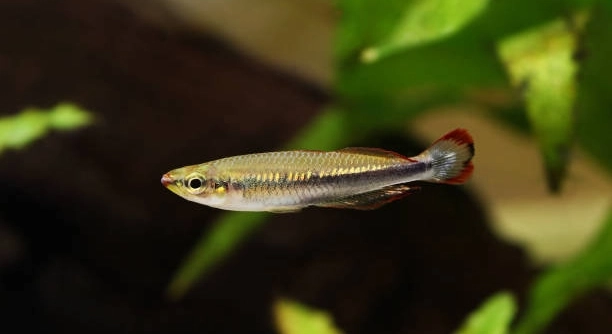
Rainbowfish are colorful and lively, making them a popular choice for home aquariums. Keeping them healthy requires attention to their environment, diet, and overall well-being. Early detection of fin rot is key to protecting these fish.
Fin rot in rainbowfish can be identified through early signs such as frayed or discolored fins, unusual swimming behavior, and slight redness at the fin edges. Prompt identification and treatment prevent further tissue damage and ensure the fish’s overall health.
Recognizing these warning signs early allows you to act quickly, supporting your rainbowfish’s recovery and maintaining a healthy aquarium environment.
Recognizing Frayed or Torn Fins
One of the first signs of fin rot in rainbowfish is frayed or torn fins. These tears usually start at the edges and gradually move inward if untreated. Water quality, stress, and minor injuries can contribute to this condition. Often, the damage begins subtly, with small irregularities along the fin tips. Over time, these irregularities worsen, leaving the fins ragged. Maintaining clean water and avoiding overcrowding reduces the risk significantly. Observation is important during daily feeding and tank maintenance. Even slight changes in fin shape or texture can indicate the onset of rot. Regular checks also help identify other health concerns early. Fish in aquariums with aggressive tankmates may show fin damage more frequently. Acting quickly at the first sign prevents further deterioration. Treatments such as antibacterial solutions or improved water conditions can help restore fin health if caught early. Proper nutrition supports recovery and overall resistance to infections.
Consistent monitoring of fin edges allows for quick response to early signs, preventing severe rot and safeguarding rainbowfish health.
Noticing the first small frays is critical. Early intervention reduces stress on the fish and improves recovery chances, ensuring your tank stays healthy.
Watching for Redness and Inflammation
Redness at the fin base or along fin edges is an early indicator of fin rot. This often appears as a thin red line or patch and may worsen over a few days.
Red or inflamed areas indicate bacterial infection. Poor water quality, high nitrate levels, or minor injuries can trigger this inflammation. In rainbowfish, stressed or weakened immune systems increase susceptibility, making it important to maintain proper conditions. Water testing and routine cleaning can prevent bacterial growth. Sometimes redness is accompanied by slightly cloudy or ragged fin tips, signaling a need for immediate attention. Treatment includes improving water parameters and possibly using mild antibacterial additives. Observing fish behavior alongside physical signs helps determine severity. Eating habits may change slightly if discomfort is present, another cue for monitoring. Temperature and pH adjustments also support healing. By addressing redness early, further tissue loss can be minimized, and the rainbowfish’s fins can recover to normal form. Regular preventive care reduces the risk of recurring inflammation and promotes a stable, thriving aquarium.
Changes in Swimming Behavior
Rainbowfish with early fin rot may swim differently. They can appear less active, hover near the bottom, or avoid other fish. These subtle shifts often indicate discomfort or weakening fins.
Reduced activity results from pain and stress caused by deteriorating fin tissue. When fins are damaged, swimming becomes less efficient, and fish may struggle to maintain balance. Stress from aggressive tankmates or poor water conditions can amplify these behavioral changes. Observing movement patterns daily allows early detection, giving you the chance to adjust the environment. Treatments that improve water quality and reduce bacterial growth often restore normal activity. Gentle handling and avoiding sudden changes in temperature or pH can help the fish regain confidence in swimming. Keeping a consistent feeding schedule supports energy levels, making behavioral recovery quicker. Over time, healthy fins and better water conditions allow rainbowfish to resume their usual, lively movement.
Tracking swimming habits alongside physical symptoms provides a clearer picture of fin rot progression. Early action prevents further damage and supports faster recovery.
Cloudy or Discolored Fin Edges
Cloudy or faded fin edges often signal the onset of fin rot. These areas may appear white, opaque, or slightly gray compared to healthy fins.
Discoloration happens as bacterial infection progresses and fin tissue begins to deteriorate. Poor water quality, high ammonia, or low oxygen levels often contribute. Treating the aquarium promptly with partial water changes and improving filtration can slow or reverse damage. Adding specific antibacterial treatments may help restore fin health. Keeping the tank clean and reducing stress supports recovery, and separating aggressive or fin-nipping fish prevents further injury. Nutrition also plays a role, as well-fed rainbowfish have stronger immune systems that resist infections better. Observing fin edges regularly allows early intervention, minimizing tissue loss and maintaining overall fish health.
Even small changes in fin coloration should not be ignored. Early correction prevents severe rot and keeps rainbowfish active and healthy.
Foul Odor in the Tank
A foul odor in the aquarium often points to decaying fin tissue. This smell can indicate bacterial buildup affecting the rainbowfish’s fins.
Regular water changes and removing uneaten food help control odors. Addressing this quickly reduces the risk of further fin damage and keeps the tank environment healthy.
Loss of Appetite
Rainbowfish with fin rot may eat less than usual. The infection and discomfort can reduce their interest in food. Stress from poor water conditions or aggression in the tank can worsen appetite loss. Monitoring feeding habits daily helps identify issues early.
Small White or Black Spots
Tiny white or black spots on fins can signal fungal or bacterial infections. These spots often appear at fin edges and spread if untreated, indicating early-stage fin rot.
Lethargy
Lethargic rainbowfish may hide or stay in one spot. This behavior often accompanies other physical signs of fin rot.
FAQ
What causes fin rot in rainbowfish?
Fin rot is primarily caused by bacterial infection, often triggered by poor water quality, stress, or minor injuries. Overcrowding, aggressive tankmates, and fluctuating water parameters can weaken a rainbowfish’s immune system, making them more vulnerable. Maintaining clean water and stable conditions is key to prevention.
How can I tell if my rainbowfish has fin rot early?
Early signs include frayed or torn fins, redness at the fin base, cloudy or discolored fin edges, and small white or black spots. Subtle changes in swimming behavior or a slight loss of appetite can also indicate the start of fin rot.
Can fin rot heal on its own?
Mild cases may improve with improved water quality and proper nutrition, but most infections require treatment. Without intervention, bacterial or fungal growth can worsen, leading to severe fin loss and secondary infections. Acting early significantly improves recovery chances.
What treatments are effective for fin rot?
Treatment usually involves improving water quality through partial water changes, using antibacterial or antifungal medications, and isolating severely affected fish if needed. Reducing stress by removing aggressive tankmates and maintaining stable water conditions supports the fish’s immune system during recovery.
Should I separate affected fish from others?
Separating fish is recommended if fin rot is advanced or other tankmates are aggressive. Isolation prevents further fin damage and allows for targeted treatment. Quarantine tanks also reduce the spread of bacteria or fungi within the main aquarium.
How often should I monitor water quality?
Daily observation of fish behavior and weekly testing of ammonia, nitrite, nitrate, and pH levels is ideal. Stable water parameters prevent stress and reduce bacterial growth. Quick adjustments when levels are off help keep rainbowfish healthy.
Can diet affect fin rot?
Yes, a balanced diet strengthens the immune system. High-quality flakes, pellets, and occasional live or frozen foods provide essential nutrients. Poor nutrition can slow recovery and make fins more prone to infection.
Is fin rot contagious to other fish?
While the bacteria or fungi causing fin rot can spread in the tank, healthy fish with strong immune systems are less likely to be affected. Prompt treatment and good hygiene minimize transmission risk.
How long does recovery take?
Recovery depends on the severity of the infection and the steps taken to treat it. Minor cases may improve in one to two weeks, while advanced rot may take several weeks for full fin regrowth. Patience and consistent care are important.
Can I prevent fin rot in the future?
Preventing fin rot involves maintaining clean water, avoiding overcrowding, providing a balanced diet, and regularly inspecting fish for injuries. Stable water conditions and stress reduction go a long way in keeping rainbowfish healthy.
Are certain rainbowfish species more prone to fin rot?
Some species with longer, delicate fins are slightly more vulnerable to fin damage and subsequent rot. However, all rainbowfish benefit from proper tank maintenance and monitoring to prevent infection.
What should I do if my fish’s fins are severely damaged?
For severe cases, isolate the fish and treat with antibacterial or antifungal medications. Keep water parameters stable, provide a nutritious diet, and monitor progress daily. In extreme cases, consulting an aquatic veterinarian may be necessary.
Can fin rot return after treatment?
Yes, fin rot can recur if the underlying causes, such as poor water quality or stress, are not addressed. Consistent tank maintenance, monitoring, and a proper diet reduce the likelihood of recurrence.
How can I encourage fin regrowth?
Provide clean water, low-stress conditions, and a high-quality diet. Avoid aggressive tankmates that may nip fins. With time and care, damaged fins gradually heal and regain their normal shape and color.
Is medication always necessary for fin rot?
Not always. Mild cases may improve with water changes and stress reduction alone. However, most infections respond faster and more reliably when combined with appropriate antibacterial or antifungal treatment.
How often should I check my fish for early signs of fin rot?
Daily observation during feeding and maintenance is ideal. Small changes in fin appearance, behavior, or appetite can indicate early infection and allow prompt action before the condition worsens.
Can stress alone cause fin rot?
Stress doesn’t directly cause fin rot but weakens the immune system, making rainbowfish more susceptible to bacterial and fungal infections. Managing tank conditions, avoiding sudden changes, and limiting aggression helps reduce stress.
Are over-the-counter treatments safe for all rainbowfish?
Most over-the-counter antibacterial or antifungal medications are safe when used as directed. Always follow dosage instructions and consider the size of your tank. Some sensitive species may require more cautious use or professional guidance.
Does temperature affect fin rot development?
Yes, extreme or fluctuating temperatures can stress fish and encourage bacterial growth. Keeping water temperature stable within the recommended range for rainbowfish reduces the likelihood of fin rot.
Can fin rot cause permanent damage?
If untreated, fin rot can destroy fin tissue completely, leaving permanent damage. Early detection and proper care prevent lasting harm and allow fins to regrow to their original appearance.
This FAQ provides practical guidance for spotting, treating, and preventing fin rot, helping rainbowfish stay healthy and active.
Rainbowfish are beautiful and lively additions to any aquarium, but they require consistent care to stay healthy. Fin rot is one of the most common issues that can affect them, and catching it early makes a big difference. Paying close attention to the condition of fins, overall behavior, and appetite helps identify problems before they worsen. Small changes, such as fraying fins, discoloration, or unusual swimming patterns, are often the first signs of trouble. Addressing these signs quickly can prevent serious damage, making treatment more effective and recovery faster. Maintaining good water quality, a stable environment, and a balanced diet provides a strong foundation for fish health and reduces the risk of fin rot developing in the first place.
When fin rot appears, proper care and treatment are essential. Improving water conditions through regular partial water changes and proper filtration helps stop bacterial growth. Antibacterial or antifungal treatments can be used for more advanced cases, and isolating severely affected fish may prevent further stress or injury. Nutrition also plays a critical role in supporting recovery, as a well-fed fish has a stronger immune system to fight infection. Observing fish behavior daily and acting on early warning signs helps maintain a healthy aquarium for all inhabitants. With patience and consistent care, fins can regrow, and rainbowfish can return to their usual activity levels and vibrant appearance. Reducing stress, avoiding overcrowding, and keeping water parameters stable are all important measures that contribute to long-term health and well-being.
Prevention is always better than treatment when it comes to fin rot. Regular tank maintenance, monitoring water quality, and ensuring that fish are not stressed or injured helps prevent infections from starting. Watching for minor changes in fin condition or behavior allows you to act before the problem escalates. Understanding the common causes and early signs of fin rot equips you to respond effectively and protect your rainbowfish. By creating a clean, stable, and well-maintained environment, you not only prevent fin rot but also support the overall health and longevity of your fish. Taking these steps ensures that rainbowfish remain active, colorful, and thriving in your aquarium, making them enjoyable to watch for years to come.

Hello,
If you enjoy the content that we create, please consider saying a "Thank You!" by leaving a tip.
Every little bit helps us continue crafting quality advice that supports the health, happiness, and well-being of pets around the world, for pets of all shapes, sizes, and species.
We really appreciate the kindness and support that you show us!