
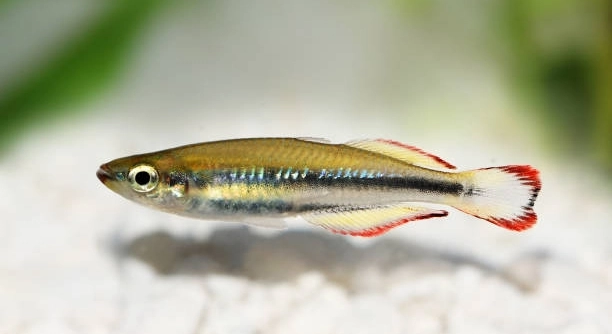
Rainbowfish are active, colorful fish that often explore every corner of their aquarium. Many owners notice that these fish seem to avoid certain areas, particularly around the filter, which can seem puzzling at first.
Rainbowfish may avoid the filter area due to strong water currents, noise, or constant movement caused by the filtration system. These environmental factors can create stress or discomfort, prompting the fish to seek calmer regions in the aquarium where they feel safer.
Learning about the reasons behind this behavior can help you create a more comfortable environment for your rainbowfish and improve their overall well-being.
Understanding Rainbowfish Behavior Around Filters
Rainbowfish are sensitive to changes in their environment, and the area around the filter is often one of the most dynamic parts of the tank. The moving water, bubbling, and noise created by the filter can make fish feel uneasy. Strong currents can tire them out, forcing them to spend more time in calmer areas. Filters also create constant motion that can make it harder for the fish to maintain their balance, especially for younger or smaller rainbowfish. Some rainbowfish naturally prefer quiet spaces where they can swim with minimal resistance. Observing where they gather in the tank can reveal their comfort zones. By recognizing these preferences, you can adjust tank setups, such as using decorations or plants to create sheltered areas. Properly managing flow and noise levels ensures that all fish can access both active and restful parts of the aquarium.
Filters can unintentionally cause stress if water flow is too strong for rainbowfish.
Adjusting the filter placement and adding hiding spots can improve fish comfort. Using decorations, driftwood, or live plants near the filter area can reduce the intensity of water movement and provide spaces for the fish to retreat when needed. Choosing a filter with adjustable flow or directing the output toward the tank wall can also help minimize turbulence. Observing fish behavior daily is essential, as even small changes in swimming patterns may indicate discomfort. Ensuring that all fish have calm areas encourages natural behavior and reduces stress-related health issues. By creating a balance between filtration efficiency and a gentle environment, rainbowfish can thrive without constant avoidance of certain areas. This approach benefits both the health of the fish and the overall harmony of the aquarium ecosystem, making maintenance easier and more rewarding.
Environmental Factors That Influence Avoidance
Strong currents from filters can make swimming difficult for rainbowfish.
Noise, vibration, and light reflection near the filter area can further discourage fish from spending time there. These factors combine to create an environment that feels unpredictable or unsafe, leading rainbowfish to favor more stable zones. Tank size, decoration placement, and water flow all play roles in where fish choose to swim. Temperature fluctuations caused by nearby filter outputs may also affect comfort. Addressing these conditions helps fish feel secure and reduces stress levels, allowing for healthier, more active behavior.
By carefully observing your rainbowfish, you can identify which environmental factors are most disruptive. Some fish are more sensitive to water movement, while others react strongly to noise or sudden changes in light. Using gentle flow filters or redirecting water output can create areas of calm within the tank. Strategically placing plants, rocks, or ornaments provides shelter and breaks the flow, giving fish safe resting spots. Maintaining consistent water temperature and minimizing vibrations from external equipment can further improve the environment. Ensuring the filter is cleaned regularly prevents uneven currents caused by blockages. By making these small adjustments, rainbowfish are more likely to explore the tank fully, including areas near the filter, without stress or avoidance behaviors. A well-balanced setup promotes both physical health and natural activity patterns, leading to a more vibrant aquarium.
Adjusting Filter Flow for Rainbowfish
Too strong a filter flow can overwhelm rainbowfish, causing them to avoid the area entirely. Reducing the flow or redirecting it along the tank wall can create calmer spots for swimming. Small adjustments can make the filter area accessible without compromising water quality.
A gentle current allows rainbowfish to swim naturally without exhaustion. Many rainbowfish avoid strong turbulence because it disrupts their swimming patterns and makes it difficult to maintain position. Using flow-control filters or adding spray bars helps disperse water evenly. Plants or decorations near the filter can break the flow, creating shaded or sheltered areas. Observing fish behavior while making these adjustments ensures the water movement is suitable for all tank inhabitants, preventing stress.
Even minor changes to filter output can drastically improve comfort. Directing water away from resting areas or providing driftwood barriers allows rainbowfish to explore the filter vicinity. Experimenting with placement and flow speed gradually helps fish acclimate. Monitoring activity patterns over time ensures the adjustments are effective. Calmer currents reduce stress, encourage natural behaviors, and support healthy growth. These modifications often resolve avoidance issues without reducing filtration efficiency.
Using Decorations to Create Shelter
Strategically placed decorations provide hiding spots and reduce perceived threats from the filter. Rocks, plants, and driftwood can make the area less intimidating for rainbowfish.
Decorations not only break strong currents but also create visually secure zones. Rainbowfish feel safer when they have options to retreat or rest near the filter area. Live plants serve dual purposes, offering shelter while improving water quality. Using taller plants or clusters of rocks near the filter can shield fish from direct flow, noise, or bright reflections. Adding soft substrates or floating plants also helps diffuse water movement. These adjustments can make previously avoided spaces more inviting, encouraging fish to explore without fear.
Proper placement of decorations can transform stressful zones into comfortable areas. Ensuring there are multiple escape routes and shaded corners helps rainbowfish navigate safely. Driftwood or ornaments can act as natural barriers that reduce turbulence while providing resting spots. Dense plant clusters near the filter buffer the flow and create visual security. Floating plants soften light reflection and lessen the perception of exposure. By combining several types of shelter, the fish gain confidence to swim closer to the filter, improving overall tank interaction. Regular observation allows fine-tuning of placement, ensuring each fish’s comfort. Well-arranged decorations support natural behavior, reduce stress, and enhance the aquarium’s visual appeal.
Positioning the Filter Strategically
Placing the filter in a less central location can reduce stress for rainbowfish. Corners or sides of the tank often allow calmer areas while still maintaining proper water circulation. Small adjustments in position make a noticeable difference.
Avoiding direct line-of-sight placement prevents fish from feeling constantly exposed. Filters near busy swimming areas can intimidate rainbowfish. Positioning it along a wall or behind decorations helps create balance between flow and comfort, giving fish safe zones to rest and explore.
Monitoring Water Parameters
Water quality affects rainbowfish behavior around the filter. High nitrate or ammonia levels can increase stress, making fish avoid areas with strong currents or movement. Maintaining consistent water parameters is essential for their health and comfort.
Regular testing and partial water changes ensure the environment stays stable. Temperature, pH, and chemical balance directly influence swimming patterns and stress levels. Fish are more likely to explore the tank, including near the filter, when conditions are optimal. Proper maintenance reduces avoidance behaviors and supports natural activity and coloration.
Minimizing Noise and Vibrations
Filters that vibrate or create loud noise can disturb rainbowfish. Choosing quieter equipment or isolating vibrations reduces stress and encourages exploration of the surrounding area.
Even small hums or rattling can make fish anxious. Ensuring the filter is secure and dampening vibrations with pads or soft material improves comfort and overall tank harmony.
FAQ
Why do rainbowfish avoid the filter area even when the water looks fine?
Rainbowfish are sensitive to strong currents, vibrations, and noise. Even if water quality is perfect, constant movement or sound from the filter can make them feel unsafe. They often choose calmer areas of the tank to rest, feed, and swim comfortably.
Can adjusting the filter flow really make a difference?
Yes. Reducing the output or redirecting the flow along tank walls decreases turbulence. Many rainbowfish respond positively when currents are gentler, allowing them to explore areas near the filter without stress or exhaustion. Flow control or spray bars are particularly effective solutions.
Do decorations near the filter help?
Absolutely. Rocks, driftwood, and plants break up water movement and create visual shelter. Rainbowfish feel safer with hiding spots or shaded areas. Floating plants and dense clusters can soften light reflections and diffuse strong currents, making the area more inviting for exploration.
Is filter noise a big concern for rainbowfish?
Yes. Continuous hums, rattling, or vibrations can stress fish, even if subtle. Securing the filter, isolating vibrations with soft padding, or using quieter equipment can reduce stress and encourage fish to swim near the filter. Noise reduction often improves overall tank harmony.
How often should I check water parameters to prevent avoidance?
Regular monitoring is crucial. Weekly tests for ammonia, nitrate, nitrite, and pH levels help maintain a stable environment. Sudden fluctuations or poor water quality can make rainbowfish avoid certain areas, including the filter zone. Consistency encourages natural behavior.
Will younger rainbowfish be more affected by strong flow?
Yes. Smaller and younger fish have less strength to swim against currents. Strong water movement can tire them quickly and make them avoid the filter area entirely. Gentle currents and strategically placed decorations help younger fish feel secure.
Does tank size influence filter avoidance?
It can. In smaller tanks, strong flows from the filter can dominate the space, leaving little calm area for swimming. Larger tanks with proper flow management allow rainbowfish to move freely and choose resting spots away from turbulence.
Can I use multiple filters to reduce avoidance?
Using multiple filters can help if each has lower output. Spreading flow throughout the tank reduces localized strong currents. It also ensures water quality remains high without creating a single stressful area near one filter.
Do rainbowfish eventually get used to strong filter currents?
Some may acclimate slowly over time, but many will always prefer calmer zones. Gradual adjustments to flow and providing shelter encourages exploration, but avoiding sudden changes is key. Stress from strong currents can persist if not addressed.
Are there specific filter types better for rainbowfish?
Yes. Filters with adjustable flow, sponge filters, or those with spray bars are ideal. They allow customization of water movement, making it easier to balance filtration efficiency with fish comfort. Quiet, low-turbulence designs generally reduce avoidance behavior.
Can overfeeding or tank overcrowding worsen avoidance?
Definitely. Overfeeding increases waste, affecting water quality, while overcrowding raises stress levels. Both factors can make rainbowfish more likely to stay in calmer zones and avoid the filter area. Balanced feeding and appropriate stocking are important for comfort.
How can I tell if rainbowfish avoidance is stress-related or normal preference?
Observe behavior consistently. Fish that appear lethargic, hide constantly, or show unusual swimming patterns may be stressed. If they are otherwise active in calm areas and eat normally, avoidance is likely a natural preference rather than a sign of illness.
Does light intensity near the filter affect behavior?
Yes. Bright reflections or direct lighting can make rainbowfish feel exposed. Using floating plants, taller decorations, or diffused lighting near the filter reduces glare, helping fish feel safe to explore the area.
Are there long-term effects if rainbowfish always avoid the filter area?
Chronic avoidance usually signals discomfort or stress. Over time, it can affect growth, immune response, and natural activity. Addressing water flow, noise, and shelter needs ensures healthier, more confident fish. Consistent monitoring and minor adjustments prevent long-term issues.
Can I combine several strategies to reduce avoidance?
Absolutely. Adjusting flow, adding decorations, reducing noise, monitoring water parameters, and managing light all work together. Combining these strategies creates a calmer, more balanced environment, encouraging rainbowfish to explore the entire tank, including areas around the filter.
Final Thoughts
Rainbowfish are naturally active and curious, but they are also sensitive to their environment. The filter area in an aquarium can be challenging for them due to strong water currents, noise, and constant movement. These factors can make the fish feel unsafe or stressed, which is why they often avoid that part of the tank. It is important to understand that this behavior is not unusual or harmful in itself. Rainbowfish will often seek calmer zones where they can swim, rest, and feed without feeling overwhelmed. Observing where they spend most of their time can give clear insight into their comfort levels and help identify areas that may need adjustment. Simple changes, like redirecting the filter output or adding shelter, can make a significant difference in how the fish interact with the environment.
Making the filter area more comfortable for rainbowfish does not mean reducing water quality or efficiency. Small adjustments can help maintain proper filtration while still providing a safe space for the fish. For instance, using decorations such as rocks, plants, or driftwood can break up strong currents and create shaded areas that rainbowfish prefer. Floating plants can help soften light reflections and reduce the perception of exposure. Flow-control filters or spray bars are also helpful, as they allow the water to circulate without creating overwhelming turbulence. Additionally, ensuring the filter is quiet and properly secured minimizes vibrations and noise, which are other factors that may deter the fish. By paying attention to these details, it is possible to maintain a balanced aquarium where rainbowfish feel secure and are able to display natural behaviors.
Consistent maintenance and monitoring are equally important. Regular testing of water parameters such as ammonia, nitrites, nitrates, and pH ensures the environment remains stable. Stable conditions reduce stress and encourage the fish to explore the tank more freely, including areas around the filter. Observing the fish’s behavior over time helps determine which adjustments are effective and which areas still cause discomfort. Younger or smaller rainbowfish may need extra care with flow management, while overcrowded tanks or overfeeding can worsen avoidance behaviors. Combining these strategies creates a healthier environment and encourages natural activity, better coloration, and overall well-being. Understanding why rainbowfish avoid the filter area and taking practical steps to address it allows the fish to thrive, making the aquarium more enjoyable and balanced for both the fish and their caretakers.

Hello,
If you enjoy the content that we create, please consider saying a "Thank You!" by leaving a tip.
Every little bit helps us continue crafting quality advice that supports the health, happiness, and well-being of pets around the world, for pets of all shapes, sizes, and species.
We really appreciate the kindness and support that you show us!