
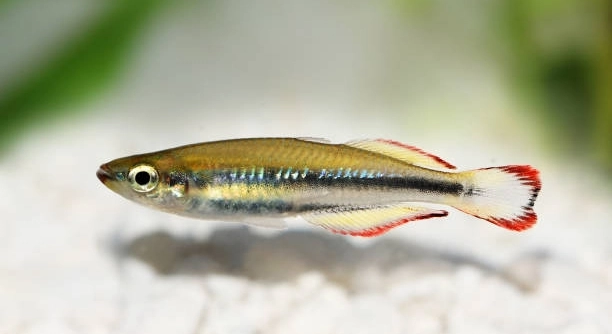
Do you ever notice your rainbowfish hiding in the corners of the tank or behind decorations, making it hard to see their bright colors? Observing this behavior can leave owners concerned about their fish’s health and comfort.
Rainbowfish often hide due to stress, poor water conditions, or lack of proper hiding spaces. Ensuring stable water parameters, appropriate tank mates, and a well-structured environment helps reduce anxiety and encourages them to swim more openly.
Knowing why your fish retreats can improve their care, tank setup, and overall well-being, making your aquarium a more vibrant and peaceful space.
Common Reasons Rainbowfish Hide
Rainbowfish often hide when their environment feels unsafe or uncomfortable. Sudden changes in water temperature, pH levels, or the introduction of new tank mates can trigger stress. Overcrowded tanks leave little room for swimming, making hiding spots more appealing. Lack of plants, rocks, or decorations can also make fish feel exposed. Additionally, rainbowfish are naturally cautious and may retreat when feeling threatened. Observing their behavior closely helps identify patterns, such as hiding during feeding times or when lights are turned on. Diet also plays a role; fish that are not eating well or receiving inadequate nutrition may appear lethargic and spend more time hiding. By paying attention to these factors, owners can create a more comfortable environment. Providing adequate space, consistent water conditions, and enough places to explore can reduce anxiety and encourage rainbowfish to be more active and visible.
Proper lighting and gentle movement in the tank also encourage fish to come out.
Addressing the reasons rainbowfish hide requires careful observation and gradual changes. Slowly introducing new tank mates, adjusting water parameters, and adding hiding spaces can make a big difference. Stress from transportation or sudden environmental shifts can also cause prolonged hiding, so patience is important. Ensuring a balanced diet rich in vitamins supports their health, which naturally improves confidence in exploring the tank. Tank setup matters too; tall plants, rocks, and caves offer security while allowing freedom to swim. Water quality should be monitored regularly, including temperature, pH, and ammonia levels, because even minor fluctuations can trigger hiding behavior. By understanding and responding to these needs, owners can see rainbowfish become more active and social. Observing their daily habits and making small, consistent adjustments can lead to a healthier, happier aquarium environment where rainbowfish thrive.
Improving Your Rainbowfish’s Comfort
Creating safe spaces with plants and decorations is key.
Adding hiding spots and maintaining stable water conditions helps rainbowfish feel secure. Regular water testing, consistent temperature, and proper filtration reduce stress. Fish need room to swim, so avoid overcrowding, and observe interactions with tank mates to prevent bullying. Gradually introducing changes allows rainbowfish to adapt without fear. Feeding a balanced diet ensures energy for exploration and supports immune health, helping them recover from stress. Consistent lighting patterns and gentle tank maintenance also encourage natural behavior. Over time, a well-structured, stable tank reduces hiding behavior, allowing rainbowfish to display their colors and personality. Understanding their natural instincts and responding to needs creates an environment where rainbowfish feel safe, confident, and more visible. Maintaining these practices consistently promotes long-term comfort and reduces anxiety, improving both their health and the enjoyment of watching them in the aquarium.
Tank Environment Adjustments
Adding plants and hiding spots immediately improves rainbowfish comfort. Rocks, caves, and decorations give them security. Open swimming areas reduce stress, while soft lighting prevents sudden shocks. Regular maintenance keeps water clean and healthy.
Rainbowfish respond strongly to water conditions. Stable temperature, pH, and minimal ammonia are essential. Even small fluctuations cause hiding or sluggish behavior. Using a thermometer and testing kits helps track these levels consistently. Filtration should keep water clear without creating strong currents that tire fish. Observing daily habits, such as activity during feeding or interaction with tank mates, indicates how comfortable the fish feel.
Tank layout directly affects behavior. Crowded tanks or lack of vertical space make rainbowfish retreat. Arranging plants and ornaments strategically allows both hiding and swimming. Providing varying textures and heights helps them explore safely. When decorations are spaced well, fish show more natural patterns and social interactions. Rotating or rearranging features occasionally keeps the environment stimulating while still maintaining secure zones, encouraging activity and reducing constant hiding behavior over time.
Feeding and Nutrition
A balanced diet supports health and confidence. Rainbowfish need a mix of flakes, pellets, and occasional live food for energy and color enhancement.
Feeding schedule impacts behavior. Consistent times help fish anticipate meals, reducing stress and hiding. Overfeeding or underfeeding can cause lethargy or aggression. Providing small portions multiple times daily encourages active swimming and exploration. Live or frozen foods add variety, stimulating natural hunting instincts. High-quality commercial foods ensure essential vitamins and minerals are supplied, supporting immune function. Observing appetite and adjusting food types helps identify deficiencies or preferences, creating a more engaging feeding routine.
Nutrition influences overall well-being and activity. Poor diet weakens immunity and can lead to hiding or decreased movement. Supplementing with vegetables or protein-rich foods ensures rainbowfish receive complete nutrition. Rotating food types keeps them interested and encourages exercise during feeding. Careful observation of body condition and coloration signals their health status. Well-nourished fish are more confident and explore their environment fully. Combining diet management with proper tank conditions creates a stable environment where rainbowfish feel safe, active, and visible.
Tank Mates
Choosing compatible tank mates reduces stress. Aggressive or overly active fish can scare rainbowfish, causing them to hide. Peaceful species encourage social behavior without intimidation.
Observe interactions carefully. Even compatible fish may occasionally chase or crowd rainbowfish. Adjusting tank population or rearranging decorations can prevent conflict and give everyone space to feel secure.
Water Quality Monitoring
Regular testing of water parameters is essential. Temperature, pH, ammonia, nitrite, and nitrate levels must stay within safe ranges. Inconsistent water conditions cause stress, illness, and hiding behavior. Using test kits weekly and performing partial water changes maintains stability. Clear water and proper filtration directly impact fish comfort.
Lighting Adjustments
Bright or sudden lighting can make rainbowfish anxious. Gradual light transitions and dimmer settings encourage exploration. Avoid direct sunlight or harsh aquarium lamps that cause shadows or glare, helping fish feel secure and more likely to swim openly.
FAQ
Why does my rainbowfish hide all the time?
Rainbowfish hide mainly due to stress, poor water quality, or feeling unsafe. Changes in temperature, pH, or tank overcrowding can make them retreat. A lack of hiding spots or too few decorations also increases anxiety. Observing their behavior closely helps identify specific triggers and address them.
Can stress make rainbowfish sick?
Yes, prolonged stress weakens the immune system, making rainbowfish more susceptible to diseases. Symptoms include faded colors, lethargy, and loss of appetite. Maintaining stable water conditions, providing hiding spaces, and keeping tank mates compatible reduces stress and supports long-term health.
How do I know if my water conditions are causing hiding behavior?
Regular testing is key. Check temperature, pH, ammonia, nitrite, and nitrate levels weekly. Fluctuations or extreme readings often lead to hiding. Clear water and proper filtration also indicate a stable environment. Observing activity patterns after water changes helps determine if adjustments improve comfort.
Are certain tank mates better for rainbowfish?
Peaceful species like tetras or small gouramis are ideal companions. Aggressive or territorial fish cause stress and encourage hiding. Even calm fish need space to coexist, so avoid overcrowding. Rearranging decorations can help reduce tension and give rainbowfish places to retreat safely.
Does lighting affect rainbowfish behavior?
Yes, sudden or bright lighting can make rainbowfish anxious. Gradually increasing light levels in the morning and dimming in the evening encourages normal swimming. Avoid direct sunlight or intense lamps, which can create harsh shadows, causing them to hide more frequently.
How important is diet for reducing hiding behavior?
A balanced diet directly influences activity levels. Feeding high-quality flakes, pellets, and occasional live or frozen foods ensures rainbowfish have energy to explore the tank. Overfeeding or inconsistent schedules can cause lethargy or stress, increasing hiding tendencies. Observing appetite helps determine proper feeding amounts.
Do rainbowfish need plants and decorations to feel safe?
Yes, having plants, rocks, and caves creates secure areas for retreat. These structures reduce stress by giving fish control over their space. Open areas for swimming alongside hiding spots balance safety and activity, encouraging rainbowfish to show natural behavior without constant retreating.
Can temperature fluctuations cause hiding?
Even small temperature changes can stress rainbowfish. Maintaining a stable range between 74°F and 78°F is ideal. Rapid heating or cooling, such as during water changes, can trigger hiding and reduce activity. Using a reliable aquarium heater and thermometer ensures consistent temperatures.
How long does it take for rainbowfish to stop hiding?
It varies depending on the cause. Gradual changes to water quality, tank layout, and diet can show improvement within days to weeks. Patience is important, as sudden changes may worsen hiding. Consistent care and observation help rainbowfish gain confidence and explore more openly.
Can hiding be a sign of illness?
Yes, hiding paired with lethargy, faded colors, or labored breathing may indicate illness. Parasites, bacterial infections, or poor water conditions can be factors. Quarantining sick fish and addressing water quality or diet issues promptly helps recovery and reduces prolonged hiding.
Is it normal for rainbowfish to hide at night?
Yes, rainbowfish are less active in low light. Hiding during nighttime is natural and not a cause for concern. They will typically explore again once lights are on. Ensuring consistent day-night lighting cycles supports normal behavior and reduces daytime hiding.
How can I encourage rainbowfish to swim more openly?
Provide a stable environment, compatible tank mates, and hiding spots. Gradually adjusting lighting and maintaining a balanced diet encourages activity. Minimizing sudden changes and observing fish daily allows owners to make small improvements that increase confidence and reduce hiding behavior.
Does tank size matter for hiding behavior?
Yes, small or overcrowded tanks increase stress. Rainbowfish need room to swim freely. Adequate space with open areas and strategically placed decorations helps them feel secure. Overcrowding leads to frequent hiding and limits natural activity patterns. Choosing the right tank size improves overall comfort.
Can rearranging decorations help reduce hiding?
Yes, changing the layout occasionally can stimulate exploration. Ensure hiding spots remain available while creating open swimming spaces. Gradual rearrangement prevents stress and encourages natural behavior, allowing rainbowfish to become more active and visible throughout the tank.
How often should I monitor my rainbowfish’s behavior?
Daily observation is best. Look for changes in hiding, swimming, or appetite. Noticing subtle shifts allows early intervention for water quality, diet, or social interactions. Keeping a simple log can help track patterns and make adjustments to support their comfort.
Does tank cleanliness affect hiding?
Absolutely. Dirty water increases stress and encourages hiding. Regular partial water changes, filter maintenance, and debris removal keep water safe and clear. Consistent cleaning routines prevent prolonged hiding and promote healthier, more active rainbowfish behavior.
Can live plants reduce hiding?
Yes, live plants provide natural hiding spots and improve water quality. They create shaded areas, reducing stress while promoting exploration. Plants also offer enrichment, making the environment more engaging. Well-planted tanks tend to have less hiding and more visible, active rainbowfish.
What should I do if hiding continues despite changes?
If hiding persists, review all factors: water quality, tank mates, diet, and environment. Consulting an experienced aquarist or veterinarian can identify hidden issues. Patience and careful observation, combined with gradual adjustments, usually help rainbowfish regain confidence over time.
Are juvenile rainbowfish more likely to hide?
Yes, younger fish are naturally cautious and often hide more than adults. Providing extra hiding spots and gentle tank conditions helps them adapt. As they grow and feel secure, hiding typically decreases, allowing them to explore and interact more freely.
How does social behavior impact hiding?
Rainbowfish are schooling fish. Being in small groups reduces fear and encourages activity. Isolated fish or incompatible groups often hide more. Maintaining an appropriate school size improves confidence, reduces stress, and promotes visible, active behavior within the aquarium.
Can seasonal changes affect hiding?
Yes, changes in room temperature, lighting, or water conditions due to seasons can trigger hiding. Monitoring and adjusting water temperature, light cycles, and feeding routines helps maintain stability. Consistent conditions prevent stress and keep rainbowfish active year-round.
Does tank shape influence hiding?
Tanks with too much open space or narrow layouts can make rainbowfish feel exposed. Providing depth, plants, and vertical structures balances security and swimming areas. Proper tank design reduces hiding while allowing natural behavior and social interactions to occur comfortably.
How long should I wait after introducing new fish?
New tank mates should be introduced gradually. Initial hiding is normal as fish assess the environment and other inhabitants. Observing interactions for a few days ensures compatibility, reduces stress, and prevents prolonged hiding behaviors caused by territorial disputes or intimidation.
Can decorations be rearranged too often?
Yes, frequent rearrangements cause stress and increase hiding. Changes should be gradual and infrequent, giving rainbowfish time to adjust. Maintaining a stable layout with occasional updates encourages exploration without overwhelming them, creating a comfortable and secure habitat.
Are there signs of permanent hiding behavior?
Persistent hiding paired with poor health or lack of growth may indicate unresolved stress, illness, or environmental issues. Identifying and addressing the underlying cause is critical. In some cases, behavioral tendencies may persist, but proper care usually improves visibility and activity over time.
Does tank noise affect rainbowfish?
Loud vibrations, tapping, or sudden sounds can startle rainbowfish, causing them to hide. Minimizing noise around the tank, placing it in a quiet area, and avoiding sudden movements helps reduce anxiety and encourages normal activity.
How does water flow impact hiding?
Strong currents can tire rainbowfish and push them toward hiding spots. Gentle, consistent water movement is best. Adjusting filter output and creating calm areas with plants or rocks allows swimming without stress, reducing constant retreating and encouraging natural behavior.
Can overcrowding cause hiding in rainbowfish?
Yes, too many fish in one tank increase competition and stress. Overcrowded tanks force rainbowfish to hide more often and can lead to aggression. Ensuring adequate space, schooling numbers, and compatible tank mates promotes comfort, reduces hiding, and encourages normal social behavior.
Is temperature shock a common reason for hiding?
Sudden shifts in water temperature, such as from rapid water changes, can stress rainbowfish. This often leads to hiding and reduced activity. Gradual adjustments, using a heater and monitoring temperature closely, prevent shocks and support confident swimming and exploration.
Do rainbowfish hide more when sick?
Yes, illness often causes hiding alongside lethargy, reduced appetite, or unusual swimming. Parasites, bacterial infections, or poor water conditions are common causes. Quarantining sick fish, treating disease promptly, and maintaining optimal conditions help them recover and return to normal behavior.
Can decorations improve visibility of hiding rainbowfish?
Yes, well-placed plants and rocks allow rainbowfish to feel secure while remaining visible. Creating partial cover instead of complete concealment encourages exploration and reduces stress without forcing them into constant hiding, promoting healthy activity patterns.
How does feeding frequency impact hiding?
Frequent, small meals help rainbowfish feel safe and active. Irregular feeding or overfeeding can lead to hiding due to stress or digestive discomfort. Consistent schedules and varied diet types promote energy, natural hunting instincts, and confidence in swimming openly.
Do rainbowfish hide more in newly set up tanks?
Yes, new environments are unfamiliar and stressful. Initial hiding is normal while fish adapt. Providing hiding spots, maintaining stable water parameters, and limiting disturbances helps rainbowfish gain confidence, gradually reducing hiding as they feel secure.
How long should I wait to see changes after improving conditions?
Behavioral changes may appear within a few days to weeks, depending on the issue. Gradual adjustments and consistent care promote confidence. Patience is key, as sudden changes may worsen hiding. Observing progress and making small improvements ensures rainbowfish gradually explore their environment.
Does schooling reduce hiding?
Yes, rainbowfish are naturally social. Being in groups provides security and reduces fear. Isolated fish often hide more. Maintaining a proper school size encourages normal activity, improves visibility, and supports natural social behavior, making them more confident in the tank.
Can tank depth or height affect hiding?
Yes, rainbowfish feel safer with varied depths and vertical spaces. Plants, rocks, and caves at different levels create security while leaving open swimming areas. Proper depth encourages natural movement and exploration, reducing the frequency of hiding and promoting healthy activity.
Do rainbowfish hide during breeding?
Yes, breeding behavior can increase hiding. Males may chase females or defend territory, and fish often retreat to avoid aggression. Providing plenty of plants, caves, and open space helps reduce stress and allows breeding behavior without constant hiding.
Can live food reduce hiding?
Yes, live food encourages natural hunting instincts. Active feeding stimulates exploration and increases confidence, reducing hiding behavior. Rotating live or frozen foods with flakes or pellets keeps rainbowfish engaged and more visible, promoting a healthier and more interactive tank environment.
Does tank lighting schedule affect hiding?
Yes, consistent day-night cycles support normal behavior. Abrupt changes or irregular lighting can increase hiding. Gradual transitions, dimming in the evening, and avoiding overly bright lamps help rainbowfish feel secure and explore more openly throughout the day.
How can I tell if hiding is normal or problematic?
Occasional hiding is natural, especially at night or during adjustments. Persistent hiding with signs like faded color, lethargy, poor appetite, or unusual swimming may indicate stress, illness, or poor environment. Observing behavior patterns helps determine whether intervention is needed.
Are there signs that hiding is due to water quality rather than stress?
Yes, signs include frequent hiding, gasping at the surface, or abnormal swimming. Testing water for temperature, pH, ammonia, nitrite, and nitrate identifies issues. Correcting these parameters typically reduces hiding and restores activity.
Can decorations be both functional and decorative for hiding prevention?
Yes, strategically placing plants and rocks creates safe zones without isolating fish completely. Combining aesthetics with functionality encourages exploration, reduces stress, and keeps rainbowfish visible while still feeling secure in the environment.
Does tank size change how often rainbowfish hide?
Yes, small or overcrowded tanks increase hiding. Sufficient space with open swimming areas and strategically placed hiding spots reduces stress. Proper tank size encourages natural behavior, social interaction, and activity, minimizing constant retreating and anxiety.
Can temperature, diet, and environment work together to reduce hiding?
Yes, maintaining stable temperature, providing a balanced diet, and creating a secure environment are all critical. These factors collectively reduce stress, encourage activity, and prevent prolonged hiding. Observing rainbowfish daily ensures adjustments have the desired effect on comfort and visibility.
Does introducing too many new fish at once increase hiding?
Yes, sudden introductions overwhelm rainbowfish, causing stress and retreat. Gradual introductions allow assessment of compatibility and reduce hiding. Observing interactions and providing hiding spaces ensures a smoother transition and more confident swimming behavior.
Is hiding behavior different in males and females?
Males may hide less during social hierarchy establishment, while females often retreat more. Providing ample hiding spots and observing interactions helps balance stress levels, supporting both sexes in feeling secure while reducing excessive hiding.
Can over-filtering cause hiding?
Strong currents from filters can tire fish and increase hiding. Adjusting flow to create calm areas with plants or decorations provides comfort. Proper filter placement supports clean water without stressing rainbowfish, encouraging normal swimming and reducing retreating behavior.
Do rainbowfish hide during tank cleaning?
Yes, sudden movement, water changes, or disturbances can cause temporary hiding. Gentle cleaning, partial water changes, and minimal disruption help fish feel secure. Over time, they adapt to maintenance routines and resume normal activity with less frequent hiding.
How do I know if hiding is due to aggression from other fish?
Signs include chasing, nipping, or territorial behavior. Rainbowfish retreat or stay in corners to avoid confrontation. Monitoring interactions and rearranging decorations or removing aggressive fish reduces hiding and promotes a peaceful environment.
Can hiding be prevented entirely?
No, some hiding is natural and healthy. Occasional retreat provides security. The goal is to minimize stress-related hiding through proper care, tank setup, and consistent routines, allowing rainbowfish to feel confident and explore safely.
Does feeding order affect hiding?
Yes, dominant fish eating first can stress others. Distributing food across the tank ensures all fish access meals. Small, frequent feedings reduce competition, encouraging shy rainbowfish to come out of hiding and engage with their environment.
Can water chemistry supplements reduce hiding?
Yes, adding safe minerals or buffers can stabilize pH and water hardness. Balanced chemistry reduces stress and encourages normal behavior. Always research supplements carefully to avoid overdosing, which may worsen hiding.
Is hiding more common in new or experienced rainbowfish?
New fish hide more as they adapt to a new environment. Experienced rainbowfish may hide due to stress, illness, or changes in tank conditions. Providing stability and observation ensures both new and established fish feel secure and active.
Does noise from pumps or equipment trigger hiding?
Yes, loud vibrations or irregular equipment noises can stress rainbowfish. Minimizing noise, using quieter pumps, and securing devices reduces hiding. Observing fish behavior after adjustments confirms whether equipment contributes to anxiety.
Can seasonal water changes affect hiding?
Yes, shifts in temperature or water chemistry during seasonal changes can stress rainbowfish. Gradual adjustments and careful monitoring help maintain stability, reducing hiding and promoting normal activity throughout the year.
Do rainbowfish hide more when stressed by handling?
Yes, physical contact or movement of the tank can startle fish. Minimizing handling and performing gentle maintenance routines reduces hiding. Over time, fish learn to associate normal activities with safety, improving confidence and activity levels.
How does tank position in a room impact hiding?
Placing the tank in high-traffic or noisy areas increases stress and hiding. A quiet, stable location reduces disturbances and encourages fish to explore. Avoiding drafts, sunlight, and sudden vibrations helps rainbowfish feel secure and visible.
Does overfeeding cause hiding?
Yes, excessive food can pollute water and stress fish. Uneaten food increases bacteria and reduces oxygen, prompting hiding. Feeding small portions and removing leftovers maintains water quality and encourages rainbowfish to swim and explore naturally.
Can changing water too quickly trigger hiding?
Yes, rapid water changes cause temperature or chemical shocks. Gradual, partial water changes with matching parameters reduce stress. Slow adjustments prevent hiding and support healthy activity and comfort within the tank.
Do rainbowfish hide more when molting or growing?
Yes, juveniles and growing fish may hide for protection. Providing safe zones during these stages allows them to develop without excessive stress. As they grow and gain confidence, hiding typically decreases.
Is hiding related to social hierarchy in the tank?
Yes, dominant rainbowfish may force others to retreat. Providing multiple hiding spots and adequate space reduces stress and ensures all fish can explore without constant fear. Observing social interactions helps manage hierarchy issues.
Can tank decorations prevent territorial disputes?
Yes, separating areas with rocks and plants reduces aggression. Fish feel secure in their zones, minimizing hiding caused by social tension. Thoughtful decoration placement supports natural behavior and peaceful coexistence.
Does water clarity influence hiding?
Yes, murky water can increase stress. Rainbowfish rely on vision to feel safe. Maintaining clear water through filtration and regular changes reduces hiding and promotes active exploration.
Can hiding be a temporary response to change?
Yes, rainbowfish often hide during new introductions, rearrangements, or water changes. Temporary retreat is normal as they adjust. Providing hiding spots and consistent conditions allows gradual adaptation without prolonged stress.
Does tank cover or lid affect hiding?
Yes, an open top can make fish feel exposed, while too-tight covers can limit oxygen. Proper balance ensures security, reduces stress, and encourages rainbowfish to swim confidently without excessive hiding.
How does water hardness affect hiding?
Extreme hardness or softness can stress rainbowfish. Maintaining moderate hardness within recommended ranges prevents hiding, supports health, and encourages natural behavior. Testing and adjusting water chemistry helps maintain a comfortable environment.
Can sudden additions of decorations or plants trigger hiding?
Yes, abrupt changes increase anxiety. Introducing items gradually allows fish to adjust. Maintaining some familiar structures while adding new features reduces hiding and supports exploration.
Does schooling size impact hiding frequency?
Yes, small schools or isolated fish hide more. Maintaining adequate group size provides security and encourages active swimming. Observing social dynamics ensures rainbowfish feel confident and reduces prolonged hiding behavior.
Can diet deficiencies cause hiding?
Yes, lack of essential nutrients weakens health and reduces activity. Providing a varied diet with vitamins, proteins, and occasional live food encourages confidence, energy, and less hiding.
How do I balance hiding and safety?
Providing secure spots while maintaining open swimming areas ensures rainbowfish feel safe but active. Gradual environmental adjustments, compatible tank mates, and consistent care promote confidence and natural exploration without eliminating hiding entirely.
Rainbowfish are naturally cautious, and some hiding behavior is normal. Hiding allows them to feel safe and assess their environment, especially when they are adjusting to a new tank or unfamiliar surroundings. However, consistent or excessive hiding often points to stress, water quality issues, or social dynamics within the tank. Observing their behavior closely and understanding patterns can help identify the causes. Noticing when and where they hide, such as during feeding, at night, or near aggressive tank mates, provides valuable clues. By paying attention to these details, owners can create a supportive environment that balances security with freedom to explore. Small adjustments in tank layout, lighting, or water conditions can make a significant difference in reducing hiding and promoting healthier, more visible fish behavior.
Maintaining a stable and comfortable environment is one of the most important factors in minimizing hiding. Water quality, temperature, and pH levels need to be checked regularly, as fluctuations can quickly stress rainbowfish. Adequate filtration, regular partial water changes, and clear water contribute to their overall well-being. The tank should also provide a mix of open swimming space and hiding spots, such as plants, rocks, or caves. These features allow rainbowfish to feel secure while still giving them freedom to swim actively. Tank mates should be chosen carefully to avoid aggressive or territorial species that can cause repeated hiding. A balanced diet is equally essential, providing the nutrients and energy they need to remain active and healthy. Offering a variety of flakes, pellets, and occasional live or frozen foods encourages natural feeding behavior and reduces stress.
Patience is key when working to reduce hiding behavior in rainbowfish. Changes should be made gradually to avoid further stress, and observation is essential to ensure the adjustments are effective. Over time, rainbowfish typically gain confidence and begin to explore more openly, showing their natural colors and social behaviors. Even after improvements, occasional hiding remains part of their normal instincts, serving as a protective behavior when needed. Understanding the reasons behind hiding helps owners respond thoughtfully, improving both fish health and enjoyment of the aquarium. With consistent care, attention to water quality, proper diet, compatible tank mates, and an enriched environment, rainbowfish can thrive, becoming more active, visible, and confident in their home.

Hello,
If you enjoy the content that we create, please consider saying a "Thank You!" by leaving a tip.
Every little bit helps us continue crafting quality advice that supports the health, happiness, and well-being of pets around the world, for pets of all shapes, sizes, and species.
We really appreciate the kindness and support that you show us!