
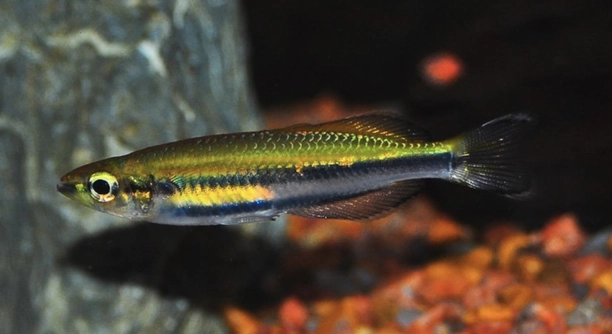
Are your rainbowfish showing signs of stress, such as clamped fins or frantic swimming? Stress can affect their color, appetite, and overall health. Even small changes in their environment can make a noticeable difference to their well-being.
The most effective methods to calm stressed rainbowfish involve gradual adjustments to water temperature, consistent feeding schedules, enriched environments, and minimal sudden disturbances. Each factor contributes to reducing stress hormones and promoting natural, healthy behavior patterns in the aquarium.
Implementing these small strategies will help your rainbowfish feel secure and thrive, creating a balanced and peaceful aquatic environment for your tank.
Adjust Water Temperature Gradually
Rainbowfish are sensitive to sudden temperature changes, which can cause stress and affect their health. Maintaining a stable water temperature that matches their natural habitat is essential. Small fluctuations can trigger frantic swimming, hiding, or loss of appetite. Using a reliable heater and thermometer ensures the water remains consistent. When introducing new fish, acclimate them slowly to avoid shock. Even minor temperature drops or spikes can make rainbowfish uncomfortable. Gentle adjustments over several hours help them adapt without stress. Observing their behavior after changes can indicate if the temperature is suitable. Consistency in water temperature promotes calmness and encourages natural behaviors, such as exploring and feeding. A stable aquatic environment is one of the simplest yet most effective ways to support their overall well-being. Regular monitoring prevents stress-related illnesses and helps maintain their vibrant colors.
Stable water conditions also reduce aggression and improve social interactions among rainbowfish.
A carefully managed temperature allows rainbowfish to thrive naturally. Watching them swim calmly and display vivid colors reflects the benefits of a consistent, stress-free environment. It also minimizes health risks and creates a visually pleasing aquarium for observation. By prioritizing gradual adjustments, you ensure your rainbowfish live in comfort while maintaining their energy and appetite. Small efforts in monitoring temperature can prevent unnecessary stress and provide a long-term foundation for healthy growth and active behavior. Consistency is key to achieving a peaceful, balanced tank that supports both their physical and emotional needs.
Provide Hiding Spots
Rainbowfish need places to feel secure. Plants, rocks, and decorations offer shelter, helping them reduce stress naturally.
Adding various hiding spots encourages natural exploration while giving shy fish spaces to retreat. Dense plants or small caves create a sense of safety and calm. Fish with access to secure areas display more vibrant colors, feed regularly, and interact comfortably with tank mates. Without hiding places, rainbowfish may become anxious, swim erratically, or show aggression. Structured environments mimic their natural habitats, supporting both mental and physical health. Observation of their behavior helps determine if the current setup meets their comfort needs. Ensuring enough variety and coverage in the aquarium layout promotes confidence and reduces stress responses, which can also lower the risk of disease and improve overall vitality.
Providing hiding spots not only supports their mental health but also encourages natural behaviors like exploring and resting. Well-placed shelters help maintain harmony, giving each fish a safe retreat. Overcrowding or lack of cover can increase tension and lead to visible stress, so attention to tank structure is essential. Regularly rotating plants or adding small décor items keeps the environment stimulating and allows rainbowfish to feel secure without constant exposure. Naturalistic setups help balance activity and rest, ultimately enhancing the tank’s aesthetics and your rainbowfish’s overall happiness.
Maintain a Consistent Feeding Schedule
Rainbowfish respond well to predictable feeding times. Regular meals prevent stress and support healthy digestion.
Feeding at consistent times each day helps rainbowfish anticipate food, reducing frantic searching or competition among tank mates. Uneven feeding can cause aggression or anxiety, making fish more prone to illness. Portion control is important—overfeeding leads to water quality issues, while underfeeding stresses their metabolism. Using a mix of high-quality flakes, pellets, and occasional live food ensures they receive balanced nutrition. Observing their eating patterns helps adjust portions and frequency, keeping fish healthy and calm. A structured feeding routine supports both physical health and a peaceful environment.
Consistency in feeding also strengthens natural rhythms and encourages active, calm behavior. Fish become more comfortable in their environment, reducing stress and improving color vibrancy.
Reduce Noise and Vibrations
Loud sounds or constant vibrations disturb rainbowfish, causing stress and erratic swimming. Controlling external noise helps them feel secure.
Aquarium placement plays a key role in reducing stress. Avoid high-traffic areas, appliances, or furniture that transmit vibrations. Sudden banging or music near the tank can trigger hiding or fleeing behavior. Using a sturdy stand and placing the tank on a soft mat absorbs minor vibrations. Even small disturbances from tapping glass or nearby construction can affect sensitive fish. Quiet environments support normal behavior, including feeding, schooling, and resting. Observing their reactions helps identify and minimize stress sources. Creating a calm, stable atmosphere enhances overall health and encourages natural activity.
Reducing noise and vibrations benefits not only rainbowfish but all tank inhabitants. Calm surroundings allow them to focus energy on growth, interaction, and displaying vibrant colors. Minimizing external disturbances lowers stress hormone levels, preventing illnesses and boosting immunity. Consistent monitoring ensures adjustments maintain a peaceful environment. Over time, a quiet tank fosters confident and relaxed fish, which thrive in their habitat. Simple actions, like placing the aquarium away from daily commotion, have a lasting impact on their well-being.
Keep Water Clean
Regular water changes prevent stress by maintaining a healthy environment. Dirty water can quickly harm rainbowfish.
Testing water parameters ensures safe levels of ammonia, nitrites, and nitrates. Clean water reduces disease risk and promotes calm, natural behavior.
Avoid Overcrowding
Too many fish in one tank causes competition, stress, and poor water quality. Giving each rainbowfish enough space improves health, reduces aggression, and allows them to swim freely. Maintaining proper stocking levels ensures a peaceful, balanced environment where fish can thrive without unnecessary tension.
Gentle Lighting
Bright or flickering lights can stress rainbowfish. Soft, consistent lighting helps them feel secure and encourages natural activity.
Introduce Tank Mates Slowly
Adding new fish gradually reduces stress for rainbowfish. Sudden introductions can trigger aggression or hiding. Observing interactions and separating aggressive fish when needed keeps the community calm. Slow acclimation allows rainbowfish to adjust to new companions without compromising their health or comfort.
FAQ
How can I tell if my rainbowfish is stressed?
Signs of stress in rainbowfish include clamped fins, rapid or erratic swimming, loss of appetite, and dull or faded coloration. They may hide more often or display unusual aggression toward tank mates. Observing daily behavior helps identify stress early and take corrective measures promptly.
What water temperature is ideal for rainbowfish?
Rainbowfish thrive in temperatures between 74°F and 82°F (23°C–28°C). Maintaining a consistent temperature within this range reduces stress and supports healthy metabolic and immune function. Sudden shifts in temperature can trigger frantic swimming, hiding, or appetite loss, so gradual adjustments are essential.
How often should I feed rainbowfish?
Rainbowfish do best with two small feedings per day. Overfeeding can pollute the water, while underfeeding stresses their metabolism. Offering a balanced diet of flakes, pellets, and occasional live or frozen foods ensures proper nutrition, supports growth, and reduces stress-related behaviors.
Do rainbowfish need hiding spots in their tank?
Yes, hiding spots are essential. Plants, rocks, and decorations provide security and reduce anxiety. Rainbowfish use these areas to retreat when they feel threatened. A variety of shelters helps them display natural behaviors, improves comfort, and encourages calm social interactions with tank mates.
Can loud noises affect rainbowfish?
Loud or constant noises, vibrations, and sudden disturbances can stress rainbowfish. Tanks should be placed in quiet areas away from heavy foot traffic, appliances, or music. Minimizing disturbances allows fish to swim calmly, eat regularly, and maintain natural behavior without unnecessary tension.
How important is water quality for rainbowfish?
Water quality is critical. High ammonia, nitrite, or nitrate levels can quickly stress or harm rainbowfish. Regular water testing and partial water changes keep the environment safe. Clean water promotes vibrant coloration, healthy feeding, and normal activity, reducing the risk of disease and mortality.
Can rainbowfish coexist with other fish?
Rainbowfish are generally peaceful but introducing new tank mates gradually is important. Sudden introductions can cause aggression or hiding. Observing behavior and separating aggressive individuals ensures a calm, balanced community. Slow acclimation helps rainbowfish adjust comfortably to new companions without stress.
What is the best lighting for rainbowfish?
Rainbowfish prefer soft, consistent lighting. Bright, flickering, or overly intense lights can stress them and disrupt normal activity. Natural daylight cycles or a timer can simulate a stable environment, encouraging feeding, exploration, and restful periods, which helps maintain overall well-being and color vibrancy.
How often should I check water parameters?
Water parameters should be checked weekly to ensure ammonia, nitrites, nitrates, pH, and temperature remain within safe ranges. Frequent monitoring helps detect problems early, preventing stress and illness. Consistent maintenance supports calm, healthy fish and a balanced aquarium ecosystem.
Are there signs of stress unique to rainbowfish compared to other fish?
Rainbowfish often display clamped fins, rapid color changes, and schooling disruptions when stressed. While many fish show hiding behavior, rainbowfish are particularly sensitive to water quality, temperature fluctuations, and tank noise. Early detection and environmental adjustments help prevent long-term health issues and maintain their vibrant appearance.
Can decorations and plants reduce stress in rainbowfish?
Yes, decorations and plants simulate natural habitats, providing hiding spots and visual barriers. This reduces anxiety, supports natural behaviors, and allows rainbowfish to feel secure. A mix of tall plants, low ground cover, and small caves ensures a comfortable environment while promoting exploration and calm interaction with tank mates.
How do I gradually introduce new rainbowfish to the tank?
Float the new fish in a separate bag within the tank for 20–30 minutes to equalize temperature. Slowly release them into a quarantine area if possible, then monitor interactions. Gradual acclimation reduces stress, prevents sudden aggression, and helps the new rainbowfish adapt to water conditions and existing tank mates comfortably.
What should I do if my rainbowfish shows signs of illness?
Immediate action is key. Isolate sick fish, test water parameters, and maintain cleanliness. Adjust temperature if needed and consider treatments appropriate for the specific illness. Early intervention reduces stress, prevents disease spread, and helps rainbowfish recover more quickly while maintaining tank stability.
Do rainbowfish benefit from varied diets?
Yes, variety improves nutrition and reduces stress. Combining flakes, pellets, and occasional live or frozen foods ensures balanced vitamins, proteins, and minerals. Varied diets encourage natural foraging behavior, promote growth, and help maintain energy levels, overall health, and vibrant coloration, contributing to a calmer, more active aquarium community.
How can I tell if my rainbowfish is comfortable in its tank?
Comfortable rainbowfish swim calmly, display bright colors, eat regularly, and interact naturally with tank mates. They explore decorations, hide when desired, and exhibit consistent activity patterns. Monitoring these behaviors helps ensure the environment remains stress-free and supports their physical and emotional well-being.
Are there seasonal considerations for rainbowfish stress?
Seasonal temperature fluctuations or changes in daylight hours can affect rainbowfish. Ensuring heaters maintain stable temperatures and lights follow a consistent schedule helps prevent stress. Gradual adjustments and monitoring during seasonal transitions keep them healthy and comfortable throughout the year.
Can overcrowding be avoided in a community tank?
Yes, proper stocking levels are essential. Each rainbowfish needs enough space to swim and interact peacefully. Overcrowding increases aggression, stress, and water quality issues. Following recommended ratios ensures a balanced tank where rainbowfish can thrive without competition or tension.
How long does it take for rainbowfish to calm down after stress?
Calm periods vary depending on the cause and severity of stress. With stable water conditions, hiding spots, and consistent routines, rainbowfish often regain normal behavior within a few hours to a few days. Patience and environmental adjustments are key to helping them recover fully.
Can I use tank mates to reduce stress in rainbowfish?
Compatible tank mates can provide social interaction and encourage schooling behavior, which reduces stress. Choosing non-aggressive species of similar size helps maintain harmony. Gradual introductions and observation ensure rainbowfish benefit from companionship without tension or competition.
Is it necessary to quarantine new fish before adding them to the tank?
Yes, quarantining prevents disease introduction and reduces stress. New fish spend 2–4 weeks in a separate tank with stable water conditions. Monitoring health and acclimating them gradually ensures a smooth transition, protecting both new and existing rainbowfish from illness or conflict.
Rainbowfish are sensitive and beautiful fish that respond strongly to their environment. Small adjustments in care can have a big impact on their stress levels and overall health. Consistent water temperature, proper feeding routines, and clean water are some of the most important factors in creating a calm and safe aquarium. By paying attention to these basic needs, rainbowfish can display their natural colors, swim freely, and interact comfortably with other fish. Observing them daily allows you to notice any subtle signs of stress early, giving you the chance to correct issues before they affect their health. Even minor changes, like adjusting light intensity or adding a few hiding spots, can make a noticeable difference in how calm and active your fish are. Maintaining a stable environment is not only better for the fish but also creates a more enjoyable and visually pleasing aquarium for you to watch.
Providing hiding spots and decorations that mimic natural habitats helps rainbowfish feel secure. Plants, rocks, and small caves allow them to retreat when they feel threatened or overwhelmed. This is essential because a fish that feels safe is less likely to show erratic or anxious behavior. In addition, a thoughtfully arranged tank encourages natural behaviors such as exploring, schooling, and resting. Overcrowding should be avoided, as it can lead to competition and stress. Each rainbowfish needs enough space to move and interact without constant tension. Pairing compatible tank mates and slowly introducing new fish can help maintain harmony within the tank. Even small steps, like minimizing loud noises or vibrations near the aquarium, contribute to a peaceful environment that supports both mental and physical health. By paying attention to these details, you can create a balanced and calm space where rainbowfish thrive.
Consistency and careful observation are key to keeping rainbowfish healthy and stress-free. Regular water testing, scheduled feedings, and monitoring fish behavior ensure that their needs are met and potential issues are addressed quickly. Stress not only affects their appearance but can also make them more vulnerable to disease and reduce their lifespan. Making small, gradual changes rather than sudden adjustments helps rainbowfish adapt without unnecessary anxiety. A calm and structured environment supports natural behavior, proper growth, and overall vitality. When rainbowfish are well cared for, they show brighter colors, stronger energy, and calmer swimming patterns. Taking these steps ensures a long-term, positive relationship between the fish and their habitat. By focusing on their comfort and well-being, you can enjoy a thriving, peaceful aquarium that reflects the care and attention given to these sensitive and beautiful fish.

Hello,
If you enjoy the content that we create, please consider saying a "Thank You!" by leaving a tip.
Every little bit helps us continue crafting quality advice that supports the health, happiness, and well-being of pets around the world, for pets of all shapes, sizes, and species.
We really appreciate the kindness and support that you show us!