
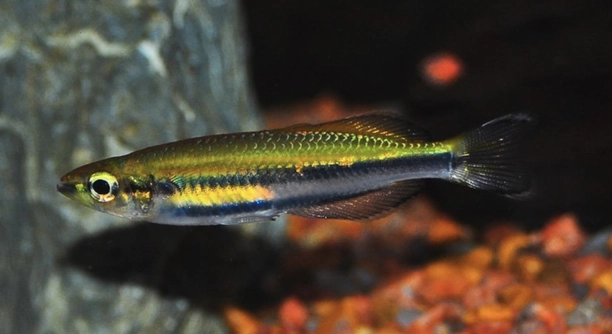
Is your rainbowfish constantly chasing the others in your tank, creating a flurry of activity among its companions? This behavior can seem alarming at first, especially when you want a calm and harmonious aquarium environment.
Rainbowfish chasing behavior is primarily caused by territorial instincts, dominance establishment, or social hierarchy within the tank. Aggression may also result from overcrowding, insufficient hiding spaces, or unbalanced nutrition, leading to stress and increased interactions among fish.
Understanding why this behavior occurs can help maintain a peaceful tank and ensure all your rainbowfish remain healthy and content.
Understanding Rainbowfish Aggression
Rainbowfish often chase others due to natural instincts and social behaviors. In many cases, this is a way to establish dominance or mark territory within the tank. Even in a well-maintained environment, some chasing is normal, especially among males. Overcrowding or small tanks can increase tension, making aggressive behavior more frequent. Stress, sudden changes in water parameters, or limited hiding spaces can also trigger chasing. Providing sufficient space and visual barriers helps reduce confrontations. Nutrition plays a role as well; poorly fed fish may act more aggressively to compete for food. Observing patterns in behavior allows you to distinguish between harmless play and harmful aggression. Introducing new fish gradually can prevent immediate conflicts. It is important to maintain consistent water conditions, as unstable parameters can heighten stress and encourage chasing. Regular monitoring and adjustments help keep a balanced social dynamic in your aquarium.
Chasing is not always dangerous but should be monitored to prevent injury or long-term stress among your fish.
Creating a calm environment involves proper tank size, placement of plants or decorations, and maintaining stable water conditions. Feeding a balanced diet reduces competition and aggression. Observing the fish regularly helps catch early signs of persistent harassment, ensuring interventions can be applied before serious issues arise. Small adjustments like rearranging tank elements can redirect attention and reduce repeated chasing, creating a healthier and more peaceful space for all rainbowfish.
Reducing Chasing Behavior
Providing adequate hiding spots can immediately lower tension among rainbowfish. Small caves, dense plants, or decorations allow fish to escape when needed.
Adjustments in tank setup, fish count, and feeding routines are key strategies. Overcrowded tanks increase stress and chasing, so maintaining proper ratios and ensuring all fish have space is critical. Regular feeding with high-quality, varied food reduces competition, while environmental enrichment, such as plants and structures, gives fish places to explore and retreat. Observing interactions after introducing changes helps assess effectiveness, and minor rearrangements can disrupt established dominance patterns. Maintaining stable water temperature, pH, and cleanliness also prevents stress-induced aggression. Gradual introductions of new fish and avoiding sudden changes in tank setup can minimize conflicts. By combining these strategies, chasing behavior often decreases naturally, resulting in a more balanced, healthy tank where rainbowfish can thrive together without constant stress or injury.
Tank Size and Social Dynamics
A small tank often leads to increased chasing among rainbowfish. Limited space forces fish into close proximity, making territorial behavior more frequent. Proper tank size allows fish to establish personal areas and reduces stress-induced aggression.
Providing a larger tank can dramatically improve social interactions. Rainbowfish are naturally active swimmers, and a spacious environment helps them avoid constant confrontations. Adding visual barriers, such as plants or decorations, allows fish to retreat and reduces repeated chasing. Observing fish movement in a larger tank often shows a calmer, more balanced dynamic. Regular maintenance and monitoring ensure the tank remains comfortable, supporting healthier behavior overall.
Group composition also affects chasing tendencies. A proper male-to-female ratio minimizes dominance disputes, while compatible species reduce unnecessary aggression. Mixing fish sizes carefully prevents bullying. Gradually introducing new fish and giving them time to adjust further stabilizes the tank’s social structure. By combining these measures, chasing behavior can decrease, creating a peaceful environment for all rainbowfish to coexist and thrive.
Feeding and Aggression Control
Feeding routines play a significant role in controlling rainbowfish aggression. Competition for food can trigger chasing and stress.
Consistent feeding with high-quality, balanced diets reduces competition and prevents aggressive interactions. Feeding smaller portions multiple times a day ensures all fish get their share, limiting the need to chase others for food. Live or frozen foods can supplement nutrition, providing enrichment that occupies their attention. Monitoring fish during feeding allows you to observe dominance behaviors and intervene if necessary. Adjusting feeding strategies based on observation can help maintain a calmer tank.
In addition, varying food types and placement can divert attention from chasing. Spreading food across different areas reduces competition in one spot, giving subordinate fish space to eat safely. Feeding at consistent times creates a routine that lowers stress and unpredictability, while enriched feeding experiences keep rainbowfish engaged and less likely to harass tank mates. Observing their behavior over time helps identify patterns and refine strategies for long-term aggression management.
Recognizing Stress Signals
Rainbowfish show stress through constant chasing, hiding, or sudden color changes. Recognizing these signals early helps prevent injuries and long-term health issues.
Other stress indicators include clamped fins, erratic swimming, or refusal to eat. Monitoring daily behavior ensures you can respond quickly and maintain a balanced tank environment.
Environmental Enrichment
Adding plants, rocks, and decorations gives rainbowfish places to explore and hide. A varied environment reduces boredom and aggressive behavior. Introducing new structures periodically encourages natural swimming patterns and helps break established dominance hierarchies, making the tank calmer and more dynamic.
Gradual Introductions
New rainbowfish should be introduced slowly to minimize aggression. Quarantining new arrivals and allowing observation before release helps maintain harmony.
Water Quality Maintenance
Stable water parameters are essential for reducing stress and chasing. Regular testing and consistent filtration support healthy, peaceful interactions among rainbowfish.
Why is my rainbowfish chasing others constantly?
Rainbowfish chase others mainly to establish dominance or mark their territory. In a small or crowded tank, chasing is more frequent because personal space is limited. Stress, sudden changes in water parameters, or lack of hiding places can also trigger this behavior. Providing enough space, visual barriers, and stable conditions often reduces chasing naturally.
Is chasing behavior harmful to my fish?
Chasing is not always dangerous, but prolonged or aggressive chasing can lead to stress, injuries, or weakened immunity. Fins may get torn, and weaker fish may struggle to access food or rest properly. Monitoring interactions and intervening when necessary can prevent long-term health problems and maintain a peaceful tank.
How can I stop rainbowfish from being aggressive?
Aggression can be reduced by ensuring proper tank size, balanced male-to-female ratios, and enough hiding spaces. Consistent feeding routines, high-quality food, and spreading food across the tank reduce competition. Environmental enrichment, like plants and decorations, helps distract fish and prevents repetitive chasing. Gradual introduction of new fish also minimizes conflicts.
Does tank size really affect chasing?
Yes, tank size directly impacts chasing frequency. Rainbowfish are active swimmers and need space to establish personal areas. Small tanks force close interactions, increasing territorial disputes. Larger tanks with plants or structures allow fish to retreat, reducing tension. Regularly observing social behavior helps identify if space adjustments are needed.
Can diet influence aggression?
Diet has a significant role in controlling chasing. Underfed or poorly fed fish often compete aggressively for food. Providing high-quality, balanced diets and feeding multiple times a day ensures all fish get enough nutrition. Varying food types and placement encourages natural foraging behavior and keeps fish engaged without causing stress.
Should I separate aggressive rainbowfish?
Separation can be necessary if aggression becomes harmful. Quarantining overly dominant individuals temporarily allows the tank to regain balance. Permanent separation may be considered if the fish continually injure others despite environmental adjustments. Introducing barriers or rearranging tank decorations can also reduce direct conflict without full removal.
How do I know if chasing is normal or a problem?
Normal chasing is brief and part of social interaction. It usually doesn’t cause injuries or prevent feeding. Problematic chasing is persistent, targets the same fish, or results in visible stress, torn fins, or hiding. Careful observation over time helps determine when intervention is necessary.
Can adding more fish help reduce aggression?
Sometimes adding more rainbowfish spreads aggression across the group, preventing one fish from being constantly targeted. However, overcrowding worsens stress if the tank is too small. Proper planning of tank size and group ratios ensures additional fish help rather than exacerbate chasing.
Does water quality affect chasing behavior?
Yes, unstable water conditions increase stress, which can trigger aggressive chasing. Maintaining proper temperature, pH, and cleanliness supports calmer interactions. Regular testing, consistent filtration, and partial water changes reduce stress-induced aggression and keep rainbowfish healthy.
Are there specific decorations that help reduce chasing?
Dense plants, rocks, and hiding spaces allow fish to retreat from aggressors. Rearranging decorations periodically breaks established dominance patterns. Structures create visual barriers, giving subordinate fish safety and reducing constant stress, which contributes to a more peaceful tank environment.
How long does it take for chasing to decrease after changes?
Behavior changes depend on the fish and tank conditions. With proper tank size, enrichment, feeding routines, and water quality, chasing often decreases within days to a few weeks. Patience and consistent observation are key to ensuring improvements last and aggression does not return.
Can rainbowfish injuries from chasing heal on their own?
Minor fin nipping often heals naturally with good water quality and a stress-free environment. Persistent injuries or infections may require treatment. Isolating affected fish temporarily or using antibacterial medications can prevent worsening conditions and support recovery.
Is male-to-female ratio important?
Yes, an imbalanced ratio increases chasing and dominance disputes. A proper male-to-female ratio allows social hierarchy without excessive aggression. Observing behavior and adjusting ratios helps maintain harmony in the tank.
Can I train rainbowfish to reduce chasing?
Rainbowfish are not trainable in a conventional sense, but consistent routines, structured feeding, and stable environments influence behavior. Gradually introducing changes and monitoring responses encourages calmer interactions and reduces repetitive chasing over time.
Are some rainbowfish more aggressive than others?
Yes, individual temperament varies. Males are generally more territorial and active, while some individuals naturally display higher aggression. Recognizing these tendencies helps in planning tank setup, group composition, and intervention strategies to maintain balance.
Maintaining a peaceful rainbowfish tank requires understanding both their natural behavior and the environment you provide. Chasing is a common behavior among rainbowfish, especially males, as they establish social hierarchy and mark territory. While it may seem concerning, not all chasing is harmful, and some activity is a normal part of their interactions. Overcrowding, lack of hiding spaces, and sudden changes in the tank can increase aggression, making careful observation and adjustments essential. Creating a balanced environment with proper tank size, sufficient decor, and consistent routines can help reduce stress and keep interactions manageable.
Providing visual barriers, plants, and hiding spaces allows rainbowfish to retreat when they feel threatened, reducing repeated confrontations. Balanced feeding routines also play a significant role, as competition for food can trigger chasing. Feeding smaller portions multiple times a day, offering high-quality and varied diets, and spreading food across the tank can help keep all fish nourished while minimizing aggressive behavior. Gradually introducing new fish, maintaining a suitable male-to-female ratio, and monitoring group dynamics ensures harmony over time. Environmental enrichment and consistent water conditions further support natural swimming patterns and calm social interactions. By addressing these key factors, chasing behavior can be reduced without the need for drastic measures.
Observing behavior over time allows you to distinguish between normal social interactions and problematic aggression. Signs like torn fins, constant harassment of specific fish, or refusal to eat indicate that intervention may be necessary. Minor injuries can often heal naturally in a stress-free environment, while more severe cases may require temporary separation or treatment. Maintaining clean water, stable parameters, and a structured environment helps rainbowfish feel secure and reduces stress-related chasing. With patience and careful attention, your rainbowfish tank can thrive as a dynamic but harmonious environment, where all fish have the space and resources they need to coexist peacefully.

Hello,
If you enjoy the content that we create, please consider saying a "Thank You!" by leaving a tip.
Every little bit helps us continue crafting quality advice that supports the health, happiness, and well-being of pets around the world, for pets of all shapes, sizes, and species.
We really appreciate the kindness and support that you show us!