
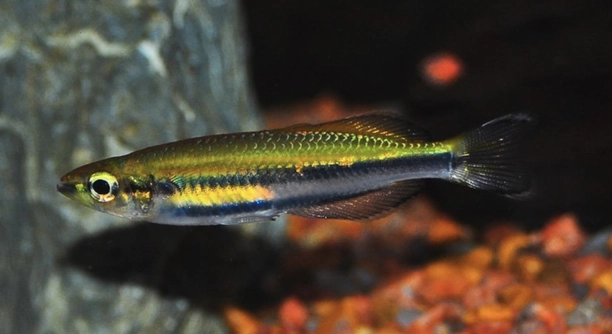
Rainbowfish are small, colorful freshwater fish often kept in home aquariums. Their bright colors and active swimming make them fun to watch. Many fishkeepers notice subtle changes in their behavior as the months go by.
Rainbowfish do exhibit behavioral changes with the seasons. These changes include variations in activity levels, social interactions, and feeding patterns. Seasonal shifts in water temperature, daylight, and food availability influence their natural rhythms and overall behavior.
Observing these patterns can help you better care for your rainbowfish. Small adjustments in their environment can make a noticeable difference in their health and happiness.
Seasonal Activity Changes in Rainbowfish
During warmer months, rainbowfish tend to become more active and playful. They swim faster, explore more, and often interact socially with other fish. Increased daylight and slightly higher water temperatures boost their energy levels. In cooler months, activity slows down. Fish may stay near the bottom of the tank or hide more frequently. Feeding patterns also change; rainbowfish eat more in summer when metabolism is higher and reduce their intake in winter. Observing these shifts helps ensure their diet and environment match their seasonal needs. Tank setup, such as plants, hiding spots, and water flow, can influence how comfortably they adapt to seasonal changes. Even small fluctuations in temperature or lighting can alter their swimming patterns and social behavior. Recognizing these differences can improve care and maintain their natural behavior year-round. It’s important to monitor your rainbowfish regularly to notice subtle changes that might affect health.
Understanding these changes allows you to adjust feeding and tank conditions appropriately. Monitoring behavior ensures long-term health.
Rainbowfish are sensitive to environmental cues. As seasons change, their internal rhythms shift, influencing how they interact with each other. In summer, males display brighter colors and more elaborate swimming patterns to attract females. Cooler months often see less aggressive behavior and reduced schooling. Seasonal care, including adjusting lighting duration, maintaining stable temperatures, and providing adequate nutrition, supports their natural cycles. Observing their behavior helps identify stress or health issues early.
Feeding Patterns Across Seasons
Rainbowfish often eat more in summer and less in winter. Their metabolism slows as water temperatures drop.
Feeding adjustments are essential for seasonal care. Overfeeding in winter can lead to poor water quality and health problems, while underfeeding in summer may limit energy and growth. Monitoring consumption and modifying portions ensures they receive proper nutrition year-round. High-protein foods can be given during active months, while lighter meals suit cooler periods. Seasonal feeding patterns reflect their natural environment. Watching how much they eat and when they seek food gives clues about their comfort and health. Consistency in water quality, temperature, and feeding schedules makes transitions between seasons smoother. Balancing diet with activity level prevents stress and supports vibrant coloration, reproduction, and overall well-being. Maintaining seasonal awareness helps create a healthy, stable aquarium environment for rainbowfish. Observing their habits carefully allows timely adjustments and a more natural lifestyle.
Social Behavior Shifts
Rainbowfish interact more during warmer months, forming loose schools and showing playful chasing behaviors. Cooler months bring quieter interactions. They often stay near plants or decorations and reduce social activity, conserving energy when water temperatures drop and daylight is shorter.
During active months, males display brighter colors and swim energetically to attract mates. They chase each other lightly, establishing minor hierarchies within the group. Females move through the school more cautiously, often staying near shelters. In colder months, these social behaviors reduce significantly. Fish spend more time alone or in smaller clusters. Observing these patterns helps adjust tank conditions, such as adding more hiding spots or maintaining temperature stability, ensuring all rainbowfish remain comfortable.
Adjusting social observation according to the season is important. Stress from overcrowding in summer or lack of stimulation in winter can affect their health. Providing appropriate space, hiding areas, and monitoring interactions prevents aggression and promotes natural behavior, helping rainbowfish thrive throughout the year.
Seasonal Reproduction Patterns
Rainbowfish reproduction peaks in warmer months when daylight is longer and water temperatures rise slightly. Breeding activity slows during colder seasons. Eggs are usually laid among plants or fine-leaved decorations, and males display more vivid colors to attract females.
Mating involves males circling females and performing short, energetic dances. Females respond by selecting safe spots for egg deposition. Temperature and light duration are key triggers for spawning. During colder months, breeding slows or stops entirely. Eggs may take longer to develop, and fry survival can be lower if conditions are not ideal. Maintaining stable water parameters and ensuring plants or spawning mops are available encourages natural reproduction cycles. Observing these seasonal behaviors helps determine when intervention or extra care is needed. Proper attention ensures healthy fry growth and reduces stress on adult fish.
Temperature Influence on Behavior
Rainbowfish become more active as water temperature rises. Swimming, feeding, and social interactions increase noticeably during warmer months, reflecting their natural habitat rhythms.
In cooler water, activity slows. Fish may linger near the tank bottom or stay hidden. Reduced movement helps conserve energy when conditions are less favorable.
Light and Daylength Effects
Longer daylight hours boost activity, color display, and mating behavior. Shorter days cause fish to swim less and become less visible. Maintaining consistent lighting schedules helps rainbowfish adapt smoothly to seasonal changes, reducing stress and supporting natural behavior patterns throughout the year.
Seasonal Stress Factors
Rapid temperature or light changes can stress rainbowfish. Stress may reduce feeding, cause hiding, or trigger aggression among tankmates. Monitoring gradual seasonal shifts helps prevent health issues.
FAQ
Do rainbowfish need different water temperatures in different seasons?
Rainbowfish thrive in slightly warmer water during summer months and can tolerate cooler temperatures in winter, but sudden changes should be avoided. Gradual adjustments help prevent stress and maintain consistent activity and feeding patterns. Maintaining a stable range prevents illness and supports natural behavior.
How can I tell if seasonal changes are affecting my rainbowfish?
Look for differences in activity, feeding, and social interactions. Increased swimming, chasing, and feeding often indicate warmer seasonal activity, while slower movement, hiding, and reduced eating suggest colder months. Observing these subtle changes allows timely adjustments in tank conditions to keep fish healthy.
Should I change the feeding schedule with the seasons?
Yes, rainbowfish metabolism slows in cooler months, so reduce feeding frequency and portion size. In warmer months, they require more food to support higher energy levels. Feeding smaller, more frequent meals in winter and slightly larger portions in summer keeps them healthy.
Do rainbowfish breed all year round?
Rainbowfish primarily breed during warmer months when daylight is longer. Mating behavior slows or stops in cooler seasons. Providing stable water conditions and suitable plants or spawning areas encourages natural reproduction during peak breeding periods while minimizing stress during off-seasons.
How does lighting affect rainbowfish behavior?
Longer daylight increases activity, social interaction, and color display. Shorter days lead to reduced swimming and hiding. Consistent lighting schedules help rainbowfish adjust naturally, reducing stress and supporting health throughout seasonal changes. Avoid sudden changes to prevent behavioral disturbances.
Can seasonal changes cause stress in rainbowfish?
Yes, sudden shifts in temperature, light, or water conditions can stress rainbowfish. Stress may result in reduced feeding, increased hiding, or aggression. Gradual changes and careful monitoring of behavior ensure minimal stress and maintain overall health.
Do rainbowfish colors change with the seasons?
Rainbowfish often display brighter colors during warmer months, especially males during mating displays. Cooler months may see less vivid coloration as activity and energy levels decrease. Proper nutrition and stable water conditions help maintain natural color cycles year-round.
How do I keep rainbowfish comfortable during winter?
Maintain stable water temperatures and reduce feeding slightly. Ensure hiding spots are available and lighting remains consistent. Avoid sudden drops in temperature, and monitor behavior for signs of stress. These steps help rainbowfish stay healthy even during slower seasonal months.
Can seasonal changes affect rainbowfish social behavior?
Yes, in warmer months, they tend to swim in loose schools and interact more. In cooler months, they may isolate, swim less, and reduce playful chasing. Providing appropriate space and monitoring tank dynamics ensures social harmony throughout seasonal shifts.
Are there signs that indicate rainbowfish are not adapting well to seasonal changes?
Signs include lethargy, loss of appetite, hiding constantly, aggression, or faded coloration. Noticing these behaviors early allows adjustments in temperature, lighting, or feeding to help them regain balance and remain healthy.
Do I need to adjust tank plants or decorations seasonally?
Providing extra hiding spots or plants during cooler months helps rainbowfish feel secure when activity decreases. In warmer months, open swimming space encourages active behavior and natural schooling. Adjusting tank setup according to seasonal needs supports comfort and natural behavior patterns.
Is it normal for rainbowfish to eat less in winter?
Yes, reduced feeding is normal in cooler months due to slower metabolism. Overfeeding can cause water quality issues and stress. Monitor portions carefully and provide small, frequent meals if needed to keep them healthy without overloading the tank.
Can seasonal changes affect fry survival?
Yes, eggs and fry are more vulnerable in cooler months. Slower development and reduced energy levels can lower survival rates. Stable water conditions, proper temperature, and consistent feeding improve fry health and increase chances of successful growth.
How can I encourage natural behavior year-round?
Maintain stable temperature, lighting, and water quality. Adjust feeding according to activity levels, provide plants or hiding spots, and monitor social interactions. Gradual seasonal adjustments allow rainbowfish to maintain natural rhythms while reducing stress and promoting overall health.
Do seasonal changes affect rainbowfish lifespan?
Indirectly, yes. Proper care during seasonal shifts ensures stable conditions, reducing stress and disease risk. Fish that adapt well to seasonal changes are more likely to maintain healthy activity, feeding, and social behaviors, contributing to a longer, healthier lifespan.
How often should I monitor rainbowfish during seasonal transitions?
Daily observation is recommended, especially during temperature or light changes. Watch swimming patterns, feeding habits, and interactions to catch early signs of stress or illness. Consistent monitoring allows timely adjustments to maintain a stable environment.
Are all rainbowfish affected the same way by seasonal changes?
Individual responses vary. Males often show more color changes and active behavior, while females may be more reserved. Some fish adapt quickly, while others need more stable conditions. Observing each fish helps tailor care to their specific needs during seasonal shifts.
Can water quality fluctuations worsen seasonal behavior changes?
Yes, poor water quality can amplify stress during seasonal transitions. Maintain regular water testing, proper filtration, and partial water changes to support healthy behavior, feeding, and overall well-being throughout the year.
Is it necessary to simulate natural seasonal changes in a home aquarium?
Partial simulation, like adjusting lighting duration and maintaining slightly warmer or cooler temperatures, helps rainbowfish express natural behavior. Extreme or sudden changes should be avoided, but gradual seasonal adjustments support health and activity levels.
What are simple steps to make seasonal care easier?
Keep water temperature stable, adjust lighting gradually, monitor feeding, provide hiding spots, and observe behavior daily. Simple routines help rainbowfish adapt naturally and maintain health during both warmer and cooler months.
Do rainbowfish sleep differently with seasons?
Yes, they tend to rest longer in cooler months and are more active during longer daylight periods. Providing a calm environment with consistent lighting supports healthy sleep patterns year-round.
Can seasonal behavior changes affect aggression in rainbowfish?
Yes, warmer months may see increased chasing and dominance displays. Cooler months often reduce aggressive interactions. Observing behavior and providing space and hiding spots ensures harmony within the tank.
Are there seasonal adjustments for water flow in the tank?
Moderate water flow supports activity in warmer months. Slower flow during cooler periods allows less energy expenditure. Balancing flow according to seasonal activity helps rainbowfish remain comfortable and healthy.
Do rainbowfish need different types of food seasonally?
High-protein foods suit warmer months with increased activity. In cooler months, lighter meals are better to match reduced metabolism. Seasonal adjustments in diet support energy needs, growth, and overall well-being.
How important is observation during seasonal changes?
Observation is crucial. Noticing subtle behavior shifts, feeding changes, or social patterns helps adjust care quickly. Daily monitoring ensures rainbowfish remain healthy, active, and stress-free throughout seasonal transitions.
Can seasonal changes trigger illness in rainbowfish?
Indirectly, yes. Stress from sudden temperature, light, or environmental changes can weaken immunity, making them more susceptible to disease. Stable conditions and careful monitoring minimize these risks.
What is the best way to track seasonal behavior changes?
Keep a simple log of feeding, activity, color display, and social interactions. Note temperature, lighting, and tank adjustments. Tracking patterns helps identify trends and make informed care decisions.
Do rainbowfish respond differently in planted versus bare tanks seasonally?
Yes, planted tanks offer shelter during cooler months and encourage exploration in warmer months. Bare tanks may increase stress during slower periods, while limiting natural hiding behavior and reducing seasonal comfort.
Are seasonal behavior changes more pronounced in certain rainbowfish species?
Some species, like Boesemani or Red Rainbowfish, show more noticeable color and activity shifts. Others may be subtler in response. Observing species-specific tendencies helps tailor care during seasonal transitions.
Is water temperature more important than lighting for seasonal behavior?
Both are important. Temperature directly affects metabolism and activity, while lighting influences color, social interactions, and reproduction. Coordinating both ensures rainbowfish remain healthy and express natural seasonal behaviors.
Can aquarium size impact seasonal behavior changes?
Yes, larger tanks allow more space for schooling, hiding, and temperature stabilization. Smaller tanks may exaggerate stress or activity fluctuations. Proper tank size helps rainbowfish adapt naturally to seasonal shifts.
Do rainbowfish show predictable patterns every year?
Generally, yes. Most follow similar seasonal rhythms in activity, feeding, and reproduction. Tracking behavior over multiple years provides insight into their natural cycles and helps optimize care.
How can I reduce stress during seasonal changes?
Gradual temperature and lighting adjustments, consistent feeding, clean water, and sufficient hiding spaces reduce stress. Observing behavior ensures timely interventions if stress signs appear, keeping rainbowfish healthy.
Are rainbowfish behavior changes more noticeable in community tanks?
Yes, interactions with other species may amplify visible changes. Activity levels, chasing, or hiding may be affected by the behavior of tankmates. Monitoring social dynamics is key during seasonal shifts.
Do seasonal changes affect rainbowfish growth rates?
Growth may slow in cooler months due to reduced metabolism and feeding. Warmer months with higher activity and food intake promote faster growth. Adjusting care to seasonal needs supports steady development.
Can seasonal changes affect rainbowfish appetite for live food?
Yes, they often prefer live or high-protein foods during warmer months. In cooler periods, appetite for live food may decrease. Adjusting diet accordingly maintains nutrition and energy balance.
How do I maintain water quality during seasonal transitions?
Regular testing, partial water changes, proper filtration, and careful monitoring of temperature and feeding prevent fluctuations. Maintaining stable water quality supports health and reduces stress during seasonal changes.
Is it normal for rainbowfish to hide more in winter?
Yes, hiding is common in cooler months when activity decreases. Providing safe spaces allows them to conserve energy and feel secure, supporting overall well-being.
Do seasonal changes affect rainbowfish lifespan significantly?
Indirectly, yes. Proper care during seasonal transitions minimizes stress and health risks, supporting a longer, healthier lifespan. Neglecting seasonal adjustments can reduce overall vitality and longevity.
Can seasonal changes influence rainbowfish schooling behavior?
Yes, warmer months encourage loose schooling and playful chasing, while cooler months may lead to smaller clusters or solitary behavior. Providing adequate space and monitoring interactions supports social balance.
How do I know if my rainbowfish are stressed from seasonal changes?
Look for reduced feeding, hiding, aggression, faded coloration, or erratic swimming. Early detection allows adjustments in tank conditions, temperature, lighting, and feeding to restore comfort.
Are seasonal changes more challenging for newly acquired rainbowfish?
Yes, new fish may take longer to adapt to temperature, lighting, and social changes. Gradual introduction and careful observation help them acclimate safely to seasonal shifts.
Do rainbowfish sleep patterns change with the seasons?
Yes, they often rest longer during cooler months and are more active during longer daylight periods. Providing calm environments and consistent lighting supports healthy sleep cycles year-round.
Can seasonal changes affect breeding success?
Yes, optimal breeding occurs in warmer months with longer daylight and stable water conditions. Cooler months may reduce mating behavior and fry survival. Supporting natural cycles improves reproductive success.
Is it necessary to adjust water flow with seasonal changes?
Moderate flow encourages activity in warmer months, while slower flow in cooler months helps conserve energy. Adjusting water flow to seasonal needs supports natural behavior and comfort.
Do rainbowfish need extra monitoring during extreme seasonal shifts?
Yes, sudden or extreme temperature, light, or environmental changes can cause stress. Frequent observation and small adjustments help maintain health and natural behavior.
Can seasonal changes affect rainbowfish interactions with other species?
Yes, changes in activity and aggression may influence relationships in community tanks. Monitoring dynamics and providing adequate space ensures harmony during seasonal transitions.
Are there simple tools to track seasonal behavior changes?
Keeping a log of feeding, activity, color, and social interactions along with temperature and lighting notes provides clear insight into seasonal patterns. This helps plan adjustments and optimize care.
Can seasonal changes cause illness in rainbowfish?
Indirectly, yes. Stress from temperature, lighting, or environmental changes may weaken immunity, increasing susceptibility to disease. Maintaining stable conditions minimizes these risks.
Do rainbowfish need different care strategies based on age during seasonal changes?
Yes, juveniles may be more sensitive to temperature and feeding adjustments, while adults tolerate shifts better. Tailoring care to age ensures health and supports growth or reproduction appropriately.
Are certain seasons better for introducing new rainbowfish?
Moderate seasons with stable water temperature and lighting reduce stress for new fish. Avoid extreme cold or heat to ensure smooth acclimation and integration with existing tankmates.
Do seasonal changes affect rainbowfish color vibrancy?
Yes, males often display brighter colors during warmer months, especially during breeding. Cooler months may reduce vibrancy as activity and energy decrease. Stable care and nutrition help maintain natural color cycles.
How can I make seasonal care manageable?
Maintain stable water, gradual temperature and lighting changes, consistent feeding, hiding spots, and daily observation. Simple routines help rainbowfish adjust naturally and stay healthy throughout the year.
Are there common mistakes during seasonal care?
Sudden temperature shifts, inconsistent lighting, overfeeding in winter, or insufficient hiding spaces can stress fish. Gradual adjustments, careful monitoring, and appropriate tank setup prevent these issues.
Do rainbowfish need seasonal supplementation in diet?
Providing high-quality food with protein and nutrients suited to activity levels supports energy and health. Adjust portions according to seasonal metabolism for optimal care.
Can seasonal behavior changes indicate tank problems?
Yes, abnormal behavior beyond typical seasonal shifts may signal water quality, temperature, or social issues. Monitoring patterns helps identify and address problems early.
How long does it take for rainbowfish to adapt to seasonal changes?
Gradual adjustments allow most rainbowfish to adapt within days to a couple of weeks. Sudden changes can cause stress and abnormal behavior. Patience and careful observation are key.
Is seasonal observation important for long-term health?
Absolutely. Recognizing patterns in activity, feeding, and social behavior helps prevent stress, supports reproduction, and maintains overall health throughout the year.
Do rainbowfish need seasonal care even in stable home aquariums?
Yes, even in controlled tanks, slight seasonal changes in temperature and light affect behavior. Gradual adjustments mimic natural rhythms, supporting comfort and natural cycles.
Can seasonal changes affect aggression among rainbowfish?
Yes, warmer months often increase chasing and dominance displays. Cooler months reduce aggression. Monitoring interactions and providing adequate space helps maintain a peaceful tank environment.
Do rainbowfish benefit from seasonal environmental enrichment?
Yes, adding or rearranging plants, hiding spots, or decorations encourages exploration and natural behavior. Seasonal adjustments keep fish engaged and comfortable.
Are rainbowfish more sensitive to seasonal changes than other freshwater fish?
Somewhat. Rainbowfish are active, social, and colorful, making them more responsive to light, temperature, and environmental changes than more sedentary species. Observing their behavior helps maintain optimal care.
Can seasonal care affect rainbowfish lifespan?
Indirectly, yes. Consistent care, proper feeding, stable temperature, and lighting reduce stress, support health, and contribute to a longer lifespan. Neglecting seasonal needs may shorten vitality and lifespan.
Do rainbowfish need seasonal water testing adjustments?
Yes, testing more frequently during transitions ensures temperature, pH, and chemical stability. Monitoring prevents stress and keeps the environment safe.
How important is observation compared to adjustments during seasonal changes?
Observation is critical. It informs necessary adjustments in temperature, lighting, feeding, and social setup, ensuring rainbowfish remain healthy and behave naturally throughout the year.
Can seasonal behavior changes be permanent?
No, behavior changes are typically temporary and linked to seasonal conditions. Maintaining proper care ensures fish return to normal activity and feeding levels when conditions stabilize.
Do rainbowfish require different tank mates in different seasons?
Not usually, but activity and aggression levels may change. Choosing compatible species and monitoring interactions ensures social balance throughout seasonal shifts.
Are seasonal behavior patterns predictable?
Generally, yes. Activity, feeding, reproduction, and color display follow seasonal trends. Tracking over time helps anticipate needs and optimize care.
Can seasonal care impact breeding success?
Yes, stable temperature, light, and feeding support natural cycles and increase the likelihood of successful spawning and fry survival.
Do rainbowfish need seasonal water heater adjustments?
Gradual adjustments may be needed to maintain optimal temperatures, especially in winter. Sudden changes should be avoided to prevent stress.
How can I tell if rainbowfish are adapting well to seasonal changes?
Signs of healthy adaptation include consistent feeding, normal activity levels, proper social behavior, and vibrant coloration. Monitoring these indicators helps ensure comfort.
Can seasonal changes affect rainbowfish immune response?
Yes, stress from abrupt changes can weaken immunity. Maintaining stable conditions and careful observation supports resistance to disease.
Do rainbowfish prefer natural seasonal cues over constant conditions?
Partial seasonal cues, like gradual changes in light and slight temperature adjustments, help maintain natural behavior and reproduction. Constant conditions may reduce natural rhythms but are generally safe if stable.
Is seasonal care different for indoor versus outdoor tanks?
Indoor tanks allow more control over temperature and light, making adjustments easier. Outdoor tanks experience natural fluctuations, requiring careful monitoring to prevent stress.
Do rainbowfish display seasonal differences in schooling distances?
Yes, warmer months encourage tighter schooling and interaction, while cooler months often see looser groups or more solitary behavior. Providing space and observing patterns supports social balance.
How can I track seasonal feeding changes effectively?
Record daily intake, note appetite, and adjust portion sizes based on activity. Logging feeding patterns alongside temperature and lighting changes provides clear insights for proper care.
Are there seasonal adjustments for tank decorations?
Yes, adding more hiding spaces during cooler months and open swimming areas during warmer months supports natural activity and security. Seasonal tweaks enhance comfort and behavior.
Do rainbowfish sleep deeper during certain seasons?
Yes, cooler months often lead to longer, more restful periods, while warmer months encourage shorter, more frequent resting intervals. Maintaining stable lighting supports healthy sleep.
Can seasonal changes affect male versus female behavior differently?
Yes, males often display more color and active mating behavior in warmer months, while females may be more reserved. Observing each sex helps tailor care appropriately.
Do rainbowfish need seasonal tank cleaning adjustments?
Yes, increased activity in warmer months may produce more waste, requiring more frequent cleaning. Cooler months may require slightly less maintenance but consistent monitoring is still important.
How does seasonal care affect rainbowfish coloration over time?
Bright colors peak during warmer months, especially in males, while cooler months may see subdued tones. Proper nutrition and stable conditions help maintain natural seasonal coloration.
Are seasonal changes in rainbowfish behavior reversible?
Yes, as conditions stabilize, fish usually return to normal activity, feeding, and social behavior. Gradual, consistent care ensures smooth transitions.
Do rainbowfish benefit from seasonal observation logs?
Absolutely. Logging behavior, feeding, water conditions, and social interactions helps identify patterns and informs care adjustments for seasonal changes.
**Can seasonal changes
Rainbowfish are sensitive to changes in their environment, and their behavior naturally shifts with the seasons. During warmer months, they are more active, swim more freely, and often display brighter colors. Feeding habits increase as their metabolism rises, and males become more noticeable with their vibrant displays, especially during mating periods. In contrast, cooler months bring slower movement, less interaction, and reduced feeding. Fish may spend more time hiding among plants or decorations, conserving energy when water temperatures drop. Observing these changes carefully is important for keeping rainbowfish healthy. Recognizing natural seasonal behavior ensures that you can make small adjustments in the tank to match their needs. Simple steps like monitoring water temperature, maintaining consistent lighting, and providing hiding spots can make a big difference. Seasonal awareness helps fish feel secure and reduces unnecessary stress that may come from abrupt changes.
Proper care during different seasons requires a combination of observation and adjustment. Feeding schedules should reflect seasonal changes, with slightly larger meals in warmer months and smaller, more frequent meals in cooler months. Water quality also plays an important role, as poor water conditions can increase stress, especially when rainbowfish are less active in winter. Social behavior is another factor to monitor. In warmer periods, rainbowfish often form loose schools, chase each other lightly, and interact more. Cooler months see less activity and sometimes temporary isolation, which is normal. Providing the right environment, such as open swimming space in summer and additional hiding areas in winter, supports their natural patterns. Even small adjustments in tank setup, lighting, or feeding can help rainbowfish maintain healthy routines. Regularly observing their behavior helps you notice when something seems off, allowing timely intervention before health problems arise.
Keeping rainbowfish through seasonal changes is largely about creating stability while respecting their natural cycles. Gradual adjustments in water temperature, lighting, and feeding help them adapt without stress. Paying attention to activity levels, social interactions, and color changes gives valuable insight into their well-being. Supporting their natural rhythms not only enhances their health but also allows you to enjoy observing them at their most vibrant and active. Seasonal changes are part of their life, and with careful attention, rainbowfish can thrive year-round in a home aquarium. Maintaining consistency, while allowing for natural variation, ensures that fish remain comfortable, active, and healthy through each season. By understanding and responding to their behavioral shifts, you can create a balanced and nurturing environment where rainbowfish continue to flourish.

Hello,
If you enjoy the content that we create, please consider saying a "Thank You!" by leaving a tip.
Every little bit helps us continue crafting quality advice that supports the health, happiness, and well-being of pets around the world, for pets of all shapes, sizes, and species.
We really appreciate the kindness and support that you show us!