
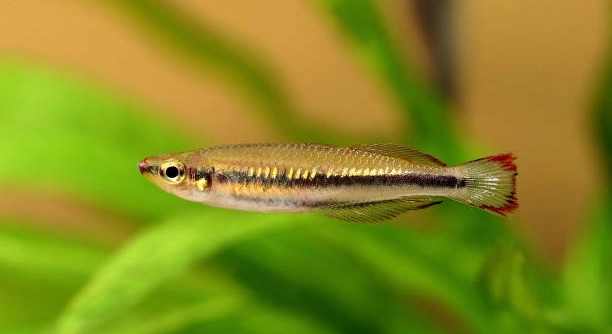
Rainbowfish are small, colorful fish that often brighten home aquariums. Many owners notice their fish react when fingers tap on the glass, creating a surprisingly interactive experience in a calm and simple way.
Rainbowfish respond to finger taps due to a combination of sensory perception and instinctual behavior. Their lateral line system detects vibrations in water, prompting them to move or display alertness as a natural response to perceived disturbances.
Observing these gentle reactions can reveal interesting aspects of rainbowfish behavior and help improve the interaction between owners and their aquatic pets.
How Rainbowfish Sense Vibrations
Rainbowfish are very sensitive to movements around them. Their bodies have a special organ called the lateral line, which runs along the sides and detects tiny changes in water. When you tap the glass, it sends vibrations through the water that the fish can feel immediately. They interpret these vibrations as signals, often moving closer or darting away depending on how strong the pulse is. This instinct is not just for reacting to humans; it also helps them detect other fish, insects, or potential threats. Over time, rainbowfish can even learn that gentle taps are harmless and may approach the glass out of curiosity. Watching this behavior can be quite rewarding, especially when you notice them adjusting to your presence. Small adjustments in your movements or how you interact with the tank can influence their comfort and willingness to engage. The more you observe, the better you understand their natural responses.
Their lateral line system allows them to detect even the smallest water movements, making them responsive to taps and gestures.
Understanding how vibrations travel in water can improve how you interact with rainbowfish. By tapping gently and observing reactions, you create a calmer, safer environment, reducing stress while encouraging natural behavior. This knowledge helps maintain their health and supports consistent observation of their social interactions within the tank.
Behavioral Patterns of Rainbowfish
Tapping glass often triggers quick, darting movements or short pauses. Rainbowfish are naturally cautious and rely on these signals to stay aware of changes in their surroundings.
Rainbowfish behavior is shaped by instincts, environment, and experience. When vibrations occur, they respond immediately to assess risk, which is why even slight finger taps can cause noticeable reactions. They are prey species in nature, so sudden movements signal potential threats. Over time, repeated harmless taps allow them to adjust, sometimes even approaching the source out of curiosity. The size of the tank, presence of plants, and water clarity also influence how they respond. In tanks with multiple fish, you may notice synchronized movements, as one fish’s reaction can prompt others to follow. Understanding these patterns helps you interact safely and respectfully, fostering a stable environment. Small changes in how you approach the tank or tap the glass can reduce stress and encourage more natural, relaxed behaviors, making your observation both enjoyable and informative.
Tips for Gentle Interaction
Tapping lightly on the glass helps rainbowfish become familiar with your presence without causing stress. Quick or hard taps can startle them and trigger defensive swimming or hiding behaviors.
Consistent, soft tapping allows rainbowfish to learn that no real danger exists. Over time, they may come closer to observe your movements, showing subtle signs of recognition. Observing their reactions during these interactions can help you understand individual personalities within the tank. Some fish are bolder, approaching quickly, while others remain cautious. Adjusting the strength and frequency of taps ensures a calm environment. Gentle interaction also encourages them to remain active and explore different areas of the tank, keeping them engaged.
Maintaining a quiet environment around the tank complements gentle tapping. Sudden noises, vibrations from nearby appliances, or heavy footsteps can interfere with their comfort level. Minimizing external disturbances ensures that their responses to taps are natural and predictable. This approach helps build a routine where rainbowfish feel secure, supporting their overall health and allowing you to enjoy their subtle, graceful movements without adding stress.
Understanding Stress Signals
Rapid swimming, hiding behind decorations, or clamping fins are common signs of stress in rainbowfish. Recognizing these behaviors is essential for responsible care.
Stress in rainbowfish often arises from sudden changes or repeated strong vibrations. They are sensitive to water quality, temperature, and tank conditions, in addition to external movements. Persistent stress can weaken immune systems, making them more prone to disease. By paying attention to these early signals, you can make adjustments such as slowing interactions, rearranging decorations, or improving water quality. Each fish may respond differently, so observing individual patterns is crucial. A calm approach helps maintain a safe environment where they feel secure while still allowing gentle interaction.
Creating a stable routine around feeding, lighting, and interaction can significantly reduce stress. Ensuring consistent water conditions, minimal sudden disturbances, and appropriate social grouping allows rainbowfish to exhibit natural behaviors. Soft tapping combined with a predictable environment encourages exploration without fear. Recognizing early warning signs helps prevent long-term stress, promoting healthy growth and coloration. Monitoring both individual and group responses improves overall tank harmony. Over time, this careful approach leads to a balanced, interactive aquarium where rainbowfish respond positively without undue anxiety or defensive behavior.
Feeding and Finger Taps
Tapping lightly before feeding can signal to rainbowfish that food is coming. They often associate gentle vibrations with mealtime and may swim toward the glass in anticipation.
Over time, this routine can make feeding more interactive. Fish may become more comfortable approaching the front of the tank, showing subtle excitement while still remaining relaxed and healthy.
Tank Environment Matters
The layout of plants, rocks, and decorations influences how rainbowfish respond to taps. Open spaces allow easier movement, while cluttered areas may make them more cautious or prone to hiding. Properly arranged tanks support natural swimming patterns and reduce stress during interactions.
Water Conditions and Sensitivity
Rainbowfish are highly sensitive to water quality, including temperature, pH, and cleanliness. Poor conditions can increase stress and reduce responsiveness to gentle taps. Maintaining stable, clean water ensures their health, encouraging calm and natural reactions.
Consistency Is Key
Regular routines in feeding, light, and interaction help rainbowfish adapt to gentle tapping. Predictability in their environment fosters trust and reduces stress.
FAQ
Why do rainbowfish react differently to taps in the same tank?
Individual personality and past experiences influence how rainbowfish respond to taps. Some are naturally curious and approach quickly, while others are cautious and hide. The placement of decorations, plants, and other fish can also affect reactions, as fish feel safer in certain areas of the tank.
Can tapping stress rainbowfish if done incorrectly?
Yes, tapping too hard or frequently can startle them, causing rapid swimming, hiding, or clamped fins. Persistent stress weakens their immune system, affects appetite, and can lead to illness. Always use gentle, infrequent taps to minimize stress while still encouraging interaction.
How does the lateral line system work?
Rainbowfish detect water movements using the lateral line, a sensory organ along their sides. Vibrations from taps travel through the water, alerting the fish to changes in their environment. This system helps them react to threats, locate food, and communicate with other fish.
Is it safe to tap the glass during feeding?
Yes, light taps can signal feeding time and help rainbowfish associate vibrations with food. Over time, they may swim to the front of the tank when they sense the taps. Avoid loud or repeated tapping to prevent stress.
Do all rainbowfish species respond the same way?
Different species have slightly different temperaments and sensitivity levels. Some may be bolder, while others are more reserved. Observing your specific fish helps tailor interactions and ensures they remain calm and comfortable.
Can environmental changes affect their response?
Yes, sudden changes in water temperature, pH, or lighting can make rainbowfish more sensitive to taps. Keeping a stable environment helps them remain relaxed and encourages natural reactions. Small adjustments to the tank should be gradual.
Should I tap at the same time every day?
Consistency can help rainbowfish recognize patterns and reduce stress. Gentle taps around feeding time or during calm periods are effective. Avoid random, unpredictable tapping that could startle or confuse them.
How do I know if my tapping is too much?
Signs include darting, hiding behind decorations, clamped fins, or refusal to approach the front of the tank. If you notice these behaviors, reduce the frequency and intensity of taps. Observing their reactions closely is key to safe interaction.
Can tapping improve my relationship with my fish?
Yes, gentle tapping can build familiarity. Over time, rainbowfish may recognize your presence and swim toward the glass. This interaction helps you understand their behavior better and supports a calm, interactive tank environment.
Is there a benefit to watching their reaction carefully?
Observing responses allows you to adjust how you interact. Noticing subtle cues, like fin movement or changes in swimming patterns, helps you maintain a stress-free environment and ensures their long-term health. Consistent, gentle observation strengthens your understanding of each fish’s personality.
Can other vibrations in the room affect rainbowfish?
Yes, nearby appliances, heavy footsteps, or loud sounds can create vibrations that the fish detect. These may interfere with reactions to finger taps or increase stress. Minimizing external vibrations supports a calmer tank and more predictable behavior.
Are there long-term effects of repeated gentle tapping?
When done correctly, gentle tapping has minimal negative effects. It can even encourage active swimming and natural curiosity. The key is moderation, consistency, and monitoring stress signs to ensure the interaction remains positive.
How can I tell if my rainbowfish are comfortable with taps?
Comfortable fish will approach the glass calmly, swim steadily, and show no signs of distress. They may linger near the area where you tap, observing movements without darting or hiding. Each fish develops its own comfort level over time.
Can tapping replace other forms of interaction?
Tapping is just one form of interaction. Feeding, maintaining water quality, and providing enrichment through plants or decorations are equally important. Tapping enhances awareness and engagement but should be part of a well-rounded care routine.
How often is it safe to tap the glass?
Moderate, brief sessions once or twice a day are safe for most rainbowfish. Avoid prolonged or vigorous tapping. Observing their responses helps determine the ideal frequency for your specific tank and fish personalities.
Rainbowfish are fascinating little fish that respond to their environment in ways that are easy to observe if you pay attention. Their reactions to finger taps are not random but are guided by instinct and their sensitivity to vibrations in the water. The lateral line system along their sides allows them to detect even minor changes, which is why they often react to the gentle taps of fingers on the glass. Understanding this system helps explain why some fish dart quickly while others move slowly or simply hover near the tap. Every individual fish can show slightly different behavior, influenced by personality, tank layout, and previous experiences. Observing these reactions provides insight into their comfort levels, helping you adjust your interactions to create a calmer and more engaging environment for them. By recognizing their patterns, you can support healthy behaviors while reducing stress, ensuring the fish remain active and curious.
Consistent routines play an important role in how rainbowfish respond to interactions. Gentle tapping combined with predictable feeding times or calm tank conditions encourages them to approach the front of the aquarium without fear. Fish thrive when their environment is stable, and sudden movements, loud noises, or harsh taps can cause unnecessary stress. Over time, subtle gestures, such as a light tap before feeding, can become associated with positive experiences. Some fish may even begin to anticipate these moments, showing a form of recognition. The placement of plants, rocks, and decorations also influences their behavior, offering safe spaces for hiding while providing open areas for exploration. Maintaining clean, stable water conditions and keeping temperature and pH consistent ensures that rainbowfish are healthy and more willing to interact with their surroundings. By combining gentle, predictable interactions with proper tank management, you create a balanced environment where rainbowfish feel secure and engaged.
It is also important to observe your fish carefully for signs of stress or discomfort. Rapid swimming, clamped fins, hiding, or refusal to approach are indications that they may be overwhelmed or startled. Adjusting your interactions, reducing tapping intensity, or improving tank conditions can help them feel safer. Over time, watching how they respond helps you understand individual personalities and preferences, creating a more enjoyable and rewarding experience. Rainbowfish are responsive creatures that can show curiosity and subtle engagement when approached thoughtfully. Their reactions to finger taps are just one part of their behavior, but they reveal a lot about how they perceive their environment. By combining gentle interaction, consistent routines, and careful observation, you can support the well-being of your rainbowfish, making their aquarium a peaceful and lively space for both the fish and yourself.

Hello,
If you enjoy the content that we create, please consider saying a "Thank You!" by leaving a tip.
Every little bit helps us continue crafting quality advice that supports the health, happiness, and well-being of pets around the world, for pets of all shapes, sizes, and species.
We really appreciate the kindness and support that you show us!