
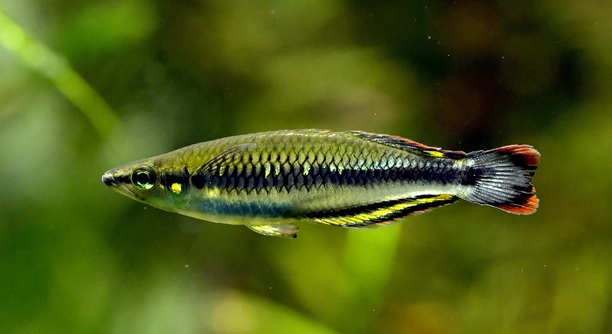
Keeping a single rainbowfish in an aquarium can be rewarding, but it also requires attention and care. Their vibrant colors and active nature make them delightful companions for any home aquarium environment. Observing their behavior can be enjoyable.
Ensuring a single rainbowfish remains happy involves providing adequate space, clean water, proper diet, environmental enrichment, compatible tank mates, stable water parameters, and regular monitoring. These factors collectively support physical health, mental stimulation, and overall well-being in captivity.
Maintaining the right conditions will make your rainbowfish more active, colorful, and responsive, encouraging a healthier and more fulfilling life in your care.
Provide Adequate Tank Space
Rainbowfish need enough room to swim freely and feel comfortable. A small tank can stress them and reduce their activity. For a single rainbowfish, a minimum of 20 gallons is recommended. Bigger tanks allow more natural movement, better swimming patterns, and more stable water conditions. Proper tank size supports growth, health, and vibrant coloration. Decorations, plants, and hiding spots make the environment more interesting, but open swimming space should be the priority. Avoid overcrowding or placing large objects that block movement. A spacious tank also helps maintain cleaner water, as waste is better dispersed. Regularly check the tank’s layout to ensure it remains suitable. Observing your fish move naturally can indicate their comfort and health. Consistent water parameters, combined with enough space, reduce stress and improve overall well-being. Adjust the environment gradually if needed, as sudden changes can be upsetting.
Providing ample swimming space allows your rainbowfish to remain active, healthy, and display its colors fully.
Spacious tanks contribute to mental stimulation, allowing natural swimming patterns and reducing stress from confinement.
Maintain Clean Water
Clean water is essential for a rainbowfish’s health and happiness. Regular water changes help remove toxins like ammonia, nitrites, and nitrates, which can build up quickly in a small tank. Using a reliable filtration system ensures water circulation, oxygenation, and removal of debris. Test water parameters weekly, including pH, hardness, and temperature, to ensure stability. Sudden changes in water chemistry can stress the fish, so adjustments should be slow and gradual. Keeping the tank free from uneaten food and waste prevents harmful bacteria and algae growth. A healthy water environment reduces disease risks and supports vibrant colors. Observing the fish for signs of stress, like hiding or loss of appetite, can indicate when water quality needs attention. Maintaining consistent water quality is one of the simplest yet most effective ways to keep a rainbowfish happy over time, creating a safe and comfortable home.
Regular water maintenance protects health, encourages activity, and enhances the fish’s natural colors and energy.
Offer a Balanced Diet
A rainbowfish needs a varied diet to stay healthy. Include high-quality flakes, frozen or live foods, and occasional vegetable matter. This variety provides essential nutrients, supporting growth, color, and energy levels. Feeding small amounts multiple times a day prevents overfeeding and maintains water quality.
Providing protein-rich foods like brine shrimp or daphnia ensures strong muscle development and vibrant colors. Supplementing with vegetable matter, such as spinach or spirulina, supports digestion and overall health. Rotate food types regularly to prevent nutrient deficiencies and keep the fish interested in feeding. Avoid over-reliance on one food type, as this can lead to imbalances and affect longevity.
Pay attention to the fish’s eating habits. Healthy rainbowfish are active and readily consume offered foods. If a fish refuses food or appears lethargic, it may signal a problem with water quality, tank conditions, or diet. Observing and adjusting feeding practices promotes consistent health and a more content fish in the long term.
Provide Environmental Enrichment
Adding plants, rocks, and hiding spots encourages natural behavior. Rainbowfish enjoy swimming around decorations and exploring, which reduces boredom and stress. A well-arranged tank makes them more active and engaged.
Floating plants, driftwood, and small caves create a dynamic environment that encourages exploration. Movement in the water and visual barriers help rainbowfish feel secure and stimulate natural instincts. Changing some decorations periodically can renew interest without disturbing the overall habitat. Ensure that decorations do not crowd swimming space or create sharp edges that could injure the fish. A balanced mix of open areas and shelters is ideal.
Enrichment supports mental stimulation, reducing inactivity and stress-related behaviors. Rainbowfish display brighter colors, swim more confidently, and interact with their surroundings when the tank includes thoughtful environmental features. By monitoring their behavior, adjustments can be made to maintain optimal engagement and comfort over time.
Keep Water Temperature Stable
Rainbowfish thrive in stable temperatures between 74°F and 80°F. Sudden fluctuations can stress them and weaken their immune system. Use a reliable heater and thermometer to monitor conditions consistently. Avoid placing the tank near windows or vents where temperature swings are common.
Stable temperatures help maintain normal metabolism and activity levels. Stress from rapid changes can lead to illness, loss of color, or reduced appetite. Monitoring daily ensures the fish remain comfortable and healthy. Consistency is more important than achieving exact numbers, as long as the range stays suitable for the species.
Monitor Water Parameters Regularly
Test pH, ammonia, nitrite, and nitrate levels weekly to keep conditions safe. Adjust treatments slowly to avoid shocking the fish. Maintaining balanced water chemistry prevents stress and promotes long-term health.
Offer Compatible Tank Mates
Choose peaceful species that won’t bully or outcompete your rainbowfish. Aggressive fish can cause stress, reduce feeding, and lead to injury. Observing interactions regularly ensures harmony in the tank and allows for timely adjustments if conflicts arise.
Observe Behavior Daily
Watch your rainbowfish for signs of stress, illness, or changes in activity. Early detection allows prompt action. A fish that swims actively, eats well, and shows vibrant colors indicates a healthy, content environment.
FAQ
How often should I feed my rainbowfish?
Feed your rainbowfish small portions two to three times a day. Overfeeding can pollute the water and lead to health problems. Rotate food types between flakes, frozen, and live options to provide balanced nutrition. Observing their eating habits ensures they receive enough without excess waste.
Can a single rainbowfish live alone?
Yes, a single rainbowfish can live alone if its tank is large enough and enriched with decorations, plants, and hiding spots. However, rainbowfish are naturally social, so providing visual stimulation or mirrors can help reduce boredom and stress.
What water parameters are ideal for rainbowfish?
Maintain a pH between 6.5 and 7.5, temperature around 74°F to 80°F, and low levels of ammonia, nitrites, and nitrates. Regular testing helps prevent sudden changes, which can cause stress and illness. Stable, clean water is crucial for vibrant colors and healthy behavior.
How do I introduce tank mates safely?
Choose peaceful species that are similar in size and temperament. Introduce them gradually and observe interactions closely. Avoid aggressive or territorial fish. Rearranging decorations slightly before adding new fish can reduce territorial disputes and create a more harmonious environment.
What signs show my rainbowfish is stressed?
Stress can appear as hiding, reduced appetite, clamped fins, or pale coloration. Excessive darting or rubbing against objects may also indicate poor water quality or illness. Observing daily helps catch issues early and allows for quick adjustments to improve comfort.
How often should I clean the tank?
Perform partial water changes of 20-25% weekly. Remove uneaten food and debris during maintenance to prevent harmful buildup. Clean filters as needed without disturbing beneficial bacteria. Regular cleaning supports health and prevents disease while keeping the water clear.
Can rainbowfish live in a planted tank?
Yes, they thrive in a planted tank. Live plants provide hiding spots, improve water quality, and encourage natural behavior. Ensure there is still enough open swimming space, and choose plants that can tolerate the same temperature and lighting as your rainbowfish.
What should I do if my rainbowfish becomes sick?
Isolate sick fish to prevent spreading disease. Test water parameters immediately, as poor water quality often contributes to illness. Treat with appropriate medications and adjust diet to support recovery. Observing behavior closely can help identify problems before they worsen.
How long do rainbowfish typically live?
With proper care, rainbowfish can live five to eight years in captivity. Lifespan depends on diet, tank conditions, water quality, and overall stress levels. Maintaining a stable environment and consistent care maximizes longevity and overall well-being.
Do rainbowfish need a specific tank shape or size?
A long, wide tank is preferable to provide ample swimming space. For a single rainbowfish, at least 20 gallons is recommended. More space allows natural movement, reduces stress, and helps maintain cleaner water by dispersing waste more evenly.
Is it necessary to use a heater in the tank?
Yes, a heater helps maintain a stable temperature between 74°F and 80°F. Temperature fluctuations can stress rainbowfish and make them more prone to disease. Combine with a reliable thermometer to monitor conditions accurately.
Can I keep a rainbowfish in soft or hard water?
Rainbowfish are adaptable but prefer moderately hard water. Extreme softness or hardness can affect health and coloration. Testing water and adjusting gradually ensures optimal conditions without shocking the fish.
How do I encourage vibrant colors?
Provide a balanced diet with protein-rich foods and occasional vegetable matter. Maintain clean, stable water and offer a well-lit, enriched tank. Reduced stress from compatible tank mates and adequate space also enhances coloration.
Should I use a mirror if keeping a single rainbowfish?
A mirror can offer visual stimulation for a solitary fish, but use it sparingly. Prolonged exposure may cause stress or aggression. Brief, monitored sessions encourage activity without negative effects.
Can rainbowfish jump out of the tank?
Yes, they are active swimmers and may jump, especially if startled or overcrowded. Use a secure lid to prevent escapes and provide enough open swimming space to reduce the risk.
Is it necessary to quarantine new fish?
Always quarantine new fish for at least two weeks. This prevents introducing diseases or parasites to your established tank. Monitor health and behavior closely before adding them to the main aquarium.
How do I prevent algae growth?
Avoid overfeeding, perform regular water changes, and balance lighting. Live plants compete with algae for nutrients, reducing its spread. If needed, remove algae manually or introduce algae-eating species compatible with your rainbowfish.
What should I do during power outages?
Minimize stress by keeping the tank covered to retain heat. Avoid major water changes during this time. Use battery-operated aerators if necessary to maintain oxygen levels until power is restored.
How can I tell if my rainbowfish is happy?
Active swimming, bright coloration, regular feeding, and exploring the tank indicate a happy fish. Observing consistent, confident behavior shows that your care and tank environment are meeting its needs effectively.
Can rainbowfish tolerate community tanks?
Yes, they do well with peaceful species. Avoid aggressive or fin-nipping fish, as this can stress rainbowfish and reduce health. Proper monitoring ensures compatibility and a calm, active environment.
What lighting is best for rainbowfish?
Moderate lighting for 8-10 hours a day helps maintain natural behavior and highlights colors. Avoid overly bright or constant light, which can stress the fish and promote algae growth. Use a timer for consistency.
How often should I change the filter media?
Change filter media according to manufacturer instructions, usually every 4-6 weeks, without removing all beneficial bacteria. Rinse in tank water instead of tap water to preserve microorganisms critical for water quality.
Is it okay to keep only one species of rainbowfish?
Yes, a single species can thrive if tank conditions are optimal. Social interaction may be limited, so consider environmental enrichment or visual stimulation to reduce boredom and maintain activity.
Do rainbowfish need supplemental vitamins?
If the diet is varied and high-quality, supplemental vitamins are usually unnecessary. Occasionally providing vitamin-enriched foods can support health, especially during stress or recovery from illness.
Can I use tap water for my rainbowfish?
Tap water is fine if treated to remove chlorine, chloramine, and heavy metals. Testing for pH and hardness ensures the water is suitable. Proper preparation prevents stress and maintains long-term health.
What temperature fluctuations are harmful?
Sudden changes of more than 2-3°F can stress rainbowfish, weaken immunity, and trigger illness. Gradual adjustments during seasonal changes or maintenance are safe and less disruptive.
How do I reduce stress in a single rainbowfish?
Provide hiding spots, stable water conditions, appropriate tank mates, and consistent feeding routines. Avoid sudden changes in water parameters or tank layout, and observe behavior regularly to address stress early.
Can rainbowfish tolerate slightly salty water?
Rainbowfish can handle very mild brackish conditions temporarily, but long-term exposure is not ideal. Freshwater conditions are best for health, coloration, and long-term survival.
What common illnesses should I watch for?
Watch for fin rot, ich, fungal infections, and swim bladder issues. Poor water quality, overcrowding, or stress often trigger these problems. Early detection and treatment improve recovery and prevent spreading.
How important is regular observation?
Daily observation helps detect early signs of illness, stress, or environmental problems. Quick action ensures the fish remain healthy and maintains a stable, comfortable environment for long-term well-being.
Can rainbowfish live with goldfish or cichlids?
Goldfish and most cichlids are not ideal tank mates due to size, temperature preferences, or aggression. Peaceful, similarly sized fish are safer options for maintaining harmony.
How do I reduce ammonia spikes?
Feed sparingly, remove uneaten food, maintain filtration, and perform regular water changes. Testing regularly allows early intervention and prevents toxic buildup, protecting rainbowfish health.
Are there signs of loneliness in a single rainbowfish?
Signs include reduced activity, hiding, or lack of interest in food. Providing enrichment, visual stimulation, or occasional mirrors can help, though a single fish may never fully replace the stimulation of a small group.
How can I safely introduce plants?
Rinse plants thoroughly to remove pests and chemicals. Plant carefully to avoid disturbing substrate excessively. Choose species compatible with water parameters and lighting to create a safe, enriching environment.
Should I adjust feeding during winter or cooler months?
If the water temperature drops slightly, rainbowfish metabolism slows. Feed smaller portions less frequently to match energy requirements and avoid overfeeding, which can affect water quality.
Can rainbowfish tolerate low light conditions?
They prefer moderate light but can survive in lower light. Insufficient lighting may reduce activity and dull coloration. A balance of natural or artificial light for 8-10 hours supports health and vibrant appearance.
Is it necessary to aerate the tank?
Aeration improves oxygen levels and circulation, especially in larger or heavily stocked tanks. While not strictly required for all setups, it supports active, healthy rainbowfish and prevents stagnant areas.
Can rainbowfish coexist with shrimp or snails?
Yes, most peaceful shrimp and snails are compatible. They help clean the tank and rarely bother rainbowfish. Ensure species selection avoids predation or competition for food.
How do I acclimate a new rainbowfish?
Float the bag in the tank for 15-20 minutes to equalize temperature. Gradually mix tank water with the bag water over 30-60 minutes before release. This reduces shock and improves survival chances.
Do rainbowfish need a specific type of substrate?
A fine gravel or sand substrate works well. It supports plants and is gentle on fins. Avoid sharp or large stones that could injure the fish while swimming or foraging.
How can I maintain long-term health?
Provide consistent water quality, varied diet, enrichment, stable temperature, and compatible tank mates. Monitor behavior regularly and address issues promptly. Long-term care combines environmental stability with proper nutrition and observation.
What is the ideal tank lighting schedule?
Maintain 8-10 hours of light daily with consistent timing. A timer helps ensure stability. Proper lighting supports natural behavior, coloration, and plant growth without causing stress or excessive algae.
Can rainbowfish breed in a single tank?
Breeding may be difficult for a single fish, as social interaction triggers mating behavior. A group increases success, but a single rainbowfish can still display courtship behaviors if introduced to compatible conditions.
Are there differences in care between rainbowfish species?
Yes, some species require slightly different water parameters, temperatures, or diets. Research the specific type to tailor care appropriately, ensuring optimal health and longevity for that species.
Is it necessary to remove uneaten food immediately?
Yes, leftover food decomposes and affects water quality. Removing uneaten portions promptly prevents ammonia spikes, algae growth, and maintains a cleaner, healthier tank environment.
Can I use chemical water treatments regularly?
Use treatments sparingly and only when necessary. Overuse can disrupt beneficial bacteria and affect water chemistry. Follow manufacturer instructions and monitor water parameters to prevent negative effects.
How do I prevent fin damage?
Avoid sharp decorations, aggressive tank mates, and sudden changes. Maintain water quality, as poor conditions can weaken fins. Healthy fins indicate good water, diet, and overall care.
Are rainbowfish suitable for beginners?
Yes, they are hardy with proper care, stable water, and a varied diet. They adapt well to home aquariums and provide rewarding observation opportunities with their colors and activity.
Do rainbowfish need supplemental lighting at night?
No, they require a natural day-night cycle. Darkness allows rest and reduces stress. Artificial night lighting is unnecessary and may disturb normal behavior.
How can I encourage natural behavior?
Provide plants, decorations, hiding spots, open swimming space, and compatible tank mates. Gradual changes and environmental enrichment promote exploration, activity, and natural instincts.
Is tank size more important than decoration?
Yes, swimming space is critical. Decorations should enhance the environment without restricting movement. A well-balanced tank supports health, reduces stress, and encourages active behavior.
What is the best way to transport a rainbowfish?
Use a clean, temperature-stable container with minimal water. Keep secure during transport and avoid sudden movements. Acclimate slowly to the new tank to reduce stress and ensure survival.
Can rainbowfish tolerate slightly acidic water?
They tolerate mild acidity within 6.5-7.0 pH. Sudden shifts or extremes can cause stress. Regular testing and gradual adjustments maintain a safe environment.
Do rainbowfish need a specific diet for breeding?
High-protein foods like live brine shrimp, daphnia, and quality flakes improve reproductive readiness. Providing varied nutrition supports egg production and fry health.
Are rainbowfish sensitive to noise or vibration?
Excessive vibrations or loud noises can stress rainbowfish. Keep tanks in quiet, stable areas to encourage natural behavior and reduce anxiety.
How can I prevent overgrowth of plants?
Trim regularly and remove decaying leaves. Balance light and nutrients to maintain healthy plant growth without overwhelming swimming space or reducing oxygen levels.
Should I adjust feeding if water temperature changes?
Yes, lower temperatures reduce metabolism. Feed smaller portions less often. Overfeeding in cooler water can pollute the tank and harm fish health.
Can rainbowfish live with bettas?
Bettas can be aggressive and fin-nipping. Compatibility depends on temperament and tank size. Closely monitor behavior and separate if aggression occurs.
How do I prevent disease spread?
Quarantine new fish, maintain water quality, avoid overcrowding, and remove sick individuals promptly. Regular observation and hygiene minimize risks and keep the tank healthy.
Is it necessary to measure water hardness?
Yes, moderate hardness supports proper physiological function and coloration. Testing ensures adjustments can be made if water becomes too soft or hard, protecting health.
Do rainbowfish need special care in winter?
Maintain stable temperature and consistent feeding. Ensure heaters function properly, and avoid sudden drops. Stress from environmental changes can impact immune response.
Can rainbowfish live in a tank with fluctuating pH?
No, sudden pH changes cause stress, illness, and color loss. Gradual adjustments and regular testing maintain stable, safe conditions for long-term health.
How can I make a single rainbowfish feel less lonely?
Add plants, hiding spots, mirrors for brief stimulation, and visual enrichment. Although they prefer groups, a thoughtfully arranged tank reduces boredom and encourages natural behavior.
What are common mistakes in rainbowfish care?
Overcrowding, poor water quality, inconsistent feeding, and incompatible tank mates are major mistakes. Observing behavior and maintaining stable conditions prevents stress and illness.
Can rainbowfish tolerate tap water with chlorine?
No, chlorine and chloramine are harmful. Always treat tap water before use to remove chemicals and protect health.
How often should I check water parameters?
Weekly testing is recommended for pH, ammonia, nitrite, and nitrate. Frequent checks catch issues early and prevent stress or disease.
Do rainbowfish need a cover on the tank?
Yes, they can jump, especially when startled. A secure lid prevents escape and accidents.
Can I use artificial plants instead of live ones?
Yes, artificial plants provide hiding spots but do not improve water quality. Choose smooth, non-sharp decorations to avoid fin damage.
How do I reduce aggression in a community tank?
Provide adequate space, hiding spots, and compatible species. Monitor behavior and separate aggressive fish to maintain a calm environment.
What is the best way to acclimate new fish to water parameters?
Float the transport bag in the tank to equalize temperature, then gradually mix small amounts of tank water over 30-60 minutes. This reduces stress and prevents shock.
Can rainbowfish adapt to different lighting conditions?
They adapt to moderate changes but thrive under consistent 8-10 hour lighting cycles. Sudden bright light can stress them and affect behavior.
Is overfeeding a major issue?
Yes, overfeeding pollutes water, promotes algae growth, and can harm fish health. Small, frequent meals are safer and support stable water conditions.
How important is tank location?
Place the tank in a quiet area away from direct sunlight, drafts, or heavy vibration. Stability reduces stress and promotes healthy behavior.
Do rainbowfish need water additives?
Only use additives when necessary, such as dechlorinators or mineral supplements. Excessive use can harm water chemistry and stress the fish.
Can rainbowfish tolerate slightly cooler water?
Mild drops are tolerated temporarily, but prolonged exposure below 74°F reduces activity, appetite, and overall health. Gradual adjustments are safer if needed.
How do I prevent disease from spreading in the tank?
Quarantine new fish, maintain water quality, remove sick fish promptly, and avoid overcrowding. Consistent observation and care are essential for a healthy environment.
Is it safe to use a net frequently?
Minimize net use to reduce stress. Only handle fish when necessary, such as during transfers or medical treatment. Gentle techniques and proper equipment prevent injury.
What are the best foods for color enhancement?
Live or frozen foods like brine shrimp, daphnia, and high-quality flake foods with carotenoids improve color. Variety and nutrition together support natural vibrancy.
Do rainbowfish require specialized filtration?
A reliable filter suited for tank size is sufficient. Ensure proper water flow, oxygenation, and debris removal without creating strong currents that stress the fish.
Can rainbowfish tolerate temporary water changes?
Yes, gradual partial changes are safe. Sudden large changes can stress the fish and disrupt beneficial bacteria. Perform changes carefully and consistently.
How important is observation for long-term care?
Daily observation allows early detection of stress, illness, or environmental issues. Prompt action maintains health and prevents long-term problems.
Are rainbowfish sensitive to medications?
Yes, always follow dosage instructions and monitor fish closely. Some medications may affect water chemistry or harm sensitive species in community tanks.
Can rainbowfish live with aggressive species?
No, aggressive species cause stress, reduce feeding, and can injure rainbowfish. Peaceful, similarly sized fish are preferable for harmonious tank conditions.
What is the best approach to maintain stable water chemistry?
Regular testing, partial water changes, proper filtration, and avoiding overfeeding keep parameters stable. Gradual adjustments prevent stress and support overall fish health.
How do I prevent hiding behavior?
Provide open swimming space, appropriate lighting, enrichment, and compatible tank mates. Excessive hiding often signals stress, poor water quality, or inadequate environmental conditions.
Can rainbowfish tolerate slightly brackish water long-term?
Long-term brackish conditions are not recommended. Freshwater with stable parameters is ideal for health, coloration, and
Keeping a single rainbowfish can be a rewarding experience when you provide the right care. They are active, colorful fish that respond well to a stable, clean environment and a balanced diet. Observing their behavior can be very satisfying, as healthy rainbowfish swim confidently, explore the tank, and display their bright colors. One of the most important aspects of caring for them is maintaining consistent water conditions. This includes monitoring pH, ammonia, nitrites, nitrates, and temperature. Sudden changes can stress the fish, reduce their appetite, and affect their overall health. Regular testing and gradual adjustments help ensure the tank remains safe and comfortable. Clean water is equally important, as leftover food and waste can quickly pollute the tank. A reliable filtration system combined with weekly partial water changes keeps the water clear and oxygenated, supporting both health and vibrant coloration.
Providing a balanced diet is another critical factor. Rainbowfish need a mix of high-quality flakes, frozen foods, and live foods to thrive. Protein-rich foods support muscle growth and activity, while occasional vegetable matter aids digestion and overall health. Feeding small portions multiple times a day prevents overfeeding, which can negatively impact water quality. Environmental enrichment also plays a significant role in keeping a single rainbowfish happy. Decorations, plants, hiding spots, and open swimming areas reduce stress and encourage natural behaviors. Even in a solitary setup, providing visual stimulation or briefly using mirrors can help maintain activity levels. Observing the fish as it interacts with its environment allows you to see whether adjustments are needed to improve comfort or reduce stress. These steps collectively promote both mental and physical well-being.
Finally, monitoring behavior daily is key to long-term success. Signs of stress, illness, or discomfort include hiding excessively, reduced appetite, clamped fins, or pale coloration. Acting quickly when these signs appear can prevent minor issues from becoming serious problems. Compatibility with tank mates, if any, must be considered carefully to avoid conflict or aggression. Even for a single fish, providing a safe, engaging environment ensures it remains active and healthy. Maintaining stable conditions, offering a proper diet, and giving attention to behavior helps your rainbowfish thrive. With consistent care, a single rainbowfish can live a long, fulfilling life while showing its natural beauty and energy, making the effort worthwhile for anyone committed to providing the right environment.

Hello,
If you enjoy the content that we create, please consider saying a "Thank You!" by leaving a tip.
Every little bit helps us continue crafting quality advice that supports the health, happiness, and well-being of pets around the world, for pets of all shapes, sizes, and species.
We really appreciate the kindness and support that you show us!