
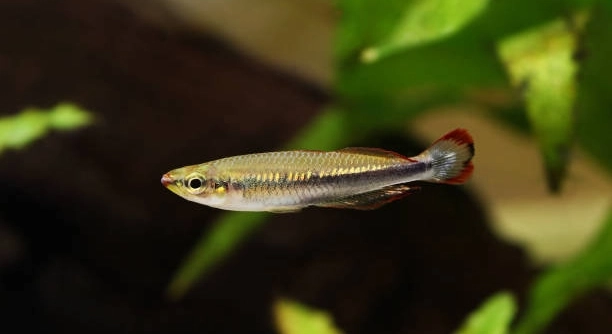
Rainbowfish are small, colorful freshwater fish that brighten up any aquarium. Their active swimming and social behavior make them popular among hobbyists, yet their habitat preferences can influence both their health and overall happiness.
Rainbowfish generally prefer environments that offer a balance of open swimming space and ample coverage. Open areas allow for natural swimming behavior and exercise, while plants and hiding spots reduce stress and provide a sense of security, supporting their well-being.
Knowing how to create this balance in your tank can enhance your rainbowfish’s comfort and activity, ensuring they thrive in a healthy, harmonious environment.
Understanding Rainbowfish Behavior
Rainbowfish are naturally active and social creatures. They enjoy swimming in schools and exploring their environment. In the wild, they spend time in open water but also rely on plants and rocks for hiding when threatened. This combination of space and cover helps them feel secure while allowing movement. In aquariums, replicating this environment is important. Providing both open areas and dense vegetation can reduce stress and encourage natural behaviors. Without adequate coverage, rainbowfish may become skittish or hide excessively. Conversely, a tank that is overly crowded with plants can restrict swimming space, leading to frustration and reduced activity. Observing their interactions can reveal their comfort level. Signs of stress include hiding, sluggish swimming, or aggressive chasing. By arranging the tank thoughtfully, owners can support both physical health and social dynamics. Lighting and water flow also play a role, as rainbowfish prefer moderate currents and areas where they can see each other clearly while feeling sheltered.
Open spaces combined with cover create a balanced habitat for rainbowfish.
Providing a mix of plants, rocks, and open water encourages natural swimming patterns while giving fish secure hiding spots.
Tank Setup Tips for Rainbowfish
Start with a moderate tank size to give rainbowfish enough room.
Plants like Java fern or Vallisneria work well because they offer shelter without overcrowding the tank. Adding smooth rocks or driftwood creates additional hiding spots. Open swimming areas should remain free from obstacles, allowing fish to move freely and interact. Decorations should be placed strategically so that there is a clear line of sight throughout the tank, which helps rainbowfish feel safe. Lighting should be bright enough to show their colors but not so intense that they hide constantly. A gentle filter maintains water quality while providing slight current, mimicking natural conditions. Regular observation ensures that each fish is comfortable. Adjusting plant density or rearranging decorations can prevent territorial disputes. Temperature and pH should be monitored, as rainbowfish thrive in stable conditions. With a well-balanced setup, rainbowfish can display their full range of colors and behaviors, making the aquarium lively and harmonious.
Open Space Benefits
Open areas in the tank allow rainbowfish to swim freely and interact naturally. They can form schools, chase each other lightly, and display their vibrant colors. Lack of space may cause stress, reduced activity, and aggression.
Providing open swimming space improves fish health and behavior. Fish can exercise, maintain muscle tone, and reduce boredom. Observing them in motion shows their natural patterns and interactions. Schools move together smoothly, and males display colors during social displays. Open areas also help reduce territorial disputes, as fish are less likely to feel cramped. Strategic tank design balances free space with hiding spots to meet all needs.
Open spaces make monitoring the fish easier and allow better water circulation. Fish enjoy gliding through clear zones while still accessing plants for security.
Coverage and Hiding Spots
Dense plant clusters and rocks give rainbowfish secure areas to rest and hide when stressed. Hiding spots reduce anxiety and support natural instincts.
Plants, driftwood, and rock formations create microhabitats for rainbowfish. These areas allow shy or subordinate fish to escape aggressive peers or sudden disturbances. Coverage also encourages exploration, as fish move between open and sheltered zones. Some fish may prefer staying near dense areas, while others use them intermittently. Proper coverage reduces stress-related behaviors like constant hiding or erratic swimming. Maintaining clear swimming lanes alongside secure spots ensures all fish benefit from the habitat. Rotating decorations occasionally keeps the environment stimulating. Overall, balance between coverage and open space is key to a healthy aquarium.
Balancing Open Space and Coverage
Too much open space can leave rainbowfish feeling exposed, while too much coverage can restrict movement. Finding a balance ensures they can swim freely and hide when needed, supporting both physical health and emotional comfort.
Adjusting plant density and decoration placement helps create a dynamic environment. Fish can choose where to swim or rest, reducing stress and encouraging natural behaviors. Strategic arrangement allows for social interaction while maintaining personal space, which improves overall activity and reduces aggression.
Observing Rainbowfish Preferences
Rainbowfish show their comfort level through movement and positioning in the tank. Active swimming in open areas indicates confidence, while frequent hiding shows a need for more cover.
Adjusting Your Tank
Changes to plants or decorations should be gradual. Sudden rearrangements can stress rainbowfish and disrupt established territories.
FAQ
How much open space do rainbowfish need?
Rainbowfish need enough open space to swim in schools and exercise naturally. A minimum of 20 gallons for a small group is recommended, with open lanes free of decorations. Open space allows them to display natural behavior, reduces stress, and prevents territorial aggression among males.
Do rainbowfish prefer tall plants or low plants?
They benefit from a mix of both. Tall plants provide hiding spots and shade, while low plants create resting areas and visual breaks. Using varied plant heights mimics their natural habitat, offering security and a sense of depth. This encourages exploration and reduces stress-related hiding.
Can rainbowfish thrive with only rocks and no plants?
Rocks alone provide some cover, but plants are essential for complete comfort. Plants improve water quality, give hiding spots, and simulate a natural environment. Without them, rainbowfish may feel exposed and stressed, even if rocks are present.
Should I rearrange decorations often?
Minor adjustments are fine, but frequent or drastic changes can stress fish. Gradual rearrangements help rainbowfish adapt without disrupting their territories. Observing how they respond to changes helps determine if more or less coverage is needed.
How do I know if my rainbowfish feel safe?
Signs of comfort include active swimming in open areas, vibrant colors, and occasional schooling. Excessive hiding, skittish movements, or staying near tank edges indicate a need for more coverage or environmental adjustment.
Can rainbowfish tolerate tanks with minimal coverage?
Minimal coverage is possible but not ideal. While some rainbowfish may adapt, lack of hiding spaces increases stress and risk of aggression. Balanced tanks with both open swimming lanes and sheltered areas support long-term health and social interactions.
Is it better to have plants along the edges or throughout the tank?
Edges are ideal for creating natural borders and hiding spots. However, scattered plants throughout the tank offer exploration opportunities. Strategic placement ensures open lanes remain available for swimming while providing security zones in multiple areas.
How many hiding spots are enough for a small school?
For a group of six rainbowfish, three to five well-distributed hiding spots work well. This allows subordinate or shy fish to retreat, preventing stress and aggressive encounters while maintaining social interactions.
Do rainbowfish enjoy floating plants?
Floating plants provide shade and a sense of shelter without limiting swimming space. They diffuse light, making the tank more comfortable, and create visual barriers that reduce stress from sudden movements or reflections outside the tank.
How important is lighting for their behavior?
Moderate lighting highlights their colors and promotes natural activity. Too bright lighting may cause hiding, while very dim light can reduce activity and dull coloration. Pairing lighting with proper plant coverage ensures rainbowfish feel secure while staying active.
Should I provide open space differently for males and females?
Both sexes benefit from open lanes, but males often display brighter colors and chase each other. Ensuring multiple open areas reduces conflicts, while coverage lets females escape unwanted attention and maintain balance within the group.
Can rearranging plants help with aggression?
Yes. Adding or moving plants and hiding spots can break visual lines between aggressive fish, giving them personal space. This reduces bullying and allows weaker fish to retreat without completely isolating themselves from the school.
Do rainbowfish need open space if the tank is heavily planted?
Even in dense tanks, open lanes are necessary. Rainbowfish need room to swim actively and display schooling behavior. Without open areas, they may feel confined, resulting in stress, hiding, or aggression. Balanced tank design is essential for physical and mental well-being.
How often should I check if coverage is sufficient?
Regular observation is key. Watch swimming patterns, color vibrancy, and hiding behavior weekly. Adjust plants, rocks, or decorations if fish spend too much time hiding or show signs of stress, ensuring the habitat continues to meet their needs.
Can artificial plants provide adequate coverage?
Yes, as long as they are soft, free of sharp edges, and arranged to mimic natural hiding spots. Artificial plants don’t offer water quality benefits, but they can still provide security and comfort for rainbowfish when real plants are limited.
Is substrate important for coverage?
Substrate contributes to the tank’s visual depth and allows for plant rooting. Gravel or sand helps anchor plants securely, creating stable hiding spots and natural pathways. A well-planted substrate enhances both coverage and aesthetic appeal while supporting rainbowfish behavior.
What’s the best combination of open space and coverage?
A successful setup includes at least 50% open swimming lanes and 50% coverage from plants, rocks, or decorations. This balance provides freedom for movement while ensuring security, supporting active schooling, reducing stress, and encouraging healthy social interactions.
How can I encourage shy rainbowfish to explore open areas?
Gradually reduce cover near open lanes while keeping some nearby hiding spots. Introducing gentle water flow and maintaining consistent lighting helps shy fish gain confidence. Over time, they will use open spaces for swimming and social interactions without feeling threatened.
Do rainbowfish hide at night even with adequate coverage?
Yes, hiding at night is natural. They feel safer resting among plants or rocks when lights are off. Providing secure spots near open swimming lanes ensures they can rest without disrupting the tank’s layout or other fish’s movement.
Are decorations alone enough for coverage?
Decorations like rocks or caves help, but combining them with live or artificial plants creates a more natural and comfortable environment. Fish feel more secure and are encouraged to explore, displaying normal behaviors across both open and sheltered areas.
Can too many hiding spots be a problem?
Excessive hiding areas can reduce swimming space, leading to frustration and reduced activity. Balance is essential; open lanes must remain available for exercise and social behaviors while hiding spots provide security. Regular observation ensures both needs are met.
How do I maintain coverage without overcrowding the tank?
Use vertical and horizontal space efficiently, place plants along edges, and keep open lanes clear. Rotate or trim plants to prevent overcrowding, and distribute hiding spots evenly to ensure all fish have access without restricting movement.
Do rainbowfish prefer dense or sparse coverage?
They prefer moderate coverage. Dense areas are useful for hiding, but sparse zones allow swimming and social interaction. A mix of both creates a dynamic environment where fish can choose based on comfort, activity level, and social hierarchy.
How can I tell if coverage is inadequate?
Signs include constant hiding, skittish swimming, or aggression among fish. If subordinate fish rarely leave plants or display stress behaviors, adding more coverage or adjusting placement improves their comfort and overall tank harmony.
Can open space reduce bullying?
Yes. Open lanes give subordinate or shy fish room to escape dominant individuals. By providing multiple swimming areas, conflicts are minimized, and the school can maintain healthy social interactions without excessive stress.
How often should I adjust plants and decorations?
Adjustments should be occasional and gradual. Weekly observation helps identify needs, but major changes should be spaced out to avoid stressing fish. Gradual tweaks improve balance between open space and coverage while supporting natural behavior.
Do rainbowfish need coverage if they are in a very large tank?
Even in large tanks, some coverage is essential. Hiding spots reduce stress, offer resting areas, and support natural instincts. Open areas alone do not meet all behavioral needs, so balance remains critical regardless of tank size.
How do I combine coverage and open space for breeding?
Provide open lanes for males to display and chase, and secure spots for females to retreat. Plants and rocks near the substrate encourage egg-laying while open water ensures active courtship and healthy movement during breeding.
Can excessive coverage hide water quality issues?
Yes. Dense plants and decorations can conceal debris or poor water flow. Regular cleaning and monitoring ensure water quality remains high while maintaining sufficient coverage for rainbowfish comfort.
Do rainbowfish interact differently in tanks with varying coverage?
Yes. Tanks with balanced coverage promote schooling, exploration, and playful chasing. Sparse or overly dense tanks can cause stress, hiding, or territorial aggression, affecting social dynamics and overall health.
Can rearranging the tank help shy fish socialize?
Yes. New pathways, open lanes, and strategically placed plants encourage shy fish to leave hiding spots and interact with the group. Gradual adjustments prevent stress and foster natural social behaviors over time.
Is it better to have more coverage for juveniles than adults?
Juveniles benefit from extra hiding spots because they are more vulnerable to aggression. Adults need balanced coverage to support swimming and schooling. Gradually reducing coverage as fish grow encourages exploration while maintaining security.
How does coverage affect color display?
Comfortable fish display brighter, more vibrant colors. Adequate hiding spots reduce stress, allowing rainbowfish to show natural coloration. Overexposed or stressed fish may become pale, while secure environments enhance visual appeal.
Can coverage help with acclimation to a new tank?
Yes. Providing hiding spots during introduction reduces stress, allowing fish to adapt to water conditions and territory. Gradually revealing open swimming areas helps them explore safely and build confidence in the new environment.
Do rainbowfish prefer coverage near the surface or bottom?
Both levels are important. Surface coverage offers shade and security, while bottom coverage supports resting, foraging, and hiding. Distributing plants and decorations vertically ensures fish can choose based on activity and comfort.
How do I balance coverage and open space for mixed species tanks?
Ensure each species has sufficient hiding spots and swimming lanes. Use tall plants and mid-level decorations to create vertical separation. Open areas prevent crowding, while coverage reduces stress and aggression across species.
Can coverage help reduce bullying in small groups?
Yes. Even in small schools, hiding spots allow weaker fish to escape dominant individuals. Proper distribution of plants and decorations prevents territorial disputes while supporting normal social interactions.
How often should I trim plants for coverage balance?
Trim as needed to prevent overcrowding, maintain swimming lanes, and ensure light reaches lower areas. Regular pruning keeps coverage effective without compromising open space, promoting a healthy, balanced tank environment.
Does coverage affect feeding behavior?
Yes. Secure hiding spots reduce stress, making fish more willing to feed. Open areas allow for schooling during feeding, while plants and decorations provide refuge for slower or shy individuals to access food safely.
Can coverage prevent injuries?
Yes. Hiding spots reduce collisions and chasing injuries, especially in active or territorial fish. Rounded decorations and soft plants provide safety zones, minimizing risk of physical harm.
How do seasonal lighting changes affect coverage needs?
Brighter lighting increases the need for shaded areas, while dimmer light reduces hiding demand. Adjust plant density or add floating plants to match lighting, ensuring comfort and security throughout seasonal changes.
What is the ideal plant-to-open-space ratio?
A roughly equal mix of open swimming lanes and coverage is ideal. About 50% open water and 50% plants, rocks, or decorations provide freedom, security, and stimulation, meeting physical and behavioral needs for rainbowfish.
Do rainbowfish need coverage if they are kept in a school of twelve or more?
Yes. Larger schools increase competition and minor aggression. Coverage ensures weaker individuals have escape zones while open lanes allow schooling and active movement, supporting harmony and reducing stress in the group.
Can excessive open space cause stress?
Yes. Feeling exposed may make fish hide excessively or swim erratically. Adequate coverage balances freedom and security, allowing rainbowfish to remain confident and relaxed while exploring the tank.
How do I combine artificial and live plants for coverage?
Use live plants for water quality and natural hiding spots, supplemented with artificial plants to maintain consistent shelter. This combination ensures security without restricting swimming space or adding maintenance burdens.
Do rainbowfish prefer uniform coverage or scattered patches?
Scattered patches work best. They provide multiple options for hiding and exploration, while open lanes remain clear for swimming. Uniform dense coverage may restrict movement and reduce activity, causing stress or boredom.
How can coverage influence social hierarchy?
Hiding spots allow subordinate fish to avoid conflict, reducing stress and maintaining peaceful group dynamics. Open lanes support dominant males in displays while preventing constant harassment of weaker individuals.
Do rainbowfish use coverage differently during day and night?
Yes. During the day, they explore open lanes and use hiding spots occasionally. At night, they prefer sheltered areas for resting, feeling safer among plants, rocks, or other secure decorations.
How can I tell if coverage is overused?
Fish rarely leaving open lanes, low activity, or excessive clustering indicate too much coverage. Adjusting plant density and creating more swimming space encourages balanced movement and interaction.
Can coverage reduce jumping or escape attempts?
Yes. Feeling secure in hiding spots reduces panic, making rainbowfish less likely to jump out. Proper tank lids combined with coverage improve safety while maintaining natural behavior.
Do rainbowfish need more coverage in community tanks?
Yes. Additional hiding spots help prevent stress from interactions with other species. Balanced placement ensures both security and freedom, reducing territorial disputes and promoting harmonious behavior.
How does coverage affect breeding success?
Coverage provides safe areas for females to lay eggs and for fry to hide. Males can display openly in lanes, supporting healthy courtship. Balanced coverage increases breeding success by reducing stress and protecting vulnerable fish.
Can coverage influence lifespan?
Yes. Reduced stress and safer environments lead to healthier fish. Adequate coverage minimizes aggressive interactions, promotes exercise, and supports overall well-being, contributing to longer, healthier lives.
Do rainbowfish use coverage differently in planted versus bare tanks?
In planted tanks, they hide naturally among vegetation. In bare tanks with artificial structures, they use rocks or decorations similarly. Proper distribution of hiding spots ensures comfort regardless of tank type.
How can I create temporary coverage for acclimation?
Floating plants, temporary decorations, or a divider with plants provide shelter. Once fish adjust, gradually remove or rearrange items to allow exploration of open spaces while maintaining security zones.
Can coverage help rainbowfish recover from illness?
Yes. Secure hiding spots reduce stress during recovery. Fish can rest safely while maintaining access to food, improving healing and preventing further complications.
Is it better to place coverage near the filter or away from it?
Coverage should avoid strong currents but remain accessible. Placing plants or rocks near mild flow areas ensures fish can rest comfortably while water circulates for oxygenation and cleanliness.
Do rainbowfish interact with coverage during feeding?
Yes. Shy fish may feed near or within hiding spots, while confident individuals feed in open areas. This allows all fish to access food safely and supports social balance.
How can coverage help with temperature fluctuations?
Sheltered areas provide cooler zones when lights or heaters increase temperature. Fish can choose more comfortable spots, reducing stress and maintaining stable activity levels.
Do rainbowfish prefer hiding spots in groups or individually?
Both. Some fish cluster together for security, while others prefer solitary hiding spots. Offering multiple options ensures all fish feel safe and can choose based on personality and social status.
Can coverage reduce aggression during feeding?
Yes. Multiple hiding areas allow less dominant fish to access food without being chased. Open lanes let dominant fish feed freely while maintaining group harmony.
How do I maintain coverage while cleaning the tank?
Clean decorations and plants gently without removing all coverage at once. Partial cleaning preserves hiding spots, preventing stress while maintaining water quality. Rotate cleaning to keep the environment consistent.
Does coverage impact swimming patterns?
Yes. Balanced coverage encourages natural schooling, foraging, and exploration. Excessive or insufficient hiding spots alter movement, causing stress, erratic swimming, or reduced activity.
Are there ideal spots for coverage near the tank bottom or mid-level?
Bottom coverage supports resting and foraging, while mid-level plants provide hiding during exploration. Distributing coverage vertically ensures fish have choice and comfort across activity zones.
Can coverage affect compatibility with other species?
Yes. Hiding spots reduce stress from more aggressive species, allowing peaceful coexistence. Open lanes prevent crowding, while strategic coverage supports healthy interactions and reduces conflicts.
Do rainbowfish use coverage during storms or loud noises?
Yes. Sudden disturbances trigger hiding instincts. Plants, rocks, and other secure areas allow fish to feel safe and reduce stress responses during environmental changes.
How often should I monitor coverage effectiveness?
Observe weekly for signs of stress, hiding, or inactivity. Adjust plant density, decoration placement, or open lanes as needed to maintain balance and comfort.
Does coverage influence color vibrancy over time?
Yes. Comfortable fish display brighter, more consistent colors. Stress from insufficient or excessive coverage can cause fading, while balanced shelter and open space enhance natural coloration.
Can coverage be combined with floating plants for better security?
Yes. Floating plants provide shade and visual barriers without limiting swimming lanes. This combination offers multiple safe zones and encourages exploration while reducing stress.
Do rainbowfish prefer coverage near the tank walls or center?
Both. Edges provide safe zones, while mid-tank patches offer exploration opportunities. Balanced placement ensures security without restricting swimming or social interaction.
How does coverage affect schooling behavior?
Coverage allows shy fish to join schools confidently. Open lanes let the group swim cohesively, while plants or decorations provide retreat points, supporting natural schooling patterns without stress.
Is coverage more important for juvenile or adult rainbowfish?
Juveniles need more coverage for protection, while adults require a balance with open space. Adjust coverage as fish grow to maintain comfort, security, and natural behavior.
Can coverage help rainbowfish feel safe during water changes?
Yes. Hiding spots reduce stress during partial water changes. Fish can retreat temporarily while maintaining access to open lanes for movement, ensuring minimal disruption to routine behavior.
Do rainbowfish use coverage differently in high-traffic rooms?
Yes. They seek hiding spots more frequently if exposed to movement or noise outside the tank. Providing adequate cover helps maintain calm behavior despite external disturbances.
Can coverage reduce fin damage?
Yes. Rounded or soft decorations and plants prevent injuries during chasing or swimming. Adequate hiding spots reduce aggressive encounters, protecting fins and overall health.
How do I choose between artificial and live coverage plants?
Live plants support water quality and natural hiding, while artificial plants provide consistent shelter with low maintenance. Combining both ensures security, variety, and flexibility in tank design.
Does coverage affect interaction with tank mates?
Yes. Balanced hiding spots reduce aggression and allow shy fish to interact safely. Open lanes enable schooling and social displays without forcing confrontation. Proper coverage supports peaceful coexistence.
Can coverage reduce stress from new additions to the tank?
Yes. Hiding spots let established fish feel secure while newcomers acclimate. Gradual exposure and accessible shelter minimize conflict and encourage smooth integration into the school.
How often should coverage be rearranged for mental stimulation?
Occasional, minor adjustments provide enrichment without causing stress. Moving plants slightly or rotating decorations encourages exploration while maintaining familiarity and security.
Can coverage help rainbowfish during temperature spikes or drops?
Yes. Sheltered areas allow fish to find more stable microenvironments, reducing stress and maintaining activity levels during fluctuations. Proper placement ensures safety without limiting movement.
**Do rainbowfish prefer coverage near the
Final Thoughts
Creating a comfortable environment for rainbowfish requires a balance between open space and coverage. Open areas are essential for swimming, schooling, and expressing natural behaviors. Rainbowfish need room to glide, chase lightly, and interact with each other. Without enough open space, fish may become stressed, hide excessively, or show aggressive behavior. A well-thought-out tank provides free lanes for movement while still offering security zones where fish can retreat if they feel threatened. Careful planning of tank layout ensures both activity and safety, allowing rainbowfish to thrive physically and emotionally. Observing their behavior regularly helps determine if adjustments are needed.
Coverage is equally important for rainbowfish. Plants, rocks, driftwood, and other decorations provide hiding spots and shaded areas, reducing stress and creating a sense of security. Shy or subordinate fish can retreat to these areas to avoid conflict, while dominant fish still have space to display natural behaviors. Both artificial and live plants can serve this purpose, though live plants offer additional benefits like improving water quality. Vertical and horizontal distribution of coverage allows fish to choose where they feel safest. Balanced coverage encourages exploration, supports natural instincts, and enhances social interactions within the school. Rotating or trimming plants occasionally keeps the tank stimulating without overwhelming the fish.
Finding the right balance between open space and coverage is essential for long-term health and happiness. Fish that feel secure and have enough room to move freely tend to display brighter colors, higher activity levels, and healthier social behavior. Monitoring swimming patterns, hiding habits, and interactions helps maintain this balance. Gradual adjustments to decorations, plant density, or layout can address any issues without causing stress. A thoughtful tank setup supports physical exercise, emotional comfort, and social stability for rainbowfish. With consistent care and observation, it is possible to create a harmonious environment that meets both their need for freedom and their instinct for security, allowing them to thrive and display their full potential in a home aquarium.

Hello,
If you enjoy the content that we create, please consider saying a "Thank You!" by leaving a tip.
Every little bit helps us continue crafting quality advice that supports the health, happiness, and well-being of pets around the world, for pets of all shapes, sizes, and species.
We really appreciate the kindness and support that you show us!