
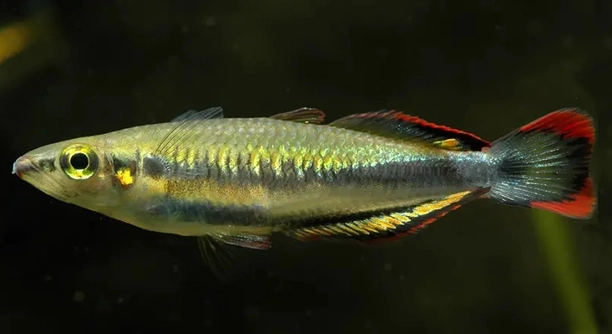
Are your rainbowfish tanks lacking important elements that support their vivid colors and active routines in a stable aquatic environment, creating conditions that may affect comfort and overall health as they move through their daily.
A well prepared rainbowfish tank requires specific essentials that maintain water stability, encourage natural behavior, and support long term health. Proper filtration, lighting, plants, and space work together to create an environment that ensures consistent wellness and balanced overall activity.
These essentials create a foundation that keeps rainbowfish thriving, offering a starting point for building a stable and healthy tank.
Essential Filtration and Water Quality
Healthy rainbowfish depend on clean, stable water, so proper filtration becomes one of the most important parts of maintaining their tank. A reliable filter removes debris, supports beneficial bacteria, and keeps the water moving at a steady pace. When the water stays consistent, rainbowfish show brighter colors and remain more active throughout the day. Regular checks help you notice small shifts before they grow into larger issues. I like to take a few minutes each week to observe how everything looks, because small details often tell you a lot about the health of the setup. Using a gentle sponge attachment on the filter can prevent strong currents that may disturb smaller fish. This simple addition keeps them comfortable without sacrificing overall performance. Clean water will always make a noticeable difference, and investing time into this area gives your rainbowfish a stronger foundation. This focus supports lasting stability in your aquarium.
Consistent maintenance keeps the water clear and ensures the system continues working as intended. Simple weekly tasks like rinsing filter media and checking water parameters help prevent sudden shifts that may stress rainbowfish and disrupt their natural routines. These steps create stability that keeps their activity steady across each day.
Balancing filtration with mindful upkeep gives your rainbowfish a reliable habitat that supports their long term comfort. I find that gentle adjustments and routine observation prevent many common problems before they grow into something larger. When the system remains stable, the fish behave more confidently and explore their space with ease. Small changes in water flow or clarity can signal when something needs attention, so paying close attention helps you respond quickly. Over time these habits create an environment that feels consistent and safe, allowing your rainbowfish to display their natural colors without unnecessary stress, keeping everything calm and predictable.
Lighting and Plant Structure
Quality lighting and structured planting support natural movement and coloration in rainbowfish by creating a calm setting. Soft plants reduce tension, while appropriate lighting encourages activity without overwhelming them. These simple elements shape a balanced layout that keeps the tank steady and comfortable, offering dependable support for their daily routines.
Proper lighting helps maintain the natural rhythm of rainbowfish by providing gentle brightness that reflects their preferred environment. I like using adjustable fixtures because it allows me to control intensity and avoid sudden changes that may cause stress. A consistent lighting schedule encourages predictable activity, which supports stable behavior throughout the day. Pairing lighting with thoughtful planting strengthens the overall layout. Plants offer shelter, reduce tension, and break up strong currents, allowing the fish to navigate freely without feeling pressured. Dense foliage along the sides and back of the tank creates soft boundaries that help rainbowfish feel secure while still leaving plenty of open water for active swimming. As these elements come together, the tank develops a balanced structure that remains steady through daily routines and seasonal shifts. Steady lighting paired with layered vegetation builds a dependable structure that supports calm movement and long term comfort. Adding open swimming areas between planted sections allows rainbowfish to shift between cover and open water easily, giving them varied spaces that strengthen overall stability.
Temperature Stability and Heating
Stable temperature supports the health of rainbowfish by preventing stress that comes from sudden changes. I rely on a dependable heater that keeps the water within a safe range, helping the fish remain active and comfortable throughout the day without dealing with unnecessary fluctuations that may disrupt their routines.
Maintaining steady warmth becomes easier when the heater is paired with a reliable thermometer. I check the temperature daily, since even small shifts can influence behavior or appetite. A guard on the heater prevents accidental contact, especially for active swimmers. I also avoid placing the heater near strong currents, since this may create uneven warmth across the tank. When the heat spreads evenly, rainbowfish settle into a balanced rhythm that supports their overall well being. Careful monitoring keeps the system predictable and reduces the chance of unexpected issues affecting their health.
A stable temperature also strengthens their immune system and encourages consistent feeding habits. I find that rainbowfish show brighter colors and smoother movement when the water remains within their ideal range. Adjusting room conditions, like keeping the tank away from drafts or direct sunlight, helps prevent sudden shifts. Using a secondary thermometer offers reassurance that the primary one is reading correctly. Small details like these support peaceful swimming patterns and reduce the stress that may build when the environment becomes unpredictable.
Space and Swimming Room
Ample swimming space allows rainbowfish to display their natural movement without feeling crowded. They thrive in open water, so I choose longer tanks that offer horizontal room. This layout reduces tension and encourages fluid activity, keeping their behavior steady and comfortable through the day.
A spacious design supports their social nature and reduces the chance of territorial tension, since they have room to move in coordinated groups without bumping into tight corners. I arrange decorations along the sides rather than the center, leaving a clear path for active swimming. Larger tanks also help maintain stable water conditions, since increased volume reduces the impact of small changes. Allowing the fish to swim freely strengthens their overall comfort and creates a natural flow within the aquarium. Adequate room keeps activity smooth and predictable, supporting long term stability while giving rainbowfish the freedom they need to remain confident and expressive in their environment.
Balanced Diet and Feeding Routine
A balanced diet supports steady energy and bright coloration in rainbowfish by giving them nutrients they rely on each day. I use quality flakes, small pellets, and occasional frozen foods, rotating them to keep feeding consistent and prevent the fish from becoming overly dependent on one type.
Keeping portions controlled protects water quality and reduces leftover waste. I feed small amounts they can finish quickly, since this keeps the tank cleaner and prevents stress from overeating. Watching their response helps me adjust feeding times and maintain a routine that keeps them active and comfortable.
Gentle Water Movement
Gentle water movement helps rainbowfish stay comfortable by creating steady flow without overwhelming them. I adjust the filter output to avoid strong currents that may force the fish to struggle while swimming. Balanced flow also helps maintain oxygen levels, supporting normal behavior and smooth activity throughout the tank. Placing decorations or plants near the output can soften stronger areas, creating a natural spread of movement. This keeps the water circulating evenly while giving the fish calm spaces to rest when needed. Careful flow adjustment supports consistent comfort and prevents stress that may build from constant strong movement.
Safe Tank Mates
Peaceful tank mates reduce tension and keep rainbowfish comfortable by preventing unwanted chasing or territorial behavior. I choose calm species that match their activity level, ensuring everyone moves naturally without conflict. A balanced community helps maintain steady routines and keeps the environment predictable and relaxed.
FAQ
How often should I change the water in a rainbowfish tank?
I change about 20 to 25 percent of the water every week. Regular partial water changes remove waste, maintain stable water chemistry, and prevent the buildup of harmful substances. Full water changes are usually unnecessary and can stress the fish. Maintaining a schedule helps rainbowfish stay healthy and reduces fluctuations that might affect their activity or color. I keep a siphon handy and monitor water parameters before and after each change. Doing smaller, consistent changes is far more effective than occasional large ones.
What types of food are best for rainbowfish?
Rainbowfish thrive on a mix of high-quality flakes, small pellets, and occasional frozen or live foods. I rotate offerings to provide balanced nutrition and prevent them from becoming picky. Flakes give them essential vitamins, pellets provide protein, and frozen foods like brine shrimp or daphnia add variety. Feeding in small portions ensures they consume all the food without leaving excess that could affect water quality. I often observe how they respond to different foods and adjust quantities or types to match their energy levels and color vibrancy.
Can rainbowfish live with other fish?
Yes, they do best with peaceful tank mates that share similar water requirements. I avoid aggressive or highly territorial species because rainbowfish are active but not confrontational. Suitable companions include small tetras, peaceful barbs, and Corydoras catfish. Providing enough space and hiding spots ensures all species can coexist without stress. I also make sure the tank is large enough to prevent crowding, which helps maintain a calm environment. Mixing compatible species encourages natural schooling behavior while keeping interactions gentle and predictable.
What temperature range is ideal for rainbowfish?
I maintain water between 74°F and 78°F (23°C to 26°C). This range keeps them active and supports healthy metabolism. Sudden drops or spikes can stress them, reduce appetite, and even affect immune function. Using a reliable heater and thermometer helps maintain consistency. Placing the tank away from drafts, windows, or air conditioning vents minimizes temperature fluctuations. I check readings daily to ensure the water stays within the safe range, making adjustments as needed. Stable warmth supports steady activity, vibrant colors, and overall comfort in the tank.
How important is lighting for rainbowfish?
Lighting helps regulate their activity and enhances coloration. I use moderate lighting for about 8 to 10 hours per day, mimicking a natural day-night cycle. Too much light may stress them, while too little can dull colors and slow activity. Adjusting the light intensity gradually prevents sudden changes. I pair lighting with live plants to create shaded areas and resting spaces. Observing how rainbowfish respond allows me to fine-tune the schedule, keeping their environment consistent. Proper lighting supports both their behavior and overall visual appeal in the tank.
What kind of plants are best for rainbowfish tanks?
I prefer hardy plants like Java fern, Anubias, and Amazon sword. These provide cover and break up open space without obstructing swimming areas. Floating plants help diffuse light and reduce stress, giving rainbowfish calm zones to retreat. I anchor plants securely to avoid them being uprooted by active swimming. Live plants also help maintain water quality by absorbing nutrients and supporting oxygen levels. Incorporating a mix of tall and low plants creates a natural feel, supporting their comfort while keeping swimming space open and accessible.
How can I prevent diseases in rainbowfish?
Maintaining clean water, balanced nutrition, and a stable environment are key. I quarantine new fish for at least two weeks before introducing them, reducing the chance of introducing pathogens. Observing behavior daily helps spot early signs of illness, such as lethargy, discoloration, or abnormal swimming. I also avoid overfeeding and overcrowding, since these increase stress and disease risk. Keeping equipment sanitized and monitoring water parameters regularly ensures the tank remains safe. Early detection and preventive care are the best ways to protect rainbowfish and maintain long-term health.
How many rainbowfish should be kept together?
I keep at least six in a group to support natural schooling behavior. Small numbers can cause stress or timid behavior, while larger groups allow social interaction and more confident movement. Providing sufficient swimming space and hiding spots ensures the group remains comfortable and balanced. Observing interactions helps me adjust the group if aggression or excessive chasing appears. Maintaining the right number encourages calm activity and supports vibrant coloration, keeping the tank lively without overcrowding.
Final Thoughts
Caring for rainbowfish requires attention to several key elements that together create a stable and comfortable environment. From proper filtration to balanced nutrition, each component plays a specific role in supporting their health and activity. Maintaining clean water helps prevent stress and disease, while a reliable heater ensures stable temperature, which is essential for consistent energy and behavior. Observing their daily routines allows small issues to be addressed before they grow into larger problems. Over time, these consistent practices create a tank that not only supports survival but encourages rainbowfish to display their natural colors and behaviors. I have found that investing a little extra care into each area pays off in a lively, vibrant aquarium where the fish thrive.
Providing adequate swimming space and carefully choosing tank mates are also critical factors for long-term stability. Rainbowfish are active and social, so a roomy tank with peaceful companions reduces tension and allows natural schooling behavior. Dense plants and decorations placed thoughtfully provide shelter without restricting movement, creating a calm environment that feels secure. Lighting that mimics natural cycles helps regulate activity and coloration, while a varied and controlled diet keeps them energetic and healthy. Even small adjustments, like softening strong water currents or spacing decorations for open swimming lanes, can have a noticeable effect on their comfort. Consistent observation and attention to these details ensures that the tank remains predictable, which is key for maintaining a stress-free habitat over months and years.
Ultimately, keeping rainbowfish is about balance and consistency. Each element—water quality, temperature, lighting, plants, diet, and space—interacts to form a complete environment that supports long-term health. Regular monitoring and maintenance prevent minor issues from escalating and help maintain a peaceful atmosphere. Over time, this careful approach results in fish that are active, colorful, and resilient. I have noticed that when the tank environment is stable, the rainbowfish move confidently, interact naturally, and display their full range of colors. The satisfaction comes not just from their appearance, but from knowing that every step taken contributes to their well-being. Creating a habitat that prioritizes consistency and comfort ensures that rainbowfish can flourish while providing an aquarium that remains healthy, visually appealing, and enjoyable to maintain.

Hello,
If you enjoy the content that we create, please consider saying a "Thank You!" by leaving a tip.
Every little bit helps us continue crafting quality advice that supports the health, happiness, and well-being of pets around the world, for pets of all shapes, sizes, and species.
We really appreciate the kindness and support that you show us!