
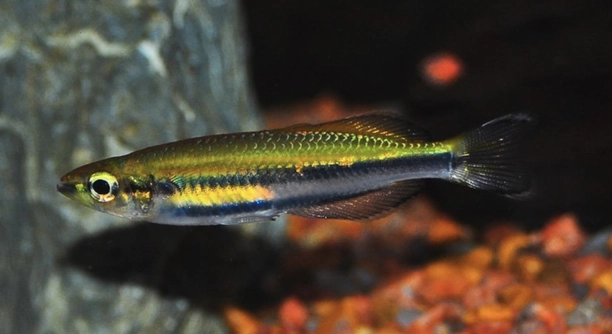
Adding new rainbowfish to your aquarium can be an exciting experience, but it requires careful preparation. Ensuring their environment is suitable and safe helps them adapt quickly and reduces stress during the transition.
Preparing for new rainbowfish involves several critical steps. These include assessing water quality, establishing compatible tank mates, providing appropriate hiding spaces, selecting balanced nutrition, monitoring temperature and pH, quarantining new arrivals, and gradually acclimating them to their new environment to ensure their health.
By following these preparation steps, you can create a harmonious home for your rainbowfish and enjoy their vibrant presence in your tank.
Assessing Your Tank Environment
Before bringing in new rainbowfish, it is important to examine the tank thoroughly. Check that the water temperature, pH, and hardness levels match the species’ requirements. Rainbowfish thrive in slightly alkaline water, generally between 24–28°C, with a pH around 7.0–8.0. Inspect the filter and ensure it maintains adequate flow without causing strong currents. Removing any debris and cleaning the substrate will prevent the fish from encountering harmful bacteria or parasites. Plants and decorations should provide hiding spots, but avoid overcrowding the tank. Consider the tank size as well; a spacious environment reduces stress and allows rainbowfish to swim freely. Lighting should mimic a natural day-night cycle, promoting activity and proper coloration. Preparing the tank in advance ensures that the rainbowfish can adjust without facing sudden environmental changes, which is critical for their health and longevity.
Proper preparation of the tank prevents stress and supports the overall wellbeing of rainbowfish from the moment they arrive.
Setting up the tank carefully also allows you to observe any issues with equipment or water conditions early. Regular monitoring of temperature, filtration, and pH can prevent problems before introducing the fish. Choosing suitable plants and decorations encourages natural behavior and reduces territorial disputes. Ensuring the tank is stable, clean, and safe gives the rainbowfish the best chance to adapt quickly and display vibrant colors. With a well-prepared environment, you are ready to focus on introducing the fish gradually, providing balanced nutrition, and monitoring their health to maintain a thriving aquarium.
Quarantining New Rainbowfish
Quarantining new rainbowfish helps prevent the spread of diseases and allows careful observation before adding them to the main tank.
A separate quarantine tank, ideally 10–20 gallons, should be prepared with the same water parameters as the main tank. Introduce the fish slowly, monitoring for signs of illness such as unusual swimming, loss of appetite, or visible spots. Use gentle filtration and provide hiding spots to reduce stress. Treat any potential infections promptly with appropriate methods. Quarantine typically lasts two to four weeks, depending on the health of the fish. During this period, observe behavior, feeding habits, and interactions with tank mates if adding more than one. This step ensures that only healthy fish enter the main tank, protecting existing residents and maintaining a balanced aquarium environment.
Quarantining new arrivals is essential to safeguard your main tank and maintain overall fish health.
Acclimating Your Rainbowfish
Acclimation reduces stress and helps rainbowfish adjust to new water conditions. Use a drip method or floating bag technique to slowly introduce them to the tank over one to two hours.
Begin by floating the sealed bag in the tank for 15–20 minutes to equalize temperature. Gradually add small amounts of tank water to the bag every 5–10 minutes. Monitor the fish for signs of stress such as frantic swimming or gasping. This process helps them adjust to differences in pH, hardness, and other water parameters without shock. Slowly introducing them to their new environment supports a smoother transition and reduces the risk of illness caused by sudden changes.
Acclimation also gives you time to observe the fish closely for any early signs of disease or behavioral issues. During this period, avoid feeding the fish immediately, as stress can affect their appetite. Keep the lighting moderate and minimize sudden movements around the tank. Proper acclimation creates a stable start, ensuring rainbowfish begin their life in the tank with confidence and comfort.
Choosing Tank Mates
Tank mates should be peaceful and compatible with rainbowfish to prevent aggression or stress. Avoid aggressive or territorial species that may bully newcomers.
Select species of similar size that occupy different swimming levels to reduce competition. Livebearers, tetras, and peaceful barbs often coexist well with rainbowfish. Introduce all new fish slowly to the tank and observe interactions for the first few days. Avoid overcrowding to reduce stress and territorial disputes. Ensure all fish have hiding spots and open swimming areas to maintain harmony. Choosing compatible tank mates promotes a balanced environment where rainbowfish can thrive.
Proper selection of tank mates also supports healthy social behavior. Rainbowfish are schooling fish, so having at least six of the same species encourages natural swimming patterns and reduces anxiety. Monitoring compatibility includes watching feeding behavior, territorial displays, and overall activity levels. Ensure all species have similar water requirements, including temperature, pH, and hardness. A carefully considered combination of species encourages vibrant coloration, active movement, and a peaceful community tank. When tank mates are compatible, it simplifies maintenance, reduces stress-related illness, and enhances the aesthetic appeal of the aquarium.
Providing Hiding Spaces
Hiding spaces reduce stress and make rainbowfish feel secure. Use plants, rocks, or decorations to create areas where they can retreat when needed.
Ensure hiding spots are evenly distributed to prevent territorial disputes. Avoid sharp edges that could injure delicate fins.
Monitoring Water Quality
Consistent water quality is essential for rainbowfish health. Regularly check ammonia, nitrite, and nitrate levels to prevent toxic buildup.
Use a reliable test kit and perform weekly water changes to maintain balance. Stable water conditions support immune function, encourage vibrant coloration, and reduce the risk of disease, helping rainbowfish thrive in their environment.
Feeding Rainbowfish
Rainbowfish require a balanced diet of flakes, pellets, and occasional live or frozen food. Variety promotes proper growth, coloration, and overall health.
Feed small amounts two to three times daily to prevent overfeeding. Remove uneaten food promptly to maintain water quality and avoid stress or illness caused by decaying food.
How long should I quarantine new rainbowfish?
Quarantining new rainbowfish for two to four weeks is recommended. This allows you to observe any signs of illness, stress, or parasites before introducing them to the main tank. Use a separate tank with similar water parameters, and provide gentle filtration and hiding spots. During this time, monitor their behavior and feeding habits closely. Quarantine gives you the opportunity to treat any potential issues early and reduces the risk of spreading disease to existing fish. Even if the fish appear healthy, a quarantine period is a critical step for long-term tank stability and rainbowfish wellbeing.
What is the best way to acclimate rainbowfish to a new tank?
Acclimation should be slow and gradual. Floating the sealed bag in the tank for 15–20 minutes equalizes the temperature. Then, add small amounts of tank water to the bag every 5–10 minutes. Avoid rushing this process, as sudden changes in temperature, pH, or water hardness can cause stress or illness. Monitor the fish closely, and do not feed immediately after transfer. Providing moderate lighting and minimizing disturbances during this period helps them adjust comfortably. Proper acclimation ensures rainbowfish maintain their natural activity, coloration, and appetite.
How often should I feed rainbowfish, and what diet is best?
Rainbowfish thrive on a balanced diet consisting of high-quality flakes or pellets, supplemented with live or frozen foods like brine shrimp or daphnia. Feeding small portions two to three times daily prevents overfeeding and maintains water quality. Uneaten food should be removed promptly to avoid decomposition, which can harm water conditions. Variety in the diet enhances coloration, growth, and overall health. Consistent feeding schedules help the fish establish regular eating patterns, making them more active and vibrant. Avoid relying solely on one type of food to prevent nutritional deficiencies.
What water parameters are ideal for rainbowfish?
Rainbowfish prefer slightly alkaline water with a pH between 7.0 and 8.0. Temperature should remain between 24–28°C (75–82°F), and water hardness should be moderate to slightly hard. Ammonia and nitrite levels must be zero, and nitrate should remain below 20 ppm. Regular testing and partial water changes are essential to maintain these conditions. Stable water parameters support healthy metabolism, immune function, and coloration. Sudden fluctuations in temperature or pH can stress rainbowfish, making them more susceptible to disease. Maintaining clean, stable water ensures a thriving and active aquarium environment.
Can rainbowfish live with other species?
Yes, rainbowfish are generally peaceful and can coexist with other non-aggressive species of similar size. Good tank mates include tetras, peaceful barbs, and livebearers. Avoid aggressive or territorial fish, as they may stress rainbowfish and disrupt their schooling behavior. Providing ample swimming space and hiding spots reduces territorial disputes. Observing interactions for the first few days is important to ensure harmony. A well-planned community tank allows rainbowfish to display natural behaviors, such as schooling and active swimming, without fear of harassment or bullying. Compatibility also enhances the visual appeal of the aquarium.
How many rainbowfish should be kept together?
Rainbowfish are schooling fish and should be kept in groups of at least six. A larger group encourages natural swimming patterns, reduces stress, and prevents aggressive behavior among individuals. Smaller groups may result in shy or withdrawn fish. Ensure the tank is large enough to accommodate the group comfortably, with adequate open space and hiding spots. Proper social structure promotes vibrant coloration, active behavior, and overall wellbeing. Observing group interactions can help identify any dominant individuals causing stress, allowing for adjustments in tank setup or population if necessary.
What signs indicate stress or illness in rainbowfish?
Stress or illness can be seen through changes in swimming behavior, loss of appetite, faded coloration, clamped fins, or unusual spots on the body. Lethargy or hiding more than usual may also indicate discomfort. Immediate action includes checking water quality, ensuring proper diet, and isolating sick fish if necessary. Early detection and intervention can prevent the spread of disease and improve recovery chances. Maintaining clean water, stable parameters, and a stress-free environment reduces the likelihood of illness and supports the overall health of rainbowfish.
How often should I perform water changes for rainbowfish?
Weekly partial water changes of 20–25% are ideal for maintaining water quality. This helps remove excess nutrients, waste, and toxins while replenishing essential minerals. Consistent water changes prevent sudden spikes in ammonia, nitrite, or nitrate, which can stress rainbowfish. Using a water conditioner ensures chlorine or chloramine is neutralized. Avoid large, infrequent water changes that could shock the fish. Maintaining a regular schedule keeps the tank stable, supports fish health, and encourages vibrant coloration and active swimming. Proper water management is one of the simplest ways to promote a thriving aquarium environment.
Do rainbowfish need plants in their tank?
Yes, live or artificial plants provide hiding spaces and reduce stress. Plants also create natural boundaries, improve water quality, and encourage natural behaviors. Choosing soft-leaved plants prevents fin damage, and arranging them to allow open swimming space is important. Plants contribute to a more balanced and visually appealing tank environment.
Can rainbowfish tolerate changes in temperature or pH?
Rainbowfish are sensitive to sudden changes in temperature or pH. Gradual adjustments are essential when modifying tank conditions. Rapid fluctuations can lead to stress, illness, or death. Maintaining stable water parameters ensures their immune system remains strong and supports healthy growth and coloration. Monitoring and careful management of the tank environment are key to long-term rainbowfish wellbeing.
Adding new rainbowfish to your aquarium can be very rewarding if proper preparation is followed. Ensuring that the tank environment is clean, stable, and well-maintained is the first step. Water temperature, pH, and hardness must be checked and adjusted to suit the species’ needs. Stable water conditions help reduce stress and support healthy immune function, allowing rainbowfish to settle in more comfortably. Providing hiding spots through plants, rocks, or decorations also helps create a secure environment, encouraging natural behavior. The tank should offer enough space for swimming, schooling, and exploration. Proper preparation before introducing the fish prevents common issues such as aggression, stress, or disease, which can occur when changes are rushed or overlooked. By focusing on creating a balanced and supportive environment, the rainbowfish are more likely to display vibrant colors and active behavior, contributing to the overall health and visual appeal of the aquarium.
Acclimation and quarantine are two critical steps that cannot be skipped when adding new rainbowfish. Quarantining the fish in a separate tank for two to four weeks allows careful observation of health, feeding habits, and behavior. This step helps identify any signs of illness or parasites before introducing them to the main tank, protecting existing residents from potential problems. Acclimating the fish slowly to the new tank prevents sudden changes in temperature, pH, or water hardness, which can be stressful or even dangerous. Using the drip method or floating bag technique ensures a gradual adjustment to the new environment. Monitoring the fish closely during acclimation allows for early intervention if stress or abnormal behavior appears. Together, quarantine and acclimation provide a controlled and safe approach, minimizing risks and improving the chances that rainbowfish will thrive in their new home.
Maintaining rainbowfish goes beyond preparation and introduction. Feeding a varied diet of high-quality flakes, pellets, and occasional live or frozen foods ensures proper growth, coloration, and overall health. Regular partial water changes and monitoring water quality are essential to prevent the accumulation of toxins, which can negatively affect fish health. Choosing compatible tank mates promotes a peaceful community, reduces stress, and supports natural schooling behavior. Observing the fish regularly helps detect early signs of illness, stress, or social issues. Every step, from preparation to ongoing maintenance, contributes to the long-term success of keeping rainbowfish. With attention to water conditions, diet, social balance, and environmental enrichment, rainbowfish can live actively, display vibrant colors, and remain healthy. Careful planning and consistent care provide a rewarding experience and a thriving aquarium for both the fish and the caretaker.

Hello,
If you enjoy the content that we create, please consider saying a "Thank You!" by leaving a tip.
Every little bit helps us continue crafting quality advice that supports the health, happiness, and well-being of pets around the world, for pets of all shapes, sizes, and species.
We really appreciate the kindness and support that you show us!