
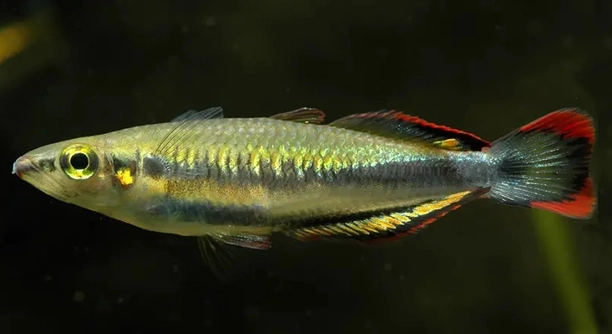
Have you ever wondered how rainbowfish behave when settling into a new tank, trying to balance their bright energy with the space around them while staying comfortable in their environment with other fish swimming nearby.
Rainbowfish are social species that thrive in small groups, preferring shared space that still provides enough room to swim calmly. Their behavior relies on balancing companionship with territory, allowing well managed environments to support stable interactions and lower stress levels.
Learning how rainbowfish respond to their surroundings can help you shape a setting that keeps them active, calm, and expressive.
Understanding Rainbowfish Social Needs
Rainbowfish rely on steady group interactions to feel secure, and their behavior reflects this simple need for comfort and movement. When they have enough space to swim without pressure, they display brighter colors and smoother patterns that show they are calm. Keeping them in groups helps them settle, since they read signals from one another to stay balanced. I like how their gentle movements can shift once they feel at ease, making the tank feel more peaceful. When space becomes limited, tension rises and their confidence drops, which can affect feeding and overall activity. A well planned setup supports their natural habits, giving them room to glide while staying close to others. With this balance, rainbowfish show their best behavior, and the tank becomes easier to maintain. Their need for a clear layout, steady water quality, and predictable surroundings helps them stay stable and responsive each day.
A simple approach is to maintain open swimming areas while keeping them in groups large enough to support normal interactions without causing stress from overcrowding.
When rainbowfish feel secure in their group and have enough room, their movement becomes more natural, and they respond more positively to changes around them without showing signs of discomfort or tension.
Creating a Balanced Rainbowfish Habitat
A stable habitat helps rainbowfish stay active, supported, and confident while interacting with other fish in the tank.
Providing the right environment means focusing on both space and structure to help rainbowfish settle into predictable routines. Open swimming areas allow them to move freely, while plants and gentle cover offer places to pause without feeling confined. I find that when spacing is generous, they explore with more ease and show brighter patterns. A proper habitat also relies on clean, steady water conditions, since sudden shifts can quickly unsettle them. Filters should run smoothly, and regular checks help prevent problems before they rise. Keeping them in well sized groups helps stabilize their behavior, allowing them to read social cues without confusion. Careful planning avoids crowding and keeps interactions calm. When these parts come together, rainbowfish remain comfortable, expressive, and ready to adapt. A balanced tank creates an environment where their natural traits stand out and their activity stays consistent.
Managing Group Size and Spacing
Rainbowfish stay calmer when kept in groups that allow steady interaction without creating pressure in the tank. Proper spacing helps them move naturally, settle faster, and avoid the tension that appears when they feel crowded or separated from familiar companions.
Choosing the right group size supports smoother behavior and reduces stress. When rainbowfish live with enough companions, their movements become more confident, and they show clearer patterns that reflect a stable mood. I notice they interact more softly when the tank gives them room to glide without bumping into others. Maintaining a layout with open swimming paths prevents irritation, helps them feed without hesitation, and keeps their activity steady throughout the day. Balanced spacing also lowers the chance of aggressive displays since they do not feel cornered or overwhelmed. With a suitable group and thoughtful planning, rainbowfish stay expressive and comfortable.
A well arranged tank helps rainbowfish display natural schooling patterns while still having personal space to move freely. They rely on clear visual paths to navigate the tank, and too many obstructions can make them uneasy. By keeping decorations simple and ensuring space is evenly distributed, their movement becomes smoother and they interact more gently. These adjustments create a setting that supports their calm behavior and steady routines.
Signs Your Rainbowfish Need More Room
Rainbowfish show their discomfort through subtle shifts in behavior, such as restless pacing or dulling colors. When these signs appear, it often means they need more room to move, interact, or settle properly within the group.
Giving rainbowfish additional space helps them regain confidence and return to their usual activity level. When the tank feels tight, they may bunch together awkwardly or separate too far from the group, which disrupts their natural rhythm. I find that expanding open areas or adjusting decorations can quickly ease their tension. A larger swimming zone encourages brighter patterns and smoother motion, which are signs they feel secure again. Monitoring how they respond to their environment makes it easier to catch these changes early. By observing their behavior closely and adjusting the layout when needed, you can maintain a habitat where they stay relaxed, active, and more in sync with each other.
Balancing Activity Levels in a Shared Space
Rainbowfish stay more composed when the tank layout matches their energy. Clear paths let them swim without interruption, and steady movement helps them feel secure. I find that when space is balanced, they interact more softly and show brighter, calmer behavior.
Too many obstacles can disrupt their rhythm and make them jittery. Adjusting decorations to open the tank helps them move freely, and even small changes can ease their tension. This simple setup keeps their environment predictable and comfortable.
How Overcrowding Affects Behavior
Crowded conditions can cause rainbowfish to act out of character, showing restlessness or pulling away from the group. I notice that when space becomes limited, their colors lose some brightness and their movement turns sharper. A roomy layout allows them to settle more naturally and stay steady. Giving them extra space helps prevent these issues and keeps their behavior predictable. With enough room, they feed more comfortably, glide without hesitation, and maintain smoother interaction with one another. A well spaced tank supports their overall stability and encourages healthier social patterns.
Simple Adjustments That Help
Small layout changes, like shifting plants or widening swimming lanes, can quickly improve their comfort. These gentle adjustments support calmer behavior and help rainbowfish stay more connected to the group.
How many rainbowfish should I keep together?
Rainbowfish are social fish that do best in groups. I usually keep at least six to eight together to ensure they feel secure and can display natural schooling behavior. Smaller groups often make them shy or stressed. When the group is too large for the tank, tension rises, and some fish may hide more often. The balance between enough companions and enough space is key. Observing their swimming patterns and interactions helps me adjust the number if needed. Over time, I notice that a properly sized group keeps them active, colorful, and calm, making the tank feel more lively without creating stress.
Do rainbowfish need extra space when added to a tank?
Yes, new rainbowfish need extra room to acclimate. I like to rearrange a few decorations or widen swimming lanes temporarily when introducing new fish. This helps reduce conflicts and gives everyone a chance to explore without bumping into one another. When space is limited, rainbowfish may show stress through rapid swimming, hiding, or duller colors. Extra room helps them settle faster, learn social cues from the existing group, and find their own comfortable spots in the tank. Once they adjust, I slowly return the layout to its regular setup, keeping areas open enough to maintain smooth movement for all fish.
What signs indicate rainbowfish are stressed in their environment?
Stress in rainbowfish is often subtle but noticeable. I watch for faded colors, jittery swimming, or unusual hiding behavior. Some fish may separate from the group or appear lethargic. Overcrowding, sudden water changes, or aggressive tank mates can trigger these signs. When I notice these behaviors, I check spacing, water conditions, and group size. Adjusting decorations to create open swimming paths or adding gentle cover often calms them down. Consistent observation allows me to prevent long-term stress and maintain steady behavior. A comfortable environment encourages brighter patterns, smooth movement, and stable social interaction among the group.
How do rainbowfish interact in different group sizes?
In small groups, rainbowfish may seem nervous and hover near each other, often avoiding the center of the tank. I’ve noticed that they rely on visual signals from companions to feel secure, so fewer fish make them cautious. In medium-sized groups, their schooling behavior becomes smoother, and they explore more of the tank confidently. Large groups require careful spacing; too many fish in a small tank can cause territorial disputes or stress. Observing their movement shows when the balance is right. Proper group size supports active swimming, displays brighter colors, and ensures social cues are easy to read, keeping the environment calm and predictable.
Do rainbowfish prefer hiding spots or open areas?
Rainbowfish need both open areas and places to hide. Open swimming lanes let them glide naturally and maintain schooling patterns, which I find keeps them relaxed. At the same time, they use plants or rocks to pause or retreat when feeling cautious. A mix of these elements creates a sense of security. I arrange the tank so decorations don’t block their main swimming paths but still provide gentle cover. This combination reduces stress and encourages regular feeding, social interaction, and comfortable movement. Observing how they use each space helps me fine-tune the layout for both activity and relaxation.
How can I tell if the tank layout is too crowded?
Signs of a crowded tank include frequent collisions, hiding in corners, and irregular schooling. I notice rainbowfish may stop exploring and stick near the edges when space feels tight. Rapid, jerky movements or sudden aggression are also warnings. Adjusting decorations or removing unnecessary items can create breathing room, letting them swim more naturally. Open paths and even distribution of hiding spots support calm behavior. Monitoring their activity after adjustments shows if the changes are sufficient. A properly spaced tank encourages steady schooling, comfortable movement, and consistent feeding habits, making the fish feel secure and expressive.
What role does water quality play in rainbowfish comfort?
Clean and stable water is critical for rainbowfish. Sudden changes in temperature, pH, or ammonia levels can make them stressed and affect schooling behavior. I check water parameters regularly and maintain consistent filtration to keep conditions steady. Stable water allows them to swim confidently, feed actively, and maintain bright colors. I’ve seen how even minor fluctuations can make them hide or move erratically. Consistent water quality, combined with adequate space and group size, ensures a calm, healthy tank. It helps rainbowfish show their natural patterns and interact smoothly, reducing stress and maintaining balance in the environment.
How often should I adjust decorations to improve comfort?
Decorations should be adjusted carefully and sparingly. I usually move plants or rearrange rocks when introducing new fish or noticing tension in the group. Frequent changes can stress rainbowfish, while thoughtful adjustments improve open swimming areas and provide gentle cover. Observing their behavior after each change shows if the tank feels comfortable. Keeping paths open while maintaining hiding spots supports calm, confident movement. A balanced layout encourages smooth schooling, active feeding, and steady interaction. Small tweaks, rather than constant rearrangement, keep the tank predictable and allow rainbowfish to feel secure and expressive.
Rainbowfish are gentle, social creatures that respond strongly to the space and companions around them. Observing their behavior carefully helps understand how much room they need and how they prefer to interact with other fish in the tank. They thrive in environments that allow both open swimming areas and soft cover where they can pause if needed. When their space is balanced, they move more confidently, display brighter colors, and maintain steady social patterns. Overcrowding or limited space can quickly make them stressed, causing restless movements, fading colors, or frequent hiding. By paying attention to these subtle signs, it is possible to create a tank that supports their natural habits and keeps them comfortable. Ensuring the right group size is just as important as the physical layout. Small groups can make rainbowfish timid and overly cautious, while too many fish in a tight area can trigger stress or minor aggression. A medium-sized, well spaced group allows them to glide naturally, interact gently, and maintain the rhythmic movement typical of their schooling behavior.
Water quality and consistency also play a crucial role in their overall comfort. Rainbowfish react to sudden shifts in temperature, pH, or ammonia levels, which can make them unsettled or reluctant to explore the tank. Maintaining stable water conditions through regular testing and proper filtration helps them remain active and healthy. Clean water allows them to swim confidently, feed steadily, and show their natural bright patterns without interruption. Even minor adjustments in tank decorations can affect their comfort, so changes should be made carefully. Creating a predictable environment with gentle cover and clear swimming paths helps rainbowfish feel safe. Watching how they use both open areas and hiding spots provides insight into whether the tank layout meets their needs. Over time, these observations guide small adjustments that improve their behavior without introducing stress.
Balancing companionship and space is the key to a healthy, calm rainbowfish habitat. Providing enough room for each fish to move freely while maintaining a group size that encourages natural schooling helps them stay confident and expressive. Adjusting decorations thoughtfully, maintaining open swimming lanes, and offering gentle cover ensures they have both safety and freedom. Monitoring their behavior closely allows early detection of stress or discomfort, making it possible to correct issues before they escalate. Stable water conditions, careful attention to layout, and appropriate group management combine to create an environment where rainbowfish thrive. When these elements are in place, they move smoothly, display their best colors, and interact in a calm, balanced manner. Understanding their social and spatial needs ensures a tank that feels harmonious and comfortable, making it easier to maintain steady routines and support their long-term well-being.

Hello,
If you enjoy the content that we create, please consider saying a "Thank You!" by leaving a tip.
Every little bit helps us continue crafting quality advice that supports the health, happiness, and well-being of pets around the world, for pets of all shapes, sizes, and species.
We really appreciate the kindness and support that you show us!