
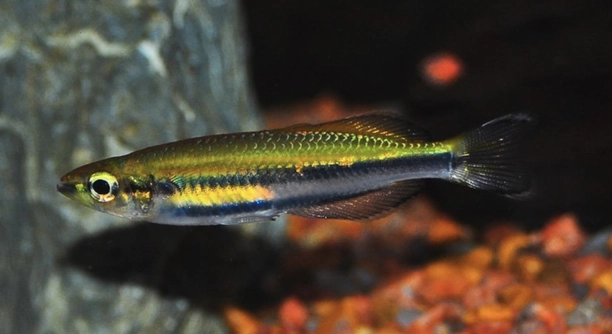
Rainbowfish show subtle behaviors that reflect comfort and balance in their environment, offering calm signals aquarists can observe daily, from gentle swimming patterns to relaxed social interactions within a stable, well maintained aquarium setting home.
Content rainbowfish display consistent swimming, clear coloration, steady feeding responses, and cooperative schooling behavior. These indicators arise from proper water parameters, adequate space, low stress conditions, and compatible tank mates, collectively reflecting physiological stability and positive welfare states over time.
Recognizing these signs helps aquarists support daily care choices and maintain environments where rainbowfish continue to thrive naturally with confidence.
They Swim Smoothly Together
Content rainbowfish move through the tank with smooth, even motions that appear unhurried and natural. They school closely without sudden breaks, showing trust in their surroundings. I often notice this behavior during quiet hours, when lights are steady and feeding is predictable. Their bodies remain level as they glide, conserving energy instead of darting aimlessly. This type of swimming suggests low stress and good muscle control. It also reflects stable water conditions that support normal breathing and balance. When rainbowfish feel secure, they do not hide or rush for cover. Instead, they explore open areas together and maintain consistent spacing. This coordinated movement allows them to respond calmly to minor changes without panic. Over time, this pattern becomes easy to recognize and reassuring to observe. With regular observation, this calm behavior becomes a reliable sign that daily care routines are meeting their basic physical and environmental needs consistently over time.
This behavior often appears after consistent maintenance and thoughtful tank layout. Gentle filtration, open swimming space, and familiar tank mates encourage rainbowfish to remain visible and active. When these elements align, their movement becomes predictable, calm, and easy to interpret during daily observation periods by attentive aquarium keepers at home.
Smooth schooling also reduces internal competition within the group. When rainbowfish are content, they do not chase excessively or break formation. This lowers energy loss and supports healthy growth over time. I have found that tanks with steady routines produce more uniform swimming patterns. Minor disturbances, such as brief noise or movement, cause little disruption. The group quickly settles and resumes its path. This response shows confidence rather than fear. Consistent swimming behavior helps caretakers assess changes early and adjust care before stress becomes visible or harmful. Over months, this stability supports long term observation accuracy and better decision making.
Their Colors Stay Clear and Balanced
Color consistency is another clear sign of contentment in rainbowfish. Their hues remain balanced rather than faded or blotchy. I notice brighter tones when stress is low and lighting is stable. This visual steadiness reflects proper nutrition, water quality, and overall comfort within a well managed aquarium environment at home.
Healthy coloration develops gradually and remains steady when conditions are supportive. Content rainbowfish do not flash pale tones or darken without cause. Instead, their colors appear even throughout the day. I pay close attention during feeding and rest periods, as sudden changes can signal imbalance. Stable temperature, clean water, and consistent light cycles all play a role. Diet also matters. Regular access to varied, quality foods helps maintain pigment strength. When these needs are met, color becomes a dependable indicator rather than a fleeting display. This stability allows caretakers to notice subtle shifts early. Dullness, uneven patches, or sudden contrast often point to environmental strain. By maintaining routine care and observing color daily, long term health trends become easier to track. Over time, this awareness builds confidence in husbandry decisions and supports a calm, predictable aquarium environment that benefits both fish and caretaker. I have learned that patience matters, since rapid adjustments often create more problems than they solve. Small corrections made slowly tend to preserve color stability and reduce unnecessary stress responses. This measured approach supports observation, planning, and consistent outcomes over extended periods. It also encourages a steady routine that feels manageable and reassuring for daily care tasks.
They Eat Calmly and Consistently
Content rainbowfish approach food without rushing or aggression, taking steady bites and returning to the group. Feeding remains orderly, with little competition or surface panic. I notice this most when schedules are consistent and portions are appropriate, allowing every fish to eat without stress or frantic movement during daily feedings.
Regular feeding behavior reflects internal balance and environmental comfort. When rainbowfish feel secure, they wait for food rather than chasing each other constantly. Their breathing stays even while eating, showing they are not overwhelmed. I have learned that overfeeding disrupts this calm pattern. Smaller portions given on a schedule support predictable behavior. Consistent feeding locations also help reduce confusion. Over time, fish learn where food appears and gather naturally. This routine lowers unnecessary energy use and supports digestion. Calm feeding sessions make it easier to observe health changes without distraction or chaos during routine home aquarium care practices overall stability.
Stable feeding habits also reduce social tension within the tank. Content rainbowfish rarely nip or block others during meals. Each individual maintains space and returns to swimming shortly after eating. I find this behavior reassuring because it shows trust in future feedings. There is no urgency or hoarding. Waste levels also remain manageable, supporting cleaner water. This creates a feedback loop where stable conditions reinforce calm feeding. Observing this pattern over weeks provides insight into long term well being. Sudden changes often signal the need for careful adjustment before stress becomes visible within the group over time again naturally occurring.
They Interact Peacefully With Tank Mates
Content rainbowfish show calm, respectful interactions with other fish in the tank. They share space without persistent chasing or fin nipping. I usually see them passing by others without reaction. This peaceful behavior suggests low territorial pressure and adequate space, which helps maintain steady activity levels and reduces unnecessary stress responses across the aquarium environment from consistent stocking choices and thoughtful layout decisions over time at home with long term balance and harmony maintained daily.
Balanced social behavior reflects contentment and proper environmental planning. Rainbowfish are active yet tolerant, allowing shared movement without constant conflict. I pay attention to spacing and hiding areas because crowding changes behavior quickly. When space is sufficient, rainbowfish rarely assert dominance. Mixed species tanks remain calm, with clear movement patterns. This reduces injury risk and supports immune function. Peaceful interaction also improves observation accuracy. Stress signs are easier to spot when aggression is absent. Over time, stable social behavior indicates that stocking levels, layout, and care routines are aligned. This consistency helps maintain predictable activity and supports long term aquarium stability while encouraging steady behavior that feels manageable for daily maintenance and long term success within a controlled home aquarium setting overall stability preserved consistently.
They Rest in Open Areas
Content rainbowfish rest openly rather than hiding, hovering calmly near plants or mid water. Their bodies remain relaxed, fins extended, and breathing steady. I often notice this during quiet periods, when lighting is soft and the tank feels predictable, allowing natural pauses without fear or sudden darting from daily routines.
Open resting behavior shows trust in surroundings and low stress levels. Rainbowfish that feel safe do not wedge into corners or remain motionless for long. Instead, they pause briefly, then resume swimming. This rhythm supports energy balance and indicates comfort within stable, well maintained tank conditions over extended observation periods.
They Stay Calm During Maintenance
Content rainbowfish respond calmly to routine maintenance, such as water changes or glass cleaning. They may observe movement without panic and return to normal activity quickly. I have found that slow, consistent maintenance builds this response. Sudden movements are less disruptive when fish expect regular care. Calm reactions indicate familiarity and trust rather than fear. This behavior also reduces injury risk during upkeep. When rainbowfish remain composed, it shows that environmental changes stay within acceptable limits. Over time, this tolerance reflects stable parameters and careful handling. It reassures caretakers that routines support comfort instead of causing repeated stress responses consistently.
Their Breathing Remains Steady
Content rainbowfish maintain steady breathing and fin movement, even during active periods. Gills move evenly, and fins are held open without clamping. I watch for this daily, since changes often appear here first. Consistent motion suggests proper oxygen levels and overall physical ease within a balanced aquarium environment at home.
How can I tell if my rainbowfish is happy?
A happy rainbowfish shows calm swimming, steady breathing, and vibrant coloration. They feed regularly without rushing and interact peacefully with tank mates. Open resting and smooth schooling are also signs. Observing these behaviors over time helps identify long-term comfort. Sudden changes in activity, hiding, or clamped fins often indicate stress or environmental imbalance. I track daily behavior to ensure water parameters, tank layout, and feeding routines remain consistent. Small, predictable patterns are usually the most reliable indicators of contentment, rather than one-off movements or short-term bursts of activity.
What environment supports content rainbowfish?
Content rainbowfish need stable water parameters, including proper temperature, pH, and regular partial water changes. They thrive in tanks with open swimming space, plants for cover, and compatible tank mates. Minimal sudden disturbances help maintain calm behavior. I keep filtration gentle yet effective, avoiding strong currents that can stress fish. Lighting cycles should be consistent, as irregular light can disrupt feeding and resting patterns. Spacing is important—crowding increases tension, while well-planned aquascapes provide both social zones and safe areas. When these elements align, rainbowfish move confidently, feed calmly, and display vibrant colors. Regular observation allows me to detect small changes early, adjusting maintenance or tank layout as needed to keep the group stable and healthy.
How often should I feed rainbowfish?
Rainbowfish do best with small, frequent feedings rather than one large meal. Two to three times daily is typical, depending on species and tank conditions. I notice calmer behavior when food is consistent and predictable. Overfeeding can cause water quality issues, which stress the fish and reduce color vibrancy. A mix of high-quality flakes, pellets, and occasional live or frozen foods supports growth and coloration. Feeding should occur in a way that allows all individuals to access food without chasing or hoarding. Maintaining a routine helps rainbowfish anticipate feeding and reduces aggressive competition. Observing fish during meals gives insight into appetite and overall comfort, allowing for subtle adjustments to support long-term health.
Why do rainbowfish school together?
Schooling is natural for rainbowfish and helps them feel secure. Content fish move together in coordinated patterns, maintaining spacing without chasing. I notice that peaceful schooling reflects stable social dynamics and low stress levels. When one fish suddenly darts, others respond quickly but return to formation, indicating a balanced environment. Schooling also reduces energy expenditure and allows fish to feed, rest, and explore efficiently. Tank size and layout influence how comfortably they can school. Overcrowding or incompatible tank mates can break formations and increase stress. Supporting natural schooling involves providing open space, predictable routines, and compatible species, which collectively encourage calm behavior, vibrant coloration, and consistent activity patterns over time.
How do I maintain their coloration?
Consistent diet, water quality, and lighting are key to maintaining vibrant rainbowfish colors. I provide foods rich in carotenoids and nutrients to enhance pigmentation naturally. Stress, poor water conditions, or illness can dull colors quickly, so I monitor parameters and observe interactions daily. Gradual color changes indicate long-term health, while sudden fading often points to an environmental problem. Balanced lighting ensures colors appear natural, not washed out. Proper nutrition supports growth and overall vibrancy. Regular observation allows me to track subtle shifts and make adjustments before issues escalate. Maintaining a stable routine with gentle care consistently encourages strong, healthy colors.
What should I do if a fish appears stressed?
If a rainbowfish shows rapid breathing, clamped fins, or hiding, I immediately check water quality, temperature, and tank dynamics. Identifying the source—overcrowding, poor diet, or environmental fluctuations—is critical. I make gradual changes, like adjusting water parameters slowly or redistributing tank mates, rather than sudden interventions. Stress signs often resolve when the environment stabilizes and routines remain predictable. Monitoring social interactions and feeding behavior provides additional clues. Sometimes adding cover or rearranging decorations improves comfort. Observing daily ensures early detection of minor stress before it develops into illness, helping maintain overall tank harmony and fish well-being over time.
Can rainbowfish live with other species?
Yes, rainbowfish coexist well with similarly sized, non-aggressive species. I pair them with tetras, danios, or peaceful catfish, avoiding fin nippers or territorial species. Observing interactions early is important to ensure harmony. Proper space and hiding spots reduce competition and stress. Tank size and layout play a key role; overcrowding or incompatible species lead to aggression, clamped fins, and reduced coloration. Gradual introductions help fish adjust without panic. Consistent routines, careful observation, and a stable environment support peaceful cohabitation. When conditions are right, rainbowfish maintain normal schooling, feeding, and resting behaviors, showing contentment alongside other compatible species over long periods.
How much space do they need?
Rainbowfish need open swimming space with adequate height and length. I find that a minimum of 20 gallons for a small school provides room to move freely, while larger groups benefit from proportionally larger tanks. Crowded conditions increase aggression and reduce schooling efficiency. Vertical and horizontal space encourages natural swimming patterns. Including plants and decorations for hiding allows stress reduction without restricting movement. Observing behavior shows if space is sufficient: calm schooling, steady feeding, and open resting indicate comfort. Insufficient space often leads to frantic movements, hiding, and uneven coloration, signaling that adjustments are needed to maintain well-being over time.
What role does water quality play?
Water quality is critical for rainbowfish contentment. I maintain consistent parameters, including temperature, pH, and low ammonia, nitrite, and nitrate levels. Regular testing and partial water changes prevent stress, dull colors, and health issues. Filtration should provide gentle circulation without creating strong currents that disrupt schooling. Poor water quality often shows as rapid breathing, clamped fins, or lethargy. Keeping substrate clean and avoiding overfeeding supports stable chemistry. Observing fish daily helps identify early signs of imbalance. Stable, clean water encourages natural behavior, vibrant coloration, and calm feeding patterns, forming the foundation for long-term health and contentment in the aquarium environment.
How can I encourage natural behavior?
Providing a structured environment with predictable routines encourages rainbowfish to behave naturally. I maintain consistent feeding times, lighting cycles, and tank layout, which supports calm schooling, open resting, and peaceful interactions. Plants, hiding spots, and open swimming areas allow exploration without stress. Avoiding sudden changes prevents fear responses. Observing daily highlights patterns and subtle shifts, helping me adjust care without disrupting behavior. Minimal interference and gentle handling during maintenance let fish retain natural rhythms. Over time, this creates an environment where rainbowfish exhibit stable coloration, steady breathing, and orderly social behavior. Natural behavior indicates comfort and reliable long-term health in a home aquarium setting.
Rainbowfish are remarkable in how clearly they show comfort and contentment through their daily behaviors. Observing calm swimming, open resting, steady breathing, and peaceful interactions provides a straightforward way to gauge their well-being. Over time, these small, consistent signs become easier to recognize. When rainbowfish feel secure, their colors remain vibrant, feeding routines are smooth, and social patterns stay balanced. I often notice that even minor changes in these behaviors can signal shifts in water quality, tank dynamics, or feeding schedules. Paying attention to these details allows me to make adjustments before stress develops into more serious health problems, helping the fish remain healthy and active. Maintaining a steady routine is key, as rainbowfish respond best to predictability. Their daily rhythms, from schooling to resting, offer a simple yet reliable window into their overall welfare.
Creating a suitable environment is essential for their contentment. Open swimming space, compatible tank mates, gentle filtration, and consistent lighting all contribute to calm behavior and steady interactions. I find that adding plants or decorations for cover helps reduce stress, while leaving enough open space allows natural schooling and exploration. Feeding habits also play a significant role: providing small, regular meals in predictable locations encourages calm and reduces competition. Proper nutrition supports coloration and growth, while overfeeding or inconsistent routines can cause stress and water quality issues. Monitoring water parameters and keeping them stable ensures fish remain physically comfortable, allowing their natural behaviors to shine. Even small changes, like adjusting temperature or adding a hiding spot, can noticeably impact their comfort. By paying attention to the details and keeping a consistent approach, rainbowfish are more likely to thrive, display healthy behavior, and maintain their vivid colors over time.
Consistency and observation are the foundation for maintaining rainbowfish contentment. Daily monitoring allows early detection of behavioral changes, such as shifts in swimming patterns, feeding behavior, or resting habits. I often adjust care routines gradually, rather than making sudden changes, to minimize stress. Observing their schooling, coloration, and interaction patterns over weeks and months provides insight into long-term health and well-being. Maintaining stable water quality, a balanced diet, and an appropriate tank layout allows rainbowfish to feel secure and exhibit natural behaviors. Over time, a well-maintained environment and steady care build confidence in their overall welfare, creating an aquarium that is both stable and enjoyable to observe. Understanding their subtle signals ensures they continue to thrive while helping caretakers make informed, effective choices that support long-term health and harmony. By prioritizing consistency, patience, and attentive observation, rainbowfish can remain vibrant, active, and content in a home aquarium.

Hello,
If you enjoy the content that we create, please consider saying a "Thank You!" by leaving a tip.
Every little bit helps us continue crafting quality advice that supports the health, happiness, and well-being of pets around the world, for pets of all shapes, sizes, and species.
We really appreciate the kindness and support that you show us!