
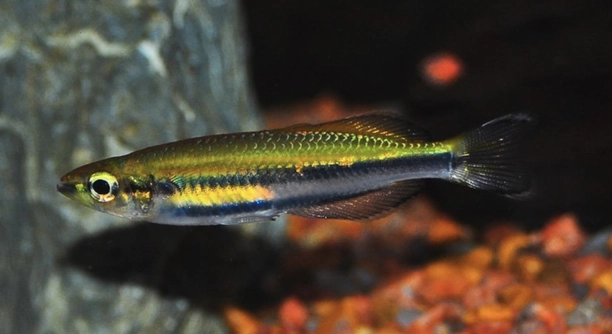
Is your rainbowfish suddenly hiding after moving to a new tank? It is common for fish to retreat and stay in corners or behind decorations. Adjusting to a new environment can feel overwhelming for them.
Rainbowfish hide after a move primarily due to stress and environmental changes. Sudden alterations in water parameters, tank layout, or lighting can cause them to feel unsafe. Providing hiding spots and stable conditions helps them acclimate more comfortably.
Observing your fish closely and creating a calm environment will support their adjustment and encourage them to explore their new home.
Understanding Rainbowfish Behavior After a Move
When rainbowfish are introduced to a new tank, their behavior can change noticeably. Hiding is a natural response to unfamiliar surroundings. Fish rely heavily on familiar visual cues, water conditions, and tank mates to feel secure. Moving to a new environment disrupts these cues, and the sudden change can trigger stress responses. Stress in rainbowfish can manifest as reduced activity, loss of appetite, or seeking shelter behind plants, rocks, or decorations. It is essential to recognize that hiding does not always indicate illness. Some rainbowfish take longer to adapt due to individual temperament or past experiences. Observing their patterns closely helps in understanding how quickly they are acclimating. Creating a calm and stable environment with appropriate water temperature, lighting, and sufficient hiding spots will encourage rainbowfish to feel safer. Gradually, they will explore more, regain confidence, and resume normal behavior.
Adjusting the tank slowly reduces stress and helps rainbowfish settle faster.
Providing consistent water conditions, gentle lighting, and plenty of plants or shelters promotes a smooth adjustment period.
Water Quality and Tank Setup
Water parameters play a critical role in rainbowfish comfort. Even slight changes in temperature, pH, or hardness can make them uneasy.
Maintaining stable water temperature, regular filtration, and proper pH levels ensures the fish feel secure. Checking for sudden fluctuations prevents prolonged stress.
Before moving rainbowfish, preparing the tank carefully is vital. Acclimating them to the new water gradually can prevent shock. Add decorations, plants, and hiding spots to create a familiar environment that mimics their previous habitat. Avoid overcrowding, as space is important for their exploration and comfort. Monitoring water quality daily for the first week is recommended, including temperature, ammonia, nitrite, and nitrate levels. Providing gentle lighting and minimizing sudden disturbances will also help the fish adjust. Feeding smaller amounts more frequently encourages them to return to normal behavior without causing water issues. Patience during this period is key, as each rainbowfish has a different adaptation pace. By creating a calm and well-maintained environment, their transition will be smoother, and they will regain confidence more quickly.
Providing Hiding Spots
Hiding spots help rainbowfish feel secure after a move. Plants, rocks, and small caves offer shelter, reduce stress, and encourage exploration.
Arranging decorations thoughtfully allows fish to establish territories and retreat when feeling threatened. Floating plants provide shade and soften lighting, which reduces anxiety. Ensuring multiple hiding areas prevents competition among tank mates and promotes balanced behavior. Observing how rainbowfish use these spaces can help identify preferred locations and adjust the setup accordingly. Gradually, fish will become more confident and venture into open areas. Variety in shapes and textures also stimulates natural curiosity while maintaining a safe environment.
Regularly check hiding spots for cleanliness and stability. Removing debris and securing items prevents accidental injury, maintaining both comfort and safety. Consistent placement reassures fish that their environment is predictable.
Gradual Acclimation Techniques
Introducing rainbowfish slowly to a new tank reduces stress and promotes adaptation. Using temperature-matched water prevents shock during transfer.
Floating the transport bag in the tank for 15–20 minutes equalizes temperature, then adding small amounts of tank water to the bag gradually adjusts the fish to new water chemistry. This method minimizes stress and helps prevent sudden changes in pH or hardness. Repeating this process over 30–60 minutes ensures rainbowfish transition smoothly. Gentle handling and avoiding overcrowding during acclimation further protect their wellbeing. Monitoring fish closely after transfer helps catch early signs of stress.
Acclimation does not end after introduction. Observing feeding patterns, activity levels, and interaction with hiding spots ensures they are adjusting properly. Adjusting lighting gradually, maintaining stable water parameters, and offering consistent feeding schedules support long-term comfort. Patience is essential, as each rainbowfish adapts at its own pace, and avoiding sudden disturbances during this period increases their confidence and encourages natural behavior to return.
Reducing Stress Triggers
Limiting sudden movements near the tank helps rainbowfish feel safe. Bright lights and loud noises can increase hiding behavior and prolong stress.
Maintaining a calm environment, consistent feeding schedule, and gentle water flow encourages fish to explore. Avoid tapping on the glass or making abrupt changes during this period.
Observing Social Interactions
Rainbowfish are social, and their behavior can be influenced by tank mates. Aggressive or overly active fish may cause hiding.
Providing a balanced group with compatible species reduces tension. Monitor interactions to ensure dominant fish do not intimidate others. Adjusting placement of decorations can create safe zones for less confident individuals.
Feeding and Encouragement
Offering small, frequent meals encourages rainbowfish to leave hiding spots. Using live or high-quality frozen food stimulates natural behavior.
Maintaining Routine
Consistency in care reinforces security. Stick to regular feeding times, water checks, and gentle tank maintenance to support fish adaptation.
FAQ
Why is my rainbowfish hiding even after a week in the new tank?
Rainbowfish may take time to adjust due to stress or temperament. Some fish are naturally shy and need more time to explore safely. Ensure water parameters remain stable, hiding spots are available, and minimal disturbances occur. Patience is crucial, as rushing interaction can increase anxiety.
Can hiding indicate illness in rainbowfish?
Yes, prolonged hiding paired with loss of appetite, unusual swimming, or faded colors can signal illness. Observe for other signs like clamped fins, labored breathing, or spots. Prompt action, including water testing and possibly consulting a veterinarian, helps maintain fish health.
How can I encourage my rainbowfish to come out?
Providing multiple hiding spots, stable water conditions, and gentle lighting encourages exploration. Feeding small portions or using live or frozen foods near visible areas can draw fish out gradually. Avoid sudden movements and loud noises that might reinforce hiding behavior.
Is it normal for rainbowfish to hide during water changes?
Yes, water changes create temporary disturbances that can stress fish. Performing partial changes slowly, maintaining temperature and pH, and minimizing splashing can reduce hiding. Some fish may retreat briefly but usually resume normal behavior once conditions stabilize.
Should I rearrange the tank to make rainbowfish feel more comfortable?
Minimal rearrangement is recommended. Consistency helps fish feel secure, but introducing small changes, like adding new plants or decorations, can create more hiding spots. Avoid sudden major rearrangements, as this can increase stress and prolong hiding.
Do rainbowfish hide more at night?
Yes, rainbowfish naturally reduce activity during nighttime. Providing shaded areas or floating plants during the day helps mimic natural conditions, reducing stress and offering comfort when fish are less active.
Can tank size affect hiding behavior?
Yes, overcrowded tanks or insufficient space can increase hiding. Rainbowfish need room to swim and explore, as well as multiple hiding spots. Ensuring appropriate stocking density and a balanced community reduces stress and promotes confident behavior.
Is it okay to leave rainbowfish alone while they hide?
Yes, giving them space is important. Constant observation or interaction can increase stress. Allow fish to adjust at their own pace, monitoring quietly for changes in behavior, appetite, or health.
How long does it usually take for rainbowfish to stop hiding?
Adjustment varies by individual, tank setup, and water conditions. Some rainbowfish acclimate in a few days, while others may take several weeks. Consistency in care, hiding spots, and minimal disturbances supports a smooth transition.
What are common mistakes that prolong hiding?
Frequent tank disturbances, sudden lighting changes, improper water parameters, overcrowding, or aggressive tank mates can all prolong hiding. Addressing these issues ensures rainbowfish feel safe, regain confidence, and return to normal activity more quickly.
Can feeding behavior help indicate comfort levels?
Yes, confident fish will gradually return to feeding in visible areas. Hesitant feeding or ignoring food near hiding spots suggests ongoing stress. Offering small, frequent meals can help assess comfort and encourage fish to leave shelters.
Should I separate hiding fish from others?
Separation is rarely necessary unless aggression occurs. Creating multiple hiding spots and observing interactions usually allows shy rainbowfish to coexist safely. Separation can increase stress if not managed carefully, so consider it only when essential.
Do certain decorations make hiding easier or harder?
Dense plants, rocks, and caves provide secure retreats and reduce stress. Open areas with no shelter can make fish feel exposed, prolonging hiding. A mix of shaded areas and open spaces allows exploration while maintaining safety.
Can temperature changes affect hiding behavior?
Yes, sudden changes in water temperature can stress rainbowfish and trigger hiding. Maintaining stable, appropriate temperatures for the species helps them feel secure and encourages normal activity.
How can I monitor if my rainbowfish is adapting well?
Observe swimming patterns, interaction with hiding spots, feeding behavior, and color vibrancy. Gradual exploration of the tank, consistent appetite, and normal social interactions indicate successful adaptation and reduced stress.
Is it normal for rainbowfish to hide during the day after a move?
Yes, they may prefer shaded or sheltered areas until fully comfortable. Providing consistent conditions and multiple safe spots allows them to explore at their own pace.
How often should I check water parameters to support adjustment?
Daily checks during the first week are ideal, including temperature, pH, ammonia, nitrites, and nitrates. Stable water conditions prevent stress and support healthy behavior. Gradually reduce monitoring frequency once fish adapt.
Can lighting affect hiding behavior?
Yes, overly bright lighting can increase hiding. Soft lighting or floating plants helps rainbowfish feel secure. Gradually adjusting light intensity can encourage exploration without causing stress.
Should I try to interact with hiding rainbowfish?
Minimal interaction is best initially. Sudden movement or tapping on the glass may increase anxiety. Allow fish to explore at their own pace and feed nearby to encourage confidence gradually.
Can diet affect hiding behavior?
Providing high-quality food and occasional live or frozen options stimulates natural behavior and encourages activity. Consistent feeding schedules reinforce security and can help rainbowfish venture out of hiding over time.
Final Thoughts
Adjusting to a new tank can be a stressful time for rainbowfish, and hiding is a natural response to change. Fish rely heavily on familiar surroundings, water conditions, and consistent routines to feel safe. Even small disruptions, such as a slightly different tank layout, new decorations, or minor fluctuations in temperature or pH, can make them retreat. Providing adequate hiding spots, such as plants, rocks, or small caves, is essential during this period. These areas give them a sense of security and allow them to gradually explore their new environment at their own pace. Patience is key, as forcing interaction or frequent disturbances can prolong stress and make them feel unsafe. Observing behavior without interference helps identify how they are adjusting and whether any additional support is needed.
Maintaining stable water parameters and consistent tank care is another crucial factor in helping rainbowfish acclimate. Regular monitoring of temperature, pH, ammonia, nitrite, and nitrate levels ensures their environment remains suitable, reducing stress and encouraging natural behavior. Gradual acclimation during the initial introduction is also important. Slowly adding small amounts of tank water to the transport bag allows fish to adjust to new water chemistry, preventing shock and promoting confidence. Gentle lighting, a calm environment, and minimizing loud noises or sudden movements further support their comfort. Feeding small, frequent meals near visible areas can encourage them to come out of hiding and resume normal activity. Over time, these consistent measures help rainbowfish regain their usual energy, interaction, and appetite.
It is also important to remember that each fish is an individual, and the time it takes to adjust can vary. Some rainbowfish may become comfortable within a few days, while others might need several weeks to explore and feel secure fully. Avoiding overcrowding and ensuring compatible tank mates prevents aggression and allows shy fish to establish safe zones. Watching their behavior closely and responding appropriately to signs of stress or discomfort promotes long-term health and confidence. By providing a stable, supportive environment and giving them the space and time they need, rainbowfish will gradually adapt, resume normal patterns, and thrive in their new home. Focusing on these steps ensures a smoother transition and a happier, more active tank overall.

Hello,
If you enjoy the content that we create, please consider saying a "Thank You!" by leaving a tip.
Every little bit helps us continue crafting quality advice that supports the health, happiness, and well-being of pets around the world, for pets of all shapes, sizes, and species.
We really appreciate the kindness and support that you show us!