
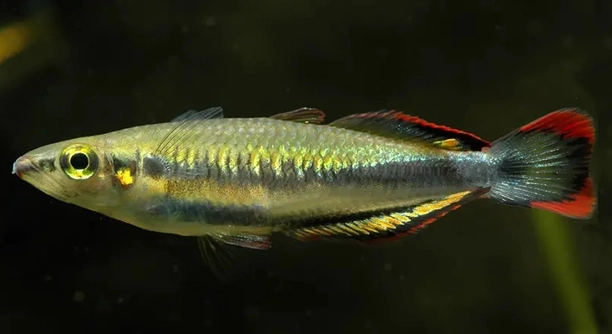
Rainbowfish are colorful and lively, but their moods can change unexpectedly. Many fish owners notice sudden shifts in behavior, from hiding to hyperactivity. These mood swings are influenced by several changes in their environment and care routines.
Mood swings in rainbowfish are primarily caused by alterations in water quality, temperature fluctuations, changes in diet, social interactions, tank decorations, lighting conditions, and stress levels. Each factor can significantly affect their behavior and overall well-being.
Learning about these changes will help you maintain a stable and healthy environment for your rainbowfish, ensuring they remain active, vibrant, and comfortable in their habitat.
Changes in Water Quality
Rainbowfish are sensitive to the quality of their water. Sudden shifts in pH, hardness, or cleanliness can stress them, causing unusual behavior like darting around, hiding, or refusing food. Even small amounts of leftover chemicals from cleaning or tap water treatments may trigger mood changes. Regular testing of ammonia, nitrites, and nitrates helps keep conditions stable. Fish thrive when water parameters remain consistent and predictable. I’ve noticed that even slight variations in temperature or mineral content can make rainbowfish irritable or lethargic. Maintaining proper filtration and doing partial water changes weekly keeps their habitat balanced. Using a reliable water conditioner can prevent harmful chemicals from affecting them. Observing their reactions after changes can help you identify sensitive fish and adjust care routines accordingly. Keeping water stable is not just about cleanliness but also about creating an environment where rainbowfish feel safe and secure, reducing sudden mood swings.
Monitoring water regularly reduces stress and keeps rainbowfish behavior calm, alert, and predictable.
Small changes in water composition can have lasting effects on mood. Consistent conditions create stability and prevent behavioral disruptions. Fish respond to water that matches their natural preferences, and even minor inconsistencies may lead to stress signals. Ensuring stable temperature, pH, and cleanliness allows rainbowfish to display normal swimming, feeding, and social behaviors. Observing reactions after adjustments provides insight into each fish’s tolerance, helping you maintain a peaceful aquarium.
Temperature Fluctuations
Rainbowfish react quickly to temperature shifts, which can affect energy levels and social interactions.
Even a few degrees up or down can make them sluggish or overly active. Sudden heating or cooling stresses them, triggering mood swings. Keeping the tank at a consistent range suited to the species reduces stress. Using a reliable heater and thermometer ensures precision. When I accidentally let the temperature drop overnight, the rainbowfish became unusually skittish, hiding for hours. Gradual changes in temperature are better than sudden adjustments. Seasonal shifts should be accounted for by monitoring room temperature and adjusting the tank heater accordingly. Consistent warmth helps maintain metabolism, appetite, and swimming patterns. A steady temperature also supports immunity and reduces vulnerability to disease, which indirectly influences behavior. Small practices like checking the thermometer daily, avoiding direct sunlight on the tank, and using a heater with stable output can prevent unnecessary mood swings. These steps create a stable environment where rainbowfish feel secure and active.
Temperature control is essential to keeping rainbowfish energetic, social, and stress-free in their habitat.
Changes in Diet
Rainbowfish can become moody if their diet changes suddenly. Switching foods or feeding inconsistent amounts may cause stress, affecting activity and social behavior.
Providing a balanced diet with high-quality flakes, pellets, and occasional live or frozen foods keeps rainbowfish healthy. I noticed when I skipped a few feedings or introduced a new brand too quickly, my fish hid more and seemed restless. Gradual changes in diet allow their digestive systems to adjust and prevent aggression over food. Consistent feeding schedules help maintain normal behavior, energy levels, and vibrant colors. Variety is important, but abrupt changes can create stress that leads to mood swings. Feeding small amounts multiple times a day rather than one large meal supports metabolism and reduces competition among fish. Overfeeding can also cause bloating or water quality issues, which indirectly affects mood. Observing how each fish reacts to new foods helps maintain a diet that promotes calm and active behavior, making the tank a stable environment.
Balanced feeding routines prevent stress, supporting healthy behavior and stable moods in rainbowfish.
Even minor dietary changes can trigger visible mood swings. Fish respond to familiar foods and feeding patterns. I’ve seen shy rainbowfish become aggressive over a new pellet or refuse meals entirely. Maintaining consistency with gradual transitions prevents stress, supports growth, and keeps their energy steady. Offering occasional live treats encourages natural foraging without upsetting the established routine.
Social Interactions
Rainbowfish mood shifts often occur when their social environment changes. Adding or removing tank mates can create tension and stress.
I’ve observed that even introducing a single new rainbowfish can cause temporary hiding or erratic swimming as existing fish reestablish hierarchy. Similarly, removing a dominant fish can trigger anxiety in others. Maintaining stable groups and providing enough space reduces conflicts. Ensuring that each fish has room to swim freely and access to hiding spots minimizes aggression. Observing interactions helps identify bullied or stressed individuals, allowing adjustments before mood swings become prolonged. Overcrowding worsens competition and increases stress levels, so balancing the number of fish with tank size is crucial. Social stability encourages calmer behavior, regular feeding, and healthy activity patterns. Planning introductions carefully and maintaining harmony improves overall well-being and reduces unexpected mood changes.
Properly managed social dynamics help rainbowfish remain peaceful, active, and confident in their aquarium environment.
Tank Decorations
Rainbowfish react strongly to their surroundings. Sudden changes in tank decorations can make them anxious or unsettled.
Adding or removing plants, rocks, or hiding spots affects their sense of security. I’ve noticed that my rainbowfish sometimes hide more or swim nervously after rearranging the tank. Keeping some familiar structures helps them feel safe.
Lighting Conditions
Inconsistent lighting can impact rainbowfish moods. Too much brightness may stress them, while too little light can make them inactive. I keep the tank on a steady schedule, using timers to mimic natural day and night cycles. Stable lighting supports normal swimming, feeding, and social behaviors.
Stress Levels
Rainbowfish become moody when exposed to constant stress. Loud noises, sudden movements, or frequent handling can cause fear and agitation.
Temperature Spikes
Unexpected temperature spikes can upset rainbowfish behavior. Even brief increases make them more restless, affecting eating patterns and social interactions. Monitoring the heater and keeping the environment stable prevents unnecessary mood swings and keeps the fish active and calm.
FAQ
What are the main signs that my rainbowfish is experiencing mood swings?
Rainbowfish showing mood swings often display changes in swimming patterns, such as hiding, darting, or staying in one area. Appetite may decrease, and social interactions with other fish can shift. Color fading or unusual aggression are also common signs. I’ve noticed subtle changes first in their behavior before color shifts become noticeable. Monitoring daily activity helps detect early stress and prevent further issues.
How often should I test the water to prevent mood swings?
Testing water weekly is usually enough for stable tanks, but new setups or recent changes may require more frequent checks. Parameters like pH, ammonia, nitrites, and nitrates are crucial. I keep a small log to track trends, which helps me catch problems early and maintain consistent water quality.
Can changing the diet too quickly affect rainbowfish moods?
Yes. Sudden diet changes can make rainbowfish irritable, hide more, or refuse food. Introducing new foods gradually over several days allows them to adjust. I usually mix a small amount of the new food with their usual diet and increase it slowly while monitoring behavior. This keeps them calm and prevents digestive issues.
Do tank size and decoration affect rainbowfish behavior?
Absolutely. Crowded tanks or lack of hiding spots increase stress and trigger mood swings. Rearranging decorations suddenly can also unsettle them. I ensure there are enough plants, rocks, and open swimming space. Keeping some familiar structures in the same place helps rainbowfish feel secure while exploring their environment.
How do lighting changes impact rainbowfish moods?
Inconsistent or extreme lighting stresses rainbowfish, affecting activity and feeding. Too bright lights can make them hide, while too dim lighting can reduce energy and social interactions. I use a timer to maintain a natural day-night cycle. This consistency keeps them active, colorful, and less prone to mood swings.
Will temperature fluctuations cause permanent behavior changes?
Minor fluctuations usually cause temporary stress, but frequent or extreme changes can lead to long-term behavioral issues. I keep the tank heater stable and monitor temperatures daily. Gradual adjustments are safe, but sudden spikes or drops make rainbowfish restless and affect feeding and swimming patterns.
Can social dynamics lead to mood swings?
Yes. Adding or removing fish can disrupt established hierarchies, causing hiding, aggression, or anxiety. I introduce new fish slowly and observe interactions closely. Overcrowding or mismatched species also creates stress. Ensuring proper group size and compatible tank mates helps rainbowfish stay peaceful and maintain consistent behavior.
What are simple ways to reduce stress for rainbowfish?
Maintaining stable water, temperature, diet, and lighting is key. Minimizing sudden movements near the tank and providing hiding spots helps too. I try to avoid excessive handling and loud noises. Small, consistent routines make rainbowfish feel safe, encouraging normal activity, proper feeding, and social interactions.
How do I know if a mood swing is serious?
Persistent hiding, refusal to eat, color fading, or aggression over several days indicates a problem. I monitor behavior carefully and check water parameters. If changes continue despite stable conditions, it may signal illness or stress that requires intervention from a veterinarian or aquatic specialist.
Can rainbowfish recover quickly from stress?
Yes, if the cause is addressed promptly. Correcting water quality, temperature, diet, or social conditions often restores normal behavior. I’ve found that once their environment is stable, rainbowfish gradually regain energy, appetite, and normal social interactions. Consistency is essential to prevent future mood swings.
Are certain rainbowfish species more sensitive than others?
Some species, like Boesemani rainbowfish, are more reactive to environmental changes. I adjust care accordingly, providing stable conditions and gradual transitions. Understanding species-specific needs helps minimize stress and keeps their behavior predictable, reducing mood swings in sensitive fish.
How can I prevent future mood swings?
Consistency is key. Regular water testing, stable temperature, gradual dietary changes, proper lighting, and careful management of tank mates all contribute to stable moods. I maintain simple routines, observe behavior daily, and make small adjustments as needed. Prevention is always easier than correcting prolonged stress.
Rainbowfish are beautiful and lively fish, but they are sensitive to changes in their environment. Mood swings in these fish often reflect shifts in water quality, temperature, diet, social interactions, lighting, decorations, or stress levels. Each of these factors affects their daily behavior, energy, and social patterns. By paying close attention to their tank conditions and daily routines, you can help keep rainbowfish calm, healthy, and active. I’ve noticed that even small, consistent adjustments in care can have a big impact on their behavior. Simple steps like keeping the water clean, maintaining a steady temperature, and feeding a balanced diet can prevent many issues before they start. It’s important to observe your fish regularly because subtle changes in swimming, appetite, or color often signal early stress. Addressing these signs promptly ensures that mood swings do not develop into more serious health problems. Over time, creating a stable environment allows rainbowfish to display natural behaviors, interact peacefully, and enjoy a healthier life in their tank.
Understanding the needs of rainbowfish helps reduce unnecessary stress and supports long-term well-being. Their reactions are often linked to their surroundings and routines. For instance, a sudden change in tank decoration may seem minor to an owner, but it can trigger hiding or erratic swimming. Similarly, fluctuating water conditions or inconsistent feeding schedules can make even the healthiest fish appear moody. I’ve learned that gradual changes and maintaining stability are crucial for keeping rainbowfish balanced and confident. Regular monitoring of water parameters, careful observation of behavior, and ensuring enough space and hiding spots all contribute to a calm environment. Social dynamics also play a significant role. Introducing new fish or removing existing ones without preparation can create tension and disrupt established hierarchies, leading to aggression or anxiety. By managing tank mates thoughtfully and avoiding overcrowding, rainbowfish can maintain normal social behavior. Lighting is another key factor, as consistent light cycles prevent stress and support natural activity patterns. By paying attention to these details, it’s possible to minimize mood swings and promote overall health.
Taking the time to provide a stable and predictable environment for rainbowfish is rewarding for both the fish and the owner. Watching them swim energetically, interact socially, and display vibrant colors reflects good care and proper management. I’ve found that consistency in diet, water quality, temperature, and social conditions creates a sense of security for these fish. When they feel secure, rainbowfish are more likely to explore, feed well, and interact with other fish in the tank. Stress reduction is central to maintaining these behaviors. Avoiding loud noises, sudden movements near the tank, or frequent handling can help keep them calm. Gradual adjustments when changes are necessary, like introducing new food or rearranging decorations, allow rainbowfish to adapt without anxiety. Over time, these practices build trust between the fish and their environment, leading to fewer mood swings and healthier overall behavior. Observing their daily habits and responding promptly to early signs of stress ensures that rainbowfish thrive in captivity. Providing care that balances consistency with minor enrichment encourages active, confident, and vibrant fish, making the aquarium a pleasant and stable home.

Hello,
If you enjoy the content that we create, please consider saying a "Thank You!" by leaving a tip.
Every little bit helps us continue crafting quality advice that supports the health, happiness, and well-being of pets around the world, for pets of all shapes, sizes, and species.
We really appreciate the kindness and support that you show us!