
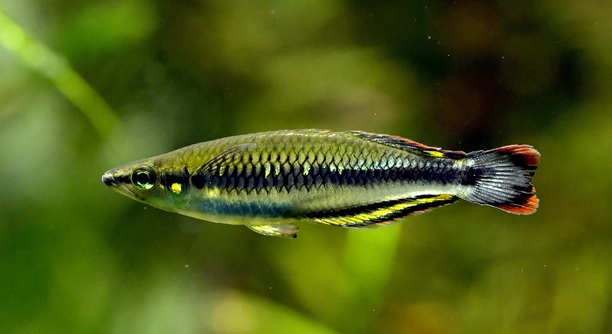
Rainbowfish are known for their vibrant colors and active swimming, yet some owners notice their fish spending most of the time hidden. This behavior can be concerning and confusing, especially when the fish seems healthy and well-fed.
Rainbowfish often hide due to stress, poor water conditions, insufficient hiding spots, illness, aggressive tank mates, sudden changes in environment, or lack of proper lighting. Addressing these factors can help reduce hiding behavior and improve the fish’s overall wellbeing.
Observing your rainbowfish’s habits and environment closely can reveal the underlying causes of hiding, helping you create a more comfortable and secure habitat for them.
Stress in the Aquarium
Rainbowfish are sensitive to changes in their environment, and stress can cause them to hide frequently. Loud noises, sudden movements near the tank, or overcrowding can make the fish feel unsafe. Even small disturbances, like tapping on the glass or moving decorations, can trigger hiding behavior. Ensuring a calm environment helps the fish feel secure and encourages normal activity. Maintaining a consistent feeding schedule also reduces stress, as rainbowfish thrive on routine. Overhandling or frequent water testing can add to their discomfort. Stress can also weaken the immune system, making them more susceptible to illness. Observing your fish’s reactions to the tank environment provides insight into potential stressors. Adjusting lighting, providing ample hiding spots, and minimizing abrupt changes can improve their comfort. Even minor modifications, such as rearranging decorations slowly or reducing sudden vibrations, contribute to a less stressful habitat. A relaxed environment encourages rainbowfish to explore rather than remain hidden.
Stress affects rainbowfish behavior, often leading to frequent hiding and reduced interaction within the tank.
Small adjustments in tank management and environment can significantly reduce stress, making your rainbowfish more active and visible.
Water Quality Issues
Poor water quality is a major factor that causes rainbowfish to hide. High levels of ammonia, nitrites, or nitrates can make them feel unsafe and stressed. Regular water testing is essential to monitor these parameters. Maintaining a stable pH, temperature, and hardness ensures the fish remain healthy. Frequent water changes remove toxins and replenish essential minerals, keeping the aquarium environment safe. Uneaten food and waste can quickly pollute the water, so cleaning the substrate and filter regularly is important. Sudden changes in water conditions, such as temperature spikes, also prompt hiding. Introducing new fish without proper quarantine can disrupt water balance and create stress. Using a reliable filtration system helps maintain clarity and cleanliness, supporting the fish’s natural behavior. Properly conditioned water encourages rainbowfish to swim openly rather than seek shelter. Understanding the importance of water quality ensures the long-term health and comfort of your rainbowfish.
Maintaining optimal water conditions is critical to preventing rainbowfish from hiding excessively.
Consistent monitoring, partial water changes, and careful management of aquarium parameters create a safe and stable environment. Healthy water supports vibrant activity, improves coloration, and reduces stress, allowing rainbowfish to display their natural behavior. Neglecting these factors often results in prolonged hiding, diminished appetite, and increased susceptibility to disease. By keeping water quality high, you support not only the immediate wellbeing of the fish but also their long-term health and overall lifespan. Attention to detail, including monitoring pH, ammonia, nitrite, nitrate levels, and temperature, is essential. Even small improvements, like adjusting water hardness or slowly introducing new tank mates, can prevent stress-related hiding. Clean water ensures that rainbowfish feel secure, confident, and ready to explore their surroundings. Consistent care leads to a thriving aquarium where fish are visible, active, and healthier, providing a more enjoyable experience observing them.
Lack of Hiding Spots
Rainbowfish need places to feel safe. Without sufficient plants, caves, or decorations, they will stay hidden in corners, avoiding open areas.
Providing varied hiding spots encourages natural behavior. Dense plants, driftwood, or small caves allow rainbowfish to retreat when stressed. Open swimming areas paired with shelter give them choice and control over their environment. Observing which spots they prefer can help you adjust tank layout. Rotating decorations slowly keeps the environment interesting without causing sudden stress. Too few shelters may lead to constant hiding, while well-placed cover promotes activity. Creating layers of hiding spaces at different levels helps fish feel secure while exploring. Properly spaced plants also reduce aggressive interactions from other tank mates. Ensuring multiple safe areas encourages confidence and reduces prolonged stress.
The type and placement of hiding spots influence rainbowfish behavior and overall comfort.
Consistently arranging shelters, caves, and plants in the tank supports natural movement patterns. Varied structures encourage exploration, reduce stress, and help rainbowfish display active, healthy behavior, instead of remaining secluded for long periods. Observing which areas they use most can guide future tank adjustments.
Aggressive Tank Mates
Rainbowfish may hide when housed with aggressive or territorial fish. Conflicts or chasing force them into shelter frequently, affecting feeding and swimming habits.
Aggression from other fish creates persistent stress, leading rainbowfish to avoid open areas. Compatibility in species, size, and temperament is key when selecting tank mates. Introducing new fish gradually and monitoring interactions prevents bullying. Rearranging decorations or adding visual barriers reduces tension, allowing rainbowfish to feel safe. Even subtle displays of dominance, like fin nipping or chasing, trigger hiding. Separating aggressive individuals or choosing peaceful companions encourages balance in the tank. Observing interactions and adjusting the environment helps maintain a calm, secure habitat. Well-planned community setups minimize hiding and allow rainbowfish to exhibit natural activity levels.
Tank mate behavior directly affects rainbowfish comfort and visibility.
Careful selection and monitoring of companions, combined with strategic tank layout, create a peaceful environment where rainbowfish feel secure, active, and visible without constant stress.
Sudden Environmental Changes
Rainbowfish react strongly to abrupt changes in their environment. Moving the tank, altering lighting, or shifting decorations can cause immediate hiding behavior.
Even small fluctuations in temperature or water chemistry can make them feel unsafe. Maintaining a stable, consistent environment minimizes stress and encourages normal activity.
Illness or Parasites
Sick rainbowfish often retreat to hiding spots to conserve energy and avoid potential threats. Symptoms like faded colors, clamped fins, or slow movement indicate health issues. Prompt attention, including water testing and possible treatment, helps prevent further deterioration. Observing subtle behavioral changes is crucial for early detection.
Improper Lighting
Bright or inconsistent lighting can make rainbowfish uncomfortable, leading them to hide. Soft, diffused light with natural day-night cycles promotes visible, healthy activity.
Why is my rainbowfish hiding all the time?
Rainbowfish hide when they feel stressed, unsafe, or uncomfortable in their environment. Common causes include aggressive tank mates, sudden changes in water conditions, or insufficient hiding spots. Ensuring a calm, stable tank with proper shelters encourages them to swim openly and reduces hiding behavior.
How can I reduce stress in my rainbowfish?
Stress is minimized by maintaining stable water conditions, consistent temperature, and proper lighting. Avoid sudden movements near the tank and loud noises. Providing plenty of plants, caves, and hiding spots gives the fish a sense of security and choice, which reduces stress and promotes natural activity.
What water parameters do rainbowfish prefer?
Rainbowfish thrive in clean, well-maintained water with stable parameters. Ideal temperature ranges from 74°F to 78°F, pH between 6.5 and 7.5, and moderate hardness. Regular testing for ammonia, nitrites, and nitrates is crucial. Partial water changes and proper filtration keep the environment safe and comfortable for your fish.
Can aggressive tank mates cause hiding?
Yes, aggressive or territorial fish can force rainbowfish to hide constantly. They may be chased or nipped at, which creates stress. Choosing peaceful tank mates, monitoring interactions, and adding visual barriers like plants or decorations helps rainbowfish feel safe and encourages them to swim freely.
Do rainbowfish hide when they are sick?
Sickness often causes rainbowfish to retreat. Illnesses, parasites, or infections can make them weak, lethargic, and less willing to explore. Faded colors, clamped fins, or rapid breathing are warning signs. Promptly testing water quality and treating illnesses can prevent further health decline and encourage recovery.
How important are hiding spots in the tank?
Hiding spots are essential for rainbowfish comfort. Plants, driftwood, and small caves provide shelter and reduce stress. Even in a peaceful tank, fish need places to retreat occasionally. Multiple hiding spots at different levels of the tank give rainbowfish control over their environment and improve overall wellbeing.
Does lighting affect hiding behavior?
Improper lighting can make rainbowfish uncomfortable. Bright, harsh, or inconsistent lighting often leads to prolonged hiding. Using soft, diffused light and mimicking natural day-night cycles helps rainbowfish feel secure. Adjusting lighting gradually when making changes prevents stress and encourages active swimming.
Can I encourage my rainbowfish to come out of hiding?
Yes, you can encourage visibility by improving water quality, adding shelters, reducing aggression from other fish, and maintaining consistent conditions. Gradually introducing new tank mates or rearranging decorations slowly helps fish adapt without stress. Patience and observation are key to fostering confident, active rainbowfish.
How often should I check my tank conditions?
Regular monitoring is crucial. Weekly testing of pH, temperature, ammonia, nitrites, and nitrates ensures a healthy environment. Observing fish behavior daily also helps detect early signs of stress or illness. Maintaining consistent conditions prevents prolonged hiding and supports long-term health and vibrant activity.
Can overcrowding cause hiding?
Overcrowded tanks increase stress and force rainbowfish to compete for space and resources. Insufficient swimming areas and hiding spots lead to prolonged retreat. Ensuring proper tank size, balanced population, and adequate shelter reduces stress and encourages natural behavior, allowing rainbowfish to explore and thrive in their environment.
Are sudden changes in feeding schedules a problem?
Yes, inconsistent feeding times can stress rainbowfish. They respond well to routine, which makes them feel secure. Feeding at the same times daily with appropriate amounts encourages healthy activity, reduces stress, and prevents prolonged hiding due to anxiety or uncertainty.
Does tank decoration placement matter?
Placement of plants, rocks, and caves impacts rainbowfish comfort. Properly spaced hiding spots and open swimming areas balance safety and exploration. Rearranging decorations too quickly can stress fish. Gradual adjustments and observing their preferred areas improve confidence, activity, and overall wellbeing.
How can I tell if hiding is normal behavior?
Occasional hiding is natural, especially after sudden changes or during nighttime. Constant hiding, lack of appetite, or signs of illness indicate stress or health issues. Observing patterns and considering tank conditions helps differentiate normal behavior from problems requiring intervention.
What should I do if my rainbowfish never comes out?
Evaluate water quality, tank mates, hiding spots, and lighting. Addressing these factors often encourages activity. If hiding persists despite proper conditions, consult a veterinarian specializing in fish health. Early intervention prevents long-term stress or illness and supports a healthier, more confident rainbowfish.
Is it okay to have only one rainbowfish?
Rainbowfish are social and thrive in small groups. A single fish may feel insecure, increasing hiding behavior. Keeping at least three to six rainbowfish together provides social interaction, reduces stress, and encourages natural swimming patterns, improving overall visibility and comfort in the tank.
How do I prevent hiding in a new tank?
Introduce fish gradually, provide ample hiding spots, and maintain stable water parameters. Avoid aggressive species and ensure proper lighting. Observing their behavior during the first days helps detect stress early. Gradual acclimation reduces hiding and promotes healthy exploration, helping rainbowfish adjust confidently to their new home.
Rainbowfish hiding is a common behavior that can stem from several environmental or health-related factors. Understanding why they hide is key to improving their comfort and wellbeing. Stress, water quality, aggressive tank mates, sudden changes in the tank, lack of hiding spots, improper lighting, or illness can all contribute to this behavior. Observing your fish closely and maintaining a consistent and stable environment can significantly reduce hiding and encourage more natural, active behavior. Even small adjustments in tank layout, lighting, or water maintenance can make a noticeable difference in their confidence and activity levels. A calm, well-maintained tank creates a sense of security for rainbowfish, allowing them to explore openly without fear.
Providing adequate hiding spots is essential for rainbowfish to feel safe and secure. Plants, driftwood, and small caves give them retreat areas when they feel threatened or stressed. Well-placed decorations create both shelter and open swimming areas, encouraging activity while offering protection. Multiple hiding spaces at different levels of the tank allow fish to choose where they feel most comfortable. Observing which areas your rainbowfish prefer can help you fine-tune the tank layout. Even in a peaceful environment, having places to retreat reduces stress and supports natural behavior. Along with hiding spots, maintaining proper water conditions, stable temperatures, and a consistent feeding schedule helps reinforce a secure habitat.
Monitoring tank conditions and fish behavior regularly ensures long-term health and reduces hiding. Testing water for pH, ammonia, nitrites, nitrates, and temperature stability helps prevent stress-related behavior. Watching for signs of illness, including faded colors, clamped fins, or lethargy, allows early intervention and treatment. Selecting compatible tank mates and avoiding overcrowding further supports comfort and reduces anxiety in rainbowfish. By creating a stable, well-structured environment, rainbowfish are more likely to swim confidently and display vibrant colors. Small, consistent efforts in tank management and observation build a healthy, secure habitat, allowing your rainbowfish to thrive and remain active rather than staying hidden for extended periods.

Hello,
If you enjoy the content that we create, please consider saying a "Thank You!" by leaving a tip.
Every little bit helps us continue crafting quality advice that supports the health, happiness, and well-being of pets around the world, for pets of all shapes, sizes, and species.
We really appreciate the kindness and support that you show us!