
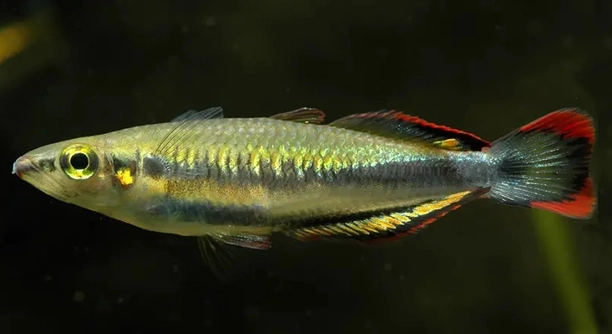
Rainbowfish are small, colorful freshwater fish often admired for their shimmering scales and active behavior. Many fish owners enjoy observing their movements throughout the day and night in aquariums. Their patterns can be subtle but interesting to notice.
Rainbowfish are primarily diurnal, meaning they are most active during daylight hours. They rest or hide at night, following natural light cycles. This behavior helps them feed efficiently, avoid predators, and maintain overall health in captivity and the wild.
Learning about their daily habits can improve tank care and help create a more natural environment for your fish. Observing their routines allows for better feeding and interaction strategies.
Understanding Rainbowfish Activity Patterns
Rainbowfish spend most of their time swimming actively during the day. Their bright colors are more visible in daylight, helping them communicate and establish territories. In the morning, they often explore the tank or river areas for food, grazing on small insects and plant matter. As the day continues, they may interact with other fish, occasionally chasing or displaying behaviors to assert dominance. When night approaches, their activity slows, and they often hide among plants, rocks, or decorations. This resting period is essential for their health, allowing them to conserve energy and recover from daily activity. Observing their movements during daylight can reveal subtle differences in species behavior. Some may prefer staying near the surface, while others remain closer to the bottom. Water quality, temperature, and tank lighting can influence these patterns. Maintaining a consistent environment helps rainbowfish follow their natural rhythm, keeping them active and vibrant during the day and calm at night.
Their daytime activity is not only a natural trait but also an indicator of good health. Active fish tend to show brighter colors and regular feeding habits.
Understanding these activity patterns allows better planning for feeding and tank arrangement. Adjusting light duration and providing hiding spots can replicate natural conditions. Over time, this helps the fish feel secure and reduces stress. Observing their preferred areas and peak activity times can guide where to place decorations, plants, and feeding stations. Providing live or frozen food in the morning often encourages natural foraging behavior. Watching how different species interact also reveals social hierarchies and compatibility. Some rainbowfish enjoy schooling together, while others may claim specific areas, especially during feeding. By monitoring daily patterns, owners can detect early signs of illness or discomfort. Sudden changes in activity may indicate water quality issues, stress, or health problems. Supporting natural rhythms through consistent light cycles, temperature, and tank maintenance ensures rainbowfish remain healthy, vibrant, and lively companions over time.
Adjusting Your Tank for Diurnal Fish
Setting up your tank with clear lighting cycles helps rainbowfish thrive. They respond best to consistent day and night periods.
Providing hiding spots and plants encourages natural resting behavior at night. Bright daylight encourages activity, while dimmer evening lighting signals rest. Feeding schedules aligned with daylight hours enhance health and reduce stress. Tankmates should match their activity patterns to avoid conflict. Gradual light transitions can prevent sudden stress. Observing their responses to different setups allows for adjustments that improve comfort. Using floating plants, rocks, and driftwood helps mimic their natural habitat, giving them safe areas to explore or hide. Water movement should be gentle, reflecting calm river or stream conditions. Avoid abrupt changes in lighting or temperature to maintain stability. By replicating natural day and night cues, rainbowfish remain active, healthy, and colorful, making the tank more enjoyable to observe. Attention to these details ensures their physical and behavioral needs are met consistently.
Feeding Habits of Rainbowfish
Rainbowfish eat most actively during daylight hours, preferring small insects, flakes, or frozen foods. Their appetite slows as evening approaches, making morning and afternoon feeding most effective. Consistent schedules help them stay healthy and maintain bright colors.
Feeding them at regular times supports natural diurnal behavior. Overfeeding can cause water quality issues and stress. Observing how they respond to different foods shows their preferences. Some species enjoy grazing throughout the day, while others focus on specific meal times. Rotating foods like flakes, pellets, or live options ensures balanced nutrition. Providing small portions encourages active foraging, reducing leftover waste in the tank. Using feeding spots in different areas of the tank can stimulate movement and mimic natural searching behaviors. This approach helps maintain energy levels and vibrant coloration.
Monitoring feeding habits also allows early detection of health issues. Sudden changes in appetite, refusal to eat, or unusual behavior can indicate illness, stress, or unsuitable water conditions. By noting patterns, you can adjust feeding type, timing, or portions to support overall well-being. Feeding routines aligned with their diurnal activity ensure they get enough nutrition without compromising tank conditions. Proper care encourages natural activity, reduces aggression, and supports social interactions. Observing how they share food and interact during feeding times provides insight into their behavior, helping maintain harmony in the tank.
Tank Environment for Optimal Activity
Water temperature, light, and decoration impact rainbowfish activity levels. Stable conditions encourage consistent movement during daylight and proper rest at night.
Choosing a tank layout with open swimming spaces and hiding spots supports both activity and security. Plants, rocks, and driftwood create natural boundaries, giving fish places to explore or retreat. Gentle water flow replicates river conditions, promoting movement without stress. Light cycles should be gradual, signaling day and night clearly. Observing how fish interact with their environment helps identify ideal setup adjustments. Maintaining clean water and stable parameters prevents disruptions to activity patterns. Proper tank environment encourages natural behaviors, keeps fish healthy, and enhances colors.
Light and Its Effect on Activity
Rainbowfish rely on natural light cues to stay active. Bright daylight encourages swimming and feeding, while dim or no light signals rest. Consistent lighting helps maintain their diurnal rhythm.
Sudden changes in light can stress rainbowfish. Gradual adjustments in brightness prevent disruption to their activity patterns and promote overall well-being.
Social Behavior Patterns
Rainbowfish are generally peaceful but show clear social hierarchies during the day. They school together, communicate through body movements, and display mild chasing or nudging to establish dominance. These behaviors are more frequent in well-lit periods when they are most active. Schooling also provides safety, helping them feel secure and coordinated. Observing interactions reveals their preferred companions and areas within the tank. Stress or aggression often appears if the environment is too crowded or poorly structured. Understanding these patterns allows proper placement of tankmates and decorations, ensuring a balanced and harmonious setting that supports both activity and social health.
Nighttime Rest Behavior
Rainbowfish slow down and hide at night, often among plants or decorations. This resting behavior is vital for energy recovery.
FAQ
Are rainbowfish completely inactive at night?
Rainbowfish are not completely inactive at night. While they slow down considerably, they may still move short distances to find a safe spot. Most prefer staying hidden among plants, rocks, or decorations, conserving energy until daylight. Nighttime activity is minimal compared to their daytime routines.
How long should the lights stay on in a rainbowfish tank?
A consistent light schedule of 10–12 hours per day works best. This simulates natural daylight and supports their diurnal behavior. Gradual transitions between light and dark periods help prevent stress. Sudden changes can disrupt feeding patterns and cause unusual hiding or lethargy.
Do rainbowfish eat at night?
Feeding at night is generally unnecessary. Rainbowfish mostly eat during daylight hours when they are active. Providing food during their active periods encourages natural foraging and reduces the risk of leftover waste, which can affect water quality. Occasional nighttime feeding may confuse their natural rhythm.
Can rainbowfish adapt to irregular lighting schedules?
Rainbowfish can adapt slightly, but irregular schedules may stress them. Inconsistent lighting can cause reduced activity, duller colors, and lower appetite. Maintaining predictable day and night cycles supports normal behavior and long-term health. Using timers can help ensure lighting remains consistent.
How can I tell if my rainbowfish is stressed at night?
Signs of nighttime stress include excessive hiding, rapid gill movement, clamped fins, or unusual swimming patterns. Stress often results from poor lighting, inadequate hiding spots, or sudden environmental changes. Addressing tank setup and water quality can help rainbowfish feel secure during rest periods.
Do rainbowfish sleep like humans?
Rainbowfish do not sleep exactly like humans, but they enter a rest state at night. Their metabolism slows, and they remain mostly still. Hiding in plants or rocks offers protection, allowing them to conserve energy for daytime activity.
Is it normal for rainbowfish to change color at night?
Yes, rainbowfish often appear less vibrant at night. Colors fade as part of their natural resting behavior. This helps them stay camouflaged and reduces stress from potential predators. Color return is gradual once daylight resumes and they become active again.
Should I feed rainbowfish multiple times a day?
Feeding once or twice during daylight hours is sufficient. Small, frequent portions mimic natural foraging and prevent overfeeding. Avoid feeding right before lights go off, as nighttime activity is minimal, and uneaten food can spoil the water.
Do different species of rainbowfish have different activity patterns?
Yes, some species are more active or shy than others. Most remain diurnal, but slight variations in movement and schooling behavior exist. Observing your specific species helps tailor tank setup, feeding times, and lighting to match natural patterns.
Can tank size affect daytime activity?
Tank size directly impacts activity levels. Larger tanks provide more swimming space and exploration opportunities, supporting normal diurnal behavior. Crowded or small tanks can lead to stress, reduced activity, and aggression. Proper space and decorations encourage natural movement and interaction.
Are rainbowfish more active with certain tankmates?
Yes, they tend to be more active when housed with compatible species. Peaceful, similar-sized fish enhance social behavior and schooling. Aggressive or overly timid tankmates can reduce activity, causing hiding or stress. Observing interactions ensures a balanced environment for all fish.
How do water conditions influence diurnal behavior?
Stable temperature, pH, and cleanliness are critical. Fluctuations can reduce activity, dull colors, or increase hiding. Diurnal patterns are supported when water conditions closely resemble natural habitats. Regular maintenance ensures rainbowfish remain active, healthy, and responsive to light cues.
Can rainbowfish adjust to low-light aquariums?
Rainbowfish can tolerate dimmer conditions, but natural light cues help maintain normal activity. Low-light setups may reduce daytime activity, affect feeding, and dull coloration. Supplementing with adequate lighting ensures they follow natural diurnal rhythms.
Do rainbowfish need nighttime hiding spots?
Yes, hiding spots are essential. Plants, rocks, and decorations provide safe spaces to rest. Without adequate cover, rainbowfish may become stressed, affecting sleep, appetite, and overall health. Observing preferred resting areas allows better tank organization and comfort.
Is nighttime feeding ever recommended?
Nighttime feeding is usually unnecessary and can disrupt natural rhythms. Rainbowfish are less active at night, and uneaten food can decay, impacting water quality. Focus on feeding during daylight hours when activity and appetite are highest.
Do rainbowfish communicate differently at night?
Rainbowfish are mostly silent at night, showing minimal interaction. Daytime is when body movements, chasing, and color displays occur. Nighttime is reserved for rest, conserving energy, and maintaining health for active periods.
How can I encourage natural daytime behavior?
Consistent lighting, proper tank size, adequate hiding spots, and compatible tankmates encourage normal daytime activity. Feeding during active periods and maintaining stable water conditions support energy, social behavior, and vibrant colors. Observing patterns allows adjustments for optimal well-being.
Can diurnal behavior change with age?
Young rainbowfish may be more energetic, exploring the tank frequently. Older fish may slow down but generally retain diurnal patterns. Providing appropriate conditions supports healthy aging while keeping natural rhythms intact.
Do rainbowfish sleep together or separately?
Rainbowfish often rest near each other but not necessarily in tight groups. Schooling during the day provides safety, but nighttime hiding can be more individual. Providing multiple safe spots accommodates different preferences and reduces stress.
Is it normal for rainbowfish to wake briefly at night?
Occasional brief activity at night is normal. They may adjust position or move slightly within hiding spots. As long as most of the night is spent resting, brief movement is not a concern and reflects natural behavior.
Can stress change their diurnal patterns?
Yes, stress from poor water conditions, aggressive tankmates, or inconsistent lighting can alter activity. Fish may hide excessively or become less active during the day. Addressing environmental factors restores normal diurnal behavior and overall health.
Do rainbowfish require varied environments to stay active?
Yes, varied environments with open swimming areas and hiding spots promote natural exploration. Plants, rocks, and driftwood encourage movement and reduce boredom. A dynamic setup supports both daytime activity and nighttime rest.
Are rainbowfish more active during certain seasons?
In nature, seasonal changes can slightly influence activity. Temperature, daylight length, and food availability affect movement and feeding. In aquariums with stable conditions, these seasonal effects are minimized, but maintaining consistent light and temperature ensures predictable diurnal behavior.
Can light intensity affect their feeding habits?
Higher light intensity during the day encourages active feeding and natural foraging. Dim lighting may reduce appetite and exploration. Adjusting light to mimic natural conditions promotes healthy nutrition and normal daytime activity.
Do rainbowfish sleep in the same spot every night?
They often return to favored hiding spots but may switch locations occasionally. Preferred spots provide safety, reducing stress. Multiple hiding options in the tank allow freedom to choose based on comfort, social interactions, or environmental changes.
Is it normal for rainbowfish to swim slowly at night?
Yes, slow movement at night is normal. It conserves energy while they remain alert to surroundings. Most active swimming occurs during daylight, while nighttime is reserved for resting and minimal movement.
Can aquarium decorations influence their diurnal patterns?
Decorations create boundaries, hiding spots, and exploration areas. A well-structured tank encourages activity during the day and safe resting at night. Poorly arranged decorations may limit movement or stress the fish, affecting natural behavior and health.
Do rainbowfish interact with humans during the day?
They may recognize feeding routines and approach during active hours. Daytime interaction is more common, while nighttime rest periods reduce awareness and responsiveness. Consistent routines strengthen trust and comfort in the tank environment.
How can I tell if my rainbowfish is healthy based on activity?
Active swimming, bright colors, and regular feeding indicate good health. Lethargy, excessive hiding, or reduced appetite can signal stress or illness. Observing daily activity patterns helps detect problems early, allowing timely care.
Does tank size affect nighttime resting behavior?
Larger tanks with multiple hiding spots allow rainbowfish to rest comfortably without competition. Crowded tanks can force them into shared spaces, causing stress and disrupted rest. Proper layout ensures calm, secure nighttime periods.
Are rainbowfish more active in groups or alone?
They are generally more active in groups. Schooling promotes exploration, social behavior, and safety. Solitary fish may hide more, reduce activity, and show stress signs. Group housing enhances both daytime movement and overall well-being.
Can temperature fluctuations affect their sleep?
Yes, sudden changes in temperature can disrupt rest. Stable, species-appropriate water temperature supports normal diurnal behavior. Extreme variations may cause hiding, stress, or unusual nighttime activity. Monitoring and maintaining temperature prevents these issues.
Do rainbowfish need complete darkness to rest?
Complete darkness is ideal for signaling night. Dim light or sudden bright lights at night can disturb rest, causing stress or disrupted sleep patterns. Providing shaded areas and predictable light cycles ensures proper nighttime rest.
Can feeding at irregular times confuse their diurnal pattern?
Yes, feeding at inconsistent times may alter natural rhythms, making fish active at unusual hours. Regular daylight feeding supports normal behavior, energy levels, and overall health. Observing patterns helps refine schedules for best results.
Is schooling behavior linked to their diurnal activity?
Yes, schooling is mostly observed during daytime when fish are active. It provides safety, encourages exploration, and supports social interactions. Nighttime rest reduces movement and interaction, while schooling patterns resume once lights are on.
How does stress from tankmates affect activity?
Aggressive or incompatible tankmates can reduce daytime activity, increase hiding, or cause erratic swimming. Ensuring compatible species and adequate space preserves natural diurnal behavior, encourages feeding, and supports social balance within the tank.
Are there signs of fatigue in rainbowfish during the day?
Excessive slowing, reduced foraging, or prolonged hiding during daylight may indicate fatigue or stress. Adequate lighting, proper feeding, and enough swimming space help maintain consistent daytime activity and overall health.
Can rainbowfish adjust to different photoperiods?
They can adjust gradually, but sudden changes in light duration can stress them. Gradual adaptation maintains normal activity, feeding, and resting behavior. Using timers helps regulate light cycles and ensures stable diurnal patterns.
Do rainbowfish prefer still or flowing water during the day?
Gentle water flow encourages natural swimming and exploration without causing stress. Stagnant water may reduce activity, while strong currents can tire fish. Proper water movement supports normal daytime behavior and overall health.
How does tank maintenance affect their diurnal rhythm?
Regular cleaning and stable water parameters prevent stress and encourage normal activity. Poor maintenance can cause lethargy, hiding, or unusual swimming patterns, disrupting their natural day-night cycle. Consistency in tank care supports healthy behavior.
Do rainbowfish change behavior before molting or growth phases?
During growth or minor health changes, activity may slightly decrease. Fish may rest more or hide during vulnerable times. Observing these changes helps distinguish normal growth patterns from stress or illness.
Is it common for rainbowfish to explore more in the morning?
Yes, mornings often show peak activity as fish search for food and interact with tankmates. Daylight triggers natural movement, foraging, and social behaviors. Monitoring morning activity provides insight into overall health and energy levels.
How can I encourage schooling during the day?
Providing enough space, compatible tankmates, and consistent lighting encourages daytime schooling. Feeding together and arranging decorations to allow open swimming areas promote natural coordination and social behavior.
Do rainbowfish have preferred swimming levels?
Yes, some species prefer upper levels, others middle or bottom. Observing their natural swimming zones helps optimize feeding placement, tank layout, and decoration arrangement for maximum comfort and activity.
Can nighttime disturbances affect daytime activity?
Yes, disturbances like tapping, sudden light, or loud noises at night can stress fish, reducing daytime activity. Minimizing nighttime interruptions helps maintain natural diurnal patterns and overall health.
Do rainbowfish adjust to new tanks quickly?
Adjustment depends on environment, tankmates, and hiding spots. Proper acclimation, consistent lighting, and stable water conditions support natural diurnal behavior and reduce stress during transitions.
Are all rainbowfish species strictly diurnal?
Most are diurnal, but minor variations exist. Observing individual species helps identify peak activity times and rest periods, allowing tailored care that supports health and natural behavior.
How important is water clarity for daytime activity?
Clear water encourages exploration and active swimming. Murky or poorly maintained water can reduce movement, hiding behaviors, and stress levels. Maintaining clarity supports vibrant colors, feeding, and normal social interactions.
Do rainbowfish recognize feeding patterns?
Yes, they respond to consistent schedules, approaching feeding areas at expected times. Regular daytime feeding reinforces diurnal behavior and reduces anxiety or confusion.
How can I tell if their tankmates affect rest?
Aggressive or overly active fish can disturb hiding or sleep. Observing nighttime behavior shows whether rainbowfish feel secure. Adjusting tankmates or providing additional hiding spots ensures restful periods.
Are rainbowfish more active in planted tanks?
Yes, plants provide exploration opportunities, shelter, and boundaries. Well-planted tanks encourage swimming, foraging, and social interaction during daylight, while offering safe resting areas at night.
Do rainbowfish respond to human presence?
Mostly during daylight feeding times. Nighttime interaction is limited, as they remain hidden or resting. Consistent routines strengthen recognition and encourage natural activity during active hours.
Can stress reduce their color vibrancy?
Yes, stressed or lethargic fish may appear dull. Adequate light, proper feeding, stable water, and safe hiding spots support vibrant coloration and reinforce healthy diurnal behavior.
Do rainbowfish need both open and covered areas in a tank?
Yes, open spaces allow active swimming, while covered areas provide nighttime hiding. This combination supports natural diurnal activity, reduces stress, and encourages healthy feeding and social behavior.
Is it normal for rainbowfish to explore at night occasionally?
Occasional nighttime movement is normal, usually minimal and brief. They may shift positions or adjust hiding spots. Extended nighttime activity may indicate stress, lighting issues, or unsuitable tank conditions.
How does social interaction influence daytime activity?
Positive interactions with compatible tankmates enhance schooling, swimming, and feeding. Social dynamics during the day support natural diurnal behavior, energy levels, and overall health. Conflicts or overcrowding can suppress activity.
Are rainbowfish more sensitive to light changes than other fish?
Yes, their activity closely follows light cues. Gradual transitions between day and night prevent stress and maintain normal diurnal patterns, supporting feeding, social behaviors, and rest.
Do rainbowfish need varied terrain in the tank?
Yes, gentle slopes, open spaces, and elevated areas encourage exploration and activity. Varied terrain mimics natural habitats, supporting natural movement patterns and reducing stress.
Can daytime temperature drops affect activity?
Slight drops may reduce movement and feeding temporarily. Maintaining stable, species-appropriate temperatures ensures consistent daytime activity, vibrant coloration, and proper metabolism.
How long do rainbowfish typically rest at night?
Most rest during the full night cycle, roughly 10–12 hours depending on lighting. Short movements or adjustments are normal, but the majority of time is spent in a low-activity, energy-conserving state.
Do rainbowfish prefer community tanks or single-species tanks for activity?
Community tanks with compatible species encourage natural social behavior and schooling. Single-species tanks are also fine if tankmates are absent, but social interactions may be less diverse, affecting daytime activity levels.
Can sudden loud noises affect diurnal behavior?
Yes, loud or abrupt noises can cause hiding, stress, or reduced activity during the day. Minimizing disturbances ensures natural swimming patterns, feeding, and overall well-being.
Do rainbowfish need specific water flow levels?
Gentle, consistent water flow supports movement and foraging. Too strong a current can tire them, while stagnant water may reduce activity. Mimicking natural conditions promotes healthy diurnal behavior.
Is it normal for rainbowfish to rest in groups?
Occasionally, but not always. Group resting provides safety, while individual hiding allows comfort and reduces stress. Multiple hiding spots accommodate different preferences, supporting healthy nighttime behavior.
How can I tell if lighting is appropriate for activity?
Active swimming, regular feeding, and bright colors indicate proper lighting. Reduced movement, excessive hiding, or dull coloration may signal adjustments are needed. Timers and gradual transitions help maintain optimal diurnal behavior.
Do rainbowfish have seasonal activity peaks in aquariums?
In stable aquarium conditions, seasonal changes are minimal. Activity peaks depend on light and feeding schedules rather than external seasons. Maintaining consistent environmental factors ensures predictable diurnal patterns.
Are rainbowfish more active during feeding than other times?
Yes, feeding triggers natural foraging and movement. Aligning feeding with active daylight hours reinforces healthy behavior, stimulates exploration, and supports social interactions among tankmates.
Can diurnal activity be restored if disrupted?
Yes, restoring consistent lighting, feeding schedules, water quality, and hiding spots helps rainbowfish return to normal patterns. Observing behavior allows fine-tuning for optimal activity and overall health.
Does water chemistry influence activity levels?
Stable pH, hardness, and temperature support regular swimming, feeding, and schooling. Fluctuations can reduce activity, increase hiding, or cause stress, disrupting natural diurnal behavior. Regular monitoring maintains healthy conditions.
How do rainbowfish signal dominance during the day?
Color displays, chasing, and nudging are common. These behaviors occur mostly in daylight when active. Proper tank space and compatible tankmates prevent excessive aggression while supporting natural social interactions.
Do rainbowfish prefer different activity levels at different tank depths?
Yes, some species favor upper levels, others middle or bottom. Observing preferences helps arrange feeding, decorations, and hiding spots for natural exploration and comfortable swimming areas.
Can sudden changes in tankmates affect activity?
Introducing aggressive or overly active fish can reduce movement and increase hiding. Gradual introductions and adequate space ensure continued natural diurnal behavior and social balance.
Are rainbowfish more active when the water is clear?
Yes, clear water encourages exploration, feeding, and interaction. Murky or poorly maintained water may reduce activity, dull colors, and increase hiding, affecting overall health and behavior.
Does feeding style influence activity patterns?
Yes, spreading food in multiple areas encourages movement and natural foraging. Single-point feeding may limit swimming and exploration, reducing daytime activity. Observing preferences helps optimize feeding strategy.
Do rainbowfish need specific nighttime temperatures?
Nighttime temperatures should remain stable and within species-appropriate ranges. Sudden drops can disturb rest, increase stress, and affect daytime activity. Gradual changes support normal diurnal patterns.
Is resting behavior important for growth?
Yes, energy conserved during nighttime rest supports
Rainbowfish are fascinating little fish, and understanding their natural habits can help anyone provide better care. They are primarily diurnal, which means most of their activity happens during the day. They swim, feed, and interact with other fish when the lights are on, and they slow down or hide at night. Watching them during the day can be very rewarding, as their colors are brighter and their social behaviors are easier to observe. Providing a tank that mimics their natural environment helps them maintain these patterns. Plants, rocks, and decorations create safe spaces for hiding, while open areas give them room to swim freely. A balanced setup not only supports their physical health but also encourages natural behaviors like schooling, foraging, and exploring. Observing these behaviors carefully can also give insight into their well-being. Fish that are active, bright in color, and consistently feeding are usually healthy. Those that hide excessively, appear dull, or move irregularly may be stressed or facing environmental issues.
Lighting and feeding schedules play an important role in keeping rainbowfish active and healthy. A consistent day-night cycle helps them understand when it is time to be active and when it is time to rest. Feeding during their active periods encourages natural foraging and reduces the chance of food waste in the tank. Overfeeding or feeding at irregular times can confuse them and disturb their natural rhythms. Water conditions also influence activity and overall health. Stable temperature, clean water, and the right pH levels allow them to behave normally. Sudden changes in temperature, poor water quality, or incompatible tankmates can stress them, leading to reduced activity and hiding. A well-maintained aquarium supports their energy, color, and social interactions, making them more lively and enjoyable to observe. Taking time to adjust the tank environment to their needs ensures that rainbowfish follow their natural diurnal patterns.
Providing the right environment and understanding their behavior can make a noticeable difference in the health and happiness of rainbowfish. They thrive in tanks that balance open swimming space with safe hiding spots. Watching them interact during the day, observing how they school, feed, and respond to light, helps owners recognize normal versus unusual behavior. Nighttime rest is just as important as daytime activity, allowing them to conserve energy for the next day. Rainbowfish may seem simple at first, but paying attention to their daily rhythms reveals a lot about their needs and preferences. Ensuring a stable environment, maintaining proper light and feeding schedules, and monitoring social behavior helps them remain vibrant, active, and healthy. Understanding these patterns can make caring for rainbowfish more fulfilling and ensures that their natural habits are preserved in a home aquarium.

Hello,
If you enjoy the content that we create, please consider saying a "Thank You!" by leaving a tip.
Every little bit helps us continue crafting quality advice that supports the health, happiness, and well-being of pets around the world, for pets of all shapes, sizes, and species.
We really appreciate the kindness and support that you show us!