
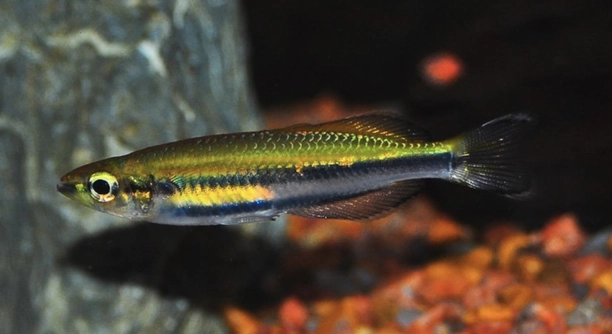
Many aquarium keepers notice bubbles rising through tanks and wonder how fish respond. Rainbowfish are active, social swimmers, and their reactions to bubbles often reflect natural curiosity, comfort, and stimulation within a maintained aquatic setting.
Rainbowfish may show attraction to bubbles primarily due to increased water movement and oxygen levels. The bubbles create visual motion and gentle currents, which can encourage exploration, reduce stress, and simulate natural stream conditions found within their native freshwater habitats.
Exploring this behavior further reveals how tank setup, aeration, and enrichment choices can influence rainbowfish activity and overall wellbeing positively.
Why Bubbles Capture Rainbowfish Attention
I have noticed that rainbowfish respond quickly to changes in their environment, and bubbles add gentle movement that breaks routine. Rising bubbles shift light, create flowing patterns, and stimulate swimming behavior without causing fear. Rainbowfish are schooling fish, so shared interaction around bubbles often appears playful and coordinated. Bubbles also signal healthy oxygen exchange, which supports active metabolism and steady energy levels. When oxygen is sufficient, rainbowfish display brighter colors and smoother swimming patterns. In tanks lacking movement, fish may appear sluggish or withdrawn over time. Bubbles help prevent that by encouraging natural motion similar to streams and rivers. For many keepers, bubbles become a simple enrichment tool that supports physical activity while maintaining water circulation and balance throughout the aquarium. This added stimulation can reduce boredom, support social behavior, and make daily observation more engaging for me as a dedicated aquarium caretaker during regular tank maintenance routines at home.
Bubbles alone do not guarantee happiness, but they often complement proper filtration and tank flow. When balanced correctly, aeration supports oxygen stability, encourages natural movement, and contributes to a calmer, more responsive rainbowfish group overall. This balance helps maintain consistent behavior patterns and supports long term tank stability for keepers.
Not every rainbowfish will interact with bubbles the same way. Some may swim directly through rising streams, while others simply remain nearby. Personality, age, and tank mates all influence reactions. I find that calmer tanks with steady bubble output see more relaxed behavior. Excessive bubbling, however, can overwhelm fish and disrupt schooling patterns. Placement also matters. Positioning air stones near the back or sides allows fish to approach freely without crowding. Observing daily responses helps adjust aeration levels to suit individual tank needs while keeping rainbowfish comfortable and active over time as conditions remain stable and predictable for them consistently.
Using Bubbles to Support Rainbowfish Care
Bubbles work best when treated as a support feature rather than decoration. Gentle aeration paired with clean water and space to swim allows rainbowfish to benefit without stress or disruption. I prefer subtle output that blends into the tank rather than dominating movement and visual focus for long term comfort.
Proper bubble use starts with choosing the right equipment. Air stones should create fine, consistent bubbles rather than large bursts. This prevents sudden water disturbance and keeps swimming patterns steady. Flow strength should match tank size and stocking levels. In smaller tanks, minimal aeration is often enough. Larger setups may need additional stones placed strategically. I usually test placement by watching how fish move throughout the day. If rainbowfish cluster tightly or avoid certain areas, adjustments are needed. Maintenance also plays a role. Clogged air stones reduce efficiency and create uneven output. Regular cleaning ensures smooth performance and consistent oxygen delivery. Bubbles should never replace filtration or water changes. They simply enhance conditions already supported by good husbandry. When used thoughtfully, bubbles can encourage activity, support oxygen balance, and contribute to a stable environment where rainbowfish thrive comfortably over time. I have found that restraint matters more than quantity. Subtle movement keeps fish confident and visible. Consistency builds trust within the tank. Over time, this approach supports healthier behavior, clearer coloration, and predictable routines that make daily care feel manageable and rewarding without causing unnecessary stress or overstimulation in shared aquatic spaces for sensitive species like rainbowfish in community tanks.
Signs Your Rainbowfish Enjoy Bubbles
Rainbowfish that enjoy bubbles often swim closer to rising streams, display brighter colors, and remain active throughout the day. I notice relaxed fins, steady schooling, and playful darting nearby, which signals comfort rather than stress when aeration levels remain balanced during consistent daily tank conditions with proper care routines maintained.
Consistent bubble interaction usually appears alongside healthy feeding habits and stable behavior. When rainbowfish feel secure, they do not scatter abruptly or hide excessively. I watch for smooth turns, even spacing within the group, and curiosity rather than avoidance. Bubbles can encourage fish to explore different tank levels, which supports muscle use and confidence. However, enjoyment depends on moderation. Too much air output can cause erratic swimming and fatigue. Monitoring reactions over several days helps determine whether bubbles are beneficial or overwhelming for the specific group being kept in carefully maintained home aquariums with stable lighting, stocking, routines, and patience.
Individual differences play a strong role in bubble response. Younger rainbowfish often appear more curious, while older fish may prefer calmer zones. Tank size, flow direction, and decor placement influence behavior as well. I have seen fish ignore bubbles entirely when hiding spaces are limited. Balanced environments allow choice, which reduces tension. Providing plants, open swimming areas, and gentle currents lets rainbowfish decide how close they want to be. This flexibility supports natural behavior and prevents forced interaction with aeration sources within shared community tanks over extended periods of observation and routine care adjustments by attentive keepers at home regularly.
When Bubbles Become a Problem
Excessive bubbling can create constant turbulence that disrupts schooling and rest. Rainbowfish may swim erratically, cling to corners, or fade in color. I take these signs seriously because they indicate overstimulation. Loud surface agitation can also interfere with feeding and calm movement. Reducing air flow often restores balance and predictable swimming patterns quickly without causing lasting stress when changes are gradual and carefully observed over several days in stable aquariums at home setups consistently maintained.
Bubble placement and output strength matter more than many realize. Air stones positioned directly under feeding zones can distract fish and disrupt routines. I avoid placing them near resting areas where rainbowfish slow down. Fine bubbles are preferable because they move water gently. Large bubbles rise fast and create sudden pressure changes. Equipment noise should also be considered, as vibration can affect sensitive fish. Adjusting aeration should be done slowly, allowing time for observation. If behavior improves after reduction, bubbles were likely excessive. Stable behavior, steady appetite, and relaxed schooling indicate proper balance. Aeration works best when it supports existing conditions rather than dominating them within thoughtfully arranged tanks that prioritize space, cover, and consistent maintenance habits developed over time through careful observation at home.
Best Bubble Placement for Rainbowfish
Positioning bubbles along the back wall gives rainbowfish space to approach or ignore them. I prefer areas with open swimming room nearby. This setup creates gentle circulation without trapping fish in constant flow, allowing natural movement, rest, and choice throughout the tank during daily activity periods for balanced aquarium conditions.
Side placement works well in larger tanks where rainbowfish school widely. I avoid center placement because it interrupts swimming paths. Gentle corner bubbling supports oxygen exchange while keeping mid tank areas calm, predictable, and comfortable. This balance helps fish remain visible, relaxed, and active without unnecessary disturbance during daily routines.
Do All Rainbowfish React the Same
Rainbowfish responses to bubbles vary based on age, temperament, and environment. I notice younger fish explore bubbles more often, while mature fish prefer stability. Tank mates also influence reactions, especially in busy community setups. Consistent lighting, feeding schedules, and decor reduce stress and allow true behavior to show. When conditions change often, bubble interaction becomes unreliable as a signal. Observation over time matters more than single moments. Watching daily patterns helps separate curiosity from stress responses. Each group develops its own comfort range, and respecting those limits supports long term health, color, and predictable activity levels within the aquarium environment.
Balancing Bubbles With Tank Decor
Plants, wood, and rocks soften water movement created by bubbles. I rely on decor to break flow and provide resting zones. This prevents constant motion from dominating the tank. When bubbles and decor work together, rainbowfish move confidently, choose comfort, and display steady behavior throughout the day in home aquariums.
How do rainbowfish react to bubbles in the tank?
Rainbowfish often approach bubbles with curiosity rather than fear. I notice that they swim closer to rising streams, circle gently, or even dart through them occasionally. This behavior typically reflects comfort and engagement rather than stress. Younger fish tend to explore more actively, while older or more reserved fish may remain nearby without direct interaction. Patterns of schooling also influence reactions. If one fish moves toward a bubble, others often follow, creating synchronized movement. Bubbles provide a subtle environmental change that encourages natural swimming patterns, supports exercise, and maintains alertness. However, responses depend on tank conditions, individual temperament, and placement of the air source.
Do bubbles improve oxygen levels for rainbowfish?
Yes, bubbles help oxygenate the water by increasing surface agitation, which enhances gas exchange. I have observed that tanks with consistent bubble output show more active rainbowfish and brighter colors, as oxygen supports metabolism and activity. While bubbles alone cannot replace proper filtration or water maintenance, they enhance the environment and complement existing systems. Correct placement ensures water circulation without causing turbulence that can stress fish. I usually monitor swimming patterns and behavior to confirm that aeration levels are beneficial, adjusting air flow if fish appear overwhelmed or avoid the bubbled area.
Can too many bubbles harm rainbowfish?
Excessive bubbles can create strong currents, causing erratic swimming and stress. I have seen rainbowfish cling to corners or fade in coloration when air flow is too high. Sudden, large bubbles disturb schooling and feeding patterns, especially in smaller tanks. Fine, gentle bubbles positioned strategically reduce these risks. Gradual adjustments help avoid shock, allowing fish to adapt to environmental changes safely. Observing daily behavior is essential to prevent overstimulation and maintain a comfortable balance between oxygenation and swimming stability in the tank.
How should I place bubbles in a community tank?
Placement matters for both comfort and tank aesthetics. I prefer back or side walls where fish can approach or avoid bubbles freely. Avoiding central placement prevents disruption of swimming paths and schooling formations. Decor can help diffuse flow, creating calmer zones where rainbowfish can rest. In community tanks, it is especially important to consider tank mates, as some species may be more sensitive to water movement. Strategic positioning allows gentle circulation while minimizing conflict or overcrowding, maintaining harmony and predictable behavior across all species in the aquarium.
Are all rainbowfish attracted to bubbles the same way?
No, individual fish react differently based on age, temperament, and tank conditions. I notice younger rainbowfish explore more, while older fish prefer stability. Schooling behavior and tank mates also influence interactions with bubbles. Observation over several days helps identify patterns, as reactions can change with environmental adjustments. Consistent lighting, feeding, and decor create predictable conditions, allowing true preferences to emerge. I adjust aeration based on these observations to ensure comfort, activity, and overall wellbeing, rather than assuming all fish respond identically to bubbles in the same tank setup.
Do bubbles replace other forms of enrichment?
Bubbles are supportive, not a replacement for proper tank enrichment. Plants, rocks, and driftwood provide resting spots and break up water movement, which complements aeration. I rely on this combination to encourage natural exploration without forcing interaction with bubbles. Enrichment should provide choice, allowing rainbowfish to decide when and where to swim. Proper husbandry, including filtration, water changes, and nutrition, remains the foundation. Bubbles enhance the environment, encourage activity, and stimulate curiosity while maintaining comfort, but they are most effective when used as part of a broader approach to maintaining stable, healthy, and enriched aquariums.
How can I tell if bubbles are beneficial or stressful?
Behavioral observation is key. I look for relaxed fins, smooth swimming, and consistent schooling as signs of benefit. Conversely, erratic movement, hiding, or faded color indicates stress. Adjusting air flow, repositioning air stones, or reducing bubble output usually restores comfort. Responses may vary between individuals and across tank conditions. Monitoring over time helps differentiate curiosity from discomfort. Small, gradual changes prevent shock and maintain predictable patterns. The goal is balanced activity, proper oxygenation, and reduced stress, ensuring rainbowfish display natural behavior, coloration, and energy levels while enjoying their environment safely.
Rainbowfish respond to bubbles in ways that reflect their natural curiosity and comfort levels. In my experience, bubbles act as a simple form of environmental enrichment, encouraging movement and interaction without overwhelming the tank. I have observed fish swimming near rising streams, exploring currents, and displaying coordinated schooling behaviors that suggest they feel secure. The presence of bubbles also contributes to water circulation and oxygen distribution, supporting healthy metabolism and steady activity. While individual reactions differ, most rainbowfish show signs of engagement when bubbles are moderate and placed thoughtfully. Younger fish tend to investigate more actively, whereas older or more reserved fish often stay nearby without directly interacting. Monitoring their behavior over time provides insight into how much aeration is beneficial and helps identify when adjustments are necessary to maintain comfort and stability in the tank.
Bubbles alone are not a substitute for proper tank care, but they complement other elements that support rainbowfish wellbeing. Filtration, regular water changes, and proper feeding remain essential for healthy, active fish. I have found that combining gentle aeration with well-placed decor creates zones where rainbowfish can rest or swim freely. Plants, driftwood, and rocks soften water movement and allow fish to control their environment, choosing whether to approach or avoid bubbles. In community tanks, observing interactions with tank mates is important because other species may respond differently to currents and bubbles. Gradual adjustments in air flow and placement help maintain predictable routines, reduce stress, and prevent erratic swimming. Over time, this balance supports natural behavior, coloration, and overall health, ensuring that rainbowfish remain active and comfortable in a stable environment.
Maintaining the right bubble balance requires attention and observation. Too strong or excessive bubbling can disrupt swimming patterns, interfere with feeding, and cause stress. I usually test different placements and output levels while watching daily behavior to determine what works best for the specific tank setup. Subtle, fine bubbles are generally preferable, producing gentle water movement without sudden turbulence. Consistent monitoring allows me to adapt to changing conditions, such as stocking levels, tank size, and fish temperament. When managed thoughtfully, bubbles enhance the habitat, providing stimulation and gentle oxygenation while preserving natural swimming patterns and social behavior. Ultimately, using bubbles as a supportive feature rather than the focus ensures that rainbowfish benefit from a calm, enriched, and well-maintained aquarium environment. This approach encourages long-term health, steady activity, and visual vibrancy, creating a balanced tank that meets both the fish’s needs and practical care requirements.

Hello,
If you enjoy the content that we create, please consider saying a "Thank You!" by leaving a tip.
Every little bit helps us continue crafting quality advice that supports the health, happiness, and well-being of pets around the world, for pets of all shapes, sizes, and species.
We really appreciate the kindness and support that you show us!