
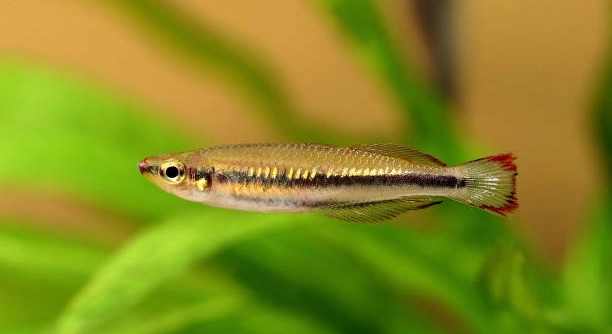
Are your rainbowfish spending most of their time hiding in the corners of the tank, leaving you unsure about their behavior? Observing shy tendencies can be worrying, especially when your fish seem reluctant to explore their environment.
Rainbowfish may hide due to stress, illness, inadequate tank conditions, aggressive tank mates, sudden changes in lighting, improper diet, or lack of hiding spaces. Each factor can influence their behavior and overall well-being in the aquatic habitat.
Understanding the reasons behind their hiding can help you create a healthier and more comfortable environment for your rainbowfish to thrive.
Stress from Tank Environment
A common reason rainbowfish hide is stress caused by their tank environment. Factors like strong currents, overcrowding, or sudden temperature changes can make them feel unsafe. Rainbowfish are sensitive to their surroundings, and if the water quality is poor, they may retreat to corners or plants to feel secure. Even subtle changes, like moving decorations or rearranging plants, can trigger hiding behavior. Ensuring the tank mimics their natural habitat with gentle water flow, stable temperature, and clean water helps them feel more comfortable. Providing shaded areas or dense plants allows them to explore without feeling exposed. Observing their behavior carefully can help identify specific stressors. Over time, consistent water parameters, minimal disturbances, and thoughtful tank setup can encourage rainbowfish to be more active. Monitoring both water chemistry and tank interactions ensures their overall well-being is supported while reducing hiding tendencies.
Proper tank setup is essential to minimize stress and help rainbowfish feel safe and secure in their environment.
By adjusting water flow, adding plants, and avoiding sudden changes, you can create a calmer space. This reduces hiding and encourages natural swimming patterns. Maintaining consistent care helps rainbowfish build confidence and promotes long-term health in the tank.
Aggressive Tank Mates
Rainbowfish often hide when other fish display aggressive behavior. If they are housed with territorial or larger species, they may retreat to avoid confrontation. Even subtle nipping or chasing can cause prolonged stress, affecting their appetite and activity levels. Observing interactions and identifying aggressive behaviors early helps prevent long-term harm. Choosing compatible species and maintaining sufficient space reduces these conflicts. Tank decorations that provide hiding spots can also ease tensions. If aggressive behavior persists, separating the fish may be necessary. Compatibility goes beyond size; temperament, energy level, and swimming habits all play a role. A peaceful community tank encourages rainbowfish to display natural colors and behaviors instead of hiding.
Adjusting tank mates and space helps rainbowfish feel safer and reduces stress-related hiding.
Selecting compatible species and arranging plants or decorations strategically gives rainbowfish options to retreat safely. Monitoring behavior over time ensures aggressive interactions are minimized, allowing them to thrive alongside other fish in a balanced, calm environment.
Illness or Disease
When rainbowfish feel unwell, they often hide. Symptoms like clamped fins, loss of color, or lethargy can indicate illness, prompting them to retreat to secluded areas.
Illness is a major reason rainbowfish hide. Waterborne diseases, bacterial infections, or parasites can quickly affect their behavior. Poor nutrition or sudden changes in water parameters can weaken their immune system, making them more vulnerable. Observing your fish daily for unusual signs helps detect problems early. Quarantining new or sick fish and maintaining optimal water conditions reduces the risk of disease spreading. Providing a balanced diet supports their immune system and overall vitality, making them less likely to remain hidden.
Treating illness promptly is crucial. Isolating affected fish, adjusting water conditions, and following recommended treatments ensure faster recovery. Healthy rainbowfish regain confidence and gradually resume normal swimming and feeding patterns.
Improper Lighting
Too much or too little light can make rainbowfish hide. Bright or harsh lighting can stress them, while dim conditions may limit their activity. Adjusting light levels can improve comfort.
Rainbowfish are sensitive to lighting conditions. Strong overhead lights can make them feel exposed, prompting hiding behind decorations or plants. Conversely, insufficient light can disrupt natural behavior and reduce visibility of food. Establishing a consistent day-night cycle with moderate lighting helps maintain their circadian rhythm and reduces stress. Using floating plants or shaded areas can diffuse light and create safe zones. Monitoring their activity in response to lighting adjustments ensures they feel comfortable. Proper lighting not only enhances their colors but also encourages natural swimming and feeding patterns.
Balancing light levels supports healthy behavior. Providing shaded spots and consistent cycles allows rainbowfish to feel secure and active while reducing hiding tendencies in the tank.
Sudden Changes in Water Conditions
Rainbowfish may hide when water conditions change quickly. Sudden shifts in temperature, pH, or hardness can make them feel unsafe and stressed.
Maintaining stable water conditions is essential. Gradual adjustments in temperature or chemistry reduce stress, helping rainbowfish feel secure and encouraging normal activity.
Inadequate Hiding Spaces
Rainbowfish naturally seek shelter. Without plants, caves, or decorations, they may remain hidden out of fear or insecurity.
Providing dense vegetation, rocks, and driftwood allows them to explore confidently. Adequate hiding spots help them feel safe and reduce prolonged stress.
Improper Diet
A poor or inconsistent diet can make rainbowfish lethargic and more likely to hide. Nutrient deficiencies affect energy levels and overall health.
Feeding a balanced diet that includes high-quality flakes, pellets, and occasional live or frozen foods ensures rainbowfish receive necessary nutrients. Consistent feeding schedules support normal activity, bright colors, and reduced hiding behavior.
FAQ
Why does my rainbowfish hide all the time?
Rainbowfish may hide constantly due to stress, illness, aggressive tank mates, or poor tank conditions. Observing their behavior and tank environment can help identify the cause. Providing stable water parameters, safe hiding spots, and compatible companions encourages them to swim more openly.
How can I tell if my rainbowfish is sick?
Signs of illness include clamped fins, faded colors, lethargy, rapid breathing, or loss of appetite. Monitoring their daily behavior and inspecting water quality can reveal underlying health issues. Prompt treatment and quarantine of affected fish are essential to prevent the spread of disease.
Do rainbowfish need plants or decorations to feel safe?
Yes, plants, rocks, and caves provide necessary hiding spaces. These features allow rainbowfish to explore at their own pace and reduce stress. Dense vegetation or shaded areas mimic natural habitats, promoting comfort and encouraging natural swimming behavior.
Can lighting affect my rainbowfish’s behavior?
Improper lighting can cause hiding. Bright or harsh light may make them feel exposed, while dim light can reduce activity. Adjusting light intensity and providing shaded areas helps maintain comfort, encourages feeding, and enhances color visibility. Consistent day-night cycles support natural rhythms.
How important is water quality for rainbowfish?
Water quality is critical. Sudden changes in temperature, pH, or hardness can stress rainbowfish, prompting hiding. Regular testing, gradual adjustments, and maintaining clean, stable water reduce stress and encourage normal activity. Healthy water also supports immune function and long-term well-being.
Could my rainbowfish hide because of tank mates?
Yes, aggressive or territorial fish can cause rainbowfish to hide. Choosing compatible species, providing adequate space, and monitoring interactions reduces stress. If aggression persists, separating fish may be necessary to maintain a peaceful environment.
Does diet influence hiding behavior?
A poor diet can make rainbowfish lethargic and more likely to hide. Feeding high-quality flakes, pellets, and occasional live or frozen foods ensures proper nutrition. Consistent feeding schedules maintain energy levels, vibrant colors, and normal swimming patterns.
How long will it take for my rainbowfish to stop hiding?
The time varies based on the underlying cause. Addressing stressors, improving water conditions, adding hiding spaces, and maintaining a proper diet can gradually encourage them to explore. Observing progress daily helps track improvements and ensures their comfort.
Can sudden changes in the tank cause hiding?
Yes, rearranging decorations, adding new fish, or changing water parameters quickly can make rainbowfish feel unsafe. Gradual adjustments, careful introductions, and maintaining familiar hiding spots help them adapt without prolonged stress.
Is it normal for rainbowfish to hide occasionally?
Some hiding is normal, especially during feeding or rest periods. However, persistent hiding usually indicates stress, illness, or environmental issues. Monitoring behavior and providing a balanced habitat ensures they remain active and healthy.
What is the best way to encourage rainbowfish to swim freely?
Creating a stable, well-planted tank with moderate lighting, compatible tank mates, and a balanced diet encourages exploration. Minimizing disturbances and maintaining consistent care helps rainbowfish feel safe, reducing hiding and promoting natural behaviors.
Can stress from water changes affect their health?
Yes, sudden or frequent water changes can increase stress, leading to hiding, weakened immunity, and susceptibility to illness. Conducting gradual changes and maintaining stable conditions reduces stress while supporting overall health and activity.
Are rainbowfish more likely to hide during the day or night?
Rainbowfish tend to hide when exposed to strong light or disturbances. They may also seek shelter at night if the tank lacks appropriate resting areas. Providing shaded spaces and gentle lighting supports their natural activity patterns.
What steps can I take if my rainbowfish keeps hiding?
Identify stressors such as aggressive tank mates, poor water conditions, or illness. Adjust the environment, provide adequate hiding spots, ensure proper diet, and monitor behavior closely. Patience and consistent care are key to helping rainbowfish regain confidence and normal activity.
Rainbowfish are naturally active and colorful, but frequent hiding is often a sign that something in their environment or routine needs attention. Their behavior is influenced by multiple factors, including water quality, tank setup, lighting, diet, and the presence of other fish. Understanding these influences is essential for maintaining a healthy and comfortable habitat. While some hiding is normal, persistent retreating can indicate stress, illness, or discomfort. Observing your rainbowfish carefully over time allows you to detect subtle changes in behavior or appearance that may signal a problem. By paying attention to their daily patterns, swimming habits, and interactions with other fish, you can gather valuable insight into their well-being. This observation, combined with knowledge of their natural preferences and requirements, makes it possible to address issues before they escalate, ensuring a safer and more enjoyable environment for your fish.
Maintaining stable water conditions is one of the most important factors in reducing hiding behavior. Rainbowfish are sensitive to sudden changes in temperature, pH, or hardness, which can cause stress and make them retreat to hiding spots. Regular water testing and gradual adjustments can prevent these issues. Clean water, proper filtration, and adequate oxygenation also support their immune system and overall health. In addition, the tank layout plays a significant role in their comfort. Dense plants, rocks, and decorations provide shelter and safe zones, allowing rainbowfish to feel secure while exploring. Bright lighting or exposed areas can be intimidating, so shaded spots and moderate illumination help them relax and maintain normal activity levels. By addressing both water quality and tank setup, you can create a balanced environment that reduces stress and encourages natural swimming behavior.
Diet, social interactions, and overall care also affect hiding tendencies. Rainbowfish that receive a consistent, nutritious diet are more energetic and confident, while nutritional deficiencies can lead to lethargy and increased hiding. Aggressive or territorial tank mates can cause prolonged stress, so selecting compatible species and monitoring their behavior is essential. Even subtle changes, such as rearranging decorations or introducing new fish, may temporarily increase hiding, so gradual adjustments are preferable. Regular observation, proper feeding, stable conditions, and adequate hiding spaces together create an environment where rainbowfish can thrive. Over time, consistent care helps them regain confidence, display vibrant colors, and explore the tank naturally. Addressing these factors ensures your rainbowfish feel secure, healthy, and active, reducing hiding behavior and supporting their long-term well-being.

Hello,
If you enjoy the content that we create, please consider saying a "Thank You!" by leaving a tip.
Every little bit helps us continue crafting quality advice that supports the health, happiness, and well-being of pets around the world, for pets of all shapes, sizes, and species.
We really appreciate the kindness and support that you show us!