
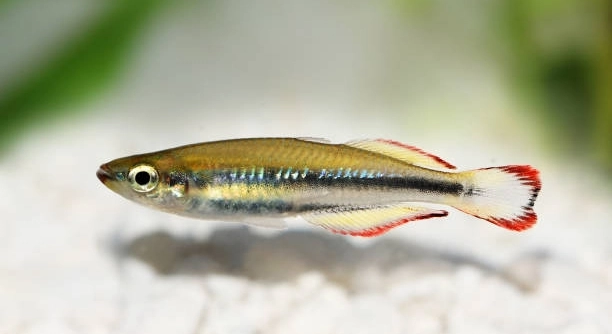
Are your rainbowfish showing sudden bursts of energy after a water change? Many aquarists notice that their fish behave differently when fresh water is added to the tank. These changes can be subtle or quite pronounced.
Rainbowfish often exhibit increased activity following water changes due to shifts in water chemistry and oxygen levels. The introduction of cleaner water reduces stress and stimulates natural behaviors, resulting in more frequent swimming, exploring, and feeding activity.
Observing these patterns can help you maintain a healthier aquarium. Understanding how water changes affect behavior improves care for your rainbowfish.
Why Rainbowfish React to Water Changes
Rainbowfish are sensitive to even small shifts in their environment. When water is changed, parameters like pH, hardness, and temperature adjust slightly, which can trigger an increase in activity. Fresh water often contains higher oxygen levels, which stimulates natural swimming and exploration behaviors. Fish may dart across the tank more frequently, swim in new areas, or interact differently with tank decorations. These reactions are instinctive and reflect their adaptation to changing conditions. For many aquarists, it can be fascinating to watch rainbowfish respond immediately after a routine maintenance session. Even minor changes, such as replacing a portion of the tank water, can lead to noticeable bursts of energy. Observing these behaviors helps monitor overall health and detect potential stress factors early. Maintaining a stable schedule for water changes while noting behavioral patterns ensures that your rainbowfish remain active and healthy without unnecessary disruption.
Fresh water changes improve oxygenation, reduce toxins, and stimulate normal behaviors in rainbowfish, creating a more dynamic and engaging environment.
Regular monitoring of activity after water changes provides insight into their comfort and wellbeing. Tracking behavior allows adjustments to care routines, improving long-term health. Understanding their responses ensures a more stable and thriving tank ecosystem, supporting both their natural activity and social interactions. Consistency in water quality prevents long-term stress and promotes healthy growth. By observing subtle cues, like increased swimming or feeding patterns, caretakers can better predict how fish will respond to environmental adjustments. Attention to these details strengthens the connection between proper care practices and observable outcomes. Over time, these insights help maintain a balanced aquarium, where rainbowfish exhibit natural behaviors consistently, supporting both physical health and a visually engaging tank. The overall goal is to create an environment that encourages natural movement, reduces stress, and supports the fish’s overall wellbeing while allowing the caretaker to respond promptly to behavioral changes.
Tips to Keep Rainbowfish Active
Regular, partial water changes help maintain stable conditions and keep rainbowfish energetic and healthy.
Monitoring tank parameters closely is key to sustaining activity. Consistent water changes, proper filtration, and balanced feeding routines prevent stress and encourage natural behaviors. Providing hiding spots, varied swimming areas, and occasional enrichment, like floating plants or small currents, keeps the environment stimulating. Overcrowding or sudden, large changes can lead to erratic behavior or stress, so adjustments should be gradual. Observing how rainbowfish respond to each water change allows for fine-tuning care practices. Understanding their needs, including preferred water temperature and oxygen levels, improves activity and longevity. With careful attention to these factors, rainbowfish can remain lively, engaging, and healthier over time. Maintaining a predictable routine for water maintenance ensures the aquarium environment remains stable, allowing fish to thrive physically and behaviorally without sudden disruptions. Consistency and observation are essential in fostering a vibrant, active tank.
How Temperature Influences Activity
Rainbowfish activity often changes with water temperature. Slightly cooler water can slow their movement, while warmer water encourages more swimming and exploration. Stable, appropriate temperatures prevent stress and help maintain consistent energy levels throughout the day.
Temperature fluctuations affect metabolism and overall behavior. When water is warmer, rainbowfish metabolize food faster, leading to more active swimming and feeding. Rapid changes, however, can stress fish and trigger erratic behavior. Maintaining a steady temperature within the species’ preferred range reduces these risks. Using a reliable heater and thermometer ensures the water remains consistent. Observing how fish react to temperature adjustments helps identify optimal conditions, supporting both physical health and natural behavior patterns.
Temperature also influences oxygen availability. Warmer water holds less oxygen, which can limit activity if not balanced by proper aeration. Cooler water increases oxygen levels but may slow metabolism, affecting feeding habits. Finding the right balance is essential. Consistent monitoring, combined with minor adjustments when necessary, ensures rainbowfish remain active and comfortable. Over time, attention to temperature creates a healthier tank environment that supports natural behavior while minimizing stress.
Feeding Patterns and Energy Levels
Rainbowfish often become more active before feeding times. They learn routines and anticipate meals, swimming energetically in response.
Diet directly impacts energy and overall health. High-quality, protein-rich foods support vibrant activity, while poor nutrition can lead to lethargy and decreased responsiveness. Feeding small amounts multiple times a day keeps metabolism stable and activity consistent. Observing how fish respond to different foods allows adjustments that maintain energy and promote natural behavior. Variety, including flakes, pellets, and occasional live or frozen options, ensures balanced nutrition.
Feeding behavior also reflects social dynamics. Dominant fish may eat first, prompting others to chase or compete. This interaction encourages movement and maintains a more dynamic tank environment. Careful monitoring prevents overfeeding and reduces waste, which can affect water quality and subsequent activity levels. By aligning feeding schedules with observed activity patterns, rainbowfish remain lively and healthy while supporting stable tank conditions over time.
Light and Its Effect on Movement
Rainbowfish respond quickly to changes in lighting. Brighter lights often stimulate activity, while dimmer conditions encourage resting and hiding.
Consistent lighting schedules help regulate daily behavior. Sudden shifts can startle fish and temporarily increase movement, but predictable light patterns promote natural swimming and feeding routines.
Tank Size and Space
Adequate swimming space is essential for rainbowfish activity. Larger tanks allow more exploration, interaction, and natural schooling behavior, reducing stress and promoting movement throughout the day.
Social Behavior
Rainbowfish are schooling fish and tend to be more active when in groups. Social interaction encourages synchronized swimming, chasing, and foraging, reflecting natural patterns that keep them lively and engaged in the aquarium environment.
Water Quality Maintenance
Maintaining high water quality ensures rainbowfish remain energetic and healthy. Regular testing, filtration, and partial water changes prevent toxin buildup, creating stable conditions that support consistent activity and long-term wellbeing.
FAQ
Why do rainbowfish suddenly become more active after a water change?
Rainbowfish respond to changes in water chemistry and oxygen levels. Fresh water reduces stress and toxins, making them feel more comfortable. The slight shift in pH and temperature can also stimulate movement, causing bursts of energy and increased swimming or exploring around the tank.
How often should I change the water to keep rainbowfish active?
Partial water changes of 20-30% every one to two weeks are generally sufficient. Frequent small changes help maintain stable water parameters, prevent toxin buildup, and support natural behaviors without causing stress. Sudden large changes can startle the fish or disrupt their routine.
Does water temperature impact their activity after a change?
Yes, temperature plays a major role. Warmer water tends to increase metabolism, leading to more swimming and feeding behavior. Cooler water may slow movement. Sudden temperature swings, however, can stress rainbowfish, so it’s important to keep the water stable when performing changes.
Can feeding times influence post-water change activity?
Feeding and water changes are linked to behavior. Rainbowfish often become more active before feeding and after water changes. Balanced, protein-rich food and consistent feeding schedules support energy levels and natural swimming patterns, ensuring that fish remain lively and healthy.
Do rainbowfish behave differently in larger tanks after a water change?
Yes, tank size affects activity. Larger tanks provide more space to explore, and after a water change, fish can utilize this space to swim actively and display natural schooling behavior. Smaller tanks may limit movement, so activity bursts might appear more confined.
How do light conditions affect their response to water changes?
Light changes can amplify their activity. Bright lighting can make rainbowfish more alert, while dim lighting encourages resting. Maintaining consistent light schedules helps regulate daily behavior and ensures post-water change activity appears natural rather than stress-induced.
What role does social behavior play in their activity?
Rainbowfish are schooling fish. They often move more energetically after water changes when kept in groups, engaging in chasing, synchronized swimming, and exploring. Social interaction encourages natural movement and helps them feel safe, reducing stress-related inactivity.
How can I monitor if the activity increase is healthy or stress-related?
Healthy bursts of activity are consistent and controlled, usually involving swimming around the tank or exploring. Stress-induced behavior may appear frantic, erratic, or include hiding. Observing patterns, feeding behavior, and interactions with other fish helps determine the cause.
Are there signs that water quality is affecting their activity?
Yes. Cloudy water, unusual odor, or the presence of algae can reduce activity. Rainbowfish may become lethargic or hide more frequently. Regular testing for ammonia, nitrites, nitrates, and pH levels ensures water quality supports normal swimming and feeding behavior.
Should I adjust water changes based on seasonal changes?
Seasonal temperature fluctuations can affect activity. In warmer months, more frequent water changes may be needed to maintain oxygen levels. In cooler months, less frequent changes help maintain stable temperatures. Monitoring fish behavior and water parameters ensures adjustments support health without unnecessary stress.
Can enrichment affect activity after water changes?
Yes, adding decorations, plants, or gentle currents can encourage exploration after water changes. Enrichment mimics natural environments, promoting movement, reducing boredom, and enhancing post-change activity, while helping rainbowfish feel comfortable in their habitat.
How long does increased activity usually last after a water change?
Activity spikes typically last a few hours up to a day. The duration depends on water quality, tank size, temperature, and social conditions. Regular observation helps identify normal patterns and ensures that activity is healthy and not stress-driven.
What are common mistakes that reduce rainbowfish activity after water changes?
Common mistakes include sudden large water changes, improper temperature adjustments, overfeeding, and inconsistent lighting. These can cause stress, reduce swimming behavior, or lead to hiding. Gradual adjustments, proper care, and observation help maintain healthy activity levels.
Can water additives or treatments affect post-change behavior?
Yes, certain additives can temporarily alter behavior. Dechlorinators and stress-reducing treatments are generally safe, but overdosing or using unnecessary chemicals can cause lethargy or erratic swimming. Following product instructions ensures fish remain active and comfortable.
Is it normal for rainbowfish to rest after initial bursts of activity?
Absolutely. After a water change, rainbowfish often explore and swim more vigorously, then settle into normal activity. This resting period is natural, indicating that they have acclimated to the updated water conditions.
How can I encourage consistent activity without frequent water changes?
Maintaining stable water parameters, proper tank size, regular feeding, and enrichment supports steady activity. Partial water changes at safe intervals combined with consistent care routines help rainbowfish stay active without stress from frequent disturbances.
Do rainbowfish respond differently to tap water versus conditioned water?
Conditioned water is essential. Tap water may contain chlorine or heavy metals that stress fish. Using water conditioners ensures safety, stability, and consistent post-change activity, promoting healthier, more energetic behavior.
What should I do if activity decreases after a water change?
Check water parameters, temperature, and social conditions. Lethargy may indicate stress, illness, or poor water quality. Addressing the issue promptly through testing, observation, and adjustments helps restore normal activity.
Are younger rainbowfish more active after water changes than older ones?
Yes, juveniles generally exhibit more energy and frequent swimming compared to older fish. Their metabolism and curiosity are higher, so bursts of activity are more noticeable after water changes. Older fish may respond more subtly but still benefit from stable conditions.
How long should I wait after a water change before observing normal behavior?
Most rainbowfish resume typical patterns within hours, but some may take a full day. Monitoring closely ensures that any unusual behavior is addressed quickly, maintaining overall health and activity consistency.
Can tank mates influence activity levels after water changes?
Yes, compatible species encourage schooling and exploration. Aggressive or territorial tank mates can reduce activity by causing stress. Observing interactions helps maintain a balanced environment where rainbowfish feel safe and remain lively.
Do water changes affect breeding behavior or spawning activity?
Partial water changes can stimulate natural behaviors, including courtship and spawning. Stable, clean water promotes health and encourages active engagement, supporting reproductive cycles without causing stress.
How important is filtration in post-water change activity?
Efficient filtration maintains water clarity, oxygenation, and stability. Proper filtration supports normal swimming, reduces stress, and enhances the benefits of water changes, allowing rainbowfish to remain energetic and healthy consistently.
Can changes in tank décor affect activity after water changes?
Yes, rearranging plants or decorations can stimulate curiosity and exploration. Providing hiding spots and open swimming areas encourages natural behavior, helping rainbowfish remain active while feeling secure in their environment.
How can I track activity trends over time?
Keeping a journal or notes on swimming patterns, feeding behavior, and response to water changes helps detect trends. Regular observation allows early detection of stress, illness, or environmental issues, ensuring long-term health and activity.
Is it normal for only some fish to react strongly after water changes?
Yes, individual differences exist. Some rainbowfish are naturally more active or curious, while others are shy or less energetic. Understanding each fish’s personality helps in interpreting behavior accurately.
How do oxygen levels after a water change impact activity?
Higher oxygen levels increase metabolism and encourage movement. Water changes typically improve oxygenation, resulting in more active swimming, exploring, and feeding. Proper aeration ensures these benefits are maintained consistently.
Are sudden drops in activity after a water change a warning sign?
Yes, sudden lethargy may indicate stress, illness, or water parameter issues. Immediate testing of pH, ammonia, nitrite, nitrate, and temperature helps identify the cause and prevent long-term problems.
Do rainbowfish ever become overactive after a water change?
Occasionally, bursts of energy can appear exaggerated, especially if water changes are abrupt or temperature fluctuates. This is usually temporary, but monitoring behavior ensures it does not indicate stress or discomfort.
How does water hardness affect post-change activity?
Rainbowfish prefer stable hardness levels. Significant changes can affect swimming and feeding behavior. Maintaining consistent hardness helps support normal activity patterns and overall health.
Is it necessary to adjust lighting after every water change?
No, consistent lighting schedules are more important than adjusting lights each change. Stability reduces stress and allows natural activity, ensuring fish remain comfortable and lively after water updates.
Can sudden noise or vibrations during water changes affect activity?
Yes, abrupt disturbances can startle fish, causing temporary frantic swimming or hiding. Gentle handling and minimal disruption maintain normal post-change activity and reduce stress.
Do rainbowfish require enrichment to stay active long-term?
Yes, providing plants, hiding spots, and open swimming areas encourages exploration and natural behavior. Enrichment supports healthy activity even when water changes are routine.
How does water pH influence activity after a change?
Sudden pH shifts can stress rainbowfish, reducing movement or causing erratic behavior. Maintaining stable, species-appropriate pH levels ensures bursts of activity are healthy and natural.
Are some species of rainbowfish more reactive to water changes than others?
Yes, different species vary in sensitivity. Some display pronounced bursts of activity, while others respond more subtly. Understanding species-specific needs helps maintain appropriate care and predict behavioral responses.
Can adding live plants affect post-change activity?
Live plants improve oxygenation, reduce toxins, and create stimulating environments. Their presence encourages movement, exploration, and natural schooling behavior, enhancing the benefits of water changes for rainbowfish.
How do I know if my water change routine is sufficient?
Consistent observation of swimming, feeding, and social behavior indicates if your routine supports healthy activity. If fish appear stressed, lethargic, or exhibit erratic behavior, adjustments to frequency, volume, or water parameters may be needed.
Does water flow from filters affect post-change activity?
Moderate flow encourages swimming and exploration, simulating natural conditions. Excessive flow can stress fish, while too little reduces stimulation. Balancing flow ensures rainbowfish remain active and comfortable.
How long should water conditions stabilize before adding new fish?
New fish should only be introduced once temperature, pH, hardness, and cleanliness are stable. A few days to a week of consistent parameters allows rainbowfish to remain active and prevents stress from sudden environmental changes.
Can overfeeding affect activity after water changes?
Yes, excessive food can lead to lethargy and water quality issues, reducing activity. Feeding appropriate portions maintains energy and ensures healthy post-change behavior.
How do I prevent stress during water changes?
Use gradual water replacement, maintain stable temperature, minimize noise, and observe fish closely. Gentle handling and careful planning reduce stress, keeping rainbowfish active and comfortable.
Are there signs that rainbowfish are unhappy despite normal activity?
Yes, even active fish may show subtle stress indicators, like clamped fins, reduced appetite, or isolation. Regular monitoring ensures health and proper response to environmental changes.
Do rainbowfish show seasonal variations in activity?
Yes, temperature, light duration, and seasonal changes can influence energy levels. Monitoring these factors ensures consistent activity and wellbeing throughout the year.
Can water changes improve long-term health beyond immediate activity?
Absolutely. Regular water changes remove toxins, stabilize parameters, and support natural behaviors, contributing to longevity, disease resistance, and overall vitality of rainbowfish in the aquarium environment.
Final Thoughts
Rainbowfish are naturally active and responsive creatures, and observing their behavior after water changes can provide valuable insight into their wellbeing. Water changes impact multiple factors in their environment, including oxygen levels, water chemistry, and cleanliness. Each adjustment can trigger bursts of energy, increased swimming, and more exploratory behavior. These reactions are a reflection of how sensitive rainbowfish are to their surroundings, and understanding this can help caretakers create a stable and stimulating environment. Consistently monitoring their behavior during and after water changes allows you to recognize normal activity patterns and identify potential stress or health concerns early. By paying attention to these subtle changes, you can ensure that your rainbowfish remain healthy and energetic, while also promoting natural behaviors that make your aquarium more engaging.
Maintaining stable water parameters is one of the most important aspects of rainbowfish care. Sudden or drastic changes in temperature, pH, hardness, or oxygen levels can cause stress and reduce activity, while gradual and consistent changes encourage positive responses. Partial water changes, regular testing, and proper filtration help maintain this stability. Additionally, consistent feeding schedules, proper diet, and adequate tank space further support their energy and natural swimming patterns. Social dynamics also play a key role, as rainbowfish are schooling fish that thrive in groups. Observing how individuals interact after a water change can reveal a lot about the overall health of your aquarium, and adjusting tank conditions to suit their needs will ensure that the fish remain lively and comfortable. Over time, these practices create an environment that promotes not only activity but also long-term wellbeing.
Finally, enrichment and care routines significantly influence rainbowfish activity. Proper tank decorations, live plants, and varied swimming areas provide stimulation and encourage exploration. Consistent lighting schedules and minimal disturbances during water changes help maintain predictable behavior patterns. Monitoring your rainbowfish closely allows you to detect subtle changes and adjust care as needed, whether it involves diet, tank maintenance, or water quality management. By understanding the factors that influence activity, you can create a balanced and thriving aquarium environment. Supporting their natural behaviors through thoughtful care ensures that rainbowfish remain energetic, healthy, and visually engaging, making your aquarium a more dynamic and enjoyable space.

Hello,
If you enjoy the content that we create, please consider saying a "Thank You!" by leaving a tip.
Every little bit helps us continue crafting quality advice that supports the health, happiness, and well-being of pets around the world, for pets of all shapes, sizes, and species.
We really appreciate the kindness and support that you show us!