
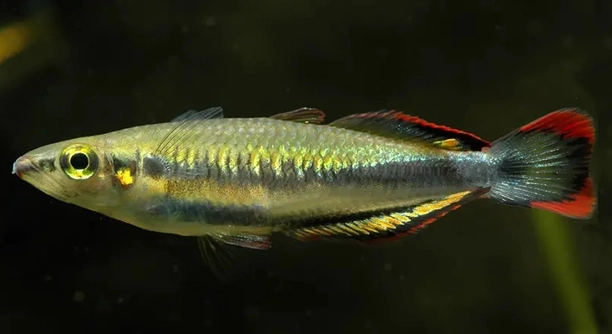
Breeding fish successfully requires more than just adding a pair to a tank. Many environmental and biological factors influence their readiness to spawn. Understanding these conditions can make a noticeable difference in your aquarium’s breeding outcomes.
Optimal breeding in fish is achieved by maintaining proper water temperature, stable pH levels, adequate nutrition, suitable tank size, presence of hiding spots, correct light cycles, and minimal stress. These factors collectively promote healthy reproduction and increase the likelihood of successful spawning.
Learning to control these conditions can improve breeding success and ensure your fish remain healthy and vibrant in their aquatic environment.
Water Temperature and Quality
Fish breeding depends heavily on maintaining the right water temperature. Most species require a stable temperature that mimics their natural habitat. Sudden changes can stress fish and prevent spawning. Equally important is water quality. Clean water free of toxins and ammonia supports healthy eggs and fry. Regular water changes and proper filtration are essential. Monitoring temperature with a reliable heater or thermometer ensures stability. Some tropical species need slightly warmer water, while cold-water species thrive in cooler conditions. pH balance and hardness also affect reproductive success, so testing these regularly is important. Oxygen levels must remain high; aeration can help. Avoid overcrowding, as this can lower oxygen and increase stress. Seasonal changes sometimes trigger breeding instincts, so slight adjustments can simulate natural conditions. Plants or moss can improve water quality and provide safe places for fry. Maintaining these conditions consistently increases the likelihood of eggs being fertilized and hatched successfully.
Temperature stability is the key factor in encouraging fish to breed consistently and healthily.
Keeping your water clean and within optimal temperature ranges ensures eggs and fry remain strong and viable.
Proper Nutrition
A balanced diet is critical for breeding success. Fish require high-quality food rich in proteins, vitamins, and minerals to prepare for spawning. Overfeeding can pollute the tank, while underfeeding weakens fish and lowers fertility. Live or frozen foods often improve reproductive readiness. Variety is important; alternating flake, pellet, and live foods provides all essential nutrients. Conditioning fish with nutritious food before spawning increases egg quantity and viability. Some species benefit from specific supplements, such as carotenoids for coloration or calcium for egg development. Feeding small portions multiple times a day prevents overeating and keeps water quality high. Avoid sudden dietary changes, as stress can interfere with spawning behavior. Proper nutrition also strengthens immune systems, helping parents and fry survive common tank diseases. Observing fish while feeding can help detect health issues early, ensuring breeding conditions remain ideal. Consistency in diet directly supports reproductive health and successful fry development.
Nutrition affects reproductive health, egg quality, and fry survival significantly.
Consistently feeding a well-rounded diet ensures fish are healthy, active, and ready to spawn successfully.
Tank Size and Environment
A properly sized tank gives fish space to swim and reduces stress. Overcrowding can prevent breeding, while enough room encourages natural behavior. Plants, rocks, and hiding spots create secure areas for spawning.
Providing sufficient space allows dominant fish to establish territories and reduces aggression. Fry need areas to hide, especially during and after hatching. A cramped environment increases stress, weakens immune systems, and can cause eggs to be eaten. Proper tank setup mimics natural habitats, making fish feel safe and ready to reproduce. Including plants, caves, and floating objects encourages natural breeding behaviors, while ensuring adequate swimming space maintains health. Monitoring tank size relative to the number of fish is crucial.
Environmental enrichment plays a major role in successful breeding. Correct tank layout combined with suitable space promotes mating, egg laying, and fry survival. Observing fish behavior can guide adjustments to improve outcomes.
Light Cycles and Stress Management
Consistent light cycles help regulate fish hormones, triggering breeding behavior. Stress from noise or sudden changes can halt spawning.
Fish respond to light in ways that mimic seasons. Maintaining 10-12 hours of light per day supports reproductive readiness. Abrupt light changes or constant bright lighting can cause stress, reducing interest in breeding. Using timers ensures consistent cycles, and placing the tank away from frequent disturbances helps maintain calm conditions. Stress management also includes avoiding aggressive tankmates, minimizing handling, and keeping water conditions stable. A stable routine encourages natural behavior, increases egg production, and supports fry development. Observing fish for signs of stress allows timely adjustments to environment and care, improving breeding outcomes.
Hiding Spots and Substrate
Providing hiding spots reduces stress and protects eggs from being eaten. Plants, rocks, and caves create safe areas for both adults and fry.
A suitable substrate helps some species lay eggs naturally. Sand or fine gravel supports egg adhesion and mimics natural breeding conditions.
pH Levels and Water Hardness
Maintaining proper pH and hardness is essential for breeding. Most freshwater species prefer slightly acidic to neutral water, while some tropical fish require specific hardness levels. Regular testing ensures parameters remain stable. Sudden fluctuations can shock fish, reduce fertility, or harm eggs. Adjusting water gradually helps prevent stress and encourages spawning. Using buffers or natural additives can maintain stability. Consistent water chemistry supports healthy egg development, hatching rates, and fry survival. Understanding species-specific requirements allows for better preparation and improved breeding success. Monitoring these conditions regularly ensures long-term reproductive health and reduces complications in breeding attempts.
Minimal Disturbance
Limiting external disturbance keeps fish calm. Reduced handling and quieter environments encourage natural breeding behavior.
FAQ
How often should I change the water to encourage breeding?
Regular water changes are crucial for breeding success. Most fish benefit from a 20-30% water change weekly. This removes waste, maintains stable water parameters, and reduces toxins like ammonia and nitrites. Clean water creates a healthier environment, making fish more likely to spawn naturally. Frequent partial changes are better than infrequent complete swaps, which can stress fish.
What temperature is ideal for breeding most freshwater fish?
Optimal temperature depends on the species. Tropical fish usually breed between 24-28°C (75-82°F), while cold-water species need cooler ranges. Gradually adjusting temperature to mimic seasonal changes can stimulate breeding instincts. Using a reliable heater and thermometer ensures stability, avoiding sudden shocks that may prevent spawning.
Do live plants help in breeding?
Yes, live plants serve multiple purposes. They provide hiding spots for fry, reduce stress for adults, and sometimes act as surfaces for egg laying. Species like guppies or tetras benefit from moss or fine-leaved plants. Live plants also improve water quality by absorbing nitrates, creating a more natural and safe environment for reproduction.
How important is tank size for breeding?
Tank size directly affects breeding success. Overcrowded tanks increase stress, aggression, and competition for resources, lowering egg production. Providing sufficient space allows fish to display natural behaviors, establish territories, and reduce egg predation. Fry also need room to grow without being eaten. Adjusting tank size based on species and number of breeding pairs is essential.
Can diet influence fish spawning?
Absolutely. A nutritious diet prepares fish for reproduction. High-protein foods, live or frozen options, and variety improve egg quantity and quality. Conditioning fish with special foods a few weeks before breeding encourages spawning behavior. Avoid overfeeding, which can pollute water and reduce fertility, and maintain consistency to support overall reproductive health.
How do I know when my fish are ready to breed?
Signs vary by species but often include color changes, increased activity, or specific mating behaviors. Males may display brighter colors or chase females. Females may develop a fuller abdomen indicating eggs. Observing behavior daily helps recognize readiness. Providing ideal water conditions, hiding spots, and nutrition enhances these natural cues.
What role does lighting play in breeding?
Consistent light cycles regulate fish hormones and trigger spawning behavior. Most freshwater fish thrive on 10-12 hours of light per day. Sudden changes or constant bright lighting can stress fish and suppress reproductive activity. Using timers and keeping the tank away from disturbances ensures a stable environment that supports natural breeding patterns.
How can I prevent egg predation in the tank?
Providing hiding spots and separating adults from eggs or fry reduces predation. Plants, caves, or spawning mops protect eggs. Some breeders use separate breeding tanks to increase survival rates. Observing fish behavior helps identify aggressive adults, allowing timely intervention to safeguard eggs. Minimizing disturbance also prevents adults from eating eggs out of stress.
Is water hardness important for breeding?
Yes, specific species need particular hardness levels. Soft or hard water affects egg viability, hatching rates, and fry health. Regular testing and gradual adjustment ensure optimal conditions. Using natural additives or buffers helps maintain stable hardness. Understanding the requirements of each species increases breeding success.
How do I reduce stress for breeding fish?
Keep a calm environment with minimal handling, avoid loud noises, and maintain stable water parameters. Proper tank layout, sufficient space, and compatible tankmates also reduce stress. Stress-free fish are more likely to breed and produce healthy eggs and fry. Observing behavior daily allows timely adjustments to maintain calm conditions.
Can I encourage spawning without changing the tank setup?
Some adjustments, like improving diet, slightly modifying light cycles, or gradually adjusting temperature, can stimulate breeding without a full tank overhaul. However, providing hiding spots, proper substrate, and clean water often increases success significantly. Combining several small improvements typically yields better results than relying on a single change.
What is the best way to care for fry after hatching?
Separate fry from adults if possible to prevent predation. Provide shallow areas with fine plants or breeding nets for protection. Feed appropriately sized live or powdered foods multiple times per day. Maintain excellent water quality with gentle filtration and frequent small water changes. Monitoring growth ensures they develop healthily.
How long does it take for eggs to hatch?
Hatching time varies by species and water temperature. Some tropical fish hatch in 24-48 hours, while others take up to a week. Warmer water generally speeds up development, but rapid changes can be harmful. Observing eggs daily helps track progress and prepare for fry care.
Can stress from tankmates prevent breeding?
Yes, aggressive or overly active tankmates can inhibit mating behaviors. Some fish may hide constantly or refuse to spawn. Choosing peaceful species or temporarily separating breeding pairs increases the likelihood of successful spawning. Ensuring sufficient space, hiding spots, and stable conditions further reduces interference.
How do I know if eggs are fertilized?
Fertilized eggs are usually clear or slightly opaque, sometimes showing tiny embryos. Unfertilized eggs may turn white or fuzzy with fungus. Observing closely and removing unfertilized eggs prevents contamination and improves survival rates of viable eggs.
Are there signs of poor water conditions affecting breeding?
Yes, signs include lethargy, loss of appetite, erratic swimming, or eggs not being laid. Poor water quality reduces fertility and egg viability. Regular testing, partial water changes, and proper filtration help maintain a safe environment conducive to spawning.
How often should I monitor breeding conditions?
Daily observation is ideal. Check water parameters, temperature, fish behavior, and tank cleanliness. Regular monitoring allows early detection of stress, disease, or environmental changes, ensuring better reproductive outcomes and healthier fry.
What common mistakes prevent successful breeding?
Overcrowding, inconsistent water quality, poor diet, lack of hiding spots, and sudden environmental changes are frequent issues. Avoiding these and maintaining stable conditions greatly improves breeding success. Observation and adjustments based on fish behavior are key to preventing these problems.
Can changing water simulate natural seasons to encourage breeding?
Yes, gradually lowering or raising water temperature, along with light cycle adjustments, can mimic seasonal changes. This stimulates natural spawning instincts in many species. Combining this with improved diet and reduced stress increases the likelihood of successful breeding and healthy fry development.
How important is observation in fish breeding?
Observation is critical. Daily attention to behavior, coloration, and spawning activities helps detect readiness, stress, or health issues. Timely interventions based on observation ensure better egg viability, fry survival, and overall breeding success. Monitoring also allows adjustments to diet, water, and environment when needed.
What is the role of substrate in breeding?
Substrate supports egg laying for many species. Sand, fine gravel, or specific plant surfaces allow eggs to stick, reducing predation and increasing survival. Choosing substrate suited to the species ensures proper breeding behavior and a safer environment for eggs and fry.
Are there species-specific breeding tips I should know?
Yes, each species has unique requirements for temperature, pH, light, and hiding spots. Researching species-specific needs ensures optimal conditions. Some fish require spawning mops, others caves, and some prefer floating plants. Understanding these details increases reproductive success.
How can I improve fry survival rates?
Provide safe hiding spots, clean water, and suitable food. Separating fry from adults, maintaining optimal temperature, and feeding small portions frequently supports healthy growth. Monitoring closely and removing uneaten food prevents contamination. Combining these practices enhances survival and development of young fish.
Can stress from handling affect egg quality?
Yes, frequent handling increases stress, which can reduce egg quantity and viability. Minimizing disturbances and maintaining calm conditions are essential to protect both adults and eggs during breeding periods.
Is it necessary to use a separate breeding tank?
A separate breeding tank is often beneficial. It prevents egg predation, reduces stress, and allows easier control of water conditions. While not always required, it significantly improves survival rates and simplifies care for fry after hatching.
How long after spawning should I remove adults?
Adults can be removed immediately after eggs are laid or shortly after hatching, depending on species. This prevents predation and gives fry space to grow. Observing behavior helps determine the best timing for removal without causing stress.
What are signs of unhealthy eggs?
Unfertilized or spoiled eggs may appear white, fuzzy, or cloudy. These eggs can develop fungus and threaten healthy eggs if left in the tank. Removing them promptly maintains a safe environment and improves overall survival rates.
How do I maintain consistent water parameters during breeding?
Use reliable test kits, heaters, and buffers. Perform regular partial water changes and avoid sudden environmental shifts. Consistency in pH, temperature, and hardness ensures stable conditions that promote successful breeding and healthy fry development.
Are there ways to naturally trigger spawning?
Gradual temperature changes, adjusted light cycles, improved diet, and reduced stress can naturally trigger spawning. Mimicking seasonal patterns and creating a comfortable environment encourages fish to breed without artificial interventions.
How do I handle aggressive breeding pairs?
Separate aggressive fish if conflicts arise. Provide hiding spots, sufficient space, and monitor interactions. Aggression can stress fish, reduce egg viability, or harm fry. Controlled conditions prevent injury and support successful reproduction.
What is the best way to introduce new fish for breeding?
Acclimate new fish slowly to the tank environment. Gradually adjust water temperature and parameters to match the main tank. Observing compatibility reduces stress and prevents aggression, improving breeding chances.
How long should I condition fish before breeding?
Conditioning for 2-4 weeks with high-quality food and stable water conditions prepares fish for spawning. This improves fertility, egg quality, and overall reproductive success. Observation during this period helps identify readiness.
Can water flow affect breeding?
Yes, strong currents can stress eggs and fry. Gentle filtration or reduced flow areas provide safe spaces. Some species prefer calm water for spawning. Adjusting flow to match species’ natural habitats supports successful reproduction.
How do I prevent fungal infections on eggs?
Maintain clean water, remove uneaten food, and separate unhealthy eggs promptly. Adding antifungal treatments when necessary helps protect viable eggs and increases hatching success. Proper water quality and minimal disturbance are key preventive measures.
Is it necessary to monitor fry growth daily?
Yes, daily monitoring ensures they are feeding properly, growing steadily, and free from disease. Early detection of issues allows intervention and supports healthy development. Regular observation is essential for maintaining high survival rates.
Can breeding success vary by season?
Yes, seasonal changes in temperature, light, and food availability naturally affect spawning behavior. Mimicking these changes in the tank encourages reproduction and aligns with natural breeding cycles of the species.
How do I handle sudden deaths during breeding?
Investigate water parameters, stress factors, and disease. Remove affected fish promptly and quarantine new or sick individuals. Maintaining clean water and stable conditions reduces further losses and protects remaining fish.
What is the best approach to prevent overbreeding?
Separate males and females after spawning, monitor population growth, and provide enough space. Controlling breeding helps maintain a healthy tank environment and reduces stress on adult fish.
How can I track successful hatching rates?
Count eggs and observe fry after hatching. Record numbers regularly to measure survival rates. Tracking helps identify issues in water quality, nutrition, or environmental conditions, guiding future breeding adjustments.
How long should fry stay in a separate tank?
Fry should remain separated until they are large enough to avoid predation and can tolerate standard tank conditions. Growth rate varies by species, but maintaining safety until maturity ensures higher survival.
Can certain tankmates disrupt breeding cycles?
Yes, aggressive or overly active species can stress breeding pairs, preventing spawning. Choosing compatible tankmates or temporary separation improves breeding outcomes and reduces risk of injury or egg loss.
How do I know when fry are ready for regular tank conditions?
Fry are ready when they can swim freely, eat standard foods, and avoid predation. Gradual acclimation to larger tanks prevents stress and promotes healthy growth. Observation ensures readiness for integration.
Are there indicators of reproductive health issues?
Signs include reduced egg production, abnormal behavior, or poor coloration. Monitoring water quality, diet, and stress levels helps identify problems. Addressing these factors promptly supports reproductive health and breeding success.
How often should I test water during breeding?
Testing 2-3 times per week is recommended. Frequent checks help maintain stable parameters, detect issues early, and prevent stress or egg loss. Consistency ensures optimal conditions for spawning and fry development.
Can temperature fluctuations harm fry?
Yes, sudden changes can cause shock, disease, or death. Maintaining stable temperatures and adjusting gradually during conditioning or seasonal simulations prevents harm and promotes healthy growth.
How can I identify the best breeding pairs?
Look for healthy, active fish with strong coloration and no signs of disease. Compatible behavior, such as chasing or courtship displays, indicates readiness. Observation and experience help identify pairs likely to spawn successfully.
Are there risks with using artificial breeding triggers?
Yes, chemical or hormonal triggers can stress fish and may affect long-term health. Natural methods like temperature, light, and diet adjustments are safer and usually effective for most species.
What should I do if eggs do not hatch?
Check water parameters, remove fungus-infected eggs, and ensure proper temperature and oxygen levels. Reassess diet and stress factors for adults. Learning from these observations improves future breeding attempts.
Can overfeeding affect spawning?
Yes, overfeeding pollutes water and stresses fish, reducing interest in breeding. Controlled, high-quality feeding supports health and reproductive readiness. Observation ensures proper portions and minimizes water quality issues.
How do I encourage mating behavior in shy fish?
Provide hiding spots, reduce disturbances, and ensure compatible tankmates. Gradual acclimation and conditioning with nutritious foods promote confidence and encourage natural mating behaviors.
Is quarantine necessary for new breeding fish?
Yes, quarantining prevents disease introduction, ensures health, and reduces stress in established tanks. A 2-4 week period allows observation and adjustment to new water parameters before introducing breeding pairs.
How do I handle aggressive fry feeders?
Feed small amounts frequently and provide multiple feeding spots. Ensure fry have hiding places and gentle water flow to reduce competition and stress, promoting healthy growth.
Can water additives improve breeding success?
Some natural additives help maintain pH, hardness, and essential minerals. Use species-appropriate supplements carefully, avoiding overuse, and always monitor water parameters to ensure safety.
How can I track long-term breeding success?
Keep records of egg counts, hatching rates, fry growth, and environmental conditions. Tracking allows you to identify trends, make improvements, and ensure consistent reproductive outcomes.
What is the best way to manage multiple breeding pairs?
Separate tanks or dividers prevent aggression and egg predation. Ensure each pair has adequate space, hiding spots, and stable water conditions. Monitoring pairs individually helps maintain successful reproduction and healthy fry survival.
Are there signs of overbreeding?
Signs include stressed adults, reduced egg quality, increased aggression, and poor fry survival. Controlling pair numbers and providing adequate space prevents overbreeding and maintains overall tank health.
How do I prevent fungal growth on eggs naturally?
Maintain clean water, avoid overcrowding, and ensure good aeration. Plants and gentle filtration can help prevent fungus without chemicals. Regular removal of unfertilized eggs supports healthy hatching.
Can seasonal changes be fully simulated indoors?
Yes, gradually adjusting temperature, light cycles, and diet can mimic natural seasons. This encourages natural breeding behaviors and aligns with species’ reproductive patterns indoors.
What are common mistakes when raising fry?
Overcrowding, poor water quality, insufficient food, and inadequate hiding spots are frequent issues. Regular observation and maintenance ensure healthy growth and survival. Avoiding these mistakes increases fry survival and long-term breeding success.
How do I adjust care for different fish species?
Research each species’ specific needs for water parameters, tank setup, and diet. Tailor breeding conditions accordingly, observing responses to ensure optimal reproductive success and fry survival.
How can I minimize stress during spawning?
Keep a stable environment, reduce handling, provide hiding spots, and avoid sudden changes. Calm conditions encourage natural breeding behavior and protect eggs and fry from harm.
Is it necessary to remove adult fish immediately after spawning?
It depends on species. Some adults may eat eggs, while others coexist peacefully. Observing behavior allows timely removal to protect eggs and ensure fry survival.
How do I ensure proper oxygen levels for breeding?
Use aeration, gentle water flow, and plants. High oxygen levels support adult fish, egg development, and fry growth. Monitoring oxygen ensures a safe and healthy breeding environment.
Can breeding be successful in community tanks?
Yes, if compatible species are chosen, space is sufficient, and hiding spots are provided. Separating fry or providing protective areas increases survival rates in mixed-species setups.
How do I prevent disease during breeding?
Maintain clean water, quarantine new fish, provide proper nutrition, and monitor for signs of illness. Early detection and intervention reduce risks and protect eggs, fry, and adults.
What signs indicate eggs are developing properly?
Healthy eggs are clear or slightly opaque, sometimes showing tiny embryos. Growth and color consistency indicate proper development. Observing eggs regularly ensures timely care and intervention if issues arise.
How often should I feed breeding adults?
Small, frequent feedings of high-quality food support reproductive health. Avoid overfeeding, which can harm water quality, and maintain consistency to encourage spawning behavior.
How long should I maintain ideal breeding conditions?
Conditions should be stable throughout courtship, spawning, and early fry development. Consistency ensures higher egg viability, successful hatching, and healthy fry growth.
Can I use synthetic foods for conditioning?
Yes, high-quality synthetic foods can supplement live or frozen options. Nutrient-rich formulas support reproductive readiness and egg quality, especially when combined with variety and proper feeding practices.
What is the role of observation in preventing egg loss?
Daily monitoring allows identification of fungus, predation, or stress. Timely removal of unfertilized eggs and adjustments to conditions protect healthy eggs and improve survival rates.
How do I prevent overcrowding of fry?
Separate fry by size or move them to larger tanks as they grow. Overcrowding increases stress, slows growth, and reduces survival. Adequate space supports healthy development and reduces competition.
Can I breed fish year-round?
Yes, with controlled temperature, light, and diet. Simulating seasonal patterns and maintaining stable conditions allows multiple breeding cycles while protecting adult and fry health.
How do I manage multiple species with different breeding needs?
Separate tanks for species with different parameters prevent stress and ensure proper conditions. Adjust diet, temperature, and light according to species requirements for successful reproduction.
How do I encourage spawning in shy or timid fish?
Provide hiding spots, calm surroundings, and minimal disturbances. Conditioning with nutritious foods and gradual acclimation improves confidence and promotes natural breeding behaviors.
**What should I do
Breeding fish successfully depends on creating and maintaining the right environment. Each factor, from water temperature to light cycles, plays a role in encouraging natural reproductive behaviors. Consistency is key, as sudden changes can stress fish and reduce their willingness to spawn. Paying attention to water quality, including pH, hardness, and cleanliness, ensures that eggs and fry develop in a safe and healthy environment. By regularly monitoring water parameters and adjusting them gradually when needed, fish feel secure, which improves both the chances of successful spawning and the survival of the offspring. Observing fish daily helps detect early signs of stress or illness, allowing timely intervention before problems affect breeding outcomes. Proper tank setup, including space, hiding spots, and substrate, also supports natural behaviors and reduces the likelihood of egg predation.
Nutrition is another critical component of successful breeding. Fish need a balanced diet to prepare for spawning, with high-quality protein and essential vitamins promoting healthy egg production. Conditioning fish before breeding with a mix of live, frozen, and prepared foods improves reproductive readiness and strengthens immune systems. Overfeeding can negatively affect water quality and reduce fertility, so careful portioning is important. Variety in the diet helps provide all necessary nutrients and supports coloration, vitality, and overall health. Healthy adults are more likely to engage in natural mating behaviors, produce viable eggs, and raise stronger fry. Feeding consistently and monitoring fish for signs of undernourishment or overfeeding ensures that both adults and future generations remain healthy, contributing to long-term breeding success.
Stress management and careful observation are just as important as physical conditions. Minimizing disturbances, avoiding aggressive tankmates, and maintaining stable light cycles help fish feel safe and encourage natural spawning. Subtle adjustments, such as slight temperature changes to mimic seasonal variations, can also stimulate reproductive instincts. After eggs are laid, protecting them from predation and ensuring proper care of fry is essential. Separating adults or providing secure hiding spots improves survival rates. Successful breeding requires patience, attention to detail, and a willingness to adapt care based on observation. By focusing on consistent water quality, proper nutrition, environmental enrichment, and stress reduction, fish owners can create conditions that maximize reproductive success and support the growth of healthy, vibrant fry. This approach ensures both the immediate success of a breeding cycle and the long-term wellbeing of the fish population in the aquarium.

Hello,
If you enjoy the content that we create, please consider saying a "Thank You!" by leaving a tip.
Every little bit helps us continue crafting quality advice that supports the health, happiness, and well-being of pets around the world, for pets of all shapes, sizes, and species.
We really appreciate the kindness and support that you show us!