
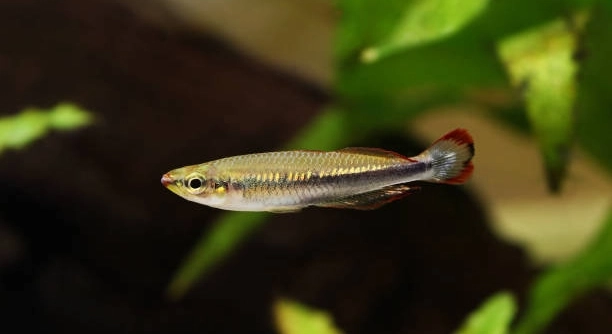
Caring for fish can feel straightforward, but ensuring they are genuinely content requires attention to subtle cues. Many fish owners focus on water quality, yet satisfaction involves much more than just a clean tank. Observing behavior and environment closely reveals deeper insights.
Fish satisfaction can be assessed through a combination of behavioral observation, environmental adjustments, and careful monitoring of health indicators. Subtle changes in swimming patterns, feeding response, and interaction with tank mates provide reliable measures of overall well-being.
Learning to recognize these signs allows you to maintain a balanced habitat. Small, intentional adjustments can make a significant difference in your fish’s daily comfort and happiness.
Observing Swimming Patterns
Fish express satisfaction through their movement in the tank. Calm, steady swimming often indicates comfort, while erratic or listless behavior can signal stress or discomfort. Active exploration of the environment, gentle gliding among plants, and consistent routines are positive signs. Seasonal or daily changes may slightly alter behavior, but persistent deviations should be noted. Observing how fish interact with tank structures, decorations, and each other can provide subtle clues about their contentment. Stress can arise from overcrowding, sudden temperature shifts, or poor water quality, so swimming patterns are a simple, immediate way to gauge overall well-being. It’s important to record these behaviors over time to spot trends, ensuring any interventions are timely and effective. Small adjustments, like repositioning plants or providing more open swimming space, can have a noticeable impact on comfort. Monitoring movement consistently makes it easier to maintain a stable and healthy environment for all fish species in the tank.
Swimming habits are often the first sign of satisfaction or stress in fish, making observation crucial for their care.
Tracking swimming patterns requires patience. It is helpful to note time spent near surfaces, hiding, or exploring. These observations help identify discomfort early and allow for minor adjustments in environment or care routines. Over time, consistent monitoring ensures fish remain relaxed, active, and healthy.
Feeding Response and Appetite
A fish’s reaction to food is a clear measure of satisfaction. Hungry fish display eagerness, approaching feeding areas promptly. Eating slowly or ignoring food may indicate stress, illness, or environmental issues. Observing the frequency and enthusiasm during feeding helps gauge well-being. Regular feeding times and appropriate portions support both physical health and comfort. Fish may respond differently to various foods, so noting preferences can guide diet adjustments. Sudden changes in appetite are important to track and investigate promptly. Additionally, how fish compete for food or share feeding space provides insight into their social satisfaction. Ensuring all individuals receive adequate nutrition while maintaining peaceful interactions strengthens their contentment. Consistency in feeding routines helps build trust, reduces anxiety, and encourages natural behavior. Overfeeding can be as harmful as underfeeding, so careful observation and moderation are key to maintaining a balanced, healthy environment. Paying attention to these subtle feeding cues ensures long-term comfort and stability for your tank inhabitants.
Feeding response directly reflects fish satisfaction and overall health, making it an essential aspect of daily care.
Monitoring feeding habits involves noting portion size, speed of consumption, and interactions during mealtime. Over time, these details reveal patterns indicating whether adjustments in diet, tank setup, or feeding frequency are needed. Consistent observation promotes both physical health and psychological comfort, ensuring a thriving aquatic environment.
Interaction with Tank Mates
Peaceful interactions among fish indicate comfort and satisfaction. Aggressive chasing, hiding, or constant avoidance are signs of stress or imbalance in the tank environment.
Observing how fish relate to each other is key. Fish that swim calmly together, share spaces without conflict, and engage in gentle displays show social contentment. Problems often arise from overcrowding, incompatible species, or competition for resources. Adjusting tank layout, providing sufficient hiding spaces, and monitoring the number of fish can reduce tension. Social satisfaction is closely linked to overall well-being, making it essential to watch interactions daily. Even small signs of stress, like minor skirmishes, should be addressed promptly to prevent escalation and maintain harmony.
Ensuring compatibility involves knowing species behavior and adjusting the environment. Adding plants, rocks, or visual barriers allows shy or territorial fish to feel secure. Observation over time confirms which arrangements foster peaceful coexistence.
Environmental Engagement
Fish explore and use their environment actively when satisfied. They interact with plants, decorations, and substrate without hesitation. Their curiosity reflects comfort and familiarity.
A well-structured tank promotes engagement. Fish swim through tunnels, hide in caves, or nibble on plants, showing interest and reducing boredom. Inadequate enrichment can lead to stress, lethargy, or repetitive behaviors. Providing variety in textures, shapes, and hiding spots encourages natural activity. Maintaining clean water, stable temperature, and proper lighting enhances these interactions. Environmental engagement supports both mental stimulation and physical health, making it an important factor in overall satisfaction.
Regularly changing decorations or adding new elements in moderation keeps the tank interesting. Observing how fish respond to these changes helps determine what improvements increase activity and comfort. Environmental adjustments tailored to species needs create a healthier, more satisfying habitat for all fish.
Resting and Hiding
Fish that rest in calm areas or use hiding spots appropriately show comfort in their environment. Sudden changes in hiding behavior may indicate stress or discomfort.
Providing adequate shelter allows fish to feel secure. Observing their choice of resting spots helps identify whether they are relaxed and confident in the tank’s layout.
Response to Human Presence
Fish may respond subtly to your presence. Approaching the tank without fear often signals trust and comfort. Regular, gentle observation can strengthen this bond.
Physical Appearance
Healthy, vibrant coloration and intact fins indicate well-being. Dull colors or frayed fins may reflect stress, poor diet, or illness. Observing physical traits regularly ensures issues are addressed promptly, maintaining overall satisfaction and health.
Reproductive Behavior
Signs of breeding behavior often indicate comfort and contentment. Fish that engage in courtship or nesting are likely thriving in a stable environment.
FAQ
How can I tell if my fish are happy in the tank?
Happy fish usually swim steadily, explore their surroundings, and interact calmly with tank mates. They respond eagerly to food and use hiding spots naturally. Consistent behavior, vibrant colors, and smooth fins are also good indicators. Observing them daily helps identify positive or negative changes.
What behaviors indicate stress or discomfort?
Erratic swimming, hiding constantly, refusing food, or aggression toward other fish are signs of stress. Changes in coloration, frayed fins, or lethargy can also indicate problems. Addressing water quality, overcrowding, and diet often resolves these issues before they worsen.
How important is tank layout for fish satisfaction?
Tank layout is crucial. Plants, rocks, and decorations provide hiding spots and stimulation. Open swimming areas reduce aggression, while varied structures encourage natural exploration. Adjusting layout based on species needs supports both mental and physical health.
Can feeding routines affect satisfaction?
Yes. Fish thrive with consistent feeding schedules and appropriate portions. Overfeeding or irregular timing can cause stress and health problems. Observing appetite helps adjust diet to each species’ needs.
Do fish notice my presence?
Many fish become comfortable with regular, calm observation. Approaching the tank slowly without sudden movements allows them to feel safe. Positive responses, such as swimming toward the front or increased activity, indicate trust.
How often should I monitor water conditions?
Daily checks for temperature, pH, and cleanliness are essential. Stable water conditions directly influence behavior, appetite, and physical health. Sudden fluctuations can lead to stress and illness. Routine maintenance supports satisfaction and longevity.
Is social interaction important for fish?
Yes. Compatible species that share space peacefully show higher satisfaction. Overcrowding or incompatible tank mates can cause stress and aggression. Observing interactions and providing hiding areas ensures comfort and reduces tension.
Do fish need mental stimulation?
Fish benefit from environmental enrichment. Plants, tunnels, and varied textures encourage exploration. Changing decorations occasionally or adding safe objects keeps them engaged, reducing boredom and stress. Active, curious fish are generally more satisfied.
How can I support shy or territorial fish?
Providing hiding spots, visual barriers, and enough space helps shy or territorial fish feel secure. Observing interactions allows adjustments in layout or population to maintain harmony and comfort. Patience is key for long-term satisfaction.
When should I seek professional advice?
If behavioral changes persist, physical symptoms appear, or feeding declines, consult an aquatic veterinarian or specialist. Early intervention ensures health issues are addressed promptly, supporting overall satisfaction and well-being.
Can lighting affect fish behavior and satisfaction?
Yes. Proper lighting supports natural activity patterns and comfort. Too bright or inconsistent lighting can cause stress. Simulating day-night cycles helps fish regulate behavior and maintain natural routines.
Do water temperature and quality influence satisfaction?
Absolutely. Stable temperature and clean water are essential for physical health and comfort. Inconsistent conditions can lead to stress, illness, and changes in behavior. Regular monitoring ensures a supportive environment for all species.
How do I know if my fish feel safe in the tank?
Fish that explore freely, rest in open areas, and show normal feeding behavior generally feel secure. Observing consistent activity patterns and minimal hiding helps gauge safety and comfort. Adjustments in layout or population can improve security if needed.
Can fish show long-term signs of satisfaction?
Yes. Consistent behavior, healthy growth, vibrant colors, and regular social interactions indicate long-term well-being. Maintaining stable conditions and attentive care reinforces satisfaction over time, creating a comfortable and thriving habitat.
What are the most subtle signs of contentment?
Gentle swimming near plants, relaxed resting spots, slow and steady feeding, and peaceful interactions with tank mates are subtle indicators. Paying attention to these small cues over time allows for accurate assessment of comfort.
How often should I observe my fish for satisfaction cues?
Daily observation is ideal. Short, consistent checks allow you to notice changes in swimming, feeding, interactions, and coloration. Recording these observations helps track trends and informs necessary adjustments to environment or care routines.
Can seasonal changes affect fish satisfaction?
Yes. Temperature, lighting, and activity levels may shift with seasonal changes. Monitoring behavior and adjusting environmental factors ensures continued comfort and reduces stress throughout the year.
How do I encourage natural behavior in my fish?
Providing appropriate tank mates, hiding spots, varied textures, and proper feeding encourages natural exploration, social interaction, and foraging behavior. Observing responses to these elements ensures that modifications effectively support satisfaction.
Are all fish species satisfied in the same conditions?
No. Each species has unique needs for space, diet, social interaction, and environment. Tailoring care to species-specific requirements ensures comfort and reduces stress, promoting overall satisfaction and health in a mixed or single-species tank.
What role does routine play in fish well-being?
Consistent feeding, observation, and maintenance routines reduce stress and support predictable behavior. Fish thrive in stable, familiar environments where daily care is reliable, reinforcing comfort and long-term satisfaction.
Can subtle environmental changes improve satisfaction?
Yes. Adjusting plant placement, adding hiding spots, or introducing minor enrichment can enhance comfort. Observing how fish respond helps determine which changes positively affect behavior, social interaction, and overall contentment.
How do I balance tank aesthetics with fish comfort?
Prioritize hiding spots, swimming space, and natural structures while arranging decorations. A visually appealing tank should not compromise safety or accessibility. Monitoring fish reactions ensures both aesthetic and functional needs are met.
What is the best way to track fish satisfaction over time?
Keep a simple log of behavior, feeding response, swimming patterns, interactions, and physical appearance. Reviewing trends helps identify issues early and evaluate whether environmental adjustments improve well-being consistently.
Are minor injuries or color changes always a concern?
Small scratches or temporary color shifts may result from exploration or social interactions. Persistent changes, fin damage, or discoloration require attention to prevent stress, infection, or declining satisfaction.
Can fish communicate satisfaction with subtle gestures?
Yes. Tail movements, fin positioning, and gentle approaches to tank mates or humans convey comfort or contentment. Observing these subtle behaviors adds depth to understanding overall well-being.
Does tank size impact satisfaction?
Adequate space is critical. Overcrowded tanks increase stress, aggression, and limit exploration. Providing species-appropriate volume and open swimming areas promotes healthy behavior, positive interactions, and overall comfort.
What should I do if one fish shows consistent stress?
Identify environmental triggers such as water quality, tank mates, or space limitations. Adjust conditions, provide hiding spots, or isolate if necessary. Persistent stress may require professional advice to ensure health and satisfaction.
Can routine maintenance affect fish happiness?
Yes. Regular water changes, filter cleaning, and careful handling maintain a stable, comfortable environment. Predictable maintenance reduces stress and supports long-term well-being, encouraging natural behavior and contentment.
How do I know if new tank additions affect satisfaction?
Introduce new fish or decorations gradually. Observe behavior, feeding, and interactions over several days. Positive adaptation indicates acceptance, while stress or aggression signals a need for adjustments in layout, population, or enrichment.
Is there a difference between short-term and long-term satisfaction?
Short-term satisfaction may appear in feeding response or swimming activity. Long-term satisfaction includes consistent behavior, vibrant health, social harmony, and active environmental engagement. Monitoring both provides a complete picture of overall well-being.
How can I improve satisfaction for older or less active fish?
Provide easy access to food, gentle water flow, and comfortable resting spots. Adjusting tank layout to minimize stress and competition allows older or slower fish to maintain comfort and health alongside more active tank mates.
What is the best way to encourage shy fish to engage?
Create safe zones, reduce bright lighting, and allow gradual exploration. Patience and consistent observation help shy fish become more comfortable with their environment and interactions over time.
Can stress in one fish affect others?
Yes. Aggression, illness, or erratic behavior in one fish can influence tank mates. Observing group dynamics and addressing issues quickly helps maintain overall comfort and satisfaction throughout the tank.
How do seasonal feeding adjustments support satisfaction?
Some species eat more or less depending on temperature and activity. Adjusting feeding frequency and portions in response to seasonal changes ensures proper nutrition, reduces stress, and maintains satisfaction year-round.
Do fish remember interactions or routines?
Yes. Fish can learn and anticipate feeding times, environmental changes, and human presence. Positive routines reinforce comfort, reduce anxiety, and promote confident, consistent behavior in the tank.
How do I know if enrichment is effective?
Fish that explore new decorations, use hiding spots, or display active foraging behavior respond positively to enrichment. Monitoring engagement helps determine which environmental additions improve comfort and satisfaction.
Can changing tank water too frequently cause stress?
Yes. Sudden, large water changes can disrupt chemical balance and unsettle fish. Gradual adjustments with partial changes maintain stability, reducing stress while keeping the environment clean and healthy.
How do I balance multiple species’ needs?
Research species-specific requirements for space, diet, and social behavior. Provide varied hiding spots, open swimming areas, and compatible tank mates. Observing interactions ensures all species are comfortable and reduces conflict.
What is the most overlooked sign of satisfaction?
Subtle, consistent behaviors like steady swimming, gentle interactions, and normal resting locations are often missed. Tracking these small cues over time provides a clearer understanding of comfort and well-being.
How do I encourage breeding behavior without stress?
Provide optimal water conditions, sufficient hiding spots, and proper nutrition. Avoid sudden environmental changes and monitor interactions. Fish engage naturally when they feel secure, reflecting satisfaction and comfort.
How important is tank lighting consistency?
Consistent lighting supports natural activity cycles. Sudden changes can stress fish, affect feeding, and disrupt behavior. A steady day-night cycle promotes comfort, predictable routines, and long-term satisfaction.
What daily habits support satisfaction?
Observe behavior, monitor feeding, check water quality, and maintain tank structure. Gentle handling and predictable routines reduce stress and reinforce positive engagement. Over time, these habits foster a stable, comfortable environment for all fish.
Can fish feel secure in a bare tank?
Some species tolerate minimal decor, but most benefit from hiding spots, plants, or structures. Security reduces stress, encourages exploration, and allows natural behaviors, which increases overall satisfaction.
How do I know when environmental adjustments are necessary?
Changes in swimming, hiding, feeding, or social behavior signal that adjustments may be needed. Observing patterns over time helps identify specific environmental factors to modify for comfort.
Are water chemistry changes always harmful?
Sudden shifts can stress fish, but gradual adjustments often support health. Maintaining consistent pH, temperature, and cleanliness ensures stability, promoting well-being and satisfaction.
How can I prevent boredom in a single-species tank?
Add varied plants, decorations, and safe enrichment items. Rotate or rearrange elements periodically to encourage exploration and natural behavior. Engaged fish are more active, confident, and satisfied.
Do fish require routine social observation?
Yes. Watching interactions helps detect stress, aggression, or discomfort early. Observing social dynamics ensures a harmonious environment and supports overall satisfaction.
Can temperature fluctuations affect behavior subtly?
Even minor changes can influence swimming speed, appetite, and activity. Consistent temperature maintains comfort, reduces stress, and supports normal daily routines.
What is the best way to track satisfaction long-term?
Keep a log of behavior, feeding response, physical appearance, and interactions. Review trends to identify patterns and inform environmental or care adjustments for lasting well-being.
How do I address gradual color fading?
Check diet, water quality, and lighting. Ensure proper nutrition and stable conditions. Gradual improvements reflect better health and satisfaction.
Can enrichment reduce aggression?
Yes. Providing hiding spots, varied structures, and space reduces competition, allowing fish to interact peacefully and feel secure.
How do I know if a new fish addition is compatible?
Observe interactions closely. Signs of acceptance include calm swimming, shared space use, and minimal aggression. Adjust layout or population if stress or conflict occurs.
Does tank cleanliness influence satisfaction beyond health?
Yes. Clean, clear water encourages natural behavior, exploration, and feeding. A well-maintained tank supports comfort and reduces stress.
How do I respond to sudden behavioral changes?
Check water quality, diet, tank mates, and environmental conditions. Address issues promptly to restore stability, reduce stress, and maintain satisfaction.
Can fish express contentment through group swimming?
Coordinated, calm swimming with tank mates indicates comfort and social satisfaction. Observing group behavior helps gauge overall well-being and tank harmony.
Are minor fin nips always concerning?
Occasional minor nips during social interactions may not be harmful. Persistent or severe damage requires attention to prevent stress, infection, or declining comfort.
How do I balance feeding and social hierarchy?
Ensure all fish access food by spreading portions and providing multiple feeding points. Monitoring interactions reduces competition and supports satisfaction.
Does tank size affect enrichment effectiveness?
Yes. Adequate space allows fish to explore and use enrichment fully. Overcrowding limits engagement and increases stress, reducing satisfaction.
Can observing resting behavior reveal subtle stress?
Yes. Fish resting excessively in hidden spots or unusual areas may be stressed. Tracking resting patterns informs adjustments to improve comfort.
How do I maintain satisfaction in a growing tank?
Gradually increase space, hiding spots, and feeding areas as fish grow. Monitor behavior and health to ensure comfort and reduce stress over time.
Do seasonal light changes affect breeding or activity?
Yes. Adjusting lighting to mimic natural cycles supports normal behavior, activity levels, and potential breeding, reflecting comfort and satisfaction.
How often should I review fish satisfaction logs?
Weekly reviews help identify trends, detect subtle changes, and guide environmental or care adjustments for long-term comfort.
Can enrichment alone improve dull coloration?
Enrichment supports activity and mental stimulation but cannot replace proper nutrition or water quality. Combined care ensures vibrant health and satisfaction.
Are all hiding spots equally effective?
No. Locations, size, and accessibility influence security. Observing use helps determine which spots provide true comfort.
How do I balance observation with stress reduction?
Observe calmly without sudden movements or loud noises. Short, consistent checks allow monitoring without disturbing fish, supporting well-being.
Can tank temperature influence appetite subtly?
Yes. Slight fluctuations may reduce feeding motivation. Maintaining stable temperature ensures consistent appetite and supports overall satisfaction.
How do I adjust care for less active fish?
Provide accessible food, gentle currents, and secure resting areas. Monitor interactions with active tank mates to maintain comfort and reduce stress.
Does adding plants affect satisfaction immediately?
Often yes. New plants provide hiding spots and stimulation, encouraging exploration and natural behavior. Gradual acclimation ensures comfort without stress.
Can consistent human presence reduce fear?
Yes. Calm, predictable observation encourages trust and reduces stress, reflected in active exploration, feeding response, and relaxed behavior.
How do I know if water chemistry changes are too subtle to notice?
Minor changes may not be immediately visible but can affect behavior or appetite. Regular testing helps detect subtle shifts, ensuring stable conditions for comfort.
Can fish benefit from rotation of enrichment items?
Yes. Rotating decorations maintains novelty, encourages exploration, and reduces boredom, supporting overall satisfaction and natural behavior.
How do I know when feeding adjustments are necessary?
Observe appetite, competition, and weight. Changes may indicate dietary needs, environmental stress, or seasonal activity differences. Adjust portions and frequency accordingly.
Does group behavior reflect individual satisfaction?
Yes. Calm, coordinated swimming and minimal conflict suggest comfort among all tank members. Disruption in group behavior signals potential stress or environmental issues.
Can minor aggression indicate normal hierarchy?
Yes. Brief, controlled displays can establish hierarchy without harming fish. Persistent or severe aggression requires attention to maintain satisfaction.
How do I create a safe, stimulating environment for shy fish?
Provide hiding spots, gentle water flow, and gradual enrichment. Allow time to explore, observing responses to ensure comfort and confidence in their surroundings.
Is observation more important than intervention?
Both are important. Observation identifies subtle cues, while timely intervention ensures environmental or social adjustments maintain comfort and well-being.
How can small water changes support satisfaction?
Gradual changes refresh the environment without causing stress. Maintaining stable water chemistry, temperature, and cleanliness improves comfort and encourages natural behavior.
Do shy fish eventually adapt to tank mates?
Yes, with consistent hiding spots, gradual exposure, and compatible companions, shy fish often become more active, confident, and satisfied over time.
How do I address persistent inactivity?
Check water conditions, temperature, diet, and tank interactions. Provide safe spaces and gentle stimulation. Persistent inactivity may indicate stress, illness, or environmental mismatch requiring adjustment or professional advice.
Can tank décor influence breeding behavior?
Yes. Hiding spots, substrate, and plant coverage support courtship, nesting, and spawning. Proper environment encourages natural behavior and reflects satisfaction.
How do I know if fish prefer open swimming or hiding?
Observation of movement patterns, resting locations, and feeding response shows preferences. Adjust layout to accommodate natural tendencies, promoting comfort and satisfaction.
Can seasonal changes in water temperature affect activity subtly?
Yes. Slight shifts can alter swimming speed, feeding, and exploration. Maintaining stable conditions supports comfort, predictable behavior, and overall satisfaction.
Does tank cleanliness affect social dynamics?
Yes. Clean water reduces stress, encourages calm interactions, and supports natural social behavior. Neglected tanks increase aggression and conflict, lowering satisfaction.
How do I maintain satisfaction for long-lived species?
Provide stable environment, consistent routines, appropriate social groupings, and enrichment. Monitor behavior, health, and interactions regularly to sustain long-term comfort and well-being.
Can minor adjustments in lighting improve engagement?
Yes. Slight changes in intensity, duration, or placement can encourage exploration and activity, enhancing mental stimulation and overall satisfaction.
Do fish recognize routine feeding patterns?
Yes. Predictable schedules promote comfort, reduce anxiety, and increase appetite. Consistency reinforces trust in their environment and supports natural behavior.
How can I encourage safe exploration?
Provide gentle water flow, accessible hiding spots, and varied decorations. Observe reactions to ensure comfort while stimulating natural curiosity.
Are there signs of boredom in fish?
Yes. Repetitive swimming, inactivity, or disinterest in environment indicate boredom. Enrichment, varied layout, and social interaction help maintain engagement and satisfaction.
How do I know if fish are overfed?
Excess uneaten food, sluggish behavior, or weight gain indicate overfeeding. Adjust portions to maintain health and comfort.
Does tank location affect satisfaction?
Yes. Quiet, stable areas with moderate lighting reduce stress. Avoid high traffic or noisy spots to maintain comfort and natural behavior.
How do I support fish after introducing new tank mates?
Monitor interactions, provide extra hiding spots, and maintain
Final Thoughts
Maintaining fish satisfaction is more than just keeping water clean or feeding them on time. Observing their behavior, interactions, and physical appearance provides insight into their overall well-being. Calm swimming, active exploration, and proper resting are key indicators of comfort. Fish that respond eagerly to food, interact peacefully with tank mates, and use hiding spots appropriately are likely satisfied in their environment. Paying attention to these subtle cues allows owners to make small, meaningful adjustments that support long-term health. Even minor changes in behavior or appearance can indicate stress or discomfort, so consistent observation is essential. Over time, developing a habit of monitoring swimming patterns, feeding response, and social interactions helps ensure that fish remain healthy, confident, and engaged with their surroundings.
Environmental factors play a significant role in fish satisfaction. Tank layout, decorations, and hiding spots contribute to both mental stimulation and a sense of security. Open swimming areas, plants, and structures encourage natural exploration and reduce stress, while overcrowding or incompatible tank mates can cause tension and aggression. Stable water conditions, proper lighting, and consistent temperature are equally important for comfort and predictable behavior. Fish respond to even subtle changes, and adjusting the environment based on species-specific needs supports both physical health and emotional well-being. Enrichment through varied textures, tunnels, or occasional rearrangement of decorations keeps fish engaged and reduces boredom. Observing how fish use these elements can guide future improvements, creating a balanced and comfortable habitat for all tank inhabitants.
Daily care and routine maintenance are essential for sustaining satisfaction over time. Regular observation, partial water changes, and consistent feeding schedules create stability that fish rely on. Monitoring appetite, coloration, fin condition, and social behavior ensures any issues are addressed promptly. Shy or territorial fish benefit from secure spaces and gradual acclimation, while active or social species thrive with sufficient interaction and stimulation. Recording observations and noting trends can help identify long-term patterns, allowing adjustments that enhance comfort and well-being. Ultimately, attention to detail, patience, and an understanding of fish behavior and environmental needs make it possible to maintain a healthy, satisfying tank. By combining observation, careful care, and thoughtful adjustments, owners can create an environment where fish are not only surviving but thriving, displaying natural behaviors and contentment that reflect a truly balanced habitat.

Hello,
If you enjoy the content that we create, please consider saying a "Thank You!" by leaving a tip.
Every little bit helps us continue crafting quality advice that supports the health, happiness, and well-being of pets around the world, for pets of all shapes, sizes, and species.
We really appreciate the kindness and support that you show us!