
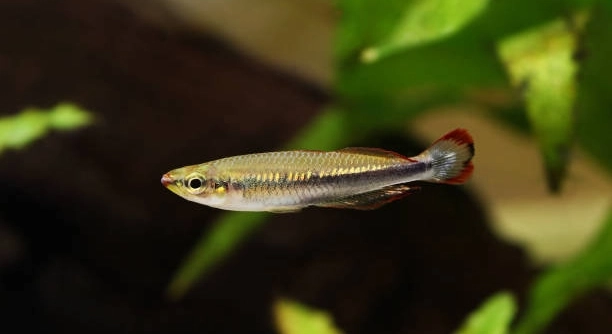
Are your fish constantly jumping or darting around the tank, leaving you worried about their health and comfort? Sudden movements in aquariums are common, but understanding why they occur can help you maintain a peaceful environment for your aquatic pets.
Jumping or darting behavior in tanks is typically caused by environmental stressors, poor water quality, improper tank setup, sudden changes in lighting, aggressive tank mates, or insufficient hiding spots. Identifying these causes allows for corrective measures to ensure fish well-being and stability.
Recognizing the root causes of these behaviors will make it easier to create a calmer and healthier home for your fish. Addressing these factors can prevent future stress and improve tank harmony.
Poor Water Quality
When the water in a tank is not clean, fish can become stressed and start jumping or darting. Uneaten food, waste, and decaying plants all contribute to poor water conditions. Ammonia, nitrite, and nitrate levels that are too high can irritate fish and make them restless. Temperature fluctuations also play a role, as sudden changes can shock fish. Even if the water looks clear, chemical imbalances may still exist. Regular testing and partial water changes are essential to keep the tank healthy. I always make it a point to monitor water conditions weekly, as small issues can quickly escalate. Filters need to be cleaned but not over-cleaned, since beneficial bacteria are crucial. Proper aeration and circulation can also reduce stress and prevent darting. Paying attention to these details often makes a noticeable difference in fish behavior.
Maintaining stable water quality with regular monitoring, filtration, and partial water changes is essential to prevent stress-induced jumping and erratic swimming in fish.
Fish respond quickly to changes in water chemistry, so keeping conditions consistent improves their comfort and overall health. Even minor adjustments can calm previously restless fish, creating a more peaceful tank environment for everyone.
Overcrowding
Too many fish in a tank can lead to constant darting and aggressive movements. When space is limited, fish feel threatened and stressed, which often results in jumping.
Overcrowding increases waste production and can reduce oxygen levels, further stressing fish. Each species has a recommended tank size and population density, which should be followed carefully. Aggression among fish becomes more likely in cramped conditions, leading to chasing, nipping, or hiding. Territorial species, in particular, require more space to feel secure. Decorations and plants can help, but they are not a substitute for adequate swimming room. Regular observation helps detect signs of overcrowding, such as constant chasing or erratic movement. Adjusting stocking levels, separating aggressive fish, or upgrading to a larger tank are practical solutions. Providing enough space not only reduces darting behavior but also encourages natural swimming patterns and better overall health. Careful planning and monitoring are key to maintaining balance and harmony in a tank, keeping fish calm and less likely to jump.
Sudden Changes in Lighting
Fish often react to sudden changes in lighting by darting or jumping. Turning lights on or off abruptly can startle them, especially if they are used to gradual shifts.
Rapid light changes trigger stress responses, causing fish to swim erratically or seek shelter. Aquatic plants and decorations can create shaded areas, giving fish a sense of security. Consistent lighting schedules help fish adjust naturally to day and night cycles. Using timers or dimming options reduces sudden brightness, which in turn lowers stress. I’ve noticed that even small adjustments, like closing blinds slowly or using soft lighting at night, can calm previously jumpy fish. Over time, fish become more confident in their environment when lighting changes are predictable and gentle, resulting in smoother, calmer swimming patterns throughout the day.
Maintaining steady lighting also affects feeding and breeding behavior. Fish thrive when they can anticipate environmental conditions. Sudden or extreme light changes disrupt their internal rhythm, leading to more erratic behavior. Gradual dimming, consistent photoperiods, and avoiding reflections or flickers from outside light sources are simple ways to reduce darting. Careful observation of fish reactions to light changes allows you to fine-tune conditions and promote calm activity.
Aggressive Tank Mates
Aggressive fish often cause others to dart or jump. Territorial disputes and chasing create stress in a shared tank.
When fish are constantly pursued or intimidated, they exhibit erratic swimming to escape threats. Some species are naturally dominant, making it essential to research compatibility before mixing fish. Providing hiding spots and visual barriers helps reduce conflict, but it may not eliminate aggressive encounters entirely. In my experience, separating overly aggressive individuals or using larger tanks to give each fish more territory dramatically reduces stress. Observing interactions daily ensures issues are addressed before they escalate, keeping all fish safer and calmer.
Lack of Hiding Spots
Fish often dart or jump when they feel exposed and unsafe. Tanks without sufficient decorations or plants leave them vulnerable.
Providing caves, plants, or ornaments gives fish places to retreat. I’ve seen shy species become noticeably calmer when they have even small hiding spaces.
Poor Diet
A diet lacking proper nutrition can make fish restless. Inadequate vitamins or imbalanced food often lead to hyperactive behavior.
Feeding high-quality food suited to each species is crucial. Overfeeding or irregular feeding schedules can also trigger darting, as fish compete or search for food more aggressively. I noticed calmer behavior when I switched to a consistent feeding routine with varied, species-appropriate food.
Temperature Fluctuations
Sudden or extreme changes in water temperature stress fish, causing erratic swimming and jumping. Maintaining stable temperatures is essential for their comfort and health.
Water Flow Issues
Strong or uneven currents can make fish struggle to swim steadily. Improper water flow often results in darting or continuous movement.
Why do my fish keep jumping out of the tank?
Fish jump primarily due to stress or discomfort in their environment. Poor water quality, sudden changes in temperature, strong currents, or aggressive tank mates can all trigger this behavior. I’ve noticed that when my tanks were overcrowded or lacked hiding spots, fish became more prone to jumping. Keeping the water clean, maintaining a stable temperature, and providing plants or caves significantly reduces this risk. Fish also jump when startled by sudden movements, noises, or abrupt lighting changes, so creating a calm, predictable environment helps keep them inside the tank.
Can overcrowding really make fish dart constantly?
Yes, overcrowding is a major factor in darting behavior. When too many fish share limited space, they feel threatened and stressed, which leads to rapid, erratic swimming. Territorial species are especially sensitive to overcrowding. I’ve found that even adding one or two extra fish in a small tank can increase chasing and darting immediately. Proper stocking levels, sufficient swimming room, and visual barriers like plants or decorations can help reduce tension. Observing fish behavior daily allows adjustments before stress escalates. Overcrowding also worsens water quality, further contributing to restless swimming.
How does water quality affect jumping and darting?
Poor water quality irritates fish and disrupts their natural behavior. High levels of ammonia, nitrites, or nitrates create stress that leads to darting. Even small imbalances can affect sensitive species. I always test water weekly and perform partial water changes to maintain stable conditions. Filtration and aeration are also key, as stagnant water increases discomfort. Temperature fluctuations or inconsistent parameters amplify the problem. Healthy water promotes calmer swimming patterns, and fish gradually adjust once conditions are stable. Regular monitoring is essential to prevent sudden stress reactions and reduce the likelihood of jumping or erratic movement.
Do lighting changes really make a difference?
Absolutely. Fish are sensitive to abrupt changes in light, and sudden brightness or darkness can startle them. I’ve noticed my fish darting immediately when I switched on the main lights without gradually increasing brightness. Using timers or dimmers for a smooth transition can prevent this. Light reflections or flickers from outside sources can also trigger stress responses. Maintaining a consistent day-night cycle improves fish behavior, feeding patterns, and overall comfort. Gradual changes help fish adapt naturally and reduce the frequency of jumping or erratic swimming.
What role do aggressive tank mates play in this behavior?
Aggressive or territorial fish often chase others, causing constant darting. I’ve had species that became extremely stressed when paired with dominant tank mates. Providing hiding spots, rearranging decorations, or separating aggressive fish reduces tension. Choosing compatible species from the start prevents these issues. Even with visual barriers, some aggression may persist, so careful monitoring is necessary. Reducing stress from aggressive interactions directly lowers darting and jumping, allowing all fish to feel safer in their environment.
Can diet influence jumping or erratic swimming?
Yes, nutrition affects energy levels and behavior. Fish that are underfed, overfed, or given improper food may become hyperactive or restless. I noticed calmer swimming after switching to high-quality, species-appropriate diets with consistent feeding schedules. Variety in food also helps maintain overall health and reduces stress-driven behaviors. Irregular feeding can trigger frantic searching or competition, leading to darting or jumping. Ensuring balanced nutrition and avoiding sudden changes in diet keeps fish stable and less likely to display erratic movements.
How do water flow and currents impact fish behavior?
Strong or uneven currents can make fish struggle to maintain position, resulting in constant darting. I observed certain species becoming exhausted or stressed in tanks with high flow. Adjusting filter output or using flow diffusers helps create a more stable environment. Gentle, consistent currents allow natural swimming patterns, reducing stress and the need for erratic movements. Some fish thrive in moderate flow, while others prefer calmer waters, so understanding species-specific needs is important. Properly managing water movement supports both comfort and health.
Are there simple steps to prevent darting and jumping?
Yes, several adjustments make a noticeable difference. Maintaining clean, stable water, providing hiding spots, avoiding overcrowding, feeding a balanced diet, and regulating lighting and flow all help. I’ve found that observing behavior daily allows me to address problems early. Even minor improvements, like rearranging decorations or installing a lid, can prevent jumping. Creating a predictable, secure environment significantly reduces stress-driven behaviors. Consistency in care and monitoring ensures fish remain calm and active without constant erratic movements.
Fish darting or jumping in a tank is a common behavior that often indicates stress or discomfort. Observing these movements carefully can help identify underlying issues before they become serious. Many factors contribute to this behavior, including poor water quality, sudden changes in lighting, overcrowding, aggressive tank mates, lack of hiding spots, improper diet, and water flow problems. Each factor can affect fish differently depending on the species, size, and individual temperament. By paying attention to their environment and behavior, it is possible to reduce stress and create a more stable, calm tank where fish feel safe. Consistent care and observation are key to preventing sudden jumps or erratic movements.
Maintaining water quality is one of the most important steps in ensuring fish remain comfortable and healthy. Testing water regularly for ammonia, nitrites, nitrates, and pH levels, and performing partial water changes when necessary, can prevent many common issues. Stable temperatures and proper filtration further reduce stress. Providing hiding spots with plants, rocks, or decorations allows fish to retreat when they feel threatened. Proper tank stocking ensures enough space for each fish to swim without feeling crowded, which decreases competition and aggression. Adjusting lighting gradually and monitoring water flow can also make a significant difference. Implementing these measures consistently helps fish develop predictable patterns of swimming, feeding, and resting, reducing the likelihood of sudden darting or jumping.
A well-planned tank environment, combined with attentive care, allows fish to thrive. Nutrition plays a key role, as balanced diets and consistent feeding schedules keep fish energetic but not overly stressed. Observing interactions between tank mates helps identify aggressive behavior before it becomes problematic. Simple steps like rearranging decorations, adding barriers, or upgrading to a larger tank can prevent repeated stress. By addressing each factor thoughtfully, fish remain healthier, calmer, and more active in ways that are natural for their species. Regular monitoring, patience, and small adjustments go a long way in maintaining harmony in an aquarium, ensuring that fish can live comfortably without constant jumping or darting.

Hello,
If you enjoy the content that we create, please consider saying a "Thank You!" by leaving a tip.
Every little bit helps us continue crafting quality advice that supports the health, happiness, and well-being of pets around the world, for pets of all shapes, sizes, and species.
We really appreciate the kindness and support that you show us!