
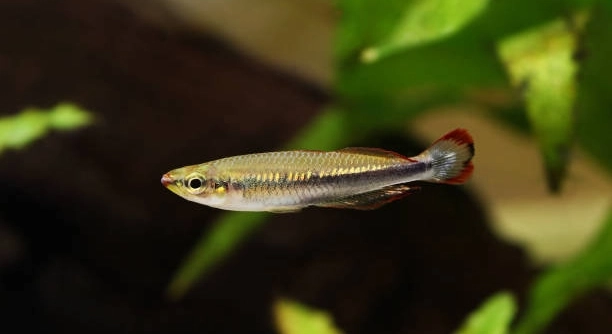
Have you ever noticed your rainbowfish swimming close together in your aquarium? It can be fascinating to watch them form small groups, moving in unison as if they share a silent understanding within their colorful world.
Rainbowfish huddle with others primarily for safety, social bonding, and stress reduction. Grouping together allows them to feel secure, maintain stable social hierarchies, and minimize anxiety caused by environmental changes or potential threats within their habitat.
Observing this behavior provides insights into their natural instincts and social needs, which can improve both their well-being and your experience as an owner.
Why Rainbowfish Prefer Groups
Rainbowfish naturally seek company because it provides safety and reassurance. In their natural habitats, swimming in groups protects them from predators. Being in a group also reduces stress, as they feel more secure surrounded by others of their kind. Social interaction is important for their mental health, helping them stay active and engaged. Observing them closely, you can notice subtle behaviors, like synchronized swimming or quick movements, which indicate communication and group coordination. Grouping also helps establish social hierarchies, reducing conflicts and maintaining balance within the tank. Without companions, rainbowfish can become shy, withdrawn, or even display erratic behavior. When setting up an aquarium, providing enough space for multiple rainbowfish is essential. Their preference for groups is not just instinctual but also a response to environmental stimuli, including light, temperature, and the presence of hiding spots. A well-arranged tank encourages natural schooling behavior, keeping them healthy and vibrant.
Being mindful of their need for company ensures they thrive both physically and mentally.
Creating a suitable environment for rainbowfish involves more than adding tankmates. Water quality, temperature, and tank layout all influence schooling behavior. Providing plants or decorations gives them safe spaces to explore and hide. Observing how they interact can guide adjustments to their surroundings. Consistent care and attention to their social needs help maintain their natural behaviors and prevent stress-related issues. Overcrowding, however, can be harmful, so balance is key. Monitoring their activity and interactions allows owners to notice when adjustments are needed. In essence, respecting their preference for groups while managing space and resources promotes a harmonious aquarium.
Signs Your Rainbowfish Feels Safer in Groups
Rainbowfish that huddle often display calmer movements and consistent swimming patterns.
When rainbowfish feel secure with companions, they exhibit vibrant colors and steady activity throughout the day. Stress indicators, like hiding or erratic darting, are minimal in well-adjusted groups. Watching their synchronized swimming, you can see subtle cues of social bonding. These behaviors highlight the importance of maintaining compatible tankmates and stable conditions. Feeding is smoother in groups, as competition is reduced, and interactions are more predictable. Grouping also allows fish to respond collectively to changes, such as light or disturbances outside the tank, which reinforces their sense of security.
Recognizing these signs helps in creating an optimal environment. Observing their comfort levels can guide tank arrangements, the number of companions, and placement of plants or hiding spots. Ensuring proper nutrition and consistent water parameters supports their social behaviors. Adjusting light cycles and monitoring interactions help prevent bullying or stress. Maintaining compatible group sizes promotes natural schooling, reduces aggression, and encourages active, healthy fish. Small adjustments in tank care can significantly improve their confidence and overall well-being. Over time, the benefits of social stability become evident, enhancing both their behavior and the viewing experience for the owner.
How Tank Setup Affects Grouping
The size and layout of your tank directly influence rainbowfish schooling. A cramped tank can cause stress and break social bonds, while plenty of swimming space encourages natural group behavior. Hiding spots and plants help them feel secure and reduce conflicts.
A well-planned tank layout allows rainbowfish to form stable groups naturally. Open areas give them room to swim together, maintaining coordination and social interaction. Plants, rocks, or driftwood create safe zones where shy fish can retreat when needed. Proper lighting and temperature support their health and activity, while clean water prevents stress-related behaviors. Overcrowding or poor tank conditions can disrupt schooling and increase aggression. Observing their movement patterns helps adjust decorations and spacing for optimal comfort. Ensuring these elements are balanced keeps rainbowfish active, vibrant, and socially engaged.
Tank setup also affects feeding and daily activity. Grouped rainbowfish respond better to feeding times and display less competition when space is adequate. Adjustments to décor and layout can improve their confidence, encouraging natural swimming patterns and reducing hiding or erratic movements. Consistent monitoring ensures their social and physical needs are met.
Choosing the Right Tankmates
Compatible species reduce stress and enhance social behavior in rainbowfish. Aggressive or overly shy fish can disturb their natural schooling and cause anxiety.
Selecting the right companions is crucial. Rainbowfish thrive with species that share similar activity levels, water preferences, and temperaments. Peaceful fish prevent bullying, allowing rainbowfish to swim freely and maintain group cohesion. Avoid mixing with highly territorial species or those that occupy the same niche, as this can lead to stress and disrupt social bonds. Introducing new tankmates gradually helps rainbowfish adjust while maintaining stable group dynamics. Observing interactions over several days ensures compatibility and highlights any issues early, allowing timely adjustments.
Proper pairing goes beyond personality. Matching water parameters, feeding habits, and swimming patterns ensures harmony. A thoughtfully chosen community promotes health, reduces stress, and encourages natural behaviors. Continuous observation and minor adjustments maintain a balanced tank environment where rainbowfish can thrive socially, enhancing their colors, energy, and overall well-being.
Benefits of Schooling
Schooling reduces stress for rainbowfish, making them feel safer and more confident. Being in a group allows them to respond together to changes in their environment, keeping them calmer and more active.
It also supports natural behavior. Fish in groups are more likely to explore, feed consistently, and maintain social bonds, which helps prevent illness and promotes overall well-being.
How Stress Impacts Grouping
High stress levels can cause rainbowfish to isolate or act erratically. Poor water quality, aggressive tankmates, or sudden changes disrupt their natural schooling and increase anxiety. Maintaining stable conditions is essential to prevent behavioral issues and ensure they continue huddling naturally for safety and comfort.
Feeding Patterns in Groups
Rainbowfish in groups often eat more evenly. Competition is lower, and shy fish have a better chance to access food without stress. Proper feeding routines support their health and reinforce social cohesion, encouraging a stable and active group environment.
Monitoring Group Behavior
Regular observation helps spot issues early. Changes in swimming patterns or color can indicate stress, illness, or incompatibility. Responding promptly ensures the group remains healthy and maintains its natural social structure.
FAQ
Why does my rainbowfish always stick close to others?
Rainbowfish stick together primarily for safety and comfort. Schooling is a natural instinct that protects them from perceived threats and helps reduce stress. Being near others makes them feel secure, improves social interaction, and encourages natural swimming patterns. Fish kept alone may appear shy or withdrawn.
Can rainbowfish be happy alone?
While they can survive alone, rainbowfish are much healthier and more active in groups. Solitary fish often display stress behaviors like hiding, erratic swimming, or reduced appetite. Providing at least three to six companions promotes natural behaviors, reduces stress, and helps maintain their vibrant colors and energy levels.
How many rainbowfish should I keep together?
A small group of three to six is generally ideal for most tanks, though larger groups work well in spacious setups. Enough fish allow proper schooling and social interaction without overcrowding. Overcrowding can cause stress and aggression, while too few fish can make them feel insecure and withdrawn.
Do rainbowfish always school in small tanks?
In smaller tanks, rainbowfish may still group but often appear less coordinated due to space limitations. Limited swimming room can increase stress, reduce activity, and disrupt social hierarchies. Providing hiding spots and open areas helps them feel secure while maintaining natural schooling behaviors.
Will rainbowfish school with other fish species?
Yes, but compatibility matters. Peaceful, active fish with similar water and temperature preferences usually integrate well. Aggressive or highly territorial species can disrupt schooling and increase stress. Observing interactions closely and gradually introducing new tankmates ensures harmony and stable group behavior.
Does water quality affect grouping behavior?
Absolutely. Poor water quality increases stress, leading to erratic swimming or isolation. Rainbowfish rely on stable conditions, including temperature, pH, and cleanliness, to maintain social behavior. Regular testing, partial water changes, and proper filtration support healthy schooling and overall well-being.
How do I know if my rainbowfish are stressed?
Signs include hiding, dull coloring, reduced swimming, and lack of appetite. Stress often results from poor tank conditions, incompatible tankmates, or insufficient space. Promptly addressing these issues restores confidence and encourages natural schooling. Healthy rainbowfish should swim actively and interact comfortably within their group.
Does diet influence group behavior?
Yes, a balanced diet supports energy levels and social activity. Hunger or uneven feeding can increase competition and stress within the group. Feeding small amounts multiple times a day ensures all fish eat adequately and maintain natural schooling patterns.
Can introducing new rainbowfish disrupt the group?
Introducing new fish can temporarily affect social structure. Gradual introduction, quarantining newcomers, and providing hiding spots help reduce stress and prevent aggression. Over time, the group adjusts, and schooling resumes normally. Observing interactions during the first days is crucial to ensure harmony.
Are there any long-term benefits of schooling for rainbowfish?
Schooling reduces stress, supports physical health, and encourages natural behaviors. Fish in groups are more active, eat better, and exhibit brighter colors. Social interaction is vital for mental stimulation, helping them thrive and maintain a balanced, healthy life in the aquarium.
How can I encourage rainbowfish to school?
Providing adequate space, compatible companions, and a structured environment encourages schooling. Open swimming areas, plants, and decorations create safe zones and reduce stress. Maintaining clean water, proper lighting, and consistent feeding routines also reinforces natural group behavior and keeps fish confident and active.
Do rainbowfish always stick to the same companions?
They generally prefer familiar companions but can adapt to new members over time. Social hierarchies are established gradually, and providing space for everyone helps reduce aggression. Observing interactions ensures newcomers integrate smoothly and the group maintains cohesion.
Can stress prevent rainbowfish from huddling?
Yes, stress from poor water conditions, aggressive tankmates, or sudden environmental changes can break schooling behavior. Restoring stable conditions and reducing stressors encourages rainbowfish to regroup, swim confidently, and display normal social behaviors once again.
Is it normal for rainbowfish to school only at certain times?
Yes, schooling intensity can vary depending on feeding, light, or perceived disturbances. Fish may cluster tightly when exploring new areas, during feeding, or if startled. Otherwise, they may spread out but still maintain loose social bonds, which is normal behavior in a well-adjusted group.
How does tank size impact their social behavior?
Larger tanks allow more natural movement and better schooling coordination. In cramped spaces, stress increases, swimming patterns are restricted, and interactions may become tense. Providing enough room for both open swimming and hiding helps maintain stable social structures and reduces stress-related behaviors.
Can rainbowfish school improve their health?
Yes, schooling supports mental and physical well-being. Grouped fish exhibit less stress, eat more consistently, and remain active. Social interaction encourages natural behaviors, reduces aggression, and supports immune function, which leads to healthier, more vibrant rainbowfish in the long term.
Do rainbowfish need the same water conditions to school properly?
Yes, stable water conditions are essential. Temperature, pH, and cleanliness directly affect activity levels and group behavior. Inconsistent conditions can lead to stress, isolation, or disrupted schooling. Regular maintenance ensures rainbowfish feel secure and maintain natural social interactions.
How can I tell if my rainbowfish are comfortable with tankmates?
Comfortable fish swim actively together, show vibrant colors, and feed without competition. Minimal hiding or aggressive behavior indicates a well-adjusted group. Monitoring their interactions helps ensure compatibility and a harmonious environment that supports natural schooling patterns.
Are there environmental cues that trigger schooling?
Yes, factors like light, movement, and perceived threats influence schooling. Rainbowfish respond collectively to changes, clustering for security or dispersing during calm periods. Observing their responses helps understand their needs and provides insights for optimizing tank setup and social stability.
Does age or size affect schooling behavior?
Younger or smaller rainbowfish may rely more on companions for protection, while larger fish may lead movements or establish dominance. Maintaining balanced group composition ensures stable social interactions and encourages natural schooling for fish of all ages.
Can rainbowfish lose interest in schooling?
Loss of schooling is usually linked to stress, illness, or poor tank conditions. Addressing environmental issues, providing compatible tankmates, and ensuring sufficient space typically restores their natural grouping behavior over time.
Final Thoughts
Rainbowfish are naturally social creatures, and observing their schooling behavior can be both calming and fascinating. Their instinct to group together is deeply rooted in survival, providing safety and reducing stress. In a home aquarium, replicating this natural environment is key to keeping them healthy and active. When rainbowfish are housed in appropriate groups, they tend to swim confidently, explore their surroundings, and interact more naturally with tankmates. This social interaction is important not just for their mental well-being, but also for maintaining their vibrant colors and overall energy levels. Providing enough companions and maintaining stable water conditions allows them to display these natural behaviors, making your aquarium more dynamic and lively. Small adjustments in tank setup, such as adding plants, decorations, and open swimming spaces, can make a noticeable difference in their comfort and cohesion within the group.
Understanding their need for company also helps prevent common issues like stress, erratic movements, or hiding. Rainbowfish left alone or in an overly small group may appear withdrawn or anxious, which can affect their health over time. Proper tank management, including monitoring water quality, temperature, and lighting, supports their social structure and encourages natural schooling. Additionally, choosing compatible tankmates is crucial, as aggressive or incompatible fish can disrupt their behavior and increase stress. Observing interactions and making gradual introductions when adding new fish helps maintain harmony. By keeping these factors in mind, rainbowfish can thrive in a well-balanced, stable environment, forming strong social bonds and displaying normal behaviors that mimic their natural habitats.
Finally, caring for rainbowfish is a combination of attention to detail, consistency, and observation. Paying attention to their behavior, feeding patterns, and interactions within the group provides valuable insights into their needs. Adjusting tank size, decorations, and companions as needed ensures they remain comfortable and confident. Their schooling behavior is not just an aesthetic feature but an essential part of their mental and physical health. Supporting this behavior helps prevent stress-related problems, encourages active exploration, and allows them to develop natural social hierarchies. In essence, the more you understand and accommodate their social instincts, the more likely your rainbowfish will thrive. Their natural tendency to huddle together reflects their need for companionship, safety, and comfort. By respecting this behavior and creating an environment that encourages it, you can enjoy a vibrant, harmonious aquarium where rainbowfish flourish and exhibit their full range of natural behaviors.

Hello,
If you enjoy the content that we create, please consider saying a "Thank You!" by leaving a tip.
Every little bit helps us continue crafting quality advice that supports the health, happiness, and well-being of pets around the world, for pets of all shapes, sizes, and species.
We really appreciate the kindness and support that you show us!