
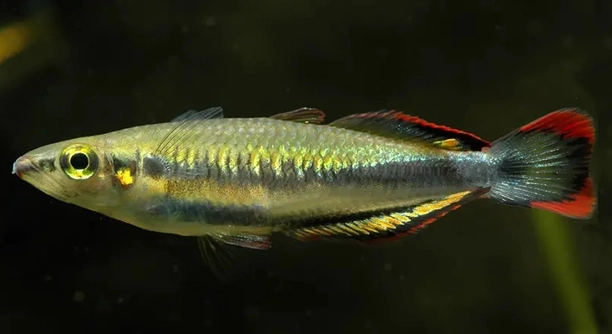
Rainbowfish are known for their vibrant colors and active nature, making them a popular choice for home aquariums. Many fish keepers enjoy observing their behavior during feeding and daily routines. Training them can enhance interaction.
Rainbowfish can be conditioned to respond to feeding cues through consistent repetition and positive reinforcement. By using visual or auditory signals linked with food, they gradually learn to associate the signal with mealtime, demonstrating predictable behavior during feeding sessions.
Learning how to train rainbowfish can improve your aquarium experience and strengthen the connection between you and your aquatic pets.
Understanding Rainbowfish Behavior
Rainbowfish are naturally active and social. They thrive in groups and enjoy swimming in open spaces. Observing them closely reveals patterns in movement, feeding, and interactions with tank mates. Knowing these behaviors is essential for successful training. Each fish has a unique personality, and some may respond faster to cues than others. Feeding time triggers excitement, making it the ideal moment for conditioning. Visual signals, like tapping the tank or showing food, can attract attention. Over time, fish begin to anticipate food based on these signals. Patience and consistency are crucial. Avoid sudden changes in feeding routines, as rainbowfish are sensitive to disturbances. Maintaining a stable environment with proper temperature, pH, and clean water helps reduce stress, which improves receptiveness to training. Combining knowledge of natural habits with structured feeding practices ensures the fish remain healthy, engaged, and more interactive, creating a more enjoyable aquarium experience.
Consistency during training sessions is key to forming predictable behaviors and strengthening responses.
Using gentle repetition, small steps help rainbowfish learn. Starting with a single signal paired with food allows them to understand cause and effect. Short sessions prevent stress and maintain interest. Gradually, fish recognize cues and approach designated feeding spots reliably. Observing responses closely guides adjustments to training techniques. Some rainbowfish may respond faster, while others require extra patience. Incorporating these methods makes feeding time smoother and more engaging. Proper timing, calm movements, and a steady environment enhance learning efficiency. Overfeeding or irregular signals can confuse the fish, so careful monitoring ensures successful conditioning. Establishing a routine benefits both the fish and the caretaker, fostering a balanced, interactive aquarium atmosphere.
Training Techniques and Tips
Short, frequent sessions work best for rainbowfish. Consistency and positive reinforcement help them connect signals with feeding.
Using visual or auditory cues alongside treats encourages learning. Start small, with brief signals and gradual repetition. For example, gently tapping the tank or presenting food consistently at the same location helps them recognize patterns. Pair cues with feeding for several days to reinforce association. Avoid overwhelming the fish with long sessions or too many signals, which can create stress and hinder learning. Observing reactions allows adjustments to speed or frequency, ensuring effectiveness. Proper training respects the fish’s natural behavior, supporting healthy interaction without forcing responses. Gradual progression, patience, and maintaining stable tank conditions maximize success, allowing rainbowfish to respond predictably during mealtime while reducing stress. Rewarding progress reinforces learning and strengthens engagement, making feeding times more enjoyable for both caretaker and fish.
Training rainbowfish requires attention, patience, and respect for their natural tendencies. Begin by introducing simple signals, like hand movements or tapping near the feeding area. Repeat consistently to help them associate cues with food. Use small amounts to maintain interest without overfeeding. Keep sessions short to prevent stress and avoid overwhelming the fish. Observing reactions helps tailor the approach for each individual. Some respond quickly, others slowly, so flexibility is important. Environmental stability, including water quality and temperature, ensures they remain healthy and receptive. Over time, these steps allow rainbowfish to anticipate feeding, approach designated areas, and respond predictably to cues. Proper reinforcement strengthens their behavior while supporting well-being, making training a manageable and rewarding part of daily aquarium care.
Common Challenges During Training
Rainbowfish can be easily startled by sudden movements or loud noises, which may interrupt training sessions. Overfeeding or inconsistent signals can also confuse them. Identifying and minimizing these disruptions helps maintain focus and encourages predictable behavior. Patience is essential when addressing these challenges.
Some rainbowfish may take longer to respond to training due to personality differences or stress from their environment. Ensuring the tank has adequate hiding spots, proper water parameters, and consistent routines reduces anxiety. Overcrowding can cause competition, making it difficult for fish to focus on cues. Gradual training, paired with short sessions and gentle reinforcement, increases their comfort level. Monitoring reactions closely helps adjust techniques to meet individual needs.
Another challenge is maintaining interest over repeated sessions. Fish may ignore cues if signals are too frequent or if food is given in excessive amounts. Varying feeding methods and keeping sessions brief can prevent boredom. Reinforcing positive responses with small portions encourages participation without compromising health. Consistency, patience, and attention to environmental factors help overcome these obstacles, ensuring successful training while supporting the fish’s overall well-being and engagement during feeding time.
Enhancing Feeding Time Interaction
Visual and auditory cues improve response during feeding. Using consistent signals, like tapping the tank or showing food, establishes anticipation. Positive reinforcement encourages fish to approach designated areas.
Structured feeding routines make training effective. Begin with small portions and a clear signal to link action with reward. Gradually, rainbowfish learn to respond promptly. Avoid distractions or sudden environmental changes that could disrupt attention. Short, frequent sessions prevent stress and maintain interest. Tracking progress helps tailor techniques for individual fish, as some may require additional patience or adjustments. Keeping water quality stable and maintaining suitable tank conditions ensures the fish remain healthy, attentive, and responsive. Proper pacing reinforces learning while promoting natural behaviors.
Observing each fish’s reactions is key to improving interaction. Some rainbowfish may respond quickly, swimming directly to the cue, while others need repetition to recognize signals. Adjusting the pace of training based on individual responses prevents frustration and ensures learning is effective. Maintaining calm movements, consistent feeding times, and minimal distractions allows fish to associate cues with food reliably. Environmental stability, including water temperature, pH, and cleanliness, supports focus and reduces stress. Using positive reinforcement, such as small treats or preferred foods, strengthens desired behaviors. Tracking progress encourages incremental improvement, leading to smoother, more engaging feeding sessions that enhance both the caretaker’s and the fish’s experience.
Setting Up the Ideal Training Environment
A calm, stable environment is essential for effective training. Minimize sudden movements, loud noises, and frequent disturbances around the tank. Proper lighting and a clean, spacious aquarium help rainbowfish feel secure and focus on cues during feeding sessions.
Providing clear visibility of cues is important. Keep decorations and plants arranged so fish can easily see the feeding area. Avoid overcrowding to reduce competition and stress. Consistent water temperature and quality improve receptiveness, allowing them to respond reliably.
Choosing the Right Cues
Visual and auditory signals are the most effective for rainbowfish. Simple actions, like tapping the tank gently or showing food consistently, help them associate the cue with feeding. Signals should be short and repeated during each session to reinforce learning.
Timing and Frequency
Short, frequent sessions work best for training. Long sessions can stress the fish and reduce attention. Consistent daily routines help them anticipate feeding, making training more predictable and effective.
Monitoring Progress
Careful observation is necessary to track responses. Note which fish respond quickly and which need more repetition. Adjust cues and feeding methods as needed to ensure each fish learns effectively and maintains engagement.
FAQ
Can all rainbowfish be trained for feeding time?
Not all rainbowfish respond the same way to training. Most can learn to recognize cues, but individual temperament affects how quickly they adapt. Some fish may be shy or less motivated, requiring extra patience. Consistency and positive reinforcement improve the likelihood of success, even with slower learners.
How long does it take for rainbowfish to respond to cues?
Response time varies depending on the fish and training methods. Some may react within a few days of consistent sessions, while others take several weeks. Short, regular sessions are more effective than long, infrequent ones. Observing reactions helps adjust timing and approach to suit each fish.
What type of cues work best for training?
Visual and auditory cues are most effective. Simple actions like tapping the tank, moving a hand near the water, or showing food consistently allow fish to associate the signal with feeding. Avoid overly complex cues, as they can confuse rainbowfish. Repetition is key.
How often should training sessions occur?
Short daily sessions are ideal. Training for five to ten minutes once or twice a day prevents stress while reinforcing behavior. Longer sessions may overwhelm the fish and reduce focus. Keeping a predictable routine helps rainbowfish anticipate feeding and respond consistently.
What foods should be used during training?
Use small portions of favorite foods to maintain interest. Flakes, pellets, or frozen foods work well. Avoid overfeeding, which can reduce responsiveness and cause health problems. Gradually reduce food size as fish learn to associate cues with feeding rather than just the reward.
How do I prevent stress during training?
Minimize sudden movements and loud noises around the tank. Ensure the aquarium environment is stable, with proper water temperature, pH, and clean conditions. Avoid overcrowding and provide hiding spots to help fish feel secure, which increases receptiveness to training cues.
What if my rainbowfish does not respond?
If a fish does not respond, review the training approach. Make cues more consistent, reduce distractions, and shorten sessions. Some fish simply need more time. Patience and careful observation are essential to adjust techniques based on individual behavior.
Can multiple rainbowfish be trained at the same time?
Yes, but start with smaller groups or individual fish for initial training. Overcrowding can create competition and stress, making it harder for fish to learn. Once some fish are conditioned, cues can be applied more broadly to the entire group.
Do rainbowfish retain training long-term?
Rainbowfish can remember learned behaviors if training is consistent. Regular reinforcement is necessary to maintain responses. Skipping sessions for extended periods may reduce recognition of cues, so incorporating occasional practice ensures long-term reliability.
Are there risks to training rainbowfish?
Training is safe if done carefully. Avoid overfeeding, excessive handling, or long sessions that stress the fish. Maintaining a stable environment and observing individual reactions reduces potential risks while enhancing interaction and engagement during feeding time.
How do I track progress effectively?
Keep a simple log of each fish’s responses during sessions. Note which cues work best, response time, and any signs of stress. Tracking progress allows adjustments to methods and pacing, ensuring each rainbowfish learns at its own speed and maintains consistent behavior.
Can training improve overall fish health?
Indirectly, yes. Training encourages activity, reduces stress through predictability, and strengthens natural behaviors. Combined with proper diet and a clean environment, it contributes to overall well-being, making fish more active, responsive, and engaged in their daily routine.
Training rainbowfish for feeding time can be a rewarding experience for both the caretaker and the fish. These small, colorful fish are naturally active and social, which makes them responsive to consistent cues when approached patiently. Using simple visual or auditory signals, such as tapping the tank or showing food at the same spot, helps them associate the action with mealtime. Short, regular sessions are more effective than long or irregular ones, as rainbowfish have limited attention spans and can become stressed if training is too intense. Observing each fish closely allows adjustments based on personality, activity level, and responsiveness, which is essential because not all rainbowfish learn at the same pace. Some may react quickly, while others require more repetition to understand the connection between the cue and the reward. Patience and attention to detail are key components of a successful training routine, ensuring the fish remain healthy and engaged throughout the process.
Consistency in training is important for establishing predictable behavior in rainbowfish. Daily routines with brief, focused sessions allow fish to anticipate feeding, making them more interactive and less anxious. Overfeeding should be avoided, as it can reduce interest in cues and create health problems, including water quality issues that impact the entire tank. Keeping the environment stable, with proper temperature, pH, and clean water, helps rainbowfish feel secure and ready to respond. Structured training also benefits multiple fish, but starting with smaller groups or individual fish ensures less competition and stress, which increases success rates. Gradually, as fish begin to recognize cues reliably, the process can be expanded to include the entire aquarium. Tracking progress is useful for understanding which methods work best, noting response times, and identifying any fish that may need extra patience or alternative cues. These practices contribute to more predictable feeding behavior and make daily interactions more enjoyable.
The long-term benefits of training rainbowfish extend beyond improved feeding routines. Fish that are conditioned to respond to cues are often more active, engaged, and less stressed in their environment. The process encourages natural behavior, such as swimming patterns, exploration, and attention to surroundings, while also providing mental stimulation. Positive reinforcement during training supports their overall well-being, creating a healthier and more interactive aquarium. While not every rainbowfish will respond in the same way, carefully tailored methods, consistent routines, and mindful observation allow most fish to learn and maintain these behaviors over time. By combining structured training with proper care, you create an environment where rainbowfish thrive, enjoy regular feeding, and display their vibrant personalities more visibly, adding satisfaction and enjoyment to your aquarium experience.

Hello,
If you enjoy the content that we create, please consider saying a "Thank You!" by leaving a tip.
Every little bit helps us continue crafting quality advice that supports the health, happiness, and well-being of pets around the world, for pets of all shapes, sizes, and species.
We really appreciate the kindness and support that you show us!