
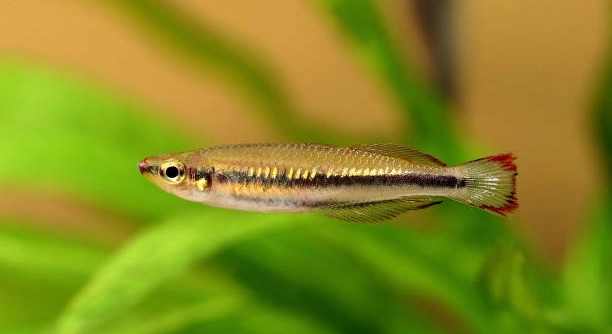
Rainbowfish are small, colorful freshwater fish that brighten up any aquarium. Their shimmering scales and active swimming patterns make them a favorite among hobbyists, creating a lively and engaging environment in both community and species-specific tanks.
Rainbowfish have the ability to sense nearby movement and changes in their environment. They use a combination of their lateral line system and keen vision to detect vibrations and motions, allowing them to respond to the presence of humans or other animals.
Observing rainbowfish behavior can reveal subtle signs of awareness. Their reactions to movement and light shifts provide insight into how they perceive their surroundings.
How Rainbowfish Sense Their Environment
Rainbowfish have a specialized system called the lateral line, which runs along the sides of their bodies. This system allows them to detect vibrations and changes in water pressure, helping them sense when something is near. Their eyesight also contributes, as they are able to notice movements above and around them. In aquariums, this means they can respond quickly when someone approaches the tank, even before physical contact. Observing them, you may notice sudden flicks or swims when you get close. These reactions are natural and rooted in their instinct to stay aware of potential changes. The combination of these senses ensures rainbowfish remain alert and responsive, which is particularly important in smaller tanks where movement can be more easily perceived. They rely on both the subtle vibrations in water and visual cues to understand their surroundings. Their behavior provides insight into how sensitive these fish are to external stimuli, making them fascinating to watch closely.
Their sensitivity makes rainbowfish responsive to even small movements near their tank. They use both touch and sight to detect activity.
These sensory abilities are not just for survival. In an aquarium setting, they help rainbowfish interact with each other and their environment. They may swim closer to areas with more movement, exploring cautiously while maintaining distance from perceived threats. Their responses can vary based on mood, health, and familiarity with their surroundings. Over time, rainbowfish may become more accustomed to certain activities, such as feeding routines, but their natural alertness remains. Understanding how they sense movement helps in creating a calm and suitable habitat, where their behavior can be observed without causing stress. Watching their reactions gives a clearer picture of how instinct and environmental awareness guide their daily actions, making them more engaging to keep in a tank.
Observing Behavioral Responses
When rainbowfish detect movement, they may speed up swimming or cluster together. This reaction is instinctive.
Paying attention to these responses can help in providing the right care. Changes in lighting, nearby activity, or tank setup can influence their comfort and behavior. Maintaining a consistent environment allows them to feel secure while still expressing natural alertness. By understanding their cues, you can anticipate needs such as feeding or adjustments in tank conditions. These observations also help in distinguishing normal behavior from stress or health issues, ensuring a balanced and healthy habitat. Careful monitoring enhances both the well-being of the rainbowfish and the overall enjoyment of watching them interact naturally.
Lateral Line and Vision
The lateral line system helps rainbowfish detect vibrations in water. Combined with their keen eyesight, it allows them to notice nearby movement. These senses work together to keep them aware of changes in their environment and potential disturbances.
The lateral line is a series of sensitive organs along the sides of rainbowfish that respond to water displacement. When something approaches, these organs pick up even subtle changes, signaling the fish to react. Their vision adds another layer of awareness, helping them track movement above and around them. Together, these systems allow rainbowfish to navigate safely, avoid potential threats, and respond to feeding cues. This dual sensing ability ensures they remain alert and responsive in both community and species-specific tanks.
Rainbowfish also rely on vision to interpret details that the lateral line cannot detect, such as color changes or shadows. Their eyes allow them to distinguish between harmless movements and potential threats. This combination of senses creates a reliable system for survival. In a tank, observing how they react to different movements can show how finely tuned these systems are. Their behavior often reflects both instinct and adaptation to their surroundings, making it interesting to see how they adjust to human presence or other fish.
Responses to Human Presence
Rainbowfish often react quickly when someone approaches their tank, showing alertness and curiosity. Their movements are subtle but noticeable.
They may swim closer to glass, flick their fins, or dart away depending on the situation. These responses are natural and demonstrate their ability to sense vibrations and motion. Over time, they may learn to associate regular activity, like feeding, with harmless human presence. Their reactions vary based on individual temperament, health, and familiarity with the environment. Observing these patterns helps in understanding how rainbowfish perceive their surroundings, as well as in creating a calm and comfortable habitat. Consistent care and minimal sudden disturbances can reduce stress, allowing them to thrive while still expressing natural alertness.
Feeding Responses
Rainbowfish react noticeably when food is introduced. They quickly swim toward the source, showing alertness and anticipation. Their movements become more active, reflecting their ability to sense subtle changes in the water and associate them with feeding times.
Even small vibrations from dropping food can trigger a response. Rainbowfish detect these cues through their lateral line, combining instinct and learned behavior to react efficiently.
Interaction with Tank Mates
Rainbowfish display coordinated movements with other fish, often adjusting speed or direction. Their sensory systems help maintain spacing and reduce conflict, ensuring smoother interactions within the group.
Stress Indicators
Rapid darting, hiding, or staying at the bottom can signal stress. These behaviors often arise from sudden movements, changes in lighting, or overcrowding in the tank. Observing such signs helps in managing a calm environment and maintaining their well-being.
FAQ
How do rainbowfish sense movement in their tank?
Rainbowfish rely on their lateral line system, a series of sensitive organs along their sides that detect vibrations and pressure changes in the water. This system allows them to sense movement nearby, whether it’s from other fish, human presence, or objects in the tank. Their vision works alongside this, helping them notice movement above and around them. Together, these senses ensure they can respond quickly to potential threats or changes in their environment. In an aquarium, this means even small motions near the tank can catch their attention, prompting them to swim or flick their fins.
Can rainbowfish recognize humans?
Rainbowfish do not recognize humans in the way mammals might, but they can learn to associate regular patterns with safety or feeding. Over time, they may swim closer to areas where they anticipate food or movement associated with humans. Their reactions are based on repeated experiences, not personal recognition. They may appear curious or alert, but this is a combination of instinct and learned behavior rather than a conscious awareness of a person.
Why do rainbowfish dart away suddenly?
Darting is a natural response to perceived threats. Rainbowfish are highly sensitive to vibrations and sudden movements. Even shadows, changes in lighting, or quick hand motions can trigger this behavior. In a tank environment, it is a defensive reaction designed to avoid potential danger. Watching these sudden movements can help in understanding when they feel stressed or when the tank environment needs adjustment to reduce disturbances.
Do rainbowfish respond to sound?
Yes, to some extent. While they do not hear in the same way humans do, vibrations in the water caused by sound waves can be detected through their lateral line system. Loud noises near the tank or tapping on the glass may create vibrations that the fish can sense, prompting them to swim away or become more alert. Maintaining a quiet and stable environment helps them feel secure and reduces unnecessary stress.
How can I tell if my rainbowfish is stressed?
Stress in rainbowfish can show through specific behaviors such as hiding, staying at the bottom of the tank, rapid darting, or loss of appetite. Overcrowding, sudden changes in water conditions, or inconsistent lighting can also contribute to stress. Observing their patterns and reactions can provide clues to their comfort level. Adjusting tank conditions and maintaining consistent care can help reduce stress and support their overall health and activity.
Are rainbowfish more active when people are nearby?
They may become more alert, but this varies by individual fish and their familiarity with humans. Some rainbowfish will swim closer to the glass, flick fins, or move actively in response to movement. Others may retreat or hide. This reaction is driven by their sensitivity to vibrations and visual cues rather than curiosity alone.
Does tank size affect their awareness?
Yes, tank size influences how well rainbowfish can sense their environment. In smaller tanks, movements are more noticeable, and vibrations travel more easily, making them more reactive. Larger tanks allow more space for swimming and exploration, but they still rely on the lateral line and vision to monitor activity around them. A properly sized tank helps balance their awareness with a comfortable space to reduce stress.
How do rainbowfish interact with each other using these senses?
Rainbowfish use their lateral line and vision to coordinate movements and maintain spacing in a group. They can detect nearby motion and adjust swimming patterns to avoid collisions or conflict. This helps maintain a stable social dynamic, reduces stress, and allows them to navigate effectively. Their interactions are subtle but consistent, showing how sensory perception guides their behavior in a tank environment.
Can lighting changes affect their sensitivity?
Yes, rainbowfish are sensitive to changes in lighting. Sudden shifts in light intensity or direction can create shadows or reflections that mimic movement, prompting them to react. Gradual lighting adjustments and consistent cycles help minimize stress and allow them to rely on natural responses rather than unnecessary alertness caused by environmental changes.
Is it normal for rainbowfish to become less reactive over time?
Yes, with regular exposure to predictable routines and low-stress conditions, rainbowfish may show reduced sudden reactions. This does not mean their senses are impaired; instead, they become accustomed to safe, familiar stimuli and focus their alertness on genuinely novel or potentially threatening situations.
Their responses and behavior reflect a combination of instinct, sensory perception, and experience. Watching them carefully helps in understanding their needs, ensuring a healthy, balanced, and engaging environment where they can thrive.
Final Thoughts
Rainbowfish are remarkable in their ability to sense their surroundings. Their lateral line system allows them to detect vibrations and changes in water pressure, while their keen eyesight helps them notice movement above and around them. These abilities work together to keep them alert and aware of potential threats or changes in their environment. In an aquarium setting, this means they can respond quickly to human presence, other fish, or even small objects moving in the water. Their reactions are not random but carefully guided by instinct and their sensory systems. Observing these behaviors gives insight into how sensitive and adaptive rainbowfish are, making them fascinating to watch. The way they respond to movement or vibrations demonstrates the intricate balance between their natural instincts and the influence of their environment.
Over time, rainbowfish can also learn to associate certain patterns or repeated actions with safety or feeding. While they do not recognize humans personally, they can become familiar with routine activities, such as feeding times or regular approaches to the tank. This learned behavior can make them appear more interactive or curious. However, even with this familiarity, their responses remain rooted in instinct and sensory perception. Stress or sudden changes in their environment can still trigger rapid movements, hiding, or other defensive behaviors. Understanding these responses is key to maintaining a calm and healthy aquarium. Adjustments in tank size, lighting, water quality, and the presence of other fish all influence how rainbowfish react to movement and external stimuli. Providing a stable, consistent environment helps reduce stress while allowing them to display their natural alertness and behaviors.
Rainbowfish behavior offers a clear example of how aquatic life relies on a combination of sensory input and instinct. By observing their reactions to changes in water pressure, movement, or vibrations, aquarists can better understand the needs of these fish and create a supportive environment. Their alertness is not just for survival; it also plays a role in social interaction, feeding, and exploration within the tank. Watching them respond to external stimuli can be both engaging and informative, revealing the complexity of their perception despite their small size. Maintaining proper care and a consistent environment ensures that rainbowfish remain healthy, active, and responsive. Their combination of natural instincts, sensory awareness, and learned behaviors makes them a lively and captivating addition to any aquarium.

Hello,
If you enjoy the content that we create, please consider saying a "Thank You!" by leaving a tip.
Every little bit helps us continue crafting quality advice that supports the health, happiness, and well-being of pets around the world, for pets of all shapes, sizes, and species.
We really appreciate the kindness and support that you show us!