
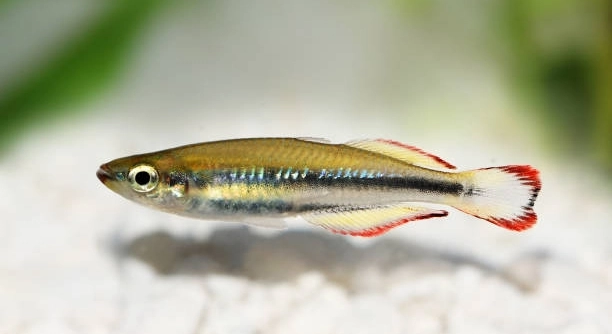
Rainbowfish are lively creatures that often catch the attention of aquarium enthusiasts. Observing their behavior after feeding can be fascinating, as they move with noticeable energy and agility across the tank’s environment.
Rainbowfish swim faster after feeding due to a combination of increased metabolic activity and the immediate availability of energy from ingested food. Nutrient absorption stimulates muscle function, enhancing their swimming speed and overall activity levels for a short period after meals.
Learning about these natural responses can help fish owners provide better care and optimize their aquarium setup for healthy, active rainbowfish.
How Feeding Affects Rainbowfish Energy
When rainbowfish eat, their bodies begin processing the food immediately. Digestion requires energy, and this process triggers an increase in metabolic activity. As their metabolism rises, the fish have more energy to move quickly. Observing them after a meal, you may notice that they swim more energetically than usual. The increased speed is temporary, usually lasting until most of the food is processed. Protein-rich foods tend to produce a stronger response because proteins are efficiently converted into usable energy for muscles. Even small meals can lead to noticeable bursts of activity, making it clear that feeding has a direct impact on how active rainbowfish become. Tank conditions, such as water temperature and cleanliness, also influence how efficiently fish metabolize their food, affecting their post-feeding energy levels. By monitoring their activity after feeding, you can better understand their health and how well their diet meets their needs.
Digesting food boosts rainbowfish activity as their metabolism rises, giving them temporary energy to swim faster and explore the tank more actively.
Observing this behavior provides insight into their natural energy cycles. Fish that swim actively after feeding are typically healthy and receiving adequate nutrition. The increase in speed is a natural response, influenced by food type and tank conditions. Maintaining a balanced diet ensures that these bursts of activity are consistent and safe for the fish. Overfeeding can lead to health issues, while underfeeding reduces activity, making monitoring essential.
Timing and Frequency of Feeding
Consistent feeding schedules help maintain rainbowfish energy patterns, supporting healthy activity levels in the tank.
Feeding rainbowfish at regular times allows their bodies to anticipate nutrient intake, regulating metabolism and activity effectively.
Rainbowfish respond best to structured feeding routines. When they know when to expect food, their digestive systems adapt, promoting efficient nutrient use and predictable energy increases. Skipping meals or irregular feeding can lead to sluggishness, as their bodies may not have adequate energy reserves. Conversely, very frequent feeding may cause overconsumption, stress, and water quality issues. Proper timing ensures they remain active without compromising health, helping you maintain a stable and vibrant aquarium. By observing their post-feeding behavior over time, you can fine-tune both meal size and frequency, balancing energy output with long-term well-being. Consistency in feeding also allows you to notice changes in activity that could indicate health problems early, giving your fish the best chance to thrive.
Types of Food That Boost Activity
High-protein foods like brine shrimp and bloodworms increase rainbowfish energy quickly. Vegetables and flakes provide steady energy but usually result in less dramatic bursts of speed. Proper portioning ensures the fish benefit without overloading their system.
Different types of food affect rainbowfish activity in unique ways. Protein-rich options are converted rapidly into energy, stimulating faster swimming and more agile movements immediately after feeding. Flakes and plant-based foods digest more slowly, giving steady but less noticeable energy. A varied diet ensures they receive balanced nutrients for muscle function, overall health, and natural coloration. Overfeeding high-energy foods can strain digestion and water quality, so moderation is important. Observing which foods trigger the most activity helps you tailor their diet to maintain consistent vitality without causing health problems.
Choosing the right combination of protein, vegetables, and flakes ensures rainbowfish remain active while maintaining good health. Monitoring responses to different foods allows for a diet that supports long-term energy and well-being in the tank environment.
Environmental Factors Influencing Speed
Water temperature and oxygen levels have a direct impact on rainbowfish swimming speed. Cooler water slows metabolism, while well-oxygenated water enhances activity. Proper tank conditions are essential for predictable post-feeding bursts.
Environmental conditions strongly influence how rainbowfish respond after feeding. Warmer water increases metabolic rates, encouraging faster swimming, while cooler water slows digestion and reduces energy levels. Oxygen-rich water supports higher activity by aiding muscle function and overall endurance. Tank size, structure, and water clarity also affect how freely they can move. Crowded or poorly maintained tanks limit movement, even if the fish have plenty of energy from feeding. Monitoring and adjusting temperature, oxygenation, and space ensures rainbowfish can express natural post-feeding behaviors, helping maintain consistent activity patterns and overall health. Proper environmental management works hand in hand with diet to optimize their vitality and swimming performance in captivity.
Post-Feeding Behavior Patterns
Rainbowfish often swim in short bursts after eating, exploring the tank actively. This behavior helps them use the energy gained efficiently and prevents lethargy.
Some fish may also hover near the surface or among plants, gradually slowing as digestion completes. Observing these patterns indicates healthy metabolism and proper feeding.
Muscle Response and Energy Use
When rainbowfish consume food, nutrients are quickly processed into usable energy. Muscles receive an immediate boost, enabling faster swimming and agile movements. This response is part of their natural physiology, where energy from digestion is directly channeled to muscle activity. Over time, as digestion progresses, activity gradually decreases, showing a clear link between energy intake and movement. This pattern is consistent across different types of rainbowfish and emphasizes the importance of both diet and proper feeding amounts. By understanding this connection, you can better manage feeding schedules and food types to support healthy swimming behaviors.
Signs of Healthy Post-Feeding Activity
Active swimming, bright coloration, and consistent movement after meals are good indicators of health in rainbowfish.
FAQ
Why do rainbowfish swim faster immediately after eating?
Rainbowfish swim faster after meals because digestion increases their metabolic rate. When food enters the digestive system, energy is released and quickly supplied to muscles. This energy surge makes them more active, allowing short bursts of faster swimming. Protein-rich foods often produce the most noticeable effect because proteins are efficiently converted into usable energy. The activity usually slows down once digestion progresses and energy from the meal is gradually used.
Does the type of food affect how fast they swim?
Yes, food type plays a significant role in post-feeding activity. High-protein foods like live or frozen brine shrimp, bloodworms, and daphnia provide quick energy that stimulates faster swimming. Flake foods or plant-based foods digest more slowly, resulting in steady energy without dramatic bursts. Mixing different foods can balance energy levels and maintain overall health. Overfeeding high-energy foods may lead to stress or water quality issues, so moderation is key. Observing how your rainbowfish respond to various foods can guide proper diet planning.
How long does the increased activity last?
Typically, rainbowfish show increased swimming activity for 20 to 60 minutes after feeding. The duration depends on the type and quantity of food, as well as water temperature and oxygen levels. Warmer water accelerates metabolism, which can shorten or intensify the activity period, while cooler water slows digestion and movement. The fish gradually return to normal swimming patterns once energy from the meal has been absorbed and utilized. Regular observation helps identify their typical post-feeding behavior and ensures any deviations are noticed early.
Can overfeeding affect swimming behavior?
Overfeeding can reduce activity instead of increasing it. Excess food overwhelms the digestive system and can lead to sluggishness or bloating. Water quality may also deteriorate, further stressing the fish and reducing movement. Feeding appropriate portions supports natural bursts of activity while keeping rainbowfish healthy. Spreading food across multiple small feedings can help manage energy levels and prevent digestive issues. Observing how quickly your rainbowfish become active after feeding can help gauge whether they are being fed the right amount.
Do environmental factors influence their speed?
Environmental conditions like water temperature, oxygen levels, and tank space strongly affect swimming behavior. Warmer, oxygen-rich water encourages higher metabolic rates and faster swimming, while cooler water slows activity. Crowded tanks or poor water conditions can restrict movement even after a meal. Proper tank maintenance ensures rainbowfish can utilize energy efficiently and remain active, reflecting a healthy environment. Adjusting these factors helps maintain predictable post-feeding activity and supports overall well-being.
Is there a difference in activity between younger and older fish?
Younger rainbowfish generally exhibit more energetic post-feeding bursts compared to older fish. Younger fish have higher metabolic rates and more muscle flexibility, which allows them to convert energy from food into movement more efficiently. Older fish may still show increased activity, but the bursts are typically shorter and less intense. Adjusting feeding size and frequency according to age helps maintain healthy energy levels and prevents stress from overfeeding. Observing age-specific behavior ensures their diet meets physiological needs.
How can I tell if my rainbowfish is unhealthy based on post-feeding behavior?
Reduced activity, sluggish swimming, or refusal to move after feeding can indicate health issues. Other signs may include pale coloration, bloating, or erratic swimming patterns. Consistently observing post-feeding behavior allows you to notice abnormalities early. Addressing water quality, diet, and tank conditions promptly can prevent minor issues from becoming serious health problems. Tracking these patterns over time helps maintain a healthy aquarium environment.
Should I adjust feeding times to increase swimming activity?
Yes, feeding at consistent times each day can help regulate metabolism and energy patterns. Rainbowfish tend to anticipate food, which stabilizes activity levels and supports predictable post-feeding bursts. Irregular feeding may reduce activity and cause stress. Maintaining a routine helps ensure proper energy utilization and encourages healthy, active swimming behavior throughout the day.
Can fast swimming after feeding be harmful?
Occasional bursts of activity after feeding are natural and not harmful. Problems only arise if fish are overfed or water quality is poor, which can stress muscles or digestive organs. Controlled, moderate feeding and proper tank maintenance allow rainbowfish to benefit from their natural post-feeding energy without risk. Monitoring behavior helps ensure activity remains healthy and safe.
Does tank size affect how much they swim after eating?
Yes, tank size influences post-feeding swimming. Larger tanks allow more space for energetic bursts, while smaller or overcrowded tanks limit movement. Providing adequate space and hiding spots ensures rainbowfish can express natural behaviors. Observing their activity in relation to tank size can help optimize their environment for both exercise and stress reduction.
Final Thoughts
Rainbowfish are naturally active and lively creatures, and their swimming behavior after feeding is a clear reflection of their health and environment. Observing their bursts of energy can provide valuable insight into how well they are eating and digesting food. The increase in speed after a meal is directly linked to metabolic activity. When nutrients are processed, energy is immediately available to their muscles, allowing them to swim faster and move more freely. This behavior is normal and healthy, showing that their bodies are efficiently converting food into energy. Over time, keeping track of these patterns can help you ensure that your fish are receiving the right diet and maintaining good physical condition. Even subtle differences, like shorter or slower swimming bursts, can indicate changes in health or metabolism that may require attention.
Diet plays a crucial role in determining the strength and duration of post-feeding activity. Protein-rich foods tend to produce the most noticeable bursts of speed, while flakes and plant-based foods provide steadier energy. A balanced feeding routine that includes a mix of nutrients ensures rainbowfish remain energetic without overloading their digestive systems. Overfeeding, on the other hand, can lead to sluggish behavior and water quality issues, which negatively affect swimming and overall health. Adjusting meal sizes and observing the fish’s response helps create a routine that maximizes energy use and supports natural activity. Environmental conditions, including tank size, water temperature, oxygen levels, and cleanliness, also contribute to how effectively rainbowfish can use their energy. Optimal conditions allow them to swim naturally, express healthy behaviors, and show consistent post-feeding activity.
Understanding these patterns can make caring for rainbowfish more manageable and rewarding. By paying attention to how they swim after meals, you gain insight into both their dietary needs and the quality of their environment. Regular observation allows you to make small adjustments, such as feeding at consistent times, choosing appropriate food types, or optimizing tank conditions. These steps not only support healthy activity levels but also contribute to long-term well-being. Keeping a close eye on swimming behavior after feeding is a simple but effective way to monitor the health of your rainbowfish. Over time, these observations can guide you in maintaining a thriving tank where the fish remain active, healthy, and energetic, creating a more natural and enjoyable environment for both the fish and the caregiver.

Hello,
If you enjoy the content that we create, please consider saying a "Thank You!" by leaving a tip.
Every little bit helps us continue crafting quality advice that supports the health, happiness, and well-being of pets around the world, for pets of all shapes, sizes, and species.
We really appreciate the kindness and support that you show us!