
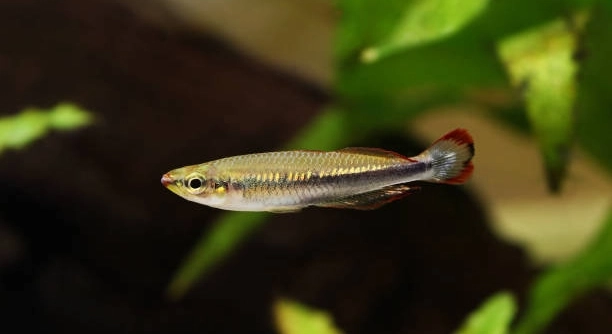
Rainbowfish are small, vibrant fish that bring life to any aquarium. Their sudden movements often catch attention, leaving owners unsure why they dart around so quickly and unpredictably in their environment.
Rainbowfish dart away suddenly primarily due to perceived threats or environmental changes. Sudden movements, reflections, loud noises, or disturbances in water conditions trigger their instinctive flight response, allowing them to avoid potential predators and maintain their safety within the aquarium.
Observing these behaviors closely can help you create a calmer environment. Understanding their triggers ensures your rainbowfish feel secure and swim more naturally in their habitat.
Common Triggers for Sudden Darting
Rainbowfish often dart suddenly in response to external stimuli. Sudden noises near the aquarium, rapid movements outside the tank, or changes in lighting can startle them. Even reflections on the glass or shadows crossing the tank can cause quick bursts of movement. These fish are naturally alert and rely on fast reactions to survive. Environmental changes such as shifts in water temperature or new additions to the tank, including decorations or plants, can also trigger sudden swimming. When their surroundings feel unpredictable, rainbowfish instinctively move quickly to assess safety. Keeping the aquarium consistent in lighting, temperature, and layout reduces these reactions. Additionally, placing the tank in a quiet area away from heavy foot traffic can help them feel more secure. Observing your fish over time can reveal patterns in what causes their darting, helping you adjust their environment accordingly.
Consistency in the tank environment can significantly minimize sudden darting, making rainbowfish calmer and more predictable in behavior.
Providing stable water conditions, gentle lighting, and avoiding abrupt movements around the tank will allow rainbowfish to swim more naturally. Careful observation ensures their comfort and reduces stress.
Adjusting the Aquarium for Calm Behavior
Maintaining stable water parameters is key for rainbowfish.
Ensuring consistent temperature, pH, and cleanliness prevents stress-induced darting. Sudden changes in these factors trigger instinctive responses, making fish move quickly. Proper filtration and aeration contribute to a stable environment that supports natural swimming patterns and overall health.
Adjusting the tank setup can have a big impact on rainbowfish behavior. Start by introducing decorations gradually, allowing the fish to explore new structures at their own pace. Plants and hiding spots help them feel secure, reducing the need to dart when startled. Avoid overcrowding, as excessive population increases stress and sudden movements. Gentle lighting, avoiding direct sunlight or harsh artificial lights, prevents reflections and shadows that can trigger rapid swimming. Observing the fish’s responses over time helps identify which changes calm them. Regular water testing and maintenance ensure that parameters remain stable. A predictable routine, including feeding at consistent times, further reduces stress. These small adjustments create a peaceful environment where rainbowfish can swim freely without unnecessary bursts of movement.
Feeding Habits and Darting
Rainbowfish may dart suddenly during feeding times. Quick movements are often linked to excitement or competition for food. They respond to sudden appearances of flakes or pellets by swimming rapidly to secure their share.
Feeding routines can influence how rainbowfish behave. When food is introduced abruptly, they may startle each other while trying to reach it first. Overcrowding at feeding spots can increase this rapid swimming. Offering food in small, controlled portions helps minimize chaos and allows all fish to eat without stress. Using a consistent feeding schedule also reduces erratic movements by creating predictability in their environment, which rainbowfish respond to positively over time.
Watching how rainbowfish eat can reveal a lot about their temperament. Some may dart more than others, especially if shy fish are competing with bolder individuals. Adjusting portion sizes and feeding locations can reduce stress and help establish calmer feeding patterns.
Interaction with Tank Mates
Rainbowfish react strongly to the presence of other fish in the tank.
Aggressive or overly active tank mates often trigger darting, as rainbowfish try to escape potential confrontations. Slow-moving or similarly sized species create less stress and allow more natural swimming patterns.
Observing interactions between rainbowfish and their tank mates is essential for maintaining a peaceful environment. Fish that are too large or territorial can provoke constant bursts of speed, leading to stress or even injuries. Choosing compatible species and maintaining adequate space prevents overcrowding and allows each fish to establish its own territory. Grouping rainbowfish in small schools helps them feel secure, reducing the need to dart away frequently. Adding hiding spots and plants allows shy individuals to retreat when needed, further minimizing stress. Monitoring behavior over time ensures adjustments can be made to tank composition, promoting harmony and calmer swimming.
Water Quality and Stress
Poor water quality often causes rainbowfish to dart suddenly. High ammonia, nitrite, or nitrate levels irritate them, prompting quick movements. Regular water changes help maintain a calm environment.
Temperature fluctuations can also trigger sudden swimming. Stable water conditions reduce stress and support healthy behavior in rainbowfish.
Importance of Tank Hiding Spots
Hiding spots allow rainbowfish to feel secure. Plants, rocks, and decorations give them areas to retreat when they sense danger. Fish with access to shelters are less likely to dart frequently, showing calmer swimming patterns and reduced stress.
Observing Behavioral Patterns
Tracking when and how rainbowfish dart can reveal triggers. Noticing patterns during feeding, interaction, or environmental changes helps in adjusting tank conditions to reduce stress.
Lighting and Reflection Effects
Bright lights or reflections on the tank walls can startle rainbowfish. Adjusting lighting and minimizing reflective surfaces creates a calmer swimming environment and lowers sudden darting incidents.
FAQ
Why do rainbowfish dart more at certain times of the day?
Rainbowfish often have bursts of activity during feeding times or when lighting changes. Early morning and late afternoon can be particularly active periods. They react to movement and light patterns, which mimic natural environmental cues, triggering quick swimming and sudden darts.
Can sudden darting indicate illness?
Yes, frequent or unusual darting may signal health issues. Parasites, infections, or internal stress can cause erratic swimming. Watching for additional signs like clamped fins, discoloration, or loss of appetite helps determine if veterinary attention or water adjustments are needed. Early detection reduces stress and improves recovery.
Does tank size affect darting behavior?
Smaller tanks can increase stress and sudden darting because fish have limited space to escape perceived threats. Larger tanks with adequate swimming areas allow rainbowfish to move naturally and reduce panic-driven bursts, creating a calmer and more predictable environment.
How does overstocking influence darting?
Overcrowding raises stress levels, leading to frequent darting. Competition for food and territory makes fish more reactive to each other. Ensuring proper population density and providing hiding spots allows each rainbowfish to feel secure and reduces sudden movements caused by tension.
Do decorations and plants help reduce darting?
Yes, hiding spots such as plants, rocks, or caves allow rainbowfish to retreat when startled. Natural shelters give them a sense of security and help limit sudden bursts of speed caused by perceived threats, making the tank a calmer and more enjoyable space for the fish.
Can sudden noises outside the tank affect behavior?
Loud or unexpected sounds nearby startle rainbowfish, prompting darting. Vibrations from footsteps, slamming doors, or electronics can disturb their environment. Placing the tank in a quiet area and minimizing disturbances reduces stress and encourages more relaxed swimming patterns.
Does water flow impact darting?
Strong currents or uneven water flow can make rainbowfish feel unsafe, causing sudden swimming or panic responses. Gentle, consistent flow replicates natural conditions, allowing the fish to navigate comfortably without unnecessary bursts of movement. Proper filtration and positioning of pumps help maintain calm water conditions.
How does group size affect darting?
Rainbowfish are schooling fish, and being in a small or inconsistent group can increase stress. A well-sized school allows them to feel secure, reducing darting as they move together confidently. In contrast, isolated or mismatched numbers can lead to heightened alertness and frequent rapid movements.
Will feeding habits influence sudden movements?
Yes, sudden feeding or uneven food distribution can trigger quick swimming. Rainbowfish compete for food and respond to new flakes or pellets immediately. Regular feeding routines with controlled portions reduce frantic bursts, ensuring calmer behavior while maintaining proper nutrition.
Are reflections in the tank a common trigger?
Reflections can confuse rainbowfish, making them perceive other fish as intruders. This often causes sudden darting. Minimizing reflective surfaces, adjusting lighting, or adding plants along the glass helps reduce visual stress and encourages natural swimming behavior.
Can temperature fluctuations cause darting?
Rapid changes in water temperature trigger stress responses. Rainbowfish are sensitive to temperature shifts, which can result in erratic swimming. Maintaining consistent, appropriate temperatures through heaters and monitoring equipment ensures stable conditions, lowering stress-induced darting.
Do rainbowfish adapt to repeated disturbances?
Over time, rainbowfish can become accustomed to minor environmental changes, reducing sudden movements. Gradual exposure to predictable stimuli like feeding or mild noise helps them adjust. However, abrupt or intense changes will always provoke darting, emphasizing the need for a stable tank environment.
How often should I monitor water parameters to reduce stress?
Regular testing of pH, ammonia, nitrite, nitrate, and temperature is crucial. Weekly monitoring helps detect changes early and prevents conditions that trigger sudden darting. Maintaining stable water parameters creates a safer and calmer habitat, supporting healthy behavior and long-term well-being.
Do different species of rainbowfish react differently?
Yes, some species are naturally more skittish and prone to darting. Knowing the temperament of the specific species in your tank allows you to adjust tank setup, decorations, and lighting accordingly to reduce stress-induced movements.
Can handling or sudden interaction trigger darting?
Yes, abrupt movements near the tank, tapping on the glass, or netting for cleaning can startle rainbowfish. Gentle handling and minimal disturbances keep them calmer and reduce stress, encouraging more natural swimming patterns over time.
How can I tell if darting is normal or a stress response?
Normal darting is brief and tied to predictable stimuli like feeding or light changes. Stress-related darting is prolonged, erratic, and often accompanied by other signs like clamped fins, hiding, or changes in appetite. Observing overall behavior helps distinguish between natural activity and stress-induced responses.
Is darting more common in new tanks?
Yes, newly set-up tanks are unfamiliar environments, so rainbowfish are more likely to dart as they explore and adjust. Gradually introducing them to decorations, hiding spots, and regular routines helps reduce initial stress and sudden movements.
Can diet influence darting behavior?
A poor or inconsistent diet can make rainbowfish more active or anxious during feeding. Providing high-quality, balanced food in predictable portions encourages calmer behavior and reduces frantic darting during mealtime.
Do seasonal changes affect their behavior?
Seasonal shifts in room temperature, daylight, or household activity can influence darting frequency. Maintaining consistent water conditions and tank placement helps rainbowfish adjust, minimizing erratic movements caused by environmental changes.
What role does social hierarchy play in darting?
Dominant fish can intimidate others, causing frequent darting in submissive individuals. Observing interactions and providing ample space or hiding spots reduces tension and allows all rainbowfish to swim with less stress and more confidence.
Rainbowfish are naturally active and alert, and their sudden darting is often a reflection of instincts honed in the wild. This behavior is not unusual and is usually a response to environmental changes, perceived threats, or social interactions within the tank. Understanding the reasons behind these quick movements can help you create an environment that feels safe and predictable for your fish. Observing them closely over time allows you to identify patterns in their behavior, such as specific times of day when darting is more frequent or particular triggers that cause sudden bursts of movement. By noting these details, you can make small adjustments to their tank, which can significantly improve their overall comfort and reduce stress.
Maintaining consistent water conditions is one of the most effective ways to prevent unnecessary darting. Rainbowfish are sensitive to fluctuations in temperature, pH, and water quality, so regular testing and careful maintenance are essential. Gradual adjustments are better than sudden changes, as abrupt shifts can startle the fish and increase their activity levels. Providing hiding spots, plants, and decorations also helps them feel secure and reduces panic-driven swimming. Social factors, such as tank mate compatibility and group size, play a role as well. A well-balanced tank with calm, compatible species allows rainbowfish to feel confident in their space and minimizes the need for rapid escape behaviors. Even subtle factors, like reflections on the tank glass or strong lighting, can affect their comfort, so creating a stable, quiet environment is key to encouraging natural, relaxed swimming.
Feeding routines and daily interactions also influence rainbowfish behavior. Predictable feeding schedules and controlled portions reduce competition and prevent frantic bursts of swimming. Monitoring how the fish respond to feeding, decorations, and social interactions can provide insight into their comfort levels and guide adjustments to the tank setup. Over time, small, thoughtful changes create a stable environment where rainbowfish can swim freely and exhibit normal, healthy behaviors. While sudden darting is a natural response, understanding the triggers and addressing them can lead to a calmer, more harmonious aquarium. This careful observation and attention to their needs not only reduces stress but also enhances the enjoyment of keeping rainbowfish, allowing you to appreciate their beauty and activity in a controlled, peaceful setting.

Hello,
If you enjoy the content that we create, please consider saying a "Thank You!" by leaving a tip.
Every little bit helps us continue crafting quality advice that supports the health, happiness, and well-being of pets around the world, for pets of all shapes, sizes, and species.
We really appreciate the kindness and support that you show us!