
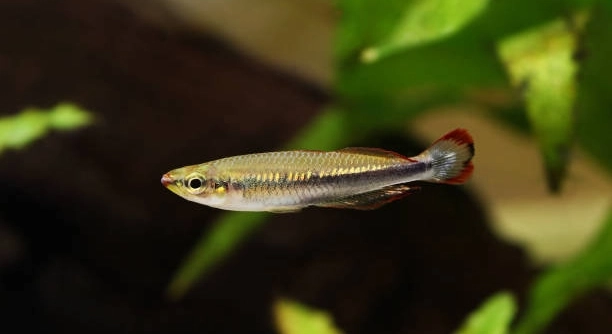
Do you ever notice your rainbowfish darting, spinning, or pacing the tank, leaving you uneasy about its wellbeing and environment? Erratic swimming can feel confusing, especially when your aquarium routine seems consistent and carefully maintained.
Erratic swimming in rainbowfish is most commonly caused by poor water quality, sudden parameter changes, or neurological stress. Elevated ammonia, temperature fluctuations, and inadequate oxygen disrupt normal behavior, impair balance, and force fish to swim unpredictably within confined aquarium conditions.
Recognizing these underlying causes allows you to correct problems early, protect your fish, and restore calm, healthy movement consistently safely.
Water Quality and Environmental Factors
Poor water quality is one of the most common reasons rainbowfish begin swimming erratically. I learned quickly that even small changes can affect sensitive fish. Ammonia and nitrite buildup irritate gills, while high nitrate levels cause stress over time. Sudden temperature shifts disrupt muscle control and balance. Low oxygen levels force fish to dart rapidly near the surface. Inconsistent pH can interfere with normal nerve function. Overfeeding and infrequent water changes worsen these conditions quietly. Cloudy water is not always present, which makes the issue easy to miss. Regular testing reveals problems before behavior changes escalate. Stable parameters help rainbowfish feel secure, reducing frantic movement. When water conditions remain predictable, their swimming becomes smooth, controlled, and natural again. This consistency supports immune health, improves appetite, and allows subtle social behaviors to return, making the aquarium feel balanced and calm once more for both fish and caretaker peace daily observation helps.
Stable water conditions depend on routine testing, measured feeding, and scheduled maintenance. I rely on weekly water changes and temperature checks. These habits limit stress, prevent sudden shifts, and keep rainbowfish swimming calmly instead of reacting to invisible environmental pressure. Consistency matters more than quick fixes in aquariums daily longterm.
Tank size and stocking levels also influence swimming behavior. Rainbowfish need horizontal space to move steadily. Crowded tanks increase competition and overstimulation. I noticed erratic movement when decor blocked open swimming lanes. Strong filter flow can push fish into constant correction. Bright lighting without shaded areas adds tension. Providing plants, driftwood, and open zones creates balance. Appropriate group sizes reduce anxiety and promote schooling. When space, flow, and shelter are adjusted together, rainbowfish regain confidence. Their movement slows, patterns improve, and the tank feels visually calmer. This change also makes daily observation more enjoyable and reassuring for me as well.
Stress, Health, and Sudden Changes
Stress and underlying health issues can also trigger erratic swimming. Transport, new tank mates, or rapid environmental changes overwhelm rainbowfish. I have seen behavior shift within hours. Minor infections or swim bladder issues affect balance, often appearing suddenly without obvious physical signs. Close monitoring and response reduce long term damage.
Erratic swimming should always be addressed promptly to prevent decline. I approach changes methodically, adjusting one factor at a time. Start by testing ammonia, nitrite, nitrate, pH, and temperature. Correct values slowly to avoid shock. Increase surface agitation if oxygen seems low. Observe feeding habits and appetite closely. Skipping meals can signal internal stress. Quarantine new fish before introduction to reduce disease risk. Maintain consistent lighting schedules to support natural rhythms. Avoid sudden decor rearrangements that remove familiar reference points. If behavior persists, consult aquatic veterinary resources or experienced professionals. Document observations daily to track patterns. Over time, this structured response restores stability. Rainbowfish thrive when their environment remains predictable. Calm movement reflects internal balance, good health, and reduced stress. Consistency, patience, and careful observation remain the most effective tools. I have found that slowing down reactions prevents mistakes. Each adjustment deserves time to show results. Rushing solutions often worsens stress. Small, steady corrections build lasting improvement. Healthy rainbowfish display smooth schooling and clear focus. Their behavior becomes an indicator of overall tank stability rather than a source of constant worry. This perspective helps me maintain confidence and enjoy caring routines without unnecessary concern or anxiety building over time again.
Diet and Feeding Habits
Diet plays a direct role in rainbowfish behavior and swimming control. Poor nutrition weakens muscles and affects energy levels. Overfeeding leads to water pollution, while underfeeding causes restlessness. Balanced meals given consistently support stable movement and reduce stress responses noticeably during daily care routines at home aquariums safely longterm overall.
I noticed erratic swimming when feeding schedules became inconsistent or portions varied too much. Rainbowfish expect routine, and missed feedings increase anxiety. Low quality flakes break apart quickly, encouraging frantic chasing. Protein heavy diets without plant matter affect digestion. Variety matters. I rotate flakes, frozen foods, and occasional live options. Small portions prevent waste buildup. Feeding once or twice daily works best. Observing how fish approach food reveals stress early. Calm, orderly feeding often restores smoother swimming patterns within days when paired with stable water conditions and consistent lighting gentle tank flow adjustments applied gradually at home aquariums overall stability.
Uneaten food also impacts swimming behavior by degrading water quality quickly. I remove leftovers within minutes to avoid spikes in ammonia. Sinking foods help reduce surface frenzy. Feeding rings limit scattering. Rainbowfish thrive when competition stays low. Spreading food across the tank prevents aggressive darting. Watching body condition guides portion size. Rounded bellies signal excess. Thin profiles signal increase. Consistent feeding supports predictable movement, better coloration, and calmer social interaction. This routine reduces daily concern and builds confidence in long term care habits for aquariums maintained patiently with observation and adjustment over time consistently at home setups everywhere today overall.
Tank Maintenance and Observation
Routine maintenance influences rainbowfish stability more than many realize. Skipped water changes allow waste to accumulate. I stick to a predictable schedule to avoid sudden corrections. Gentle gravel cleaning preserves beneficial bacteria. Filters need rinsing in tank water only. Stable maintenance prevents stress reactions. Calm swimming often returns after minor adjustments rather than drastic interventions when patience guides each step carefully during regular observation periods at home aquariums over time consistently without rushing changes unnecessarily.
Daily observation helps catch problems before behavior worsens. I spend a few minutes watching swimming patterns, breathing speed, and social interaction. Changes appear subtle first. Scratched glass reflections, clamped fins, or isolation signal stress. Recording notes builds awareness. Maintenance tools stay clean to avoid contamination. Hands rinsed thoroughly before tank contact reduce chemical exposure. Equipment checks prevent heater or filter failures. Small corrections maintain balance. Over time, this habit creates confidence. Erratic swimming becomes rare when attention stays steady. The tank feels predictable, and fish respond with calm, fluid movement that reflects overall health and stable care practices developed through consistent routines patience and mindful responses applied slowly without panic at home aquariums long term for lasting success and reduced stress overall daily care balance.
Lighting and External Disturbances
Lighting and noise levels influence rainbowfish behavior more than expected. Harsh lights cause overstimulation, while constant room activity adds pressure. I noticed calmer swimming after dimming lights and reducing sudden shadows. Consistent day night cycles support natural rhythms and steadier movement patterns overall within the aquarium environment for daily balance.
Leaving lights on too long disrupts rest and increases pacing. Bright reflections trigger chasing behavior. I use timers to maintain stability. Quiet surroundings during evenings help fish settle. This simple adjustment often improves swimming control without changing water parameters or diet routines in a calm home aquarium setting daily consistently.
Tank Layout and Swimming Space
Decor placement affects how rainbowfish navigate their space. Tight layouts force sharp turns and sudden stops. I rearranged rocks and plants to create open lanes. Smooth swimming returned quickly. Sharp edges increase injury risk and stress. Balanced layouts mix shelter with open water. Tall plants break sightlines and reduce chasing. Open centers encourage schooling. Moderate current prevents stagnation without overpowering movement. Observing swimming paths helps guide placement choices. Small changes often produce noticeable improvements in control and confidence. Overcrowded decor limits escape routes and increases tension during feeding and social interactions daily within home aquariums with active rainbowfish groups present.
Group Size and Social Balance
Schooling dynamics influence erratic swimming patterns. Too few rainbowfish increase anxiety. Large groups feel safer and move predictably. I maintain appropriate group sizes to reduce isolation. Balanced numbers encourage coordinated movement, reduce darting, and support calmer social behavior throughout the aquarium environment during daily observation and long term care routines.
FAQ
Why is my rainbowfish swimming erratically only at the surface?
Surface erratic swimming usually points to low oxygen levels or poor water circulation. I noticed this when my tank’s filter flow slowed slightly. Increasing aeration, adding a small air stone, or improving water movement often restores calm surface swimming. Consistent monitoring of oxygen levels prevents repeated episodes.
Could water temperature cause erratic swimming?
Yes, sudden temperature changes stress rainbowfish and affect muscle control. I experienced this after a heater malfunction. Slowly adjusting the temperature back to a stable range helps normalize swimming. Avoid drastic shifts, as even a few degrees can make sensitive rainbowfish react with rapid darting and spinning.
How does diet impact erratic swimming?
Nutrition directly affects energy, balance, and overall health. I saw erratic movement when feeding inconsistent portions or low-quality flakes. Providing balanced, high-quality foods like flakes, frozen, and occasional live foods keeps rainbowfish active yet controlled. Overfeeding leads to waste buildup, which worsens water quality and stress.
Can diseases or infections cause this behavior?
Yes, internal or external infections, swim bladder issues, or parasites can disrupt movement. I noticed a fish swimming sideways after a mild infection. Quarantining new fish, observing for abnormal markings, and treating promptly prevents escalation. Maintaining clean water also reduces disease risk naturally.
Does tank size matter for erratic swimming?
Absolutely. Crowded or small tanks force sudden turns and frantic movements. I rearranged decor and increased open swimming space, and fish became calmer. Rainbowfish need horizontal swimming lanes for smooth movement. Overcrowding increases competition and stress, worsening erratic patterns during feeding or social interactions.
How do sudden changes in the tank affect my rainbowfish?
Rapid changes, like adding new fish, rearranging decor, or sudden lighting shifts, can trigger stress. I keep adjustments gradual. Introducing one new element at a time allows rainbowfish to adapt without triggering panic swimming. Observing their reaction to each change helps prevent repeated stress events.
Why does my rainbowfish swim erratically at night?
Nighttime activity often indicates insufficient hiding spots or unsettled lighting schedules. I added taller plants and driftwood to create shaded areas. Using timers ensures a predictable day-night cycle, which encourages resting behavior. Predictable lighting prevents frantic night swimming caused by unexpected disturbances or shadows.
Can water chemistry fluctuations cause erratic swimming?
Yes. Sudden changes in pH, ammonia, nitrite, or nitrate levels disturb balance. I test my tank weekly and adjust slowly. Maintaining stable parameters prevents erratic swimming. Even minor spikes can temporarily overwhelm rainbowfish, so consistency is key for calm movement and long-term health.
Is schooling behavior related to erratic swimming?
Schooling impacts movement patterns significantly. Too few fish can make rainbowfish anxious, while an appropriate group size encourages coordinated swimming. I maintain at least six rainbowfish together. Social balance reduces darting and supports calmer, synchronized movement, which reflects reduced stress across the entire group.
What should I do if swimming behavior doesn’t improve?
If erratic swimming persists after checking water quality, diet, tank setup, and social factors, consult an aquatic veterinarian or experienced aquarist. I keep a detailed log of observations, including feeding, water tests, and behavior changes. This information helps identify subtle issues like illness, stress, or environmental problems early, ensuring faster recovery and preventing long-term harm.
How often should I monitor my rainbowfish?
Daily observation is essential. I spend a few minutes noting swimming patterns, appetite, and interactions. Frequent checks catch stress signs early, like clamped fins, isolation, or frantic swimming. Consistent attention combined with scheduled water tests and maintenance keeps the aquarium stable, and rainbowfish behavior predictable, reducing erratic movement over time.
Can decorations or tank furniture cause erratic swimming?
Yes, cramped or sharp decorations disrupt movement. I rearranged rocks and plants to create clear swimming lanes. Rounded edges and open spaces allow fluid movement and reduce collisions. Proper placement balances shelter and open water, promoting calm swimming and less stress during feeding or schooling.
Do external disturbances affect rainbowfish?
Loud noises, sudden shadows, and frequent tank tapping trigger erratic movement. I limit nearby activity and create a quieter environment. Consistency in surroundings, including light and sound, keeps rainbowfish calm. They react strongly to unexpected stimuli, so controlling external factors helps stabilize daily swimming patterns naturally.
Can I prevent erratic swimming in the future?
Yes. Maintaining stable water conditions, proper diet, consistent lighting, adequate tank size, and social balance prevents most erratic behavior. I follow a strict routine with weekly tests, careful feeding, and observation. Gradual changes, combined with attention to health and environment, keep rainbowfish swimming smoothly and confidently over time.
Is it normal for rainbowfish to dart occasionally?
Short bursts are normal during feeding or play. I differentiate between brief activity and sustained erratic swimming. Normal darting is energetic but controlled. Persistent spinning, crashing, or constant erratic movements indicate stress, water issues, or health problems that require immediate attention.
Rainbowfish are lively, colorful additions to any aquarium, and their behavior often reflects the overall health of their environment. Erratic swimming is one of the most noticeable signs that something is affecting them, whether it is water quality, diet, stress, or tank setup. Observing fish closely can reveal small changes that might otherwise go unnoticed. Over time, paying attention to their swimming patterns, appetite, and interaction with other fish helps identify potential problems before they escalate. Small, consistent adjustments to their environment can make a significant difference in restoring calm, stable movement. Keeping track of water parameters such as ammonia, nitrite, nitrate, and pH is a fundamental step. Regular maintenance, including water changes and filter care, supports overall stability and reduces stress, which often directly improves swimming behavior. When rainbowfish have a stable and clean environment, they swim more fluidly and show their natural, vibrant activity, which is satisfying for both the fish and the caretaker.
Diet also plays a crucial role in maintaining healthy swimming behavior. Providing a balanced diet that includes flakes, frozen foods, and occasional live options ensures fish receive the nutrients they need for strong muscles and proper digestion. Overfeeding or inconsistent feeding schedules can quickly lead to water quality issues, which, in turn, impact swimming patterns. Observing how rainbowfish respond during feeding times is another way to gauge their stress levels and overall health. Calm, measured swimming during meals usually indicates that the tank conditions and diet are appropriate. I found that dividing food into smaller portions and spreading it across the tank reduced aggressive darting, helped maintain clean water, and encouraged smoother movement. This approach also allows all fish in a group to feed evenly without competition-induced stress. Paying attention to these details creates an environment where rainbowfish feel secure and can thrive naturally.
Tank layout, social dynamics, and external conditions are equally important. Adequate space for swimming, balanced group sizes, and safe, open areas reduce anxiety and erratic movement. I noticed a big improvement when I removed obstacles that forced sharp turns or blocked sightlines. Providing shaded areas and keeping lighting consistent helps rainbowfish maintain a natural rhythm, reducing stress during the day and night. External disturbances such as loud noises or frequent handling can also trigger sudden, frantic swimming. Maintaining a predictable, quiet environment allows fish to feel secure and supports their natural schooling behavior. Patience and observation are key—changes in behavior rarely happen overnight. By combining careful tank maintenance, proper diet, appropriate tank layout, and consistent environmental conditions, rainbowfish are more likely to swim calmly and display their full range of natural behaviors. Over time, these practices create a healthy, balanced aquarium where both the fish and the caretaker can enjoy a stable and harmonious aquatic environment.

Hello,
If you enjoy the content that we create, please consider saying a "Thank You!" by leaving a tip.
Every little bit helps us continue crafting quality advice that supports the health, happiness, and well-being of pets around the world, for pets of all shapes, sizes, and species.
We really appreciate the kindness and support that you show us!