
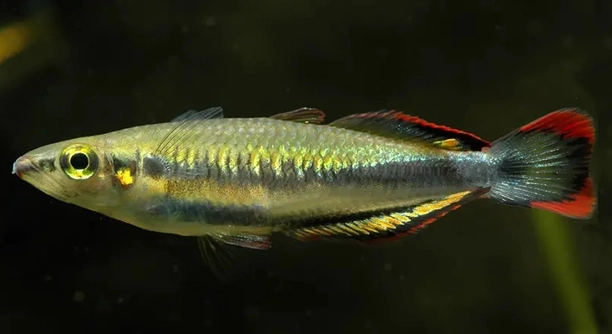
Many aquarium keepers notice rainbowfish losing interest in food, which can feel worrying and unexpected. Feeding changes signal shifts in health, environment, or stress levels, making it important to understand what may be happening beneath.
Sudden appetite loss in rainbowfish is most commonly caused by environmental stressors such as poor water quality, temperature fluctuations, or recent tank changes. These factors disrupt normal metabolic function, suppress feeding behavior, and may indicate underlying health imbalances requiring correction.
By examining water conditions, diet, and behavior patterns, the following sections explain practical steps to restore healthy feeding habits consistently.
Water Quality and Tank Conditions
I have learned that water quality plays a major role in feeding behavior for rainbowfish kept in home aquariums. Elevated ammonia, nitrite, or nitrate levels place constant strain on their bodies, reducing appetite. Temperature swings also matter, since rainbowfish rely on stable warmth to maintain digestion and energy use. Even small changes after water changes, new decorations, or filter adjustments can create stress. Poor oxygen levels slow metabolism and make food less appealing. Lighting that is too bright or inconsistent can further disrupt daily rhythms. When several of these issues combine, rainbowfish often stop eating as a protective response. Correcting water parameters gradually helps restore comfort. Regular testing, slow adjustments, and consistent maintenance create an environment where feeding behavior can normalize over time. I found patience essential, because rushed fixes often worsen stress, while calm observation allows subtle improvements to take hold naturally for rainbowfish health overall and term stability.
Maintaining stable conditions is not complicated, but it does require consistency. Weekly water testing, careful feeding, and avoiding sudden tank changes reduce stress and support normal appetite patterns. I stick to a routine schedule, which helps me notice small shifts before feeding problems become severe in my aquarium setup daily.
Stress from the tank environment often appears before visible illness. Rainbowfish may hide more, swim less actively, or ignore food entirely. These signs usually point to discomfort rather than stubborn behavior. When I slow down and observe patterns, feeding issues make more sense. A calm tank encourages natural schooling and competition for food. Once stability returns, appetite often follows. Keeping changes minimal during recovery allows fish to regain confidence. Over time, steady care builds resilience, making future disruptions less likely to interrupt feeding behavior. This approach has helped me maintain healthier rainbowfish across different tanks with consistent positive results overall.
Health and Dietary Factors
Health concerns can also suppress appetite, even when water conditions appear stable. Internal parasites, bacterial infections, or lingering stress from transport may reduce feeding. I learned that appetite loss sometimes signals the early stages of illness before any physical symptoms become obvious to attentive aquarium keepers watching daily behavior closely.
Diet plays a significant role in whether rainbowfish continue eating consistently. Offering the same food repeatedly can reduce interest, especially if nutritional balance is lacking. High quality flakes, pellets, and occasional frozen foods support better feeding responses. I noticed improved appetite when rotating options and matching food size to mouth shape. Overfeeding, however, leads to waste buildup and reduced water quality, which circles back to appetite suppression. Skipping a feeding day can sometimes reset interest without harm. Quarantine practices also matter, since new fish may carry parasites that affect the entire tank. Observing feces, body shape, and energy levels provides useful clues. Prompt treatment and gentle adjustments protect long term health. When nutrition, health monitoring, and environment align, rainbowfish usually regain steady feeding behavior and remain active. This balance requires patience and careful observation rather than constant intervention. I try to change one factor at a time, allowing clear cause and effect. Consistent records of feeding, water tests, and behavior help identify patterns. Over time, this method reduces stress for both fish and keeper, creating a stable, reliable routine. It also makes feeding enjoyable again and supports long lasting aquarium success overall through thoughtful care and consistency in daily practice.
Tank Mates and Social Stress
Aggressive or overly active tank mates often interrupt feeding time for rainbowfish. Chasing, fin nipping, or crowding causes hesitation and avoidance of food. Even subtle dominance displays can limit access to food, leading quieter fish to stop eating despite appearing physically healthy within shared aquarium spaces during daily feeding periods.
Rainbowfish are schooling fish and depend on calm group dynamics to feed confidently. When housed with aggressive species, their natural behavior changes quickly. I noticed that even peaceful fish may become stressed if feeding areas feel competitive. Fast eaters consume food before rainbowfish adjust, leaving them hesitant. Rearranging decorations can break established dominance zones and improve access. Providing multiple feeding points also reduces pressure. In my experience, separating incompatible species restores normal feeding within days. Social balance matters as much as water quality, and ignoring it often leads to ongoing appetite loss that affect tank stability over time for fish.
Observation during feeding reveals social problems clearly. Rainbowfish that hover at the edges or wait until food sinks are often avoiding conflict. I pay attention to body posture, speed, and spacing during meals. These details show stress before illness develops. Temporary isolation in a breeder box can confirm social pressure as the cause. If appetite returns when separated, tank composition needs adjustment. Choosing compatible species and similar feeding speeds helps prevent future issues. A calm social environment allows rainbowfish to feed naturally, maintain weight, and display brighter coloration consistently over long term captive conditions in home aquariums with proper planning.
Feeding Routine and Human Influence
Inconsistent feeding schedules can confuse rainbowfish and reduce interest in food. Irregular timing disrupts internal rhythms tied to light and activity. I found that feeding at the same times daily improved anticipation. Sudden changes in portion size also matter. Large meals dull appetite later, while very small portions increase competition. Consistency builds trust and encourages steady feeding behavior from fish that rely on predictable care patterns set by their keeper over extended periods of time.
Human interaction often shapes feeding success more than expected. Sudden movements, tapping on glass, or hovering closely can discourage rainbowfish from approaching food. I learned to step back after feeding, allowing them space to eat calmly. Using the same feeding spot reduces confusion and keeps food accessible. Clean hands and tools prevent contamination that may alter food scent. Switching foods too frequently without transition can also cause refusal. Gradual changes support acceptance. Recording feeding responses helped me notice patterns tied to my actions. Small adjustments in routine often restored appetite without altering water conditions or tank layout. Over time, this awareness improved consistency and reduced stress for both fish and caretaker alike during daily maintenance and feeding sessions in stable home aquariums long term care.
Lighting and Daily Cycles
Lighting changes can affect rainbowfish appetite more than expected. Sudden shifts in brightness or photoperiod disrupt feeding cues tied to daily cycles. When lights turn on too late or off abruptly, fish often hesitate, hide, and ignore food until conditions feel predictable again within their established environment and routine patterns.
I noticed improvement after keeping lighting consistent each day. Timers removed guesswork and reduced stress during feeding times. Soft transitions, such as dim periods before full brightness, helped fish adjust calmly. Stable lighting supported confidence, activity, and appetite without changing food types or water conditions in the aquarium long term.
Seasonal and Environmental Influence
Seasonal changes inside the home can subtly influence rainbowfish behavior. Cooler room temperatures slow metabolism, even if heaters appear stable. Barometric pressure shifts and household activity patterns may also play a role. I observed reduced feeding during colder months when ambient light decreased. Adjusting heater placement and confirming thermostat accuracy helped. Increasing daytime lighting hours compensated for shorter natural light. Consistent room temperature reduced fluctuations. These adjustments supported steady feeding without medication. Awareness of seasonal influence prevents unnecessary interventions and helps maintain balance through gradual environmental shifts that affect appetite patterns over time in captive aquarium settings quietly and consistently.
Age and Life Stage Changes
Age and life stage influence feeding response in rainbowfish. Younger fish eat more frequently, while older individuals slow naturally. Breeding periods also reduce appetite temporarily. Recognizing these normal shifts prevented me from overcorrecting and allowed feeding routines to adjust gently without added stress during different phases of development and maturity.
Why do my rainbowfish suddenly stop eating even though water tests look normal?
Rainbowfish may stop eating even when standard water parameters appear acceptable. Stress can come from subtle changes that test kits do not show, such as oxygen levels, flow strength, or recent maintenance. I have seen fish refuse food after filter cleaning or décor rearrangement. These changes alter familiar territory and routine. Appetite usually returns once the environment feels stable again. Observing behavior over several days helps confirm this pattern.
Can stress alone cause rainbowfish to stop eating?
Yes, stress alone is enough to suppress appetite. Social pressure, sudden lighting changes, noise near the tank, or frequent human movement can all contribute. Rainbowfish are alert and responsive to their surroundings. When stress builds, they conserve energy by eating less. Reducing disturbances often restores feeding without further action.
How long can rainbowfish safely go without eating?
Healthy adult rainbowfish can go several days without food, sometimes up to a week, without lasting harm. During short fasting periods, they rely on stored energy. I try not to panic immediately, as rushing changes often worsens stress. If appetite loss extends beyond a week, closer evaluation becomes necessary.
Does overfeeding cause rainbowfish to stop eating later?
Overfeeding can reduce interest in food over time. Excess food lowers water quality and slows digestion. Fish may appear uninterested simply because they are not hungry. I found that smaller, measured portions improved consistency. Skipping an occasional feeding day can help reset appetite without risk.
Why do rainbowfish eat one day and refuse food the next?
Inconsistent feeding often reflects environmental fluctuation or mild stress. Temperature shifts, lighting changes, or social interactions may vary daily. Rainbowfish respond quickly to these changes. Tracking feeding alongside tank conditions helped me see patterns instead of assuming illness.
Can new fish cause my rainbowfish to stop eating?
Yes, adding new fish often disrupts feeding behavior. New arrivals change social structure and increase competition. Even peaceful species can create tension. Quarantine practices reduce this risk. When I introduced fish slowly, feeding issues were shorter and less severe.
Do rainbowfish stop eating when they are sick?
Loss of appetite is often an early sign of illness. Internal parasites, bacterial infections, or stress related disease may appear first as feeding refusal. Watching for weight loss, clamped fins, or lethargy helps confirm concerns. Early response improves outcomes.
Is it normal for rainbowfish to eat less during breeding periods?
During spawning activity, appetite often decreases. Energy shifts toward reproduction, especially in males. This change is usually temporary. I noticed feeding resumed once breeding behavior slowed. Maintaining water quality during this time supports recovery.
Does food type affect feeding refusal?
Yes, food type matters. Old, stale, or poorly stored food may lose scent and appeal. Rainbowfish rely on smell as much as sight. Rotating high quality foods improved response for me. Matching food size to mouth shape also helps.
Can lighting really affect feeding behavior?
Lighting strongly influences daily rhythms. Inconsistent photoperiods confuse feeding cues. Fish may not recognize feeding time if lighting shifts. Using timers restored predictability in my tank. Appetite improved without changing diet or stocking.
Should I change food immediately if my rainbowfish stop eating?
Sudden food changes are not always helpful. If stress is the cause, switching foods can add confusion. I prefer stabilizing conditions first. Once behavior improves, gradual food changes are more effective and better accepted.
Do older rainbowfish eat less than younger ones?
Yes, appetite naturally slows with age. Older fish eat smaller amounts and less often. This change is gradual and normal. Recognizing age related shifts prevented unnecessary treatments in my experience.
Can human behavior influence feeding success?
Absolutely. Standing too close, tapping glass, or frequent interruptions affect feeding. I noticed better results when I stepped back after feeding. Calm presence encourages confidence and steady eating.
When should I worry about appetite loss?
Concern is warranted when appetite loss lasts longer than a week or is paired with visible changes. Weight loss, isolation, or color fading suggest deeper issues. Slow, careful assessment is more effective than quick fixes.
Final Thoughts
Rainbowfish stopping their feeding habits can feel unsettling, especially when everything appears fine on the surface. Over time, I learned that appetite loss is rarely random. It is often a quiet signal that something small has shifted in their environment, routine, or social balance. These fish rely on consistency more than many keepers realize. Even subtle changes in lighting, water flow, or daily activity around the tank can influence how secure they feel. When that sense of security fades, eating is often the first behavior to change. Approaching the situation calmly allows patterns to emerge. Instead of reacting quickly, slowing down and observing usually reveals the underlying cause. This mindset reduces stress for both the fish and the person caring for them, creating a more stable space for recovery.
What helped me most was understanding that fixing feeding issues is rarely about one single action. It is about balance. Water quality, social harmony, feeding routines, and human behavior all interact. Adjusting one area while ignoring the others often leads to temporary improvement followed by relapse. Small, steady changes tend to work better than major adjustments. Keeping records of feeding times, food types, and behavior made it easier to notice trends over weeks rather than days. This approach also builds confidence. Instead of guessing, decisions become informed and measured. Over time, feeding becomes predictable again, and rainbowfish regain their natural activity and coloration. That consistency is a sign that the system is working as a whole, not just at the surface level.
Patience remains one of the most valuable tools when caring for rainbowfish. Appetite loss does not always mean failure or neglect. Sometimes it reflects normal changes tied to age, breeding cycles, or seasonal shifts within the home. Learning when to intervene and when to wait takes experience, but it grows with careful attention. I found that trusting routine and resisting constant changes often produced the best results. A stable aquarium supports resilience, making future disruptions less impactful. Feeding issues become easier to manage when the foundation is strong. With steady care, observation, and restraint, rainbowfish usually return to healthy eating patterns and maintain them long term.

Hello,
If you enjoy the content that we create, please consider saying a "Thank You!" by leaving a tip.
Every little bit helps us continue crafting quality advice that supports the health, happiness, and well-being of pets around the world, for pets of all shapes, sizes, and species.
We really appreciate the kindness and support that you show us!