
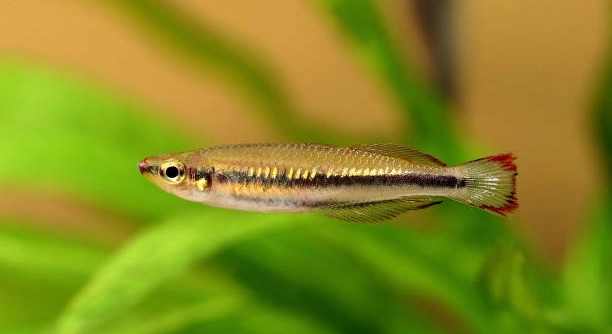
Are your rainbowfish acting unusually or showing behavior that seems off? You may have noticed sudden changes in swimming patterns, appetite, or interaction with other fish in your tank. These shifts can feel concerning for any fish owner.
Rainbowfish may act strange due to environmental stress, illness, improper diet, water quality issues, aggression from tank mates, inadequate hiding spaces, or sudden changes in lighting or temperature. Identifying the cause is essential for maintaining their health and well-being.
Understanding these common triggers will help you correct issues quickly and keep your rainbowfish healthy, comfortable, and thriving in their aquatic environment.
Environmental Stress
Rainbowfish are sensitive to their surroundings, and sudden changes can cause noticeable stress. Loud noises, strong vibrations, or frequent movement near the tank can make them nervous. Even small shifts in their environment, such as rearranging decorations or introducing new equipment, may affect their behavior. They may hide more often, swim erratically, or stay near the bottom of the tank. Maintaining a calm, stable environment is key to keeping them comfortable and reducing unusual behaviors. Proper placement of the tank away from high-traffic areas can make a significant difference. Gradual changes in the tank, rather than sudden ones, help the fish adapt without stress. Observing them daily allows you to spot subtle signs of anxiety early and make adjustments to their surroundings. Stress can also weaken their immune system, making them more prone to illness, so it is important to create a predictable, safe space for them to thrive.
Stress can manifest as lethargy, rapid breathing, or loss of appetite.
Providing hiding spots and a stable tank environment encourages confidence and natural behavior in rainbowfish.
Poor Water Quality
Rainbowfish require clean water with stable parameters. Uneaten food, waste buildup, and inconsistent filtration can quickly degrade water quality. High ammonia, nitrite, or nitrate levels cause irritation and make fish more prone to disease. Sudden shifts in pH or temperature also stress them and lead to abnormal swimming or gasping at the surface. Regular testing and maintenance, including partial water changes, are necessary to maintain a healthy environment. Filtration should be adequate for the tank size, and overcrowding must be avoided to prevent rapid water degradation. When water conditions are poor, rainbowfish may lose color, hide constantly, or show reduced activity. Monitoring these signs allows early intervention before serious health issues develop. Using a reliable water conditioner and following a consistent cleaning schedule ensures your fish remain comfortable and active. Clean water is the foundation of their well-being, and attention to this detail directly impacts their behavior and overall health.
Regular testing and careful maintenance keep water safe for rainbowfish to thrive naturally.
Improper Diet
Rainbowfish need a balanced diet with a mix of flakes, pellets, and occasional live or frozen food. Feeding too much or too little can cause changes in behavior, such as reduced activity or hiding. Diet directly affects their health and coloration.
A lack of essential nutrients can make rainbowfish weak and less active. Overfeeding can lead to bloating, swim issues, or poor water quality, which further stresses them. Offering varied food ensures they receive protein, vitamins, and minerals for growth and vitality. Observing their eating habits can help detect problems early, allowing adjustments to prevent long-term health issues.
Certain foods can also trigger unusual behavior if introduced suddenly. Switching diets gradually allows rainbowfish to adapt without stress. Maintaining a consistent feeding schedule helps regulate their metabolism and reduces aggressive behavior. A balanced, varied diet keeps them energetic and supports their natural coloration, making them more visible and lively in the tank.
Aggression from Tank Mates
Rainbowfish may act strange when other fish display aggression or dominance. Constant chasing, nipping, or bullying can make them hide, swim frantically, or lose appetite. Recognizing signs of aggression is key to maintaining a peaceful tank environment.
Overcrowding increases tension, making aggression more frequent and stressful. Some species are naturally territorial and may not be compatible with rainbowfish. Observing interactions helps identify conflicts early, allowing you to separate or rearrange tank mates. Creating enough hiding spaces, plants, or decorations reduces stress and provides escape routes, encouraging calmer behavior.
Proper selection of compatible species and careful monitoring ensures rainbowfish feel safe and secure. Avoiding overcrowding and providing ample space allows them to swim freely, feed properly, and display normal behavior. By minimizing aggression, you create a stable, harmonious environment that promotes overall health and prevents behavioral issues. Consistency in tank management is essential for their comfort and longevity.
Sudden Changes in Lighting
Rainbowfish are sensitive to abrupt shifts in lighting. Turning lights on or off too quickly can cause stress, leading to hiding, erratic swimming, or loss of appetite. Gradual changes help them adjust naturally.
Using a timer for consistent light cycles maintains their internal rhythm. Sudden exposure to bright light may startle them, so soft transitions are beneficial.
Inadequate Hiding Spaces
Lack of hiding spots can make rainbowfish feel exposed and unsafe. Without plants, decorations, or caves, they may remain near the bottom or corners, avoiding open areas of the tank. Providing multiple hiding areas encourages natural exploration and reduces stress.
Illness or Parasites
Rainbowfish showing unusual behavior may be ill or infected by parasites. Signs include clamped fins, discolored patches, rapid breathing, or scratching against objects. Early detection is crucial for effective treatment. Monitoring their activity and appearance allows prompt action to prevent worsening conditions.
Water Temperature Fluctuations
Sudden changes in water temperature can stress rainbowfish. Even minor shifts may cause lethargy, loss of appetite, or erratic swimming. Maintaining a stable, appropriate temperature ensures comfort and supports normal behavior. Consistent monitoring prevents health issues and keeps the fish active and vibrant.
FAQ
Why is my rainbowfish swimming erratically?
Erratic swimming is often caused by stress, poor water quality, or sudden changes in the tank environment. Check for high ammonia or nitrite levels, sudden temperature shifts, or aggressive tank mates. Providing a stable environment, proper hiding spaces, and consistent feeding can help restore normal swimming behavior.
What does it mean if my rainbowfish hides all the time?
Hiding frequently usually indicates stress or discomfort. This can stem from aggression, inadequate hiding spots, or illness. Ensuring the tank has plenty of plants, caves, and decorations helps your fish feel secure. Observing interactions with other fish and monitoring for signs of disease is also important.
Why has my rainbowfish lost its color?
Loss of coloration can result from poor diet, stress, or illness. Make sure you provide varied food rich in nutrients and maintain clean, stable water conditions. Reducing environmental stress and monitoring for disease can help restore their natural vibrant colors over time.
How do I know if my rainbowfish is sick?
Common signs of illness include clamped fins, discolored patches, rapid breathing, lethargy, loss of appetite, and scratching against objects. Early detection is crucial. Quarantining sick fish and treating them promptly with appropriate medications prevents the spread of disease and helps recovery.
Can overcrowding affect my rainbowfish’s behavior?
Yes, overcrowding can cause stress, aggression, and reduced swimming space. Each rainbowfish requires enough room to move freely. Overcrowded tanks often lead to constant chasing, hiding, or loss of appetite. Adjusting tank size or reducing the number of fish helps maintain a calm, healthy environment.
What foods are best for rainbowfish?
Rainbowfish thrive on a varied diet, including high-quality flakes, pellets, and occasional live or frozen foods. Variety ensures they get sufficient protein, vitamins, and minerals. Gradual changes to their diet help prevent digestive problems and reduce stress, supporting overall health and vibrant coloration.
How often should I change the water in my tank?
Regular water changes are essential to maintain clean water and reduce harmful toxins. Partial changes of 20–30% weekly are recommended. Monitoring water parameters like ammonia, nitrites, and pH ensures the tank remains safe. Clean water supports natural behavior, appetite, and overall well-being.
Why does my rainbowfish chase other fish?
Chasing can be a sign of aggression, territorial behavior, or mating instincts. Aggressive behavior is more common in overcrowded tanks or with incompatible species. Providing ample space, hiding spots, and compatible tank mates reduces tension and encourages peaceful interactions.
Can lighting affect my rainbowfish’s behavior?
Yes, sudden changes in lighting can stress rainbowfish, causing hiding, erratic swimming, or reduced activity. Using a timer for consistent light cycles and soft transitions between light and dark periods helps maintain their natural rhythm and comfort.
Is it normal for rainbowfish to stop eating?
Loss of appetite is often linked to stress, illness, or poor water conditions. Observing other signs, such as lethargy or color changes, can indicate the underlying cause. Addressing water quality, diet, and tank conditions usually restores normal feeding behavior.
How do I reduce stress for my rainbowfish?
Maintaining stable water parameters, providing hiding spaces, avoiding overcrowding, and selecting compatible tank mates helps reduce stress. Gentle handling, consistent feeding schedules, and gradual changes to the environment also contribute to a calm and healthy tank.
Can temperature changes make rainbowfish act strange?
Even minor fluctuations in water temperature can cause unusual behavior like lethargy, rapid swimming, or hiding. Using a reliable heater or thermometer to keep a stable temperature ensures comfort and reduces the risk of stress-related health problems.
How can I tell if my rainbowfish is happy and healthy?
Healthy rainbowfish are active, eat regularly, display bright colors, and swim freely around the tank. They interact calmly with other fish and explore their environment. Regular observation, proper feeding, and maintaining stable water conditions ensure long-term well-being and natural behavior.
What should I do if my rainbowfish continues acting strangely?
If unusual behavior persists, check water quality, diet, temperature, and interactions with other fish. Consulting a veterinarian or experienced aquarist may be necessary. Early action prevents health deterioration and helps your rainbowfish return to normal behavior efficiently.
How can I prevent my rainbowfish from becoming stressed?
Prevent stress by keeping the tank clean, maintaining proper temperature and pH, providing hiding spaces, and avoiding overcrowding. Gradual changes in environment or diet and careful selection of tank mates also minimize anxiety and encourage natural, healthy behavior.
Can parasites affect rainbowfish behavior?
Yes, parasites can cause scratching, lethargy, color changes, and erratic swimming. Early identification and treatment with appropriate medications are essential to prevent worsening symptoms and to protect other fish in the tank. Regular observation helps detect issues before they become severe.
Why do rainbowfish sometimes swim at the surface?
Swimming near the surface can indicate low oxygen levels, high temperature, or stress. Ensuring proper aeration, water circulation, and suitable tank conditions keeps them comfortable and prevents behavior changes associated with oxygen deficiency.
How do I know if my rainbowfish tank is properly maintained?
A well-maintained tank has clear water, stable temperature, consistent pH, and low levels of ammonia, nitrites, and nitrates. Fish appear active, healthy, and display natural colors. Regular cleaning, water changes, and monitoring parameters ensure a stable, comfortable environment for rainbowfish.
What is the best way to introduce new fish to the tank?
New fish should be quarantined before introduction to prevent disease spread. Gradually acclimating them to tank water temperature and conditions reduces stress. Observing interactions after introduction ensures compatibility and minimizes aggression or behavioral issues among rainbowfish.
How long does it take for rainbowfish to adjust to a new environment?
Adjustment time varies depending on stress levels, tank setup, and individual fish. Typically, they adapt within a few days to a couple of weeks. Providing hiding spots, stable water conditions, and a calm environment helps them feel secure and exhibit normal behavior more quickly.
Why is it important to monitor rainbowfish behavior daily?
Daily observation allows early detection of stress, illness, or environmental issues. Identifying unusual behavior quickly enables corrective action, preventing health decline and ensuring your rainbowfish remain active, healthy, and display their natural colors and behavior consistently.
Rainbowfish are vibrant, active fish that bring life and color to any tank, but they are also highly sensitive to their surroundings. Understanding their behavior is key to maintaining their health and happiness. Changes in swimming patterns, hiding habits, or feeding routines are often signals that something in their environment or care routine needs attention. Stress from environmental factors, such as sudden light changes or aggressive tank mates, can significantly impact their behavior. Providing a stable, calm environment with plenty of hiding spaces and compatible companions allows them to feel safe and reduces unusual activity. Consistency in daily care routines, including feeding schedules and water maintenance, plays a large role in keeping them comfortable and active.
Maintaining water quality is equally important. Rainbowfish are particularly sensitive to fluctuations in pH, temperature, and toxin levels like ammonia or nitrites. Regular water testing and partial water changes are essential to prevent health problems that can manifest as erratic behavior. A well-balanced diet with a mix of high-quality flakes, pellets, and occasional live or frozen foods ensures they receive the nutrients necessary for vibrant coloration and energy. Overfeeding or sudden diet changes can also cause stress or digestive issues, so gradual adjustments and observation are crucial. By paying attention to both environmental factors and diet, you can create conditions that support natural behavior, helping your rainbowfish remain lively, colorful, and healthy.
It is also important to monitor their health closely. Signs of illness, such as clamped fins, color fading, rapid breathing, or scratching against objects, should be addressed promptly. Quarantining sick fish, treating diseases early, and observing their interactions with tank mates can prevent more serious problems. Understanding common triggers for unusual behavior, including overcrowding, aggressive companions, temperature fluctuations, and inadequate hiding spots, equips you to take proactive steps in maintaining their well-being. Daily observation allows you to notice small changes before they escalate into significant issues. By combining careful attention to water quality, diet, environment, and overall health, you can ensure your rainbowfish thrive, display natural behaviors, and remain a joyful, vibrant presence in your aquarium for years to come.

Hello,
If you enjoy the content that we create, please consider saying a "Thank You!" by leaving a tip.
Every little bit helps us continue crafting quality advice that supports the health, happiness, and well-being of pets around the world, for pets of all shapes, sizes, and species.
We really appreciate the kindness and support that you show us!