
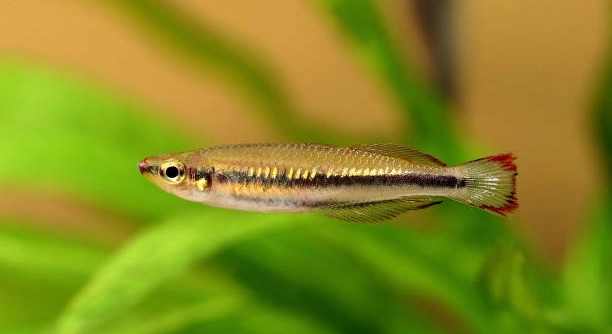
Do your rainbowfish sometimes stop swimming actively and remain unusually quiet in the tank? This sudden change can be worrying for anyone who enjoys watching these vibrant, lively fish. Observing their behavior closely can reveal important clues about their wellbeing.
Rainbowfish may become silent due to stress, illness, or environmental changes. Factors such as poor water quality, sudden temperature shifts, or inadequate hiding spaces can trigger this behavior, signaling the need for prompt attention to ensure their health.
Understanding why your rainbowfish may go silent is important for maintaining a healthy aquarium environment. Paying attention to these signs can help you keep them happy and active.
Common Causes of Silence in Rainbowfish
Rainbowfish often go quiet when their environment changes suddenly. Stress from overcrowding, poor water quality, or aggressive tank mates can make them hide or remain still. Temperature fluctuations, even minor ones, affect their metabolism and energy levels, causing them to swim less and avoid interaction. Nutrition also plays a role; a lack of varied foods can lead to lethargy. Sometimes, illness is the reason, with symptoms including clamped fins, faded color, or reduced appetite. Observing their daily routines can help identify changes early. Providing plenty of hiding spaces, keeping the water clean, and maintaining stable temperatures are simple ways to encourage normal activity. Even routine tank maintenance, like checking filters and monitoring chemical levels, can prevent sudden behavior changes. Paying attention to subtle signals can prevent serious health problems. Regular observation is the key to keeping rainbowfish active and vibrant, ensuring they thrive in a safe, balanced environment.
Stress, illness, and poor water conditions are the most common reasons rainbowfish become silent. Proper care prevents these issues.
Keeping rainbowfish healthy requires consistency. Regularly feeding a balanced diet, monitoring water parameters, and minimizing sudden changes can keep them active. Observing behavior and color changes allows early detection of problems. Even small improvements, like adding plants or hiding spots, can reduce stress. Avoid overcrowding, and ensure compatible tank mates to prevent aggression. Consistent care helps rainbowfish maintain their natural activity and prevents them from becoming withdrawn or unhealthy. Small efforts in maintenance pay off in long-term wellbeing and enjoyment of your aquarium.
Environmental Adjustments to Encourage Activity
Simple changes in the tank can stimulate rainbowfish. Rearranging decorations or adding plants provides new exploration areas and reduces stress.
Ensuring stable water conditions is crucial. Temperature, pH, and cleanliness should be monitored frequently. Rainbowfish prefer slightly acidic to neutral water and consistent warmth. Sudden shifts can trigger hiding behavior. Providing proper filtration and aeration keeps oxygen levels stable. Reducing noise, vibrations, and bright lighting can also calm them. Observation helps determine what adjustments are effective, as each fish may react differently. Small environmental improvements often restore normal activity. Over time, creating a stable and enriched habitat encourages rainbowfish to swim actively, interact, and display their full color range. Consistent care, combined with attention to their habitat, leads to happier and healthier fish that are less likely to become silent.
Signs of Stress in Rainbowfish
Stress in rainbowfish often shows as hiding, reduced swimming, or loss of color. They may stay near the bottom of the tank or avoid interacting with other fish. Appetite changes, such as refusing food, are also common indicators.
Behavioral changes like darting suddenly or clamping fins are clear signs of stress. Overcrowded tanks, aggressive tank mates, or sudden water changes can trigger this. Even minor shifts in temperature or pH can make them uneasy. Observing their usual patterns helps identify when something is wrong. Early detection allows for quick adjustments, preventing long-term health issues. Stress can also make rainbowfish more vulnerable to disease. Providing calm, stable conditions with sufficient hiding spots reduces stress and encourages natural activity. Consistent observation and care are key to maintaining their wellbeing.
Physical symptoms often accompany behavioral changes. Faded colors, torn fins, or unusual swimming patterns indicate that the fish may be struggling. Treating water quality issues, adjusting tank mates, or providing enrichment can help them recover. Proper nutrition and regular monitoring reinforce resilience, allowing rainbowfish to regain confidence and normal activity levels.
Common Health Issues Affecting Silence
Illness can cause rainbowfish to become unusually quiet. Symptoms may include lethargy, clamped fins, or reduced appetite, indicating a need for intervention.
Parasitic infections, bacterial diseases, and fungal growth are frequent health issues. These conditions often arise from poor water quality or stress. Treating infections promptly with appropriate medications, while maintaining clean water, improves recovery. Nutrition is also vital; deficiencies can weaken the immune system, making rainbowfish more susceptible to illness. Monitoring fish closely allows early detection before symptoms worsen. Quarantining new or sick fish prevents spreading disease to healthy tank mates. Regular tank maintenance, balanced feeding, and observation help minimize the risk of health problems that lead to silence.
Environmental factors can exacerbate health problems. Sudden temperature drops, chemical exposure, or aggressive tank mates increase stress, reducing immunity. Keeping water stable, providing hiding spaces, and observing interactions promotes recovery and prevents recurrence. Consistency in care is essential for long-term health and normal behavior.
Tank Setup Considerations
Proper tank setup helps prevent rainbowfish from becoming silent. Adequate space, proper filtration, and hiding spots reduce stress and encourage activity.
Lighting and decorations also play a role. Balanced lighting mimics natural conditions, while plants and rocks offer areas to explore and hide, making fish feel secure and active.
Water Quality Maintenance
Stable water quality is essential for rainbowfish health. Regular testing for pH, ammonia, nitrite, and nitrate levels ensures the environment stays safe. Frequent partial water changes prevent toxin buildup. Using a reliable filter keeps water clean and oxygenated, supporting normal behavior and preventing sudden silence.
Feeding Practices
Rainbowfish respond well to consistent feeding routines. Offering a variety of foods, including flakes, pellets, and occasional live or frozen options, ensures proper nutrition. Overfeeding or sudden diet changes can stress them, causing quiet behavior. Maintaining a balanced diet keeps fish energetic and colorful.
Observing Behavior
Regularly watching rainbowfish helps detect early signs of stress or illness. Noting changes in swimming patterns, color, or interaction can guide timely interventions, keeping them healthy and active.
FAQ
Why has my rainbowfish suddenly stopped swimming?
Rainbowfish may stop swimming due to stress, illness, or changes in their environment. Overcrowded tanks, aggressive tank mates, poor water quality, or sudden temperature shifts can make them hide or remain still. Observing their behavior daily can help pinpoint the cause. Adding plants, hiding spots, and maintaining stable water conditions encourages normal activity.
Is it normal for rainbowfish to stay at the bottom of the tank?
Occasionally resting at the bottom can be normal, especially during sleep or after feeding. However, prolonged bottom-dwelling with faded color or clamped fins can signal stress, illness, or poor water quality. Consistent monitoring and minor adjustments to their environment can restore normal behavior.
Can water temperature affect rainbowfish activity?
Yes, rainbowfish are sensitive to temperature changes. Sudden drops or rises can stress them, causing lethargy and reduced swimming. Maintaining a consistent temperature between 74°F and 78°F supports metabolism, energy, and activity levels. Using a reliable heater and thermometer helps avoid fluctuations.
How does water quality influence their behavior?
Ammonia, nitrite, nitrate, or pH imbalances can stress rainbowfish, leading to silence or hiding. Regular testing, partial water changes, and proper filtration are essential. Clean, stable water prevents illness and encourages natural swimming patterns and social interactions.
Could diet be causing them to go quiet?
Poor nutrition or sudden diet changes can affect rainbowfish energy and behavior. Feeding a mix of flakes, pellets, and occasional live or frozen foods ensures balanced nutrition. Avoid overfeeding, as uneaten food can pollute the tank, further stressing the fish.
Do tank mates affect rainbowfish behavior?
Yes, aggressive or territorial tank mates can intimidate rainbowfish, causing them to hide or stop swimming. Choosing compatible species and providing adequate space and hiding spots reduces stress and encourages natural behavior. Observing interactions helps identify problematic tank mates early.
How do I know if my rainbowfish is sick?
Signs of illness include clamped fins, faded colors, rapid breathing, lethargy, or reduced appetite. Early detection is crucial. Quarantining affected fish, adjusting water conditions, and using appropriate treatments can prevent disease spread and support recovery.
Can stress make rainbowfish go silent permanently?
Prolonged stress can lead to long-term behavioral changes if not addressed. Persistent hiding, faded colors, and reduced appetite signal chronic stress. Stabilizing the environment, providing hiding spaces, and ensuring proper nutrition often restores normal behavior over time.
What immediate actions should I take if my rainbowfish becomes silent?
Check water parameters, temperature, and tank conditions immediately. Observe their behavior for signs of illness or aggression. Add hiding spots if needed, adjust diet, and monitor interactions with other fish. Prompt attention can prevent worsening stress or health issues.
Are there signs that indicate a healthy rainbowfish?
Active swimming, bright colors, regular feeding, and social interactions with other fish are good signs. They explore the tank, maintain proper posture, and respond to changes in their environment. Consistent observation helps ensure long-term health and activity.
Can environmental enrichment help?
Yes, adding plants, rocks, or decorations creates exploration areas, reduces stress, and encourages natural swimming behavior. A varied environment mimics their natural habitat and promotes mental and physical stimulation, keeping rainbowfish active and engaged.
How often should I check my rainbowfish for changes?
Daily observation is recommended. Even small changes in behavior, color, or swimming patterns can indicate stress or illness. Early detection allows quick interventions and prevents long-term issues, helping maintain a healthy, active tank.
Is it possible for rainbowfish to recover fully after being stressed or sick?
With proper care, including stable water conditions, balanced nutrition, compatible tank mates, and a stress-free environment, most rainbowfish can recover fully. Patience and consistent monitoring are essential to restoring their energy, vibrant colors, and normal behavior.
What preventive measures keep rainbowfish active and healthy?
Maintain stable water quality, feed a balanced diet, avoid overcrowding, and provide enrichment. Observe behavior daily, quarantine new fish, and address stressors immediately. Preventive care reduces the risk of silence, illness, and stress, ensuring long-term wellbeing.
How long does it take for rainbowfish to return to normal behavior after stress?
Recovery time varies depending on the cause. Minor stressors may see improvement within a few days, while illness or prolonged environmental issues can take weeks. Consistent care, observation, and stable conditions support faster recovery and return of normal activity.
Rainbowfish are vibrant, lively fish that bring energy and color to an aquarium. When they suddenly go silent, it can feel worrying, but this behavior often signals something in their environment or care routine needs attention. Stress, illness, and water conditions are the most common reasons for this change. Understanding these factors and keeping a close eye on daily behavior allows for timely intervention. Observing subtle signs like hiding, clamped fins, or changes in color can prevent more serious health issues and help ensure the fish remain active and healthy. Maintaining consistency in tank care is key, as rainbowfish respond well to stable conditions.
Water quality plays a major role in rainbowfish wellbeing. Regular testing for ammonia, nitrites, nitrates, and pH levels helps identify problems before they affect the fish. Stable water temperature is equally important, as sudden changes can cause stress and lethargy. Providing proper filtration, aeration, and frequent partial water changes keeps the tank environment safe. Nutrition is another crucial factor. A balanced diet with flakes, pellets, and occasional live or frozen foods ensures that rainbowfish receive the nutrients they need to maintain energy and color. Overfeeding should be avoided, as leftover food can quickly pollute the tank and lead to further stress. Small, consistent efforts in water maintenance and feeding habits go a long way toward keeping rainbowfish active and comfortable.
Behavioral observation and environmental enrichment are also important in preventing silence. Adding plants, rocks, or other decorations creates hiding spots and exploration areas, which reduce stress and encourage natural activity. Watching interactions between tank mates helps identify potential sources of stress or aggression, allowing adjustments before problems develop. Even minor changes in behavior should be noted, as they may indicate early signs of illness or environmental issues. With patience and consistent care, rainbowfish usually recover quickly from temporary stress and resume normal activity. Overall, maintaining a clean, stable, and enriched environment, combined with attentive observation, ensures that rainbowfish stay healthy, vibrant, and lively, making them a rewarding addition to any aquarium.

Hello,
If you enjoy the content that we create, please consider saying a "Thank You!" by leaving a tip.
Every little bit helps us continue crafting quality advice that supports the health, happiness, and well-being of pets around the world, for pets of all shapes, sizes, and species.
We really appreciate the kindness and support that you show us!