
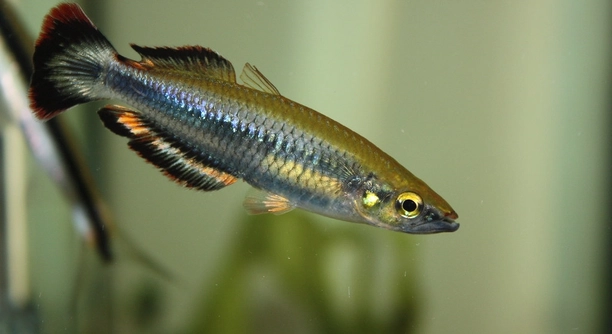
Rainbowfish are small, colorful freshwater fish that brighten up any aquarium. They are known for their lively movements, yet sometimes they pause suddenly, remaining still in the water as if frozen in place.
Rainbowfish often pause in place due to a combination of environmental awareness and social behavior. This stillness allows them to monitor surroundings, detect predators, or communicate subtly with other fish, reflecting their natural instincts in both wild and captive settings.
Observing these pauses can reveal more about their behavior and interactions. Understanding why they stop will enhance your appreciation of rainbowfish.
Environmental Triggers for Pausing
Rainbowfish often pause in response to changes in their environment. Sudden movements, shifts in lighting, or even subtle vibrations in the water can cause them to stop and observe. This behavior is a survival instinct, allowing them to detect potential threats before making any further movements. Aquarium decorations, plants, and tank mates can also influence these pauses. For example, if a new fish is introduced, rainbowfish may freeze to assess the newcomer’s intentions and ensure their safety. Water temperature and quality also play a role. Fluctuations can make fish more cautious, prompting longer periods of stillness. Even the presence of shadows or reflections near the tank can trigger this behavior. Understanding these environmental factors helps in creating a stable and comfortable habitat for rainbowfish. Over time, noticing the triggers can guide adjustments in tank setup and care practices to encourage natural, relaxed behavior while minimizing stress.
These pauses are mostly a reaction to environmental changes, helping rainbowfish stay alert and safe.
Monitoring triggers and adjusting the aquarium can promote calmer, more confident fish. Being attentive to these details enhances overall well-being and reduces stress, making the tank a healthier space.
Social Dynamics and Pausing
Rainbowfish often freeze to communicate with others or establish their place in the group.
Social interactions influence how long and when they pause. In groups, rainbowfish observe the movements of others, mimicking or responding to signals. Pausing can indicate dominance, submission, or curiosity, helping maintain balance within the school. For instance, a dominant fish may pause to assert presence, while subordinate fish may remain still to avoid confrontation. These subtle interactions are critical for schooling behavior, allowing the group to move cohesively and respond to threats efficiently. Pauses also provide time to gauge the activity of others, ensuring coordinated movement during feeding or exploration. Even in smaller aquariums, these social cues are important for maintaining harmony, reducing aggression, and supporting healthy growth. By observing these behaviors, owners can better understand the personality and hierarchy of their rainbowfish, adjusting tank conditions and group composition as needed to maintain a peaceful, interactive environment.
Predator Awareness
Pausing helps rainbowfish detect predators early. Sudden movements or unusual shadows make them stop and observe, reducing the chance of being caught.
This stillness is a survival tactic seen in the wild and in aquariums. By remaining motionless, rainbowfish can better sense threats, analyze movements, and decide whether to flee or stay hidden. Their bright colors may make them more noticeable, so pausing gives them a moment to assess danger carefully. Even minor disturbances, like tapping on the tank or reflections, can trigger these cautious pauses.
Predator awareness also improves their reaction time when needed. The fish learn to read environmental cues and adjust behavior quickly. Over time, rainbowfish develop a pattern of pauses that balances alertness with normal activity. Recognizing these moments can help maintain a safe and stress-free environment in captivity.
Feeding Behavior
Rainbowfish sometimes pause while feeding to evaluate food or observe other fish. This behavior ensures they eat safely and efficiently.
During feeding, pausing allows them to avoid conflicts and monitor competition. Fish may wait for others to take bites first or watch for sudden movements that indicate danger. Pauses also help them focus on preferred food items without rushing, supporting better nutrition and reducing waste.
Pausing during feeding is not just about safety; it reflects decision-making and adaptation. Rainbowfish use these moments to plan their movements, ensuring they eat enough while staying alert. Observing these pauses can guide feeding routines, helping balance portions and minimize stress. Feeding behavior, combined with social cues, shapes their overall activity and comfort in the tank.
Resting and Conserving Energy
Rainbowfish pause to rest, conserving energy for swimming and exploring. These short breaks are essential for maintaining stamina throughout the day.
During these moments, they may hover near plants or decorations, staying still while remaining alert. Resting in place helps them recover without hiding completely.
Adjusting to Water Conditions
Rainbowfish may stop moving when adjusting to new water conditions. Changes in temperature, pH, or clarity can make them cautious. They pause to acclimate and sense the environment, ensuring comfort and safety before resuming normal activity.
Territorial Awareness
Pausing helps rainbowfish observe their territory. By remaining still, they monitor boundaries and respond to potential intruders without unnecessary confrontation.
FAQ
Why does my rainbowfish pause more when new fish are added?
Rainbowfish are naturally cautious and social creatures. When new fish enter the tank, they pause to observe and assess the newcomer’s behavior. This helps them avoid conflict and understand social hierarchy. Pausing also allows them to react appropriately if the new fish display aggression or dominance. Over time, as they become familiar with each other, these pauses usually decrease, and interactions become smoother.
Is pausing a sign of stress or illness?
Not always. Rainbowfish often pause as a natural behavior, but prolonged inactivity, loss of appetite, or clamped fins can indicate stress or illness. Water quality, temperature fluctuations, and overcrowding can contribute. Monitoring overall behavior and tank conditions helps determine whether the pauses are normal or a warning sign.
Do rainbowfish pause more in certain parts of the tank?
Yes, they tend to pause near hiding spots like plants, rocks, or decorations. These areas offer a sense of security while allowing them to observe their surroundings. Open water might see fewer pauses unless environmental changes occur, such as lighting shifts or movement nearby.
Does water temperature affect pausing?
Temperature influences activity levels. Cooler water can make rainbowfish more lethargic, leading to longer pauses, while warmer water increases movement but may still trigger short pauses for assessment. Maintaining stable temperature within their ideal range helps minimize stress-related pauses and supports natural behavior.
Are pauses linked to feeding routines?
Pausing during feeding is common. Rainbowfish assess food, monitor other fish, and avoid conflicts. This behavior ensures efficient feeding and reduces the risk of being outcompeted. Consistent feeding schedules and proper portion sizes help rainbowfish feel secure and reduce unnecessary pauses.
Do rainbowfish pause differently in groups versus alone?
Yes, social dynamics affect pausing. In groups, pauses often coordinate movement and maintain hierarchy. Alone, rainbowfish may pause to explore carefully or assess surroundings since they lack the guidance of other fish. Observing both situations helps understand how social structure impacts their behavior.
Can reflections or shadows trigger pauses?
Absolutely. Rainbowfish are sensitive to visual cues. Shadows, reflections, or sudden movements outside the tank can cause brief pauses as they evaluate potential threats. Minimizing abrupt changes in lighting or movement near the aquarium reduces unnecessary stress.
How can I tell normal pauses from problem behavior?
Normal pauses are short, consistent, and usually linked to environmental observation, feeding, or social interactions. Problematic pauses are longer, accompanied by hiding, clamped fins, or irregular swimming. Keeping a log of behavior and monitoring tank conditions helps differentiate normal behavior from potential health issues.
Do pauses help rainbowfish in predator detection?
Yes, even in aquariums, pausing is a remnant of their natural survival instinct. By stopping, they can better assess movement, shadows, or other disturbances, preparing them to react quickly. This behavior is subtle but important for their sense of safety.
Should I intervene when my rainbowfish pauses?
Intervention is rarely needed unless pauses are prolonged or linked to stress or illness. Adjusting tank conditions, monitoring water quality, and observing social interactions are more effective than disturbing them. Allowing natural pauses supports their well-being and reduces unnecessary stress.
Do pauses change with age?
Younger rainbowfish tend to be more active with shorter pauses, while older fish may pause more frequently to conserve energy. Observing changes over time can indicate normal aging or highlight health issues that need attention.
Can tank size affect pausing behavior?
Smaller tanks may increase pauses due to stress or limited space, while larger tanks allow more movement but still prompt pauses for observation. Proper tank size and enrichment reduce stress and encourage natural behavior patterns.
How do I create an environment that reduces unnecessary pauses?
Stable water conditions, consistent lighting, adequate hiding spots, and compatible tank mates all support confident swimming. Providing a balanced environment lets rainbowfish pause naturally without extended hesitation caused by stress or uncertainty.
Do rainbowfish pause for reproduction-related reasons?
Yes, during mating periods, males and females may pause to display colors, court, or observe each other. These pauses are part of communication and reproductive behavior and usually coincide with specific environmental cues like lighting or spawning areas.
Is pausing more noticeable at certain times of the day?
Rainbowfish may pause more during transitions in lighting, such as morning or evening. These periods mimic natural changes in their habitat and trigger brief stillness to assess surroundings before resuming normal activity.
Can diet influence pausing behavior?
A poor diet or inconsistent feeding can increase hesitation during feeding or exploration. Providing a varied and balanced diet helps maintain energy levels, reducing stress-related pauses and supporting natural swimming patterns.
How do I monitor pauses effectively?
Observation is key. Note duration, frequency, location, and context of pauses. Comparing behavior over days or weeks helps identify patterns and detect changes indicating stress or illness. Consistent monitoring ensures rainbowfish remain healthy and active while allowing natural pauses.
Are pauses a sign of intelligence or awareness?
Yes, pausing demonstrates awareness of surroundings and social cues. Rainbowfish use stillness to process information, assess risk, and make decisions. These behaviors reflect adaptability and natural instincts rather than confusion or lethargy.
Do all rainbowfish species pause in the same way?
While all rainbowfish display pauses, species differences affect duration, frequency, and context. Some are more cautious, while others are naturally more active. Observing species-specific behavior helps set expectations and design the best tank environment.
Can pausing affect interaction with tank decorations or plants?
Yes, pauses often occur near plants or ornaments, providing security and vantage points. These areas encourage natural exploration and resting behaviors, helping fish feel safe while interacting with their environment.
Does lighting impact pausing frequency?
Sudden changes in brightness can trigger pauses. Gradual transitions and consistent lighting cycles reduce stress-induced pauses while allowing normal observation behavior, supporting healthy activity patterns.
What signs indicate a pause is due to curiosity rather than fear?
Pauses linked to curiosity are usually shorter, accompanied by relaxed fins and smooth breathing. Fish may hover near interesting objects or other fish without showing defensive postures. Fear-induced pauses involve stiff fins, rapid gill movement, or hiding.
Can I train my rainbowfish to reduce unnecessary pauses?
Training is limited, but consistent feeding routines, stable tank conditions, and gentle interaction help fish feel secure. Predictable environments reduce stress-related pauses while preserving natural observational behaviors.
How do social hierarchies affect pausing in mixed groups?
Dominant fish may pause to assert presence, while subordinate fish pause to avoid conflict. These interactions maintain balance and cohesion in the group, allowing smoother movement and reduced aggression.
Do pauses indicate intelligence in problem-solving situations?
Yes, rainbowfish use pauses to evaluate new objects or rearranged tank elements. Stopping before acting shows decision-making, helping them interact safely with their surroundings.
Can excessive pauses signal boredom?
In a well-maintained tank, boredom may appear as prolonged inactivity or repetitive patterns. Adding enrichment like plants, ornaments, or gentle currents can reduce these pauses and stimulate natural exploration.
Are pauses influenced by water current?
Strong currents may prompt short pauses as rainbowfish assess resistance and adjust swimming. Moderate, steady flow encourages activity while allowing natural pauses for observation and adaptation.
Do rainbowfish exhibit group pauses?
Yes, synchronized pauses occur when the school monitors surroundings together. These moments maintain cohesion, balance social dynamics, and enhance survival instincts.
How long should a normal pause last?
Typically a few seconds to under a minute. Longer pauses may indicate stress, illness, or environmental issues. Regular observation ensures healthy behavior and timely intervention if needed.
Can nighttime lighting affect pauses?
Dim or fluctuating lights at night can trigger brief pauses. Stable lighting cycles help fish adjust naturally, supporting normal activity patterns and restful periods.
Do rainbowfish pause differently when exploring new objects?
Yes, curiosity-driven pauses are usually brief and accompanied by forward-facing fins and alert eyes. Fish assess size, shape, and safety before interacting, reflecting cautious exploration.
Can tank mates influence pausing frequency?
Aggressive or shy tank mates can increase pauses. Compatible fish reduce stress, allowing more normal swimming and shorter observational pauses. Careful selection and monitoring improve group behavior.
Is pausing more frequent in breeding season?
Yes, males may pause to display colors, court females, or guard territory. Females also pause while choosing spawning sites, making these behaviors part of reproductive strategy.
Do pauses affect overall health?
Short, natural pauses do not harm health. They support alertness, energy conservation, and social coordination. Prolonged inactivity with other symptoms may signal underlying issues.
Are pauses affected by water chemistry changes?
Sudden shifts in pH, ammonia, or nitrate levels can trigger longer pauses. Stable water chemistry encourages confidence and reduces stress-related stillness, supporting overall well-being.
Can observing pauses improve tank management?
Yes, noting when and why pauses occur helps adjust environment, feeding, and social setup. Careful observation ensures rainbowfish remain active, healthy, and comfortable.
Do rainbowfish pause more in the presence of humans?
Movement or tapping near the tank may trigger short pauses. Gradual acclimation to human activity reduces stress and allows natural observation behavior.
Are pauses more common in younger fish?
Younger rainbowfish may pause less as they explore and learn. Older fish tend to pause more to conserve energy and assess surroundings. Tracking these patterns helps understand age-related behavior.
How do I differentiate natural pauses from abnormal behavior?
Compare frequency, duration, context, and physical signs like fin position, gill movement, or appetite. Natural pauses are brief and context-driven, while abnormal behavior shows signs of stress or illness.
Can adding hiding spots reduce excessive pauses?
Yes, plants, rocks, or ornaments provide security, encouraging fish to explore and reducing stress-induced hesitation. Well-placed hiding spots allow confident pauses without fear.
Does tank size change how often rainbowfish pause?
Smaller tanks can increase pauses due to limited space and perceived threats. Larger tanks allow more exploration but still trigger short observational pauses naturally. Proper sizing promotes balanced activity.
Are pauses influenced by seasonal changes?
In natural settings, seasonal changes in light, temperature, and food availability affect activity and pauses. Replicating stable conditions in captivity helps maintain normal behavior year-round.
Do rainbowfish pause differently when alone versus in groups?
Alone, they may pause more to assess risk, while in groups, pauses often coordinate social movement and hierarchy. Group dynamics influence both frequency and duration.
Can enrichment reduce unnecessary pauses?
Yes, plants, decorations, and gentle currents provide stimulation, encouraging exploration and reducing stress-induced stillness. Enrichment supports natural behavior and well-being.
Are rainbowfish more likely to pause near tank edges?
Edges provide a sense of security while observing the tank, making pauses near them common. Open water pauses are usually linked to curiosity or caution.
Do pauses help in energy conservation?
Short pauses allow rainbowfish to rest and conserve energy, balancing activity and exploration. This behavior supports stamina for swimming, feeding, and social interactions.
Can feeding frequency impact pausing behavior?
Irregular feeding can increase hesitancy during meals. Consistent schedules and balanced portions reduce stress, promoting confident movement and normal pauses.
Are pauses a sign of intelligence or problem-solving ability?
Yes, pauses show observation and assessment skills. Fish evaluate surroundings, food, and social interactions before acting, reflecting adaptive behavior.
Do pauses indicate dominance or submission?
Dominant fish may pause to assert control, while submissive fish pause to avoid conflict. These behaviors maintain social order and reduce aggression in the group.
Can prolonged pauses signal environmental stress?
Yes, consistent long pauses combined with hiding, loss of appetite, or unusual swimming may indicate poor water quality, overcrowding, or incompatible tank mates. Regular monitoring helps prevent issues.
Do rainbowfish pause differently during water changes?
They may pause more when water is added or removed due to turbulence and altered chemistry. Gentle, gradual changes reduce stress and unnecessary hesitation.
Are pauses more common in certain tank layouts?
Complex layouts with plants and decorations encourage natural pauses for observation and rest. Sparse tanks may see fewer pauses but increase stress-induced hesitation.
Do pauses vary by species temperament?
Yes, more cautious species pause frequently, while naturally active species have shorter, less frequent pauses. Understanding species tendencies helps set realistic expectations.
Can light intensity affect pausing?
Bright or fluctuating light may trigger pauses as fish adjust. Stable lighting supports confidence and reduces stress-induced stillness.
Do pauses indicate social learning?
Yes, observing and mimicking others during pauses helps rainbowfish learn safe behavior and coordinate group movement.
Can pauses be influenced by human interaction?
Regular, gentle presence reduces stress-related pauses. Sudden movement or tapping increases caution and observational stillness.
Are pauses different in breeding tanks?
Pauses are often longer during courtship or guarding eggs, reflecting reproductive behavior rather than stress or fear.
Can pauses be part of play or exploration?
Yes, brief pauses during interaction with objects or other fish show curiosity, observation, and cautious exploration.
Do pauses serve a protective function?
Absolutely. Pausing allows rainbowfish to evaluate threats, monitor territory, and respond efficiently, supporting survival instincts.
How do I encourage healthy pauses?
Provide stable water, hiding spots, compatible tank mates, and consistent feeding. Observing natural pauses ensures confidence and reduces stress.
Can tank maintenance affect pausing?
Frequent disturbances, sudden water changes, or noise can increase unnecessary pauses. Gentle handling and routine maintenance support natural behavior.
Do rainbowfish pause differently during seasonal changes?
Seasonal light, temperature, and activity patterns influence pause frequency. Mimicking consistent conditions reduces stress and supports normal activity year-round.
Can observing pauses help with tank setup?
Yes, noting preferred spots and triggers guides decoration placement, feeding routines, and group composition, ensuring a comfortable and balanced environment.
Are pauses affected by water flow?
Strong currents may trigger short pauses for adjustment, while moderate flow encourages exploration and natural movement patterns.
Do rainbowfish pause more in shaded areas?
Shaded areas provide security, making them common pause spots. Fish use these spaces to observe surroundings safely.
Can pausing help detect tank problems?
Unusual or prolonged pauses may indicate water quality issues, illness, or stress, allowing early intervention to maintain health.
Do rainbowfish exhibit individual differences in pausing?
Yes, temperament, age, and health influence duration, frequency, and location of pauses, reflecting personality and environmental adaptation.
Can tank lighting cycles influence pausing?
Consistent cycles reduce stress-induced pauses and support natural rhythms. Abrupt changes may trigger hesitation or fear-related stillness.
Are pauses part of schooling behavior?
Yes, coordinated pauses maintain group cohesion, balance hierarchy, and allow synchronized reactions to environmental cues.
Can diet quality affect pausing?
Balanced nutrition supports energy and confidence, reducing hesitation during feeding or exploration. Poor diet may increase stress-induced pauses.
Do pauses indicate mental stimulation?
Curiosity-driven pauses reflect active assessment and engagement with surroundings, supporting cognitive development and natural behavior.
Can pauses reveal social hierarchy?
Yes, dominant and subordinate fish pause differently, maintaining order and reducing conflict within the group.
Are pauses affected by tank size and shape?
Larger tanks encourage exploration with natural pauses, while small or narrow tanks may increase stress-induced stillness.
Do rainbowfish pause when sensing chemical changes?
Yes, sudden changes in pH, ammonia, or nitrate levels can prompt pauses as they assess safety.
Can pauses help in predator simulation training?
Yes, controlled observation allows fish to react naturally, improving response and confidence in the tank environment.
Do pauses differ between males and females?
Males may pause to display or assert dominance, while females pause during feeding, exploration, or spawning decisions.
Can prolonged pauses indicate tankmate issues?
Aggression or bullying from other fish may lead to extended stillness. Monitoring interactions helps maintain a balanced social environment.
Do pauses affect overall swimming patterns?
Short, natural pauses support energy conservation and social coordination. Extended or abnormal pauses can disrupt normal movement and activity.
Can observing pauses enhance breeding success?
Yes, understanding natural pauses helps create ideal conditions for courtship, territorial behavior, and spawning, improving reproductive outcomes.
Do pauses indicate territorial awareness?
Pausing near preferred spots allows rainbowfish to monitor boundaries and defend territory efficiently without unnecessary confrontation.
Can water clarity influence pausing?
Murky or unclear water may increase cautious pauses as fish assess surroundings. Clear, stable water promotes confident movement.
Do pauses occur more in planted tanks?
Yes, plants offer security and observation points, making pauses more frequent and natural in well-decorated tanks.
Can pauses indicate energy management?
Pauses help balance activity and recovery, ensuring rainbowfish maintain stamina for swimming, feeding, and social interactions.
Are pauses linked to curiosity or caution?
Both. Short pauses show curiosity during exploration, while longer pauses often reflect caution, environmental assessment, or social observation.
Do pauses differ with light intensity or spectrum?
Bright or shifting light can trigger cautious pauses. Stable, natural lighting encourages normal activity and confidence.
Can observing pauses guide enrichment placement?
Yes, preferred pause locations show where decorations, plants, or hiding spots provide comfort and security.
Do pauses serve multiple purposes simultaneously?
Often, yes. Pauses can combine rest, observation, energy conservation, social assessment, and predator awareness, reflecting complex adaptive behavior.
Are pauses normal in healthy rainbowfish?
Yes, brief, context-driven pauses are a natural and essential part of their behavior, supporting survival, social interaction, and energy management.
How can I support healthy pausing behavior?
Provide stable water conditions, hiding spots, compatible tank mates, consistent feeding, and gentle lighting. Observing natural pauses ensures well-being and comfort.
Do pauses change with tank maturity?
Yes, established tanks with stable conditions encourage confident, natural pauses, while new tanks may trigger cautious, frequent stillness.
Can pauses indicate environmental satisfaction?
Confident, brief pauses suggest comfort, security, and a balanced habitat, while extended or stressed pauses signal areas needing adjustment.
Do pauses reflect social intelligence?
Yes, rainbowfish use pauses to read others, coordinate group movements, and maintain hierarchy, demonstrating adaptive and social awareness.
Can pauses be used to assess overall tank health?
Yes, observing frequency, duration, and context of pauses helps identify environmental stability, social dynamics, and potential health concerns.
Do rainbowfish pause when exposed to reflections or mirrors?
Brief pauses are common as they assess perceived intruders. Over time, they may learn to ignore reflections.
Can excessive pauses indicate boredom or understimulation?
Yes, limited space or lack of enrichment may increase hesitation. Adding plants,
Rainbowfish are fascinating creatures, and their pausing behavior is a natural part of how they interact with their environment and each other. These moments of stillness are not random but serve multiple purposes, from conserving energy to assessing potential threats. Observing a rainbowfish pause can give insight into its personality, health, and comfort level within the tank. For instance, a brief pause while exploring or feeding is typically normal and indicates alertness and curiosity. Pauses near hiding spots, plants, or decorations show that the fish feels secure in its environment, using these moments to rest while staying aware of surroundings. These small pauses, though subtle, reflect how rainbowfish balance activity, observation, and safety.
Environmental conditions play a key role in the frequency and duration of these pauses. Changes in water temperature, lighting, and quality can all prompt a rainbowfish to pause more often as it adjusts to new circumstances. Similarly, disturbances such as shadows, reflections, or movements outside the tank can trigger temporary stillness. Social dynamics within a group also influence pausing behavior. Rainbowfish use these moments to monitor interactions, establish hierarchy, and communicate subtly with others. Observing these patterns allows owners to better understand their fish and ensure the tank is a calm and stable environment. Providing appropriate hiding spots, consistent feeding schedules, and a well-maintained habitat supports natural behavior, reducing stress-related pauses and encouraging normal activity levels.
Understanding and respecting the reasons behind these pauses enhances both care and appreciation of rainbowfish. Short, natural pauses are not a cause for concern but a reflection of the fish’s instincts and intelligence. They allow the fish to conserve energy, evaluate surroundings, and interact socially, all while maintaining a sense of security. Paying attention to where, when, and how often pauses occur provides valuable information about the tank environment and the overall well-being of the fish. With careful observation and a thoughtfully maintained habitat, owners can support healthy behaviors and ensure that rainbowfish remain active, confident, and thriving. These small, deliberate pauses reveal just how perceptive and adaptive rainbowfish are, making them engaging and rewarding fish to care for.

Hello,
If you enjoy the content that we create, please consider saying a "Thank You!" by leaving a tip.
Every little bit helps us continue crafting quality advice that supports the health, happiness, and well-being of pets around the world, for pets of all shapes, sizes, and species.
We really appreciate the kindness and support that you show us!