
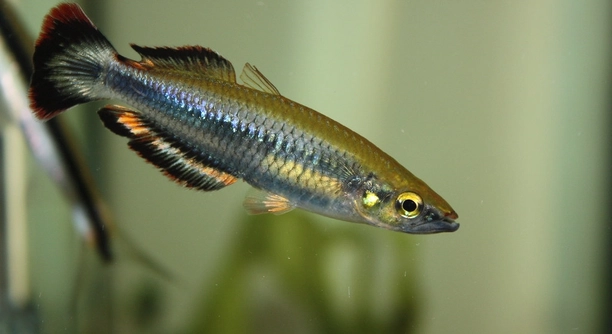
Rainbowfish are lively little creatures that bring color to any aquarium. Watching them move can be entertaining, and they often show different behaviors depending on their surroundings and companions in the tank.
Rainbowfish tend to both explore and patrol their space. They investigate new areas out of curiosity while maintaining awareness of their territory. This combination of behaviors helps them find food, stay safe, and interact with other fish in their environment.
Learning how rainbowfish act can help you create a more comfortable tank. Observing their patterns offers insights into their daily routines and social interactions.
How Rainbowfish Explore Their Space
Rainbowfish are naturally curious, often moving through the tank to check out corners and decorations. They swim slowly around plants and rocks, sometimes stopping to inspect unfamiliar objects. I’ve noticed that when I add new items to the tank, they cautiously approach, sometimes circling the object multiple times before settling near it. Exploration helps them stay active and mentally stimulated. In groups, they seem to take turns leading and following, which reduces stress. Smaller or younger rainbowfish are often bolder, venturing into open spaces more frequently than older ones. They also use exploration to find food, occasionally nibbling on plants or surfaces to see if anything is edible. Their behavior is subtle, but consistent patterns emerge, like lingering in favorite spots while still checking the edges of the tank. Observing these habits can make keeping them more enjoyable and help maintain a healthy environment.
Exploring allows rainbowfish to learn their surroundings safely, which keeps them confident and active in their tank.
Curiosity drives their swimming patterns, making every corner of the tank meaningful. This behavior influences feeding, interaction, and overall well-being.
How Rainbowfish Patrol Their Territory
Patrolling is a more deliberate behavior where rainbowfish maintain awareness of their space.
When rainbowfish patrol, they swim along the edges and between plants with purpose. They often revisit certain areas, keeping an eye on potential threats or competitors. Males may show brighter colors while patrolling to signal dominance, and they sometimes chase away smaller or unfamiliar fish. Patrolling is different from aimless swimming because it has a routine and intent. Fish may circle the tank multiple times, checking familiar spots for changes or intruders. I’ve observed that even when the tank is quiet, rainbowfish maintain a pattern of movement that resembles a gentle surveillance. This behavior helps them feel secure, as they can quickly react if anything unusual occurs. Understanding patrolling can also help in arranging a tank, ensuring that hiding spaces and open swimming areas match their natural habits. It can make your aquarium look more dynamic and keep your rainbowfish healthier and more engaged.
Differences Between Exploring and Patrolling
Exploring is more about curiosity, while patrolling is focused on security. Rainbowfish switch between these behaviors depending on the environment, their comfort level, and the presence of other fish in the tank.
Exploration often involves slow, careful movements toward new objects or areas. I’ve noticed my rainbowfish approach decorations and plants cautiously, sometimes retreating before trying again. They inspect surfaces for food and investigate corners of the tank that seem unusual. Exploration is less structured, and the fish appear relaxed, almost playful, during this behavior. It keeps them active, engaged, and mentally stimulated.
Patrolling is structured and purposeful. Rainbowfish swim along familiar routes, revisiting key spots repeatedly. When I watch them, it’s clear they are aware of who is nearby, marking territory subtly without aggression unless challenged. This behavior ensures safety and keeps them aware of their environment’s dynamics.
Factors Influencing Their Behavior
Tank size, decorations, and the number of fish all affect how rainbowfish explore and patrol.
In smaller tanks, rainbowfish often switch between exploring and patrolling quickly because space is limited, and boundaries are obvious. Larger tanks allow longer exploration periods, giving them room to investigate without feeling threatened. Decorations and plants create obstacles and hiding places, encouraging cautious exploration and more deliberate patrolling. I’ve observed that when new fish are introduced, my rainbowfish spend extra time patrolling, establishing routines and checking for possible conflicts. Social dynamics also matter: a dominant male may patrol more frequently, while submissive fish focus on exploring safer areas. Environmental changes, like lighting or water movement, influence how active they are. Understanding these factors helps create a tank that supports both natural behaviors and fish well-being, keeping them healthy and engaged.
Signs of Exploration
Rainbowfish swim slowly toward new objects, pausing to inspect them. They may nibble on surfaces or circle areas multiple times before moving on.
They show curiosity by changing direction often, lingering near unfamiliar spots, and sometimes returning to the same area repeatedly.
Signs of Patrolling
Patrolling is more structured, with fish swimming along familiar routes. They revisit key spots and check boundaries while maintaining awareness of other fish. I’ve noticed my rainbowfish often follow the same path repeatedly, especially near plants or tank edges, ensuring their territory is secure and monitoring for changes.
How Social Dynamics Affect Behavior
Rainbowfish adjust exploration and patrolling based on the group. Dominant males patrol more frequently, while others explore safer areas, balancing activity with caution.
Environmental Impact on Movement
Changes in tank decorations, lighting, or water flow influence how rainbowfish explore and patrol. New obstacles can encourage cautious movement, while open spaces invite longer exploration sessions.
FAQ
How often do rainbowfish explore their tank?
Rainbowfish explore regularly, often multiple times a day. I notice my fish slowly swimming around the tank, checking decorations, plants, and corners. Exploration increases when new objects or fish are added, or when feeding time approaches. Young fish tend to explore more boldly than older ones.
Do rainbowfish patrol more than they explore?
Patrolling occurs less frequently than exploration but is more structured. My rainbowfish often follow specific routes along tank edges or around plants. Patrolling helps them maintain awareness of their space, detect intruders, and feel secure. It’s a routine behavior that balances exploration.
Can the number of fish affect exploration and patrolling?
Yes, the group size has a noticeable impact. In larger groups, dominant fish patrol more, while smaller or submissive fish focus on exploring. I’ve seen that tanks with only a few fish lead to longer exploration periods because there’s less social pressure and fewer boundaries to monitor.
Do decorations change rainbowfish behavior?
Decorations provide hiding spots and obstacles, encouraging cautious exploration. My rainbowfish tend to linger near new decorations, circling or inspecting them multiple times. Patrolling becomes more structured in decorated tanks, as the fish mark familiar routes and check boundaries, ensuring their territory feels safe and predictable.
How does tank size affect their movement?
Smaller tanks limit exploration because boundaries are obvious, so rainbowfish switch quickly between exploring and patrolling. Larger tanks allow longer, more relaxed exploration periods. I’ve observed that in a spacious tank, my rainbowfish swim further before returning to familiar spots, while patrolling still occurs along edges or near plants.
Do rainbowfish explore differently when introduced to new tankmates?
Yes, new fish change dynamics immediately. Exploration slows at first as they assess new individuals, while patrolling increases to establish routines and check for possible conflicts. Over time, once they are comfortable, exploration resumes normally, though patrolling remains a regular behavior to maintain territory awareness.
Does feeding time affect their behavior?
Feeding triggers both exploration and patrolling. My rainbowfish become more active, exploring surfaces and decorations for food particles, while some patrol the tank to monitor other fish and claim space near the food. Their movements are faster and more purposeful during this time.
Do males and females behave differently in exploring and patrolling?
Males tend to patrol more often, marking territory and asserting dominance, while females focus on exploring safer areas. I’ve noticed that during group activities, males lead or circle the tank more, while females cautiously investigate new spots, balancing curiosity with security.
How do environmental changes influence these behaviors?
Changes in lighting, water flow, or decoration placement alter both exploration and patrolling. My rainbowfish become cautious around new obstacles, inspecting carefully before moving on. Open spaces invite longer exploration, while strong currents can reduce roaming and make patrolling routes more concentrated along calmer areas.
Can observation improve tank setup?
Yes, paying attention to exploration and patrolling patterns helps optimize tank layout. I adjust decorations and plant placement to encourage natural movement, ensuring hiding spaces and open swimming areas meet their needs. Observing these behaviors keeps the fish engaged and promotes a healthier, balanced environment.
Final Thoughts
Rainbowfish are interesting and lively fish that show a variety of behaviors in the tank. Watching them move, explore, and patrol their surroundings can be both calming and informative. Each fish has its own personality, and these behaviors give insight into how they feel about their environment. Exploration and patrolling are both natural and important, helping rainbowfish stay active, mentally stimulated, and safe. By observing how they interact with decorations, plants, and other fish, you can learn a lot about their comfort level and daily habits. I’ve noticed that when my rainbowfish are given more space and thoughtfully arranged tank elements, they tend to explore more often and patrol in a more relaxed way.
Providing a balanced environment is essential for rainbowfish. A tank with enough room, hiding spots, and open areas encourages them to express both exploring and patrolling behaviors naturally. When decorations or plants are added, fish take time to investigate, circling new objects and slowly approaching them. Patrolling, on the other hand, is usually more structured and involves repeated swimming patterns along the edges of the tank or near plants. It helps the fish feel secure and monitor their surroundings. I have seen that dominant males often patrol more actively, while smaller or younger fish focus on exploring, highlighting the impact of social dynamics on their behavior. Watching these patterns emerge can be very satisfying and allows you to make small adjustments to improve their habitat.
Understanding rainbowfish behavior can help you create a tank that suits their needs and keeps them healthy. Observation is key; by paying attention to how often they explore or patrol and the routes they take, you can learn what makes them feel comfortable or stressed. Changes in lighting, tank layout, or the addition of new fish can influence their movements, so being mindful of these factors is important. Encouraging natural behaviors not only benefits the fish but also makes the tank more dynamic and enjoyable to watch. Taking time to notice small details, such as the way they circle a new decoration or follow a familiar path repeatedly, can provide valuable insights. In the end, understanding and supporting rainbowfish behaviors ensures a healthier environment and a more engaging experience for anyone keeping these colorful fish.

Hello,
If you enjoy the content that we create, please consider saying a "Thank You!" by leaving a tip.
Every little bit helps us continue crafting quality advice that supports the health, happiness, and well-being of pets around the world, for pets of all shapes, sizes, and species.
We really appreciate the kindness and support that you show us!